
Film
The War Game
The War Game imagines a nuclear strike on an English town and shoots it like real news reporting — clipped narration, shaky interviews, staged wounds and rubble delivered with total sincerity. Banned from British television for two decades, it runs under an hour and offers no plot, no relief, just a methodical case for horror. Watch it to see deterrence up close, not in theory.
If you liked this
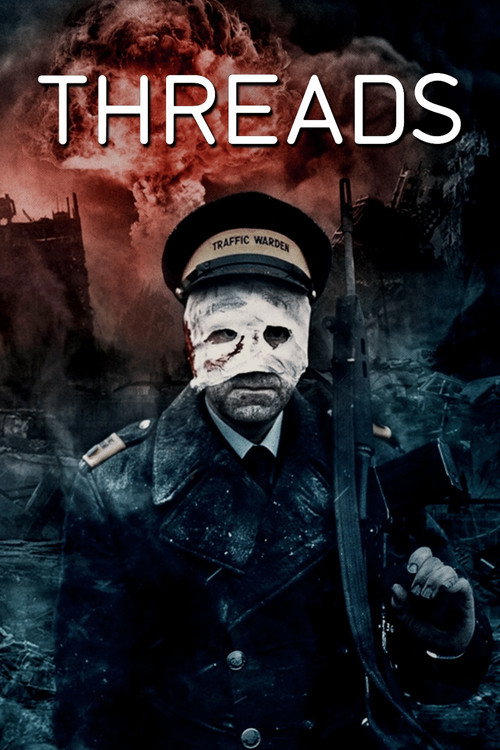
Threads1984
If The War Game left you rattled, Threads finishes the job — following one Sheffield family through the strike, the fallout, and the decades of collapse after, with unflinching detail.
But It's two hours of sustained horror with almost no comfort, and the ending offers nothing resembling hope.
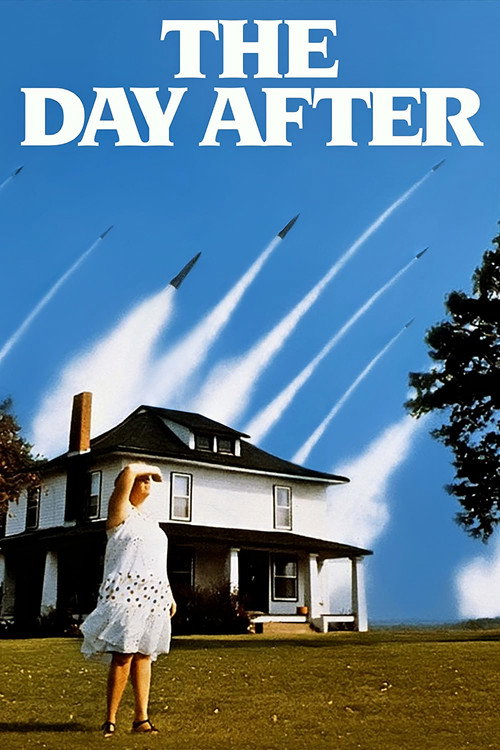
The Day After1983
The American mirror image — a network TV movie so devastating it reportedly rattled a sitting president, tracking ordinary Kansans through the moment the missiles fly.
But It's softer than The War Game, more melodrama than clinical dread, and network constraints blunt some of its punches.
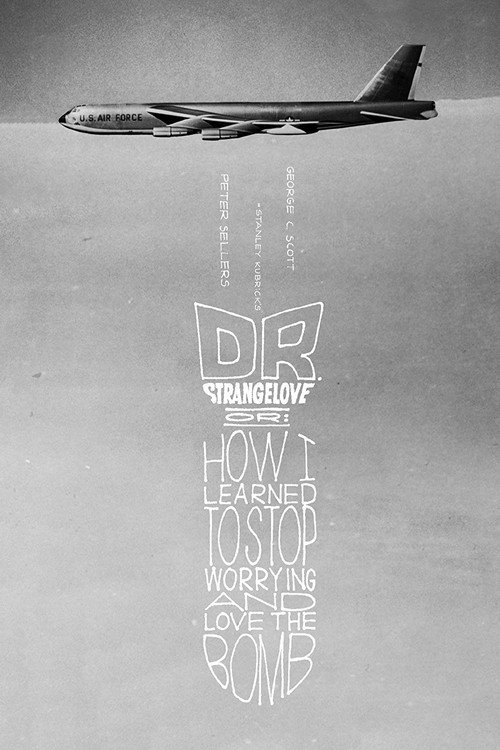
Dr. Strangelove or: How I Learned to Stop Worrying and Love the Bomb1964
Made the same year Watkins was gathering research, Kubrick's satire attacks the identical fear from the opposite angle — laughing at the men in the war room instead of showing you the wreckage.
But If you want the same tone of grim sincerity, the comedy might feel like a tonal betrayal of the subject.
The wildcard
Something you would not have found on your own.
I Live in Fear1955no page yet
Same terror The War Game stages nationally, shrunk to a single household in the one country that had already lived it — proof the fear predates and outlasts any civil defence pamphlet.
Kurosawa, two years after the Bikini H-bomb tests, turns the same dread inward: an old Tokyo foundry owner becomes so terrified of nuclear annihilation that his sanity — and his family — start to crack.
But There's no attack, no spectacle, just one man's mounting paranoia; it's a chamber piece, not a disaster film.
More like this (8)
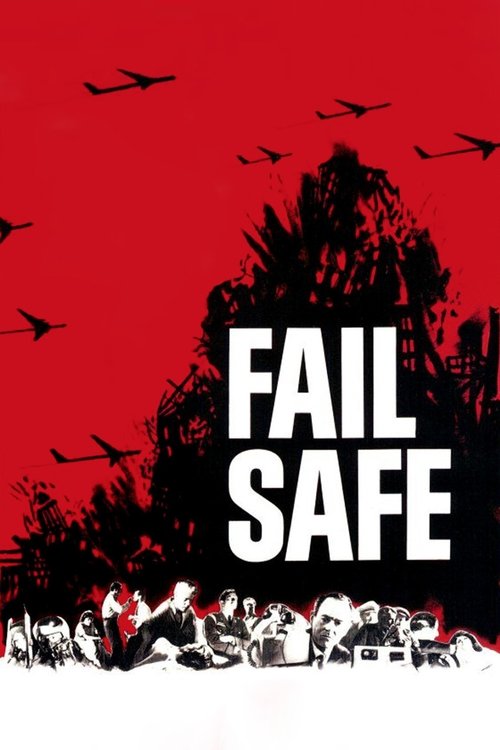
Fail Safe1964
A tense, humane thriller about mechanical failure triggering accidental annihilation — played completely straight, released the same year as Strangelove, and just as haunting.
But It's a conventional Hollywood drama rather than a documentary experiment, so the shock is narrative rather than formal.
Testament1983
Skips the spectacle entirely and stays inside one California household as the world outside quietly stops working — grief handled with real patience and care.
But Slower and more domestic than The War Game; if you wanted societal collapse in wide shot, this stays narrow.
On the Beach1959
The genteel, elegiac predecessor — Gregory Peck and Ava Gardner living out humanity's last months in Australia as fallout drifts closer, all doomed romance and dignity.
But Its 1950s Hollywood polish and restraint feel a world away from Watkins's raw, confrontational realism.

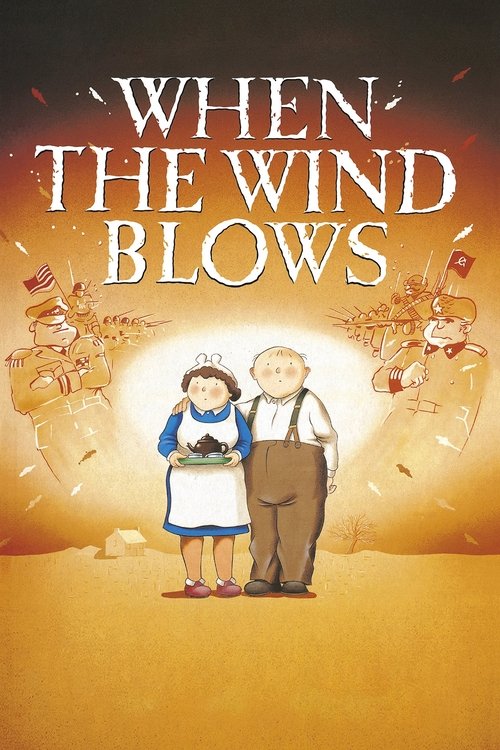
When the Wind Blows1986
An animated British nuclear film? Yes — a devoted elderly couple prepare for attack using useless government pamphlets, rendered in gentle watercolour that makes the ending crueller.
But The soft animation style might read as twee before the film turns the knife.
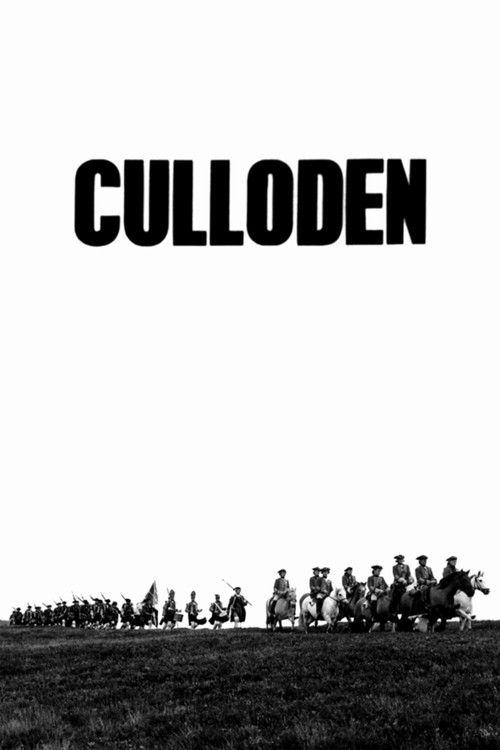
Culloden1964
Watkins's own dry run — the same handheld, interview-the-dying technique applied to an eighteenth-century massacre instead of an imagined one, and just as radical.
But No nuclear content at all; it's a history lesson, and some will miss the contemporary dread.
Special Bulletin1983no page yet
An American TV movie staged as a hijacked live newscast, following a nuclear terrorism crisis in real time — one of the few things that steals Watkins's fake-documentary trick and runs somewhere new.
But Its "breaking news" gimmick has dated, and some effects look distinctly of their moment.
Seven Days to Noon1950no page yet
The blueprint for British nuclear anxiety on screen, evacuation scenes and all — Watkins was working in a tradition already fifteen years deep, just stripping out the plot and the comfort.
Sixteen years before The War Game, this British thriller already had London evacuating over an atomic bomb — a disgruntled scientist threatens to detonate one unless nuclear weapons are banned.
But It's a manhunt thriller with a tidy resolution, nothing like Watkins's refusal to give you an ending.
The Bed Sitting Room1969no page yet
Same devastated postwar England, only three years later, but comedy instead of documentary — proof the culture couldn't stop circling this fear even when it gave up trying to be serious about it.
Richard Lester's fever-dream comedy imagines Britain after nuclear war as a handful of survivors wandering a rubbish-strewn wasteland, one of them slowly turning into a chest of drawers.
But It plays the identical premise for absurdist laughs, which will feel like a slap if you want the subject treated with total gravity.
People
Cast
 Michael AspelCommentator
 Kathy StaffInterviewee (uncredited)
 Peter WatkinsDocumentist (uncredited)
- Peter GrahamCommentator
- Dave BaldwinSchoolmaster / Interviewer (uncredited)
Recommended by
Culloden, Threads, The Day After, Medium Cool, Testament, When the Wind Blows, The Day the Earth Caught Fire, Ghostwatch, The Atomic Cafe, Punishment Park