
Film
The Bed Sitting Room
A 1969 British absurdist comedy about survivors in post-nuclear England, where reality has become deliriously unstable. People mutate, logic collapses, and a peer transforms into furniture. It's theatrical, anarchic, deeply strange—for viewers who find the Pythons too conventional and want their satire genuinely unmoored.
Should you watch it?
Watch it if you enjoy deadpan British absurdism that treats the end of the world as a lopsided tea party, with bleak jokes delivered in perfectly polite voices.
Skip it if you need a plot that marches forward, since this is a series of loosely linked vignettes that circle its ideas rather than build one line of suspense.
What it asks of you: Expect a brisk, sketch-like shape of roughly ninety minutes, where scenes arrive as flat, dry non-sequiturs and you have to keep up with the mood rather than the story.
Not sure? Find tonight's pick in a minute.
If you liked this
Dr. Strangelove or: How I Learned to Stop Worrying and Love the Bomb1964
Kubrick's masterpiece finds apocalyptic absurdity through rigid institutional logic. Both films use nuclear dread as a springboard for anarchic comedy, though this one has sharper bite and bigger budget muscle.
But It's a more complete film—tighter, funnier, with Sellers at his peak. Watching Bed Sitting Room after this can feel like seeing the sketch that didn't quite land.

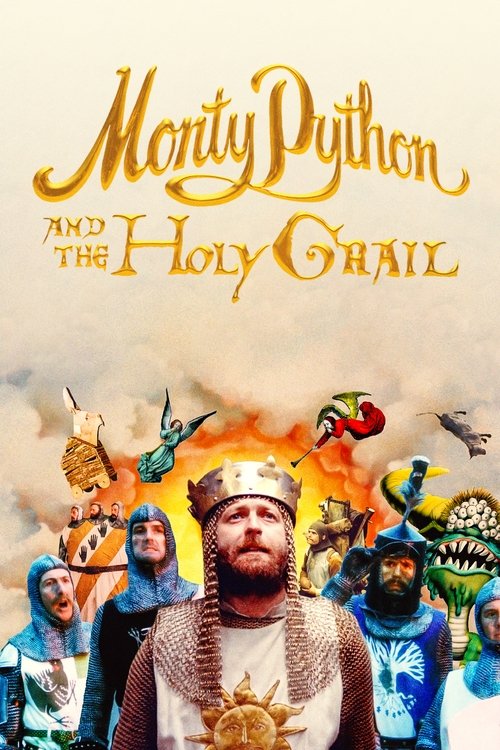
Monty Python and the Holy Grail1975
The same British cult surrealism, built on ramshackle logic and non-sequiturs. If you loved the anarchic energy here, Python's debut film has that same refusal to make sense as a feature of its charm.
But It's far more organized, with recurring characters and actual narrative threads. If you want pure chaos, this is too much of a film.
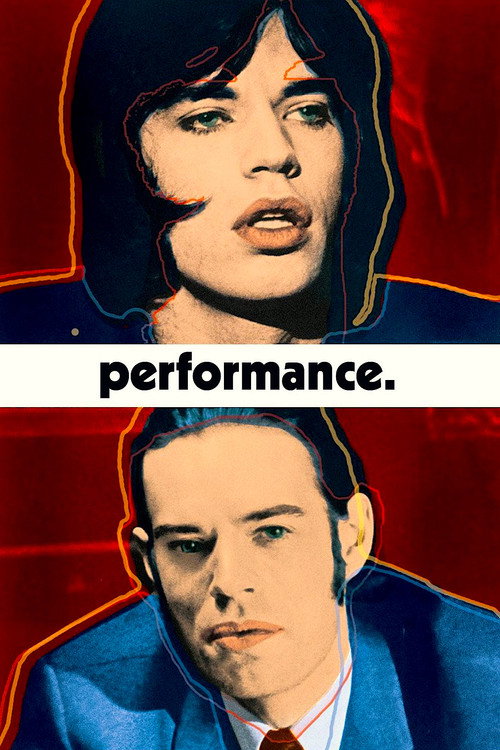
Performance.1970
Roeg and Cammell's hallucinogenic collision of rock and crime, equally disorienting and formally radical. Another 1970s British film that breaks its own rules and makes surrealism feel genuinely dangerous rather than cute.
But It's much darker and more violent. The psychedelia serves transgression, not comedy, so the mood is claustrophobic rather than liberating.
Not sure tonight? Get a pick in a minute, starting from The Bed Sitting Room
The wildcard
Something you would not have found on your own.
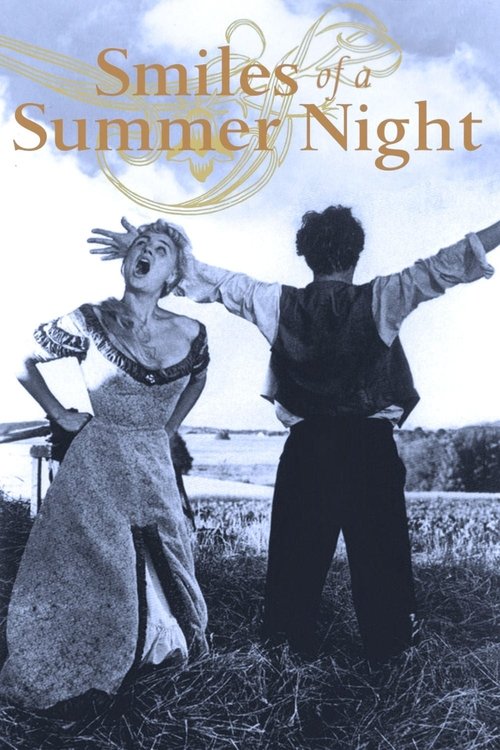
Smiles of a Summer Night1955
Both films build worlds where the rules change mid-scene and people transform—but where that transformation is treated as inevitable rather than shocking. The logic is dream-logic.
Bergman's farcical masterpiece, where reality bends like light through a prism and everyone is transformed by lust and moonlight. It shares Bed Sitting Room's conviction that the world is fundamentally unstable and that comedy is the only honest response.
But It's in Swedish, takes itself seriously as art, and moves at an Aristotelian pace. The surrealism is emotional and metaphysical, not visual and anarchic, so the strangeness creeps rather than explodes.
More like this (8)
Brazil1985
Gilliam's dystopian dream-logic, where bureaucracy has consumed reality and individual scenes matter more than plot. Both films weaponize absurdity against systems; this one was made by someone who understood Bed Sitting Room's genealogy.
But It's nearly three hours and genuinely depressing. The surrealism serves despair, not freedom, so it can feel exhausting rather than exhilarating.

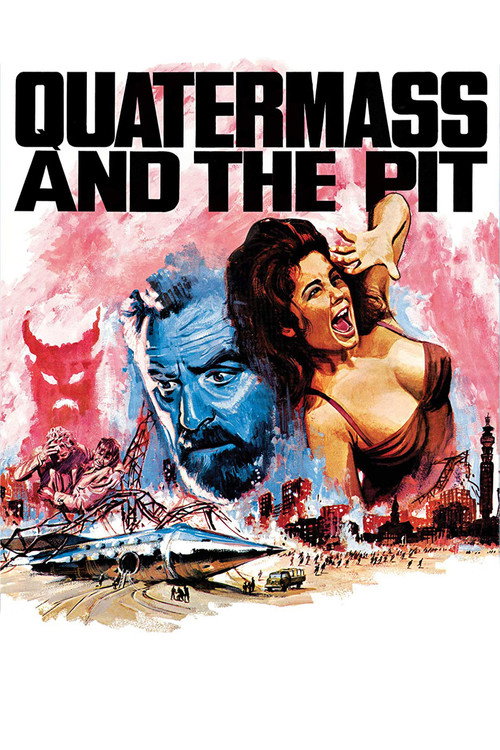
Quatermass and the Pit1967
A Hammer sci-fi film that plays Lovecraftian terror completely straight while the premise is bonkers. Proof that the British could do excellent speculative work when they weren't trying too hard to be clever.
But It's actually coherent and builds genuine suspense. If you want pure nonsense, the plot will feel like it's working against you.
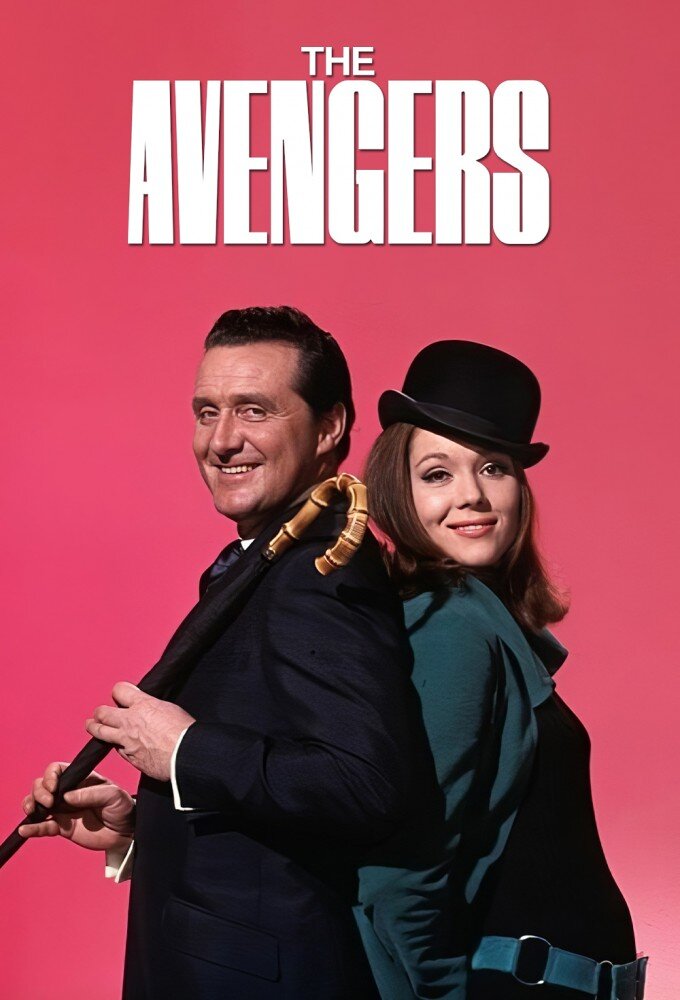
The Avengers1961
The stylish British spy-fi series that thrived on surreal scenarios played dead-straight. Same sensibility as Bed Sitting Room—winking at its own absurdity while maintaining perfect composure.
But It's episodic and formulaic, offering comfort rather than chaos. The surrealism is decoration, not the engine.
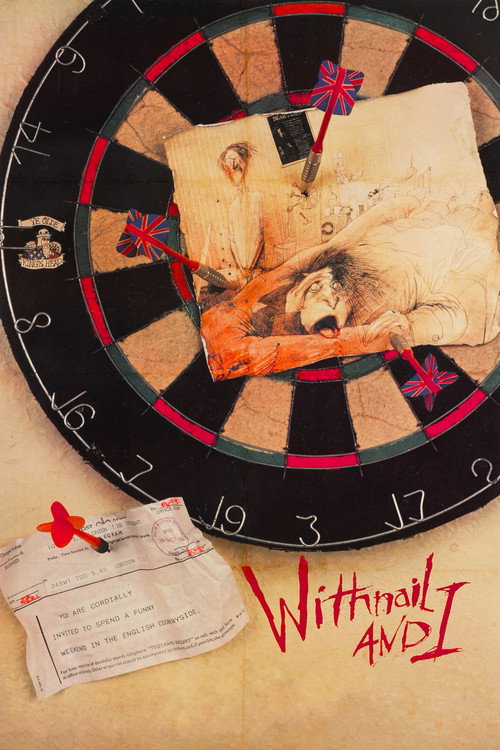
Withnail & I1987
A cult British comedy about two out-of-work actors that builds its own baroque logic. Quotable, quotidian, and equally unconcerned with whether you're following a plot.
But It's naturalistic despite the oddity—characters have emotional arcs. If you want pure formalist chaos, this has too much story.
Barbarella1968
Roger Vadim's campy space-opera where nothing has to make sense because it's beautiful and cool. A kindred spirit in sci-fi comedy that's utterly unserious about its own worldbuilding.
But It's camp in a self-aware, entertaining way. If you prefer your surrealism more alienating and less fun, this is too deliberately charming.

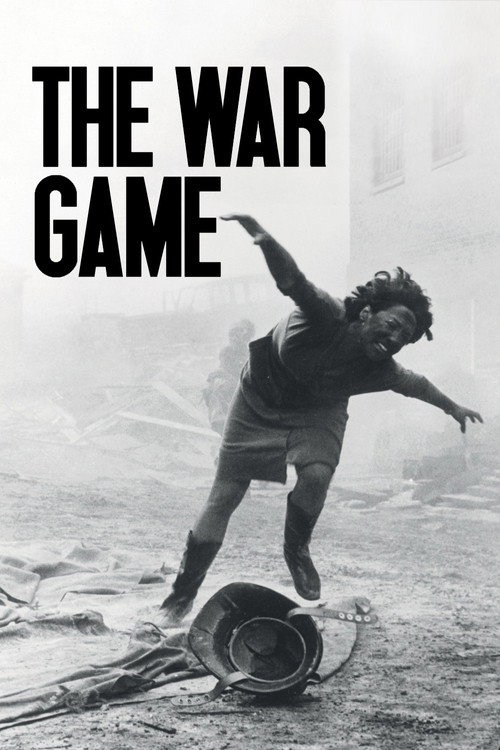
The War Game1966
Watkins' fake-documentary about nuclear war, which was so disturbing the BBC banned it for years. Shows how seriously the British took atomic anxiety, the shadow looming behind Bed Sitting Room's comedy.
But It's grim and didactic with virtually no humour. A documentary, not a film, and historically important but not entertaining in any conventional sense.
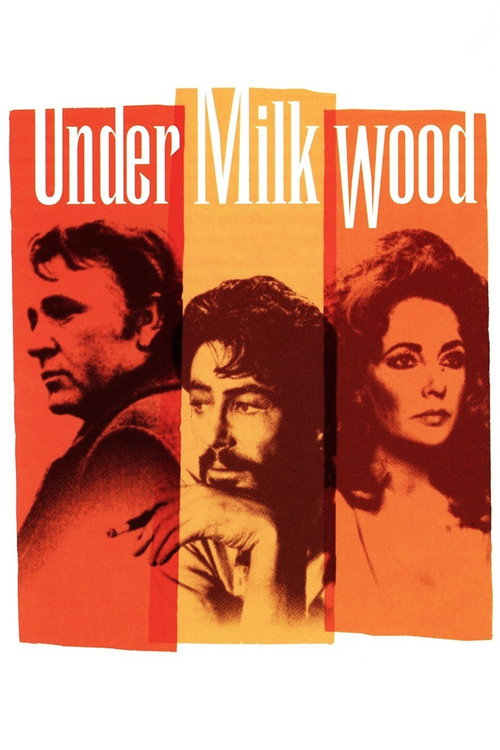
Under Milk Wood1972
Both are essentially shaggy sketches of communities where individuals have become untethered. But where Bed Sitting Room is dystopian and anarchist, this is nostalgic and lyrical about the same dissolution.
Thomas's radio play adapted by Richard Burton, about a Welsh village where everyone talks to themselves and nothing coherent happens. Poetic anarchism in a small space, equally contemptuous of plot.
But It's talky, slow, and literary. If you want visual comedy, this is voices and rhapsody. The whimsy never breaks—there's no satire, just celebration.
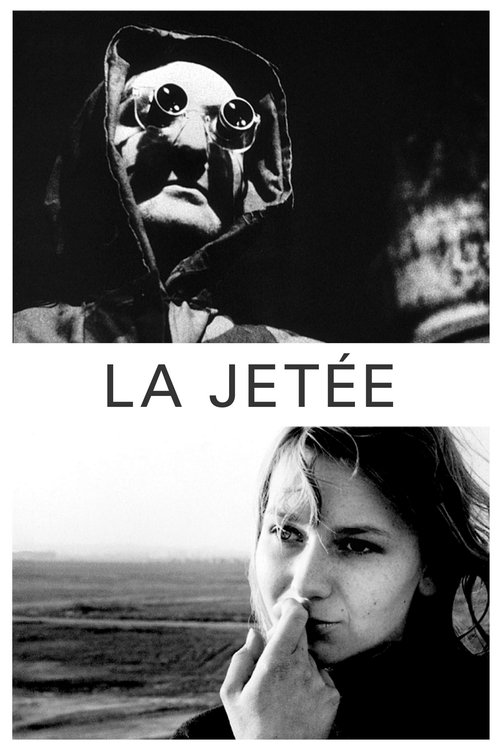
La Jetée1962
Both use nuclear apocalypse as a springboard into altered realities, but La Jetée asks what we would sacrifice to survive, while Bed Sitting Room asks if surviving is funny when everything is broken. One is grave, one is giddy.
Marker's science-fiction masterpiece made from photographs and narration, about time and memory and nuclear war. Only 28 minutes long; it's pure cinema distilled to its essence, and genuinely strange in ways Bed Sitting Room reaches for.
But It's an experimental short that demands attention and offers no laughs. Beautiful and haunting rather than absurd or comic. The strangeness is metaphysical, not practical.
People
Cast
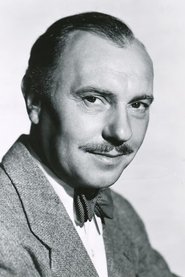 Ralph RichardsonLord Fortnum of Alamein
 Rita TushinghamPenelope
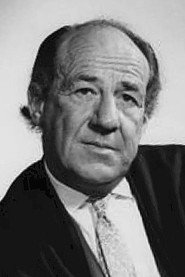 Michael HordernBules Martin
 Arthur LoweFather
 Mona WashbourneMother
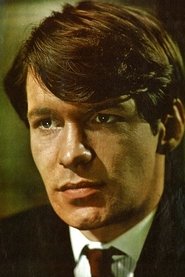 Richard WarwickAlan
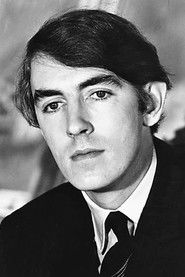 Peter CookInspector
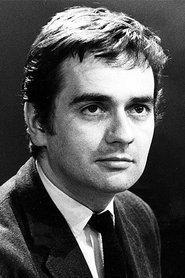 Dudley MooreSergeant
 Frank ThorntonThe BBC
 Marty FeldmanNurse Arthur
 Harry SecombeShelter Man
 Roy KinnearPlastic Mac Man
Directing
- Richard BurgessAssistant Director
- Valerie BoothContinuity
- Richard LesterDirector
Writing
- Charles WoodAdaptation
- John AntrobusAuthor
- Spike MilliganAuthor
- John AntrobusScreenplay
Production
- Roy StevensAssociate Producer
- Oscar LewensteinProducer
- Richard LesterProducer
- Roy StevensProducer
Recommended by
The Day After, The War Game, The Day the Earth Caught Fire, Bob & Carol & Ted & Alice, The Magnificent Seven Deadly Sins, Maddalena, Doctor at Large