
Film
Bob & Carol & Ted & Alice
A 1969 comedy-drama about two couples navigating desire, honesty, and the limits of modern marriage after one pair returns from therapy full of newfound wisdom. It's simultaneously funny and uncomfortable, capturing a specific moment when America was anxiously rewriting its own rulebook. Perfect for anyone curious about how differently we thought about sex and monogamy fifty years ago.
If you liked this
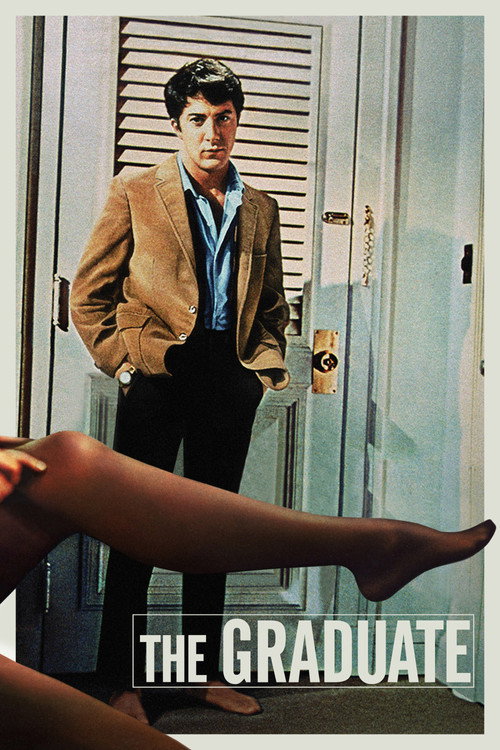
The Graduate1967
A companion piece about the confusion of desire and adulthood in the late 60s, with equally sharp social commentary wrapped in comedy. Dustin Hoffman's anxiety is the flipside of this film's escalating chaos.
But It's been canonized to death, and Benjamin's passivity can feel dated or frustrating depending on your patience for his sulking.
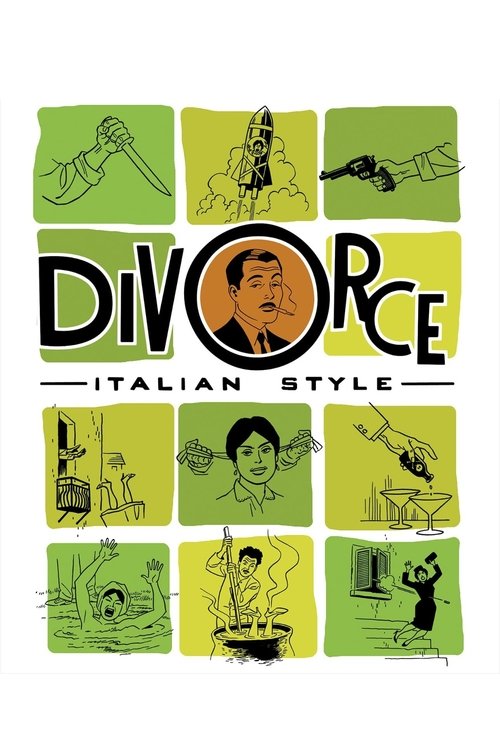
Divorce Italian Style1961
Marcello Mastroianni in a darker Italian comedy about marriage and desire that proved you could be both hilarious and genuinely unsettling about infidelity. A direct ancestor to this film's moral messiness.
But The satire is barbed enough to cut close to misogyny at times, and the pacing is deliberately slow in ways that will test some viewers.
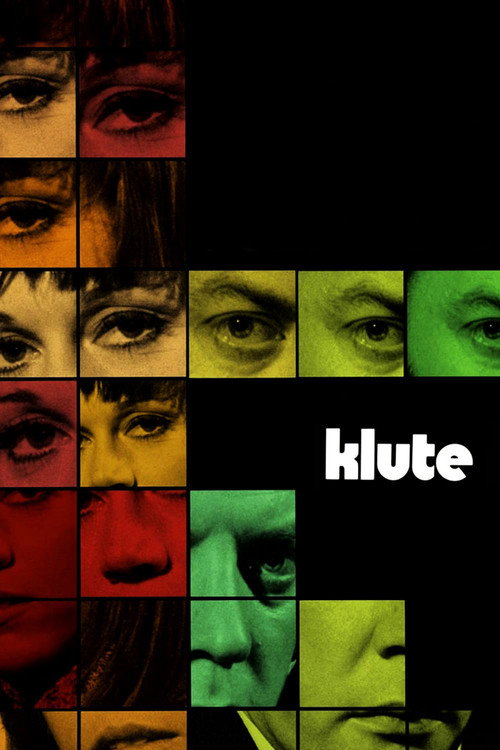
Klute1971
Jane Fonda and Donald Sutherland in a film that takes sexual and emotional complexity seriously while staying tense and fascinating. It's what happens when the couples in Bob & Carol get darker and more dangerous.
But It's a thriller first, so if you're after comedy you'll be disappointed. The mood is genuinely noir and occasionally bleak.
Not sure tonight? Get a pick in a minute, starting from Bob & Carol & Ted & Alice
The wildcard
Something you would not have found on your own.
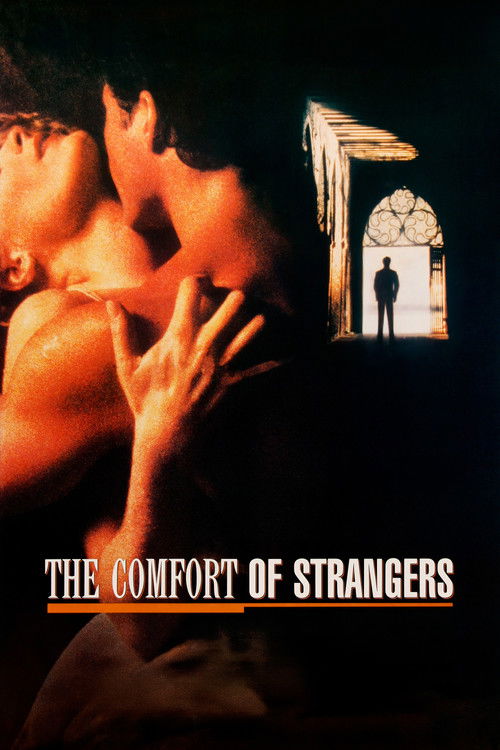
The Comfort of Strangers1990
Both films hinge on the question of whether couples can tell each other the truth about desire without destroying the marriage—but Schrader removes all the comedy and takes the threat seriously.
Paul Schrader's chamber piece about two couples who meet on a Venetian holiday, beginning in flirtation and ending in dread. It takes the exact premise of Bob & Carol—four people, desire, the question of whether honesty is wise—and hollows it into something genuinely sinister.
But It's glacial and airless, more interested in surfaces than psychology. The payoff is deliberately ambiguous and unsatisfying in a way that frustrates rather than intrigues some viewers.
More like this (8)
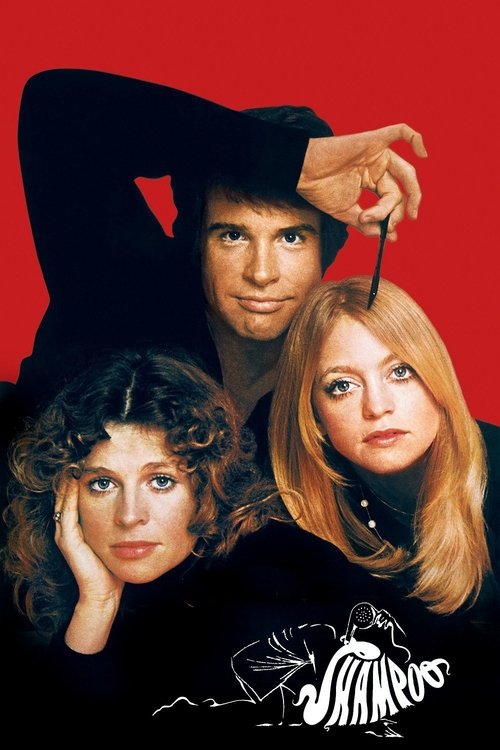
Shampoo1975
Warren Beatty and Robert Towne exploring desire and betrayal in a similar LA milieu with equal sophistication and dark humor. It feels like the natural endpoint of where Bob & Carol was heading.
But At nearly two and a half hours, it can feel self-indulgent. The ending divides people sharply.
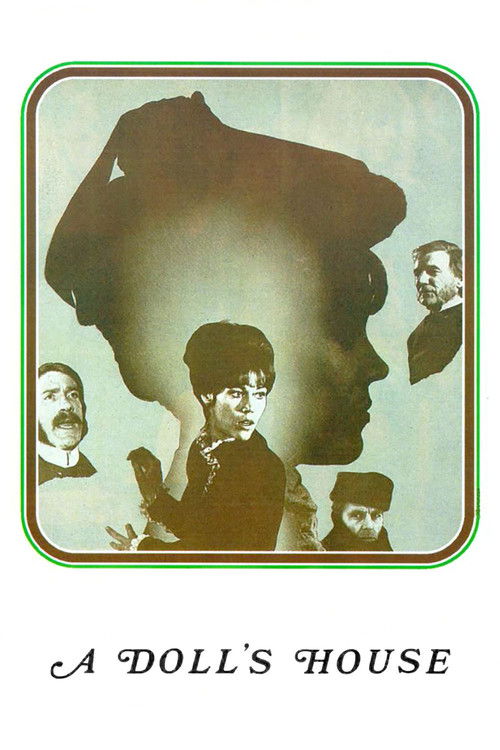
A Doll's House1973
Jane Fonda again, this time in a contemporary take on Ibsen about marriage and the lies we tell to keep it together. Equally interested in the moment when honesty becomes dangerous.
But It's more earnest and less funny than Bob & Carol, and Fonda's political stance in this period can read as preachy to some viewers.
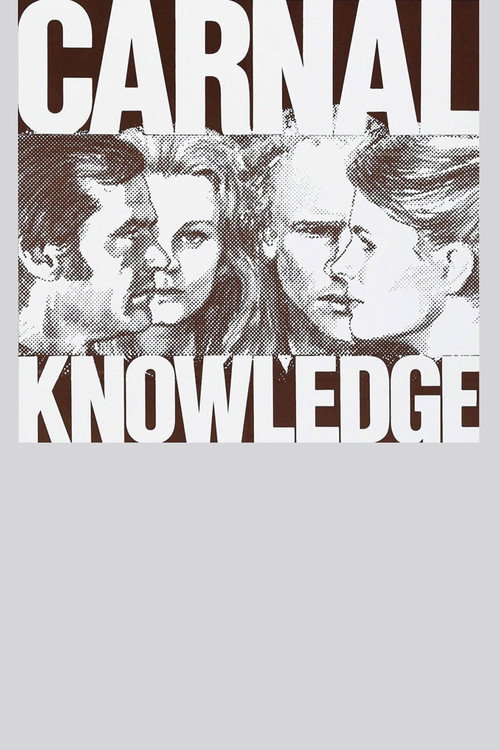
Carnal Knowledge1971
Mike Nichols directing Jack Nicholson and Candice Bergen through three decades of male desire and disappointment. It's the most unflinching exploration of sex and marriage from this era.
But It's bleak and occasionally cruel. There's no comfort here, and the misogyny is baked into the film's DNA as its subject, which some find unbearable.
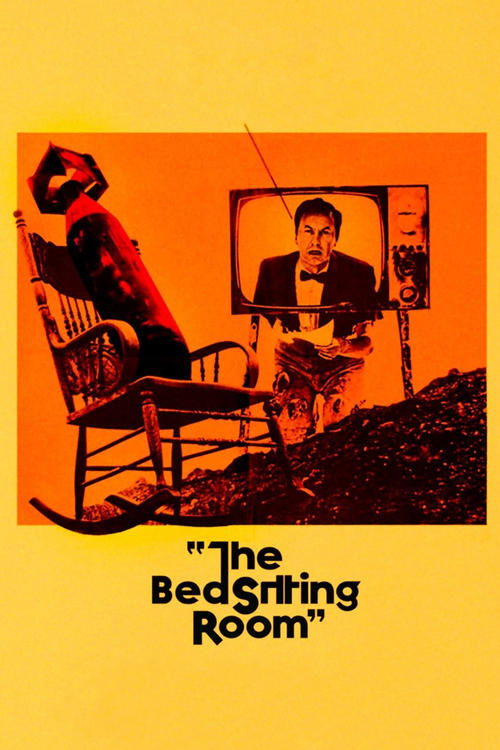
The Bed Sitting Room1969
Richard Lester's absurdist take on domestic life and relationships in a post-apocalyptic London. If you love the comic discomfort of Bob & Carol but want something weirder and more experimental.
But It's genuinely bizarre and scattered. You have to be in the mood for chaos, and the humor doesn't always land even when you are.
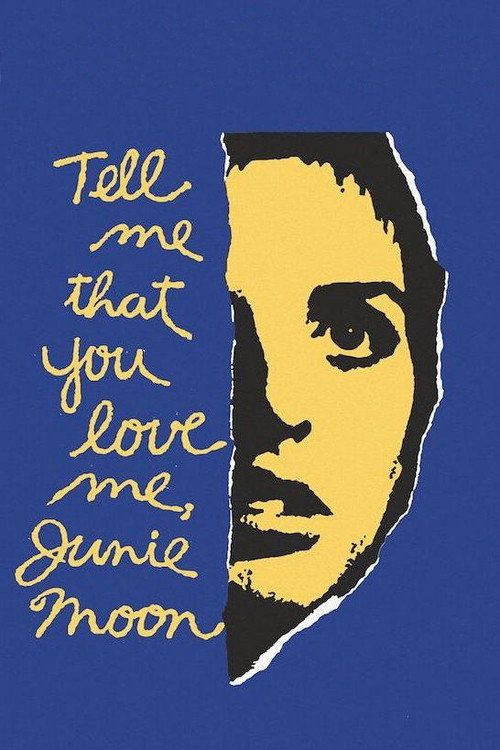
Tell Me That You Love Me, Junie Moon1970
Otto Preminger's oddball dramedy about three broken people trying to rebuild their lives together. It has the same generous, awkward spirit about human connection that makes Bob & Carol special.
But It's uneven, sometimes mawkish, and Preminger's direction doesn't always match the material's emotional ambitions.
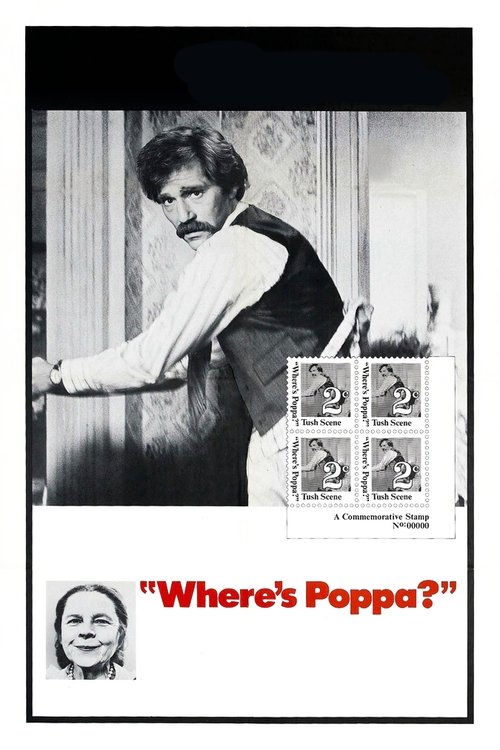
Where’s Poppa?1970
Carl Reiner's deeply dark comedy about family obligation and desire, with George Segal trying to murder his mother while starting a new relationship. Comedy as nervous breakdown.
But The humor is transgressive to the point of ugliness for some viewers, and the tonal shifts are extreme and deliberate in ways that won't work for everyone.
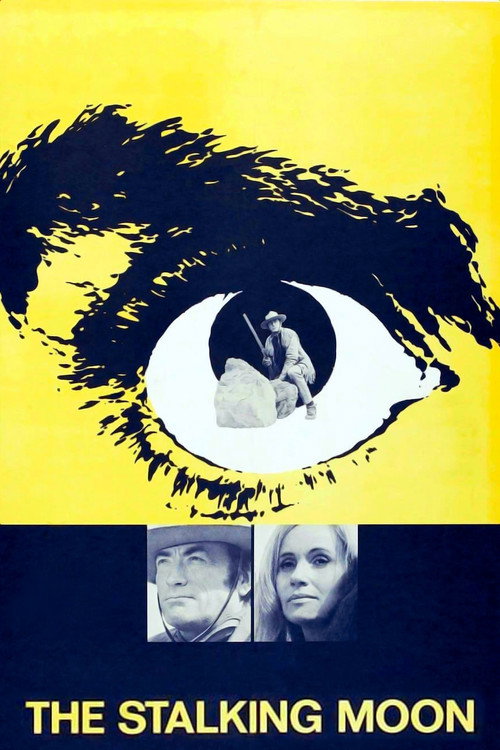
The Stalking Moon1968
Both films are genuinely interested in whether contemporary American marriage can survive honesty and past trauma—this one just wears a saddle instead of a turtleneck.
Gregory Peck in a Western that asks whether a man can truly accept his partner's complicated past, set against Apache pursuit across the desert. It's a marriage film in genre clothing, and it's far more rigorous about its moral questions than most.
But If you're expecting a traditional Western, this is a slow, conversational character study. The genre elements feel almost accidental.
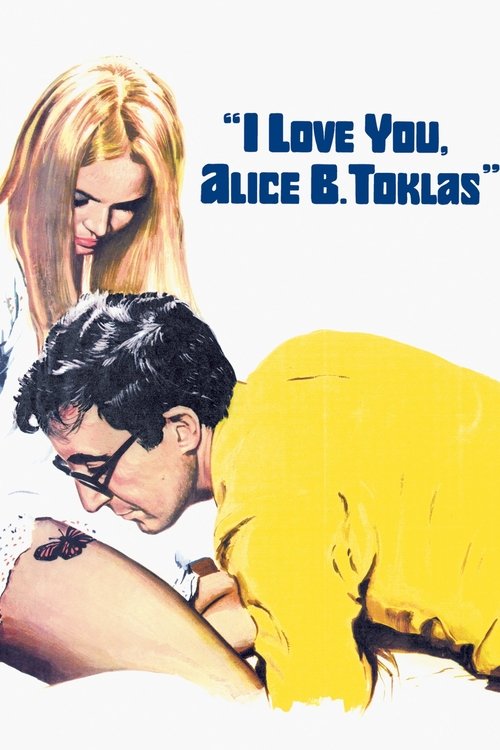
I Love You, Alice B. Toklas!1968
Both films capture Americans desperately trying on new identities and new relationship models in the late 60s, uncertain whether they're liberating themselves or just delaying the inevitable.
Peter Sellers in a comedy about a lawyer who abandons his straight life for marijuana, Eastern spiritualism, and a free-spirited woman. It's the same cultural moment—1968—and the same fascination with whether people can actually change, but told as a dizzy farce instead of social realism.
But The humor is very broad and sometimes mean-spirited. If you're after the film's satirical bite to be sharp rather than just silly, you'll be disappointed by how often it settles for easy laughs.
People
Cast
 Natalie WoodCarol Sanders
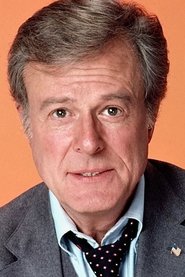 Robert CulpBob Sanders
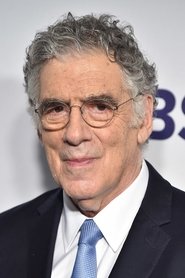 Elliott GouldTed Henderson
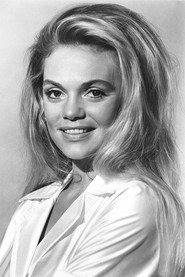 Dyan CannonAlice Henderson
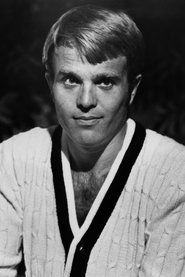 Horst EbersbergHorst
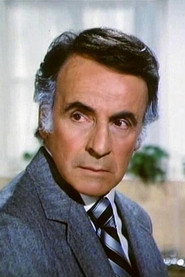 Lee BergereEmilio
- Donald F. MuhichPsychiatrist
- Noble Lee Holderread Jr.Sean Sanders
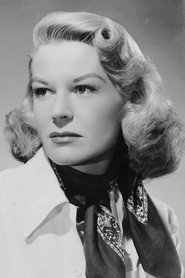 K.T. StevensPhyllis
 Celeste YarnallSusan
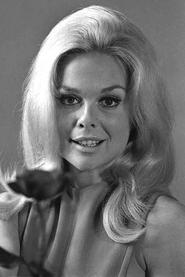 Lynn BordenCutter
- Linda BurtonStewardess
Directing
- Anthony RayAssistant Director
- Paul MazurskyDirector
- Margaret HanlyScript Supervisor
- Hawk KochSecond Assistant Director
Writing
- Larry TuckerWriter
- Paul MazurskyWriter
Production
- M.J. FrankovichExecutive Producer
- Larry TuckerProducer
- William J. O'SullivanProduction Manager