
Film
A Doll's House
Other titles called A Doll's House: the 2012 film, the 2023 film.
Ingmar Bergman's 1973 adaptation of Ibsen's incendiary play, starring Jane Fonda as a woman who gradually realizes her marriage is a performance and her selfhood has been erased. Intimate, quietly furious, and structurally bold—it unfolds almost like a chamber piece, building toward one of cinema's most consequential departures. For anyone hungry for feminist theatre that still burns.
Should you watch it?
Watch it if you enjoy slow, talky rooms where a marriage is taken apart through glances, pauses and pointed conversation, and you like seeing the theatre's bones show through.
Skip it if you want brisk plotting or outdoor scale; it is talky, stagey and confined to a few rooms, so the performances carry nearly everything.
What it asks of you: Settle in for just under two hours of close, unhurried conversation in cramped interiors, where the quiet is doing as much work as the dialogue.
Not sure? Find tonight's pick in a minute.
If you liked this
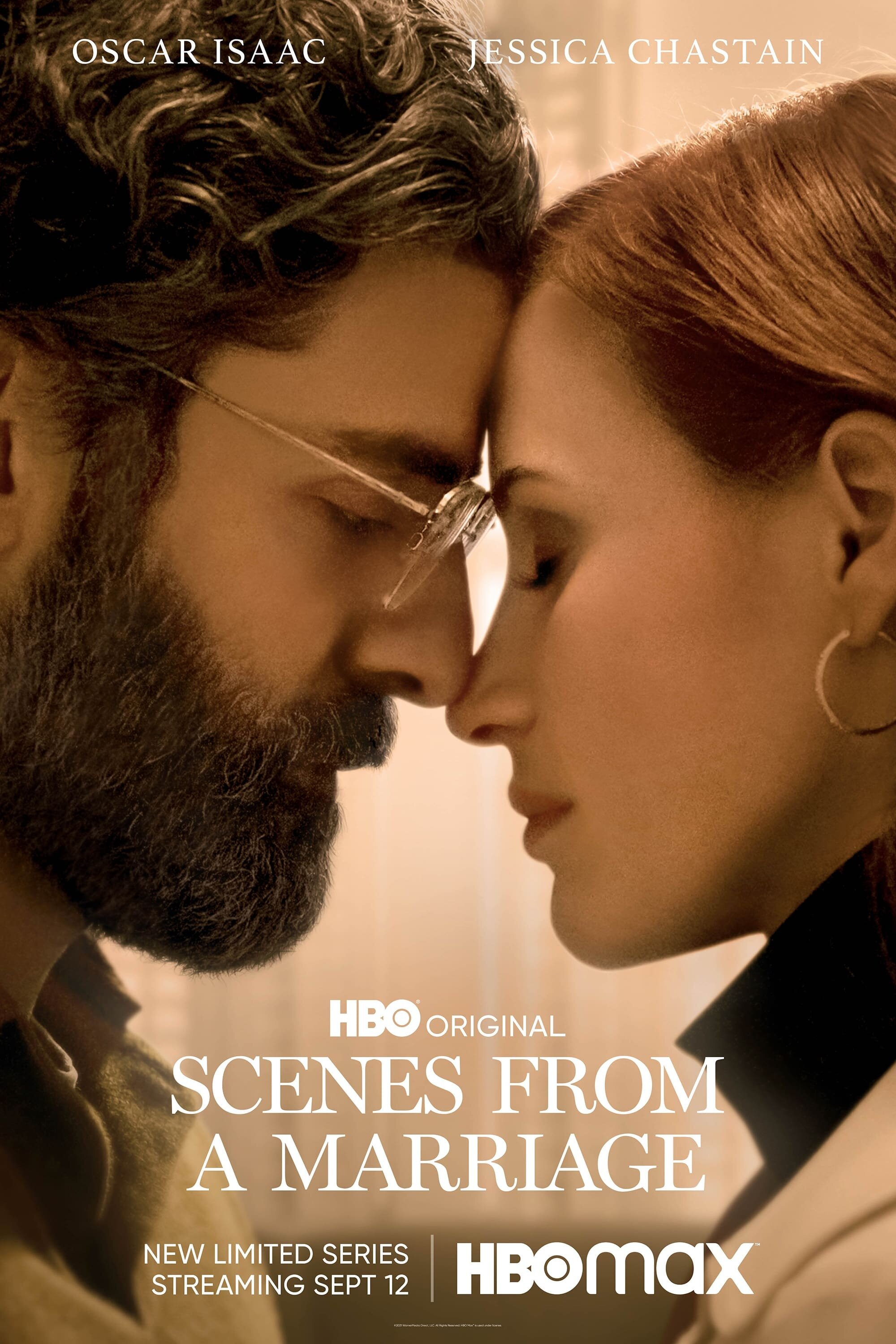
Scenes from a Marriage2021
Bergman's own dissection of a marriage's decay, unfolding across six episodes with Liv Ullmann and Erland Josephson. Raw, repetitive, hypnotic—it asks the same questions about entrapment and identity that *A Doll's House* does, but with Bergman's particular willingness to sit in marital silence for five minutes at a time.
But Television pacing in 1973 means long, still scenes with minimal plot momentum. If you need things to happen, this will feel glacial.
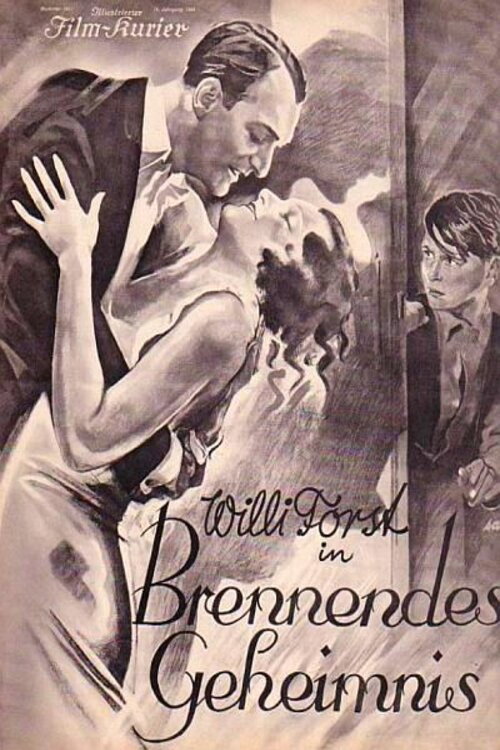
The Burning Secret1933
Another Ibsen-derived psychological portrait—directorial debut of the Czech filmmaker who understood how a marriage becomes a trap. The atmosphere is claustrophobic and the emotional stakes are devastatingly clear without melodrama.
But It's a 1933 film in German-language cinema, which carries all the technical and tonal expectations that implies. Not glossy, not fast.
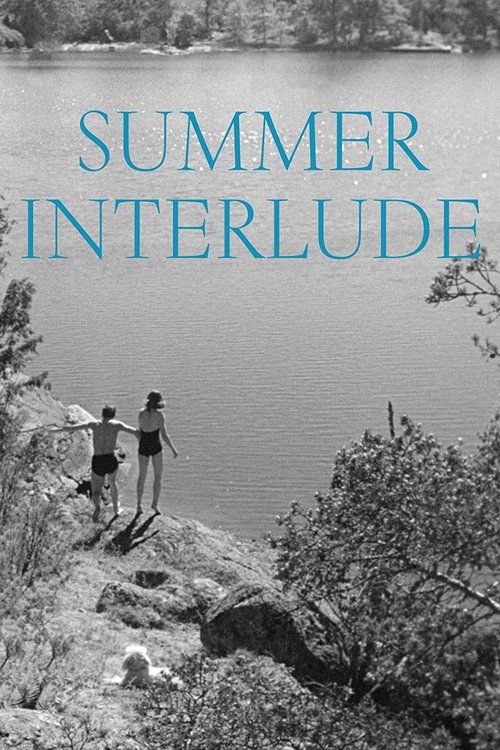
Summer Interlude1951
Bergman again, earlier, gentler—a woman reflects on a devastating summer romance that fractured her life. It shares *A Doll's House*'s interest in female regret and the gap between what you wanted and what you became, but through memory and dance rather than confrontation.
But The framing device and theatrical structure might feel dated; it's more lyrical than angry, which could feel evasive if you want Nora's fury.
Not sure tonight? Get a pick in a minute, starting from A Doll's House
The wildcard
Something you would not have found on your own.
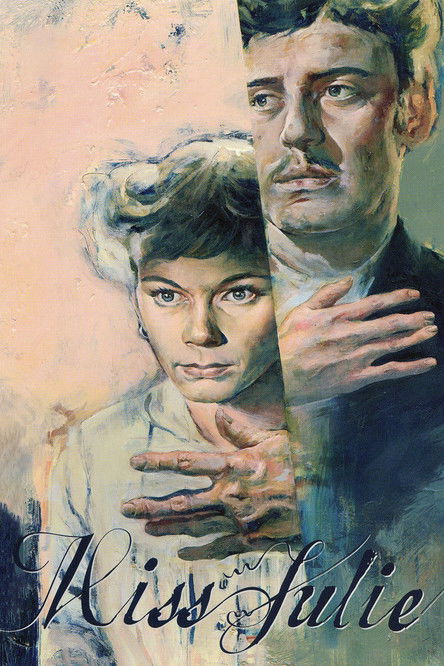
Miss Julie1951
Both are Scandinavian plays about women discovering the cost of transgression, but *Miss Julie* assumes the woman's transgression is her doom, whereas *A Doll's House* assumes her refusal to accept doom is her awakening.
Alf Sjöberg's adaptation of Strindberg's play, also Scandinavian, also a woman's transgressive choice that undoes her life. But where Ibsen ends in departure, Strindberg ends in catastrophe—the psychological intensity is wringing. The cinematography is baroque and haunting.
But Strindberg is far more misogynistic than Ibsen; the play itself is hostile to its heroine in ways that no amount of directorial intelligence can fully neutralize. It's also nearly 90 minutes of psychological claustrophobia with no release valve.
More like this (7)
Cléo from 5 to 71962
Agnès Varda tracking one woman's afternoon of mounting dread and self-discovery in Paris. Formally inventive, deeply about female interiority and the gaze that confines you. The pleasure is in watching Corinne Marchand think and change in real time.
But Very deliberately paced; if you want plot, it's the thinnest possible pretext. Also very specifically of its moment—French New Wave means naturalistic dialogue and long takes.

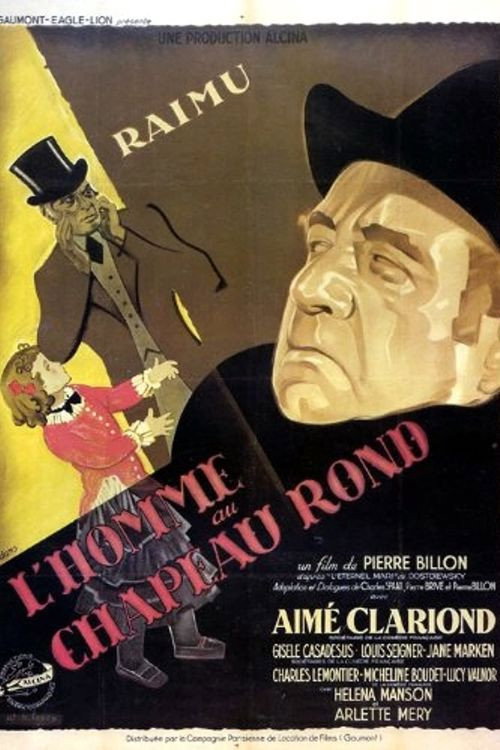
The Eternal Husband1946
Relatively obscure Ophüls, adapted from Dostoevsky, about a man arriving to unsettle a carefully constructed domestic arrangement. It's *A Doll's House* from a different angle—the arrival of the past as threat to the present marriage.
But Ophüls's virtuoso camera work and emotional complexity can read as baroque; it's not as direct as Bergman's staging.
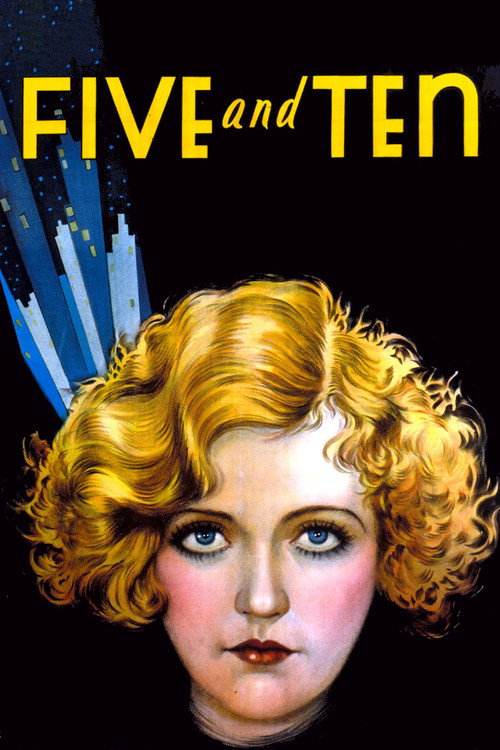
Five and Ten1931
Marion Davies in a surprisingly sharp pre-Code meditation on a woman in a wealthy marriage discovering her husband's infidelity. Light in tone but genuinely interested in female disillusionment and what happens when you stop performing contentment.
But It's a comedy-drama hybrid from 1931, which means the tonal registers will feel unstable to modern eyes. The happy ending isn't as inevitable as you'd expect, but it still exists.
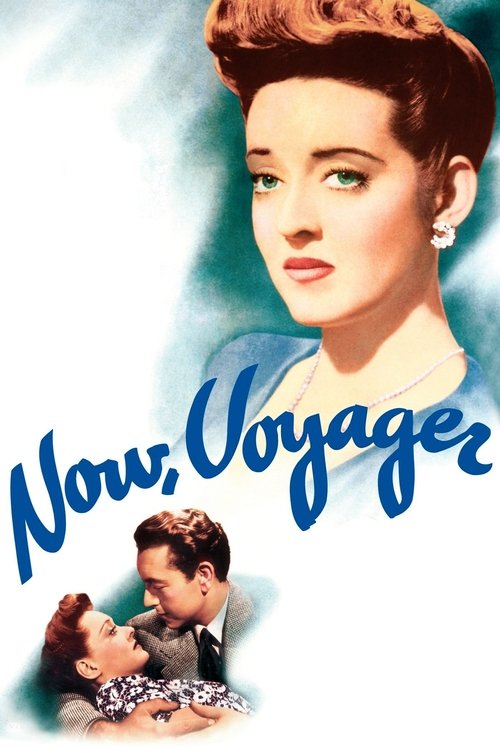
Now, Voyager1942
Bette Davis as a woman escaping maternal tyranny and discovering her own name. It's about the same process as Nora's—shedding an identity imposed by others—but through melodrama, cigarettes, and a voyage. Deeply satisfying.
But It resolves into romantic love as salvation, which rather undercuts the feminist argument. Also unmistakably of the 1940s studio system in its gloss.
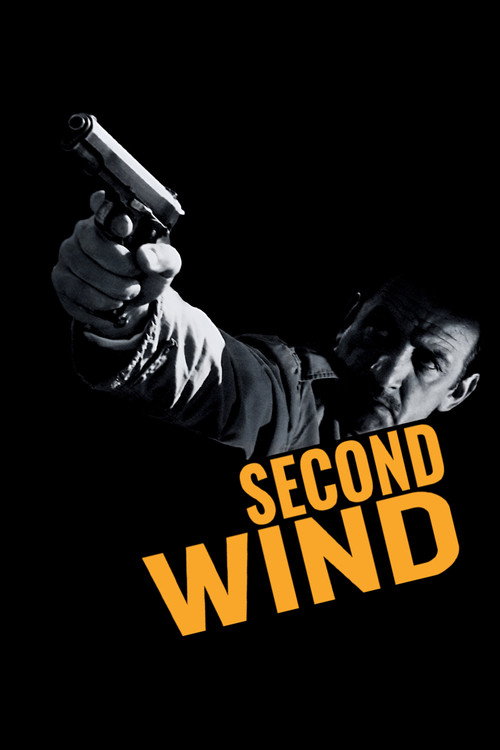
Le Deuxième Souffle1966
Melville's noir thriller about a man returning to his wife after prison. The marriage is almost incidental, but it's shot with such cool moral clarity—the architecture of daily deception, the price of living alongside someone you no longer know.
But It's a heist film dressed as a character study. If you want domestic confrontation, there's very little of it; the marriage is a shadow plot.
Jeanne Dielman, 23, quai du Commerce, 1080 Bruxelles1976
Chantal Akerman's three-hour chronicle of a widow's daily routines—cooking, cleaning, accounting, receiving visitors. It's a radical dissection of female domestic labor and the self that disappears into repetition. Hypnotic and transformative.
But It's an experimental film from 1975 with almost no conventional narrative or drama. Watching it requires patience bordering on meditation; many people will find it tedious rather than revelatory.

The Ascent1977
Both use a confined space and escalating pressure to ask whether a person can change the fundamental terms of their existence. But where Nora talks herself free, these men ascend in silence toward annihilation—the inverse of escape.
Andrei Rublyev's cinematographer, Larisa Shepitko, directing her final film—two Soviet partisans during WWII ascending a snowy mountain toward a village and execution. It's nearly wordless, morally absolute, about the self as something that can be surrendered or claimed.
But It's a Soviet film about martyrdom and faith, abstract and aestheticized to the point of formalism. If you want character development or dialogue-driven revelation, you'll be disappointed. It's also relentlessly bleak.

People
Cast
 Jane FondaNora Helmer
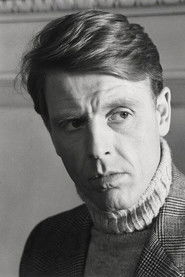 Edward FoxNils Krogstad
 Trevor HowardDr. Rank
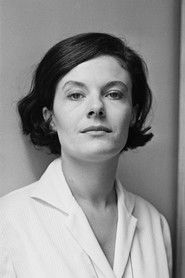 Delphine SeyrigKristine Linde
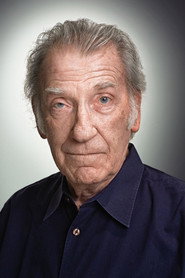 David WarnerTorvald Helmer
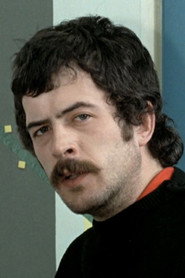 Pierre OudreyOlssen
 Anna WingAnne-Marie
- Freda KroghHelmer's Maid
- Ellen HolmKrogstad's Daughter
- Morten FloorBob
- Tone FloorEmmy
- Dagfinn HertzbergKrogstad's Son
Directing
- Lilian LeeContinuity
- Joseph LoseyDirector
Writing
- David MercerScreenplay
- Michael MeyerScreenplay
- Henrik IbsenTheatre Play
Production
- Richard F. DaltonAssociate Producer
- John HeymanExecutive Producer
- Joseph LoseyProducer
- Robert FennellProduction Manager
- Pat SimsProduction Secretary
Recommended by
Medea, Diary of a Mad Housewife, Bob & Carol & Ted & Alice, The Marriage of Maria Braun, The Doctor's Dilemma, The Pumpkin Eater, Mademoiselle Julie, The Rite, The Hero, Face to Face, The Three Sisters, Three Sisters, Uncle Vanya, Othello, Othello, An Awfully Big Adventure, Hedda Gabler, Hedda Gabler, The Four Seasons, Timon of Athens, Ghosts