
Film
Othello
Other titles called Othello: the 1951 film, the 1981 film, the 1995 film.
- Drama
- Tragic romance
- Very dark
Olivier's 1965 Othello is theatrical Shakespeare at full throttle—a man of towering dignity systematically unmade by a single poisonous voice. Filmed with operatic intensity, it's less a play adapted than a performance preserved: visceral, sometimes claustrophobic, powered by two of the greatest actors of the century. For anyone who thinks Shakespeare needs cinema to come alive.
Should you watch it?
Watch it if you love Shakespeare played as raw, stagebound verse, where the poison lives in the talk and one actor's fury fills a bare room.
Skip it if you want the camera to roam, since this filmed stage production keeps its theatre bones, and Olivier's big, blustering performance will test patience.
What it asks of you: Expect nearly three hours of dense verse played in mostly enclosed rooms, so it rewards steady attention more than quick cuts or any visual flair.
Not sure? Find tonight's pick in a minute.
If you liked this
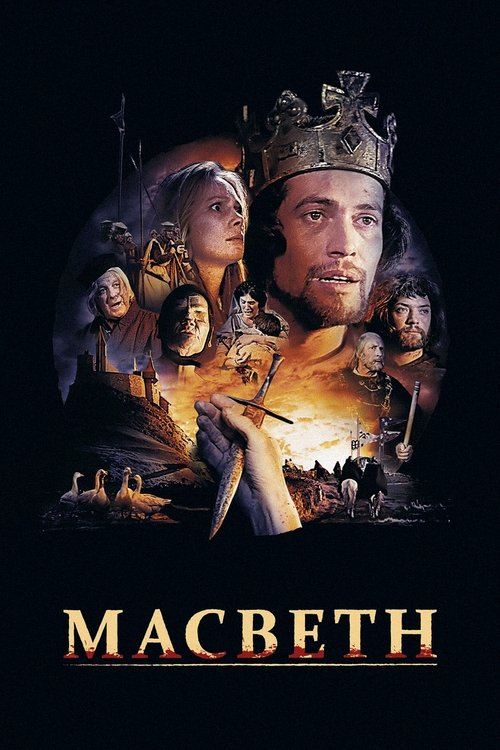
Macbeth1971
Polanski's vision is ruthless and intimate—ambition and paranoia in a dank castle. Where Othello is destroyed by another's poison, Macbeth swallows it himself. Both are tragedies of corrupted greatness.
But It's bleak, visceral, and often brutal. Some find Polanski's approach coldly nihilistic rather than tragic, and the 1970s cinematography can feel grainy and distant.
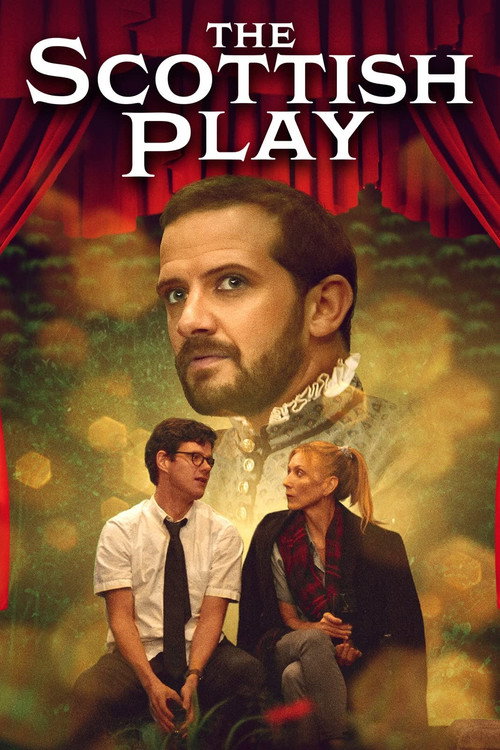
The Scottish Play2020
Trevor Nunn's RSC production captures the heat of live performance without losing film's intimacy. Ian McKellen and Judi Dench create something rawer than Olivier's baroque vision—still Shakespeare, still magnificent, utterly of the 1970s.
But Recorded theatre can feel stagey. If you want cinema that uses the camera, not just points it at the stage, you'll feel the limitations.
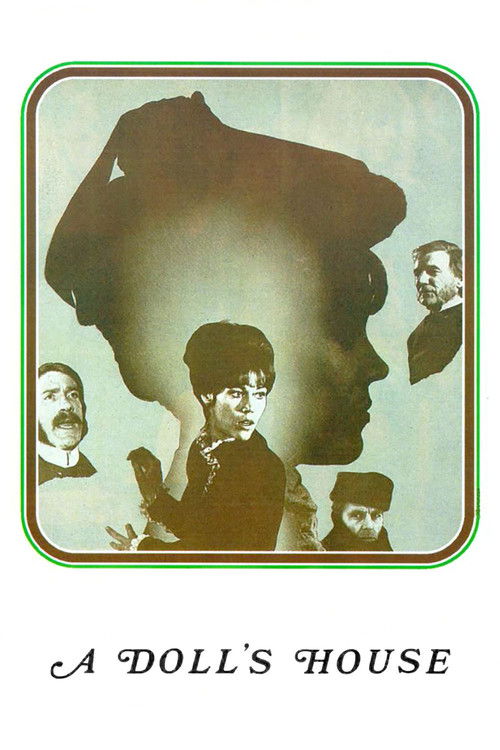
A Doll's House1973
Like Othello, it's a marriage imploding under the weight of deception and misplaced faith. Claire Bloom and Anthony Hopkins track psychological unraveling with surgical precision. A different era, a different form, the same emotional violence.
But Ibsen can feel airless and talky. There's no magic, no supernatural dread—just two people and the slow recognition that they never knew each other at all.
Not sure tonight? Get a pick in a minute, starting from Othello
The wildcard
Something you would not have found on your own.
Kes1970
Both trace the destruction of something precious through the indifference or malice of those who claim to care. Iago poisons Othello through words; Harry's bullying teachers poison a boy's hope through silence.
Ken Loach's film about a boy and a hawk shares Othello's tragic structure but inverts it entirely: a working-class Yorkshire boy finds transcendence through trust, only to have it destroyed by casual cruelty. Not a moment of grand theatre, just the weight of systems crushing individual grace.
But It's brutally unglamorous. The performances are naturalistic, the landscape is grey, and if you're looking for the thrall of great acting transforming a text, you'll find quiet desperation instead.

More like this (8)
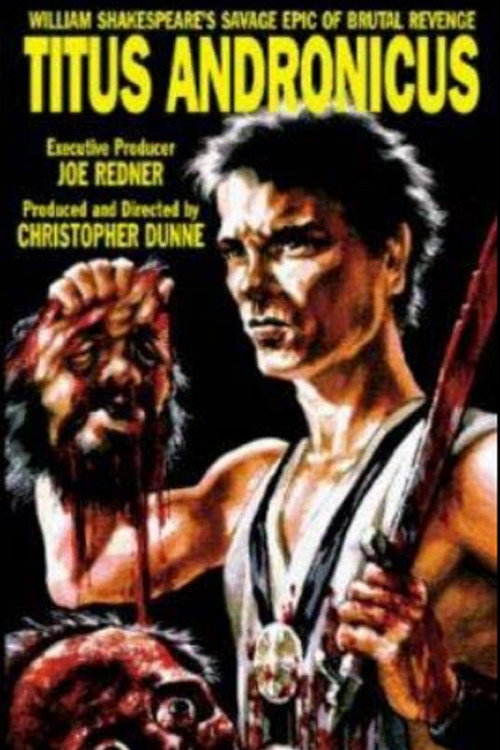
Titus Andronicus1998
Julie Taymor's operatic violence recaptures what Olivier was reaching for: Shakespeare as primal myth, not period piece. The design is stunning, the cruelty unflinching. If you love the theatrical excess of Othello, this will consume you.
But It's grotesque. The body horror is relentless, and Taymor can tip into stylization so extreme it stops meaning anything. Some audiences find it hollow—all technique, no soul.
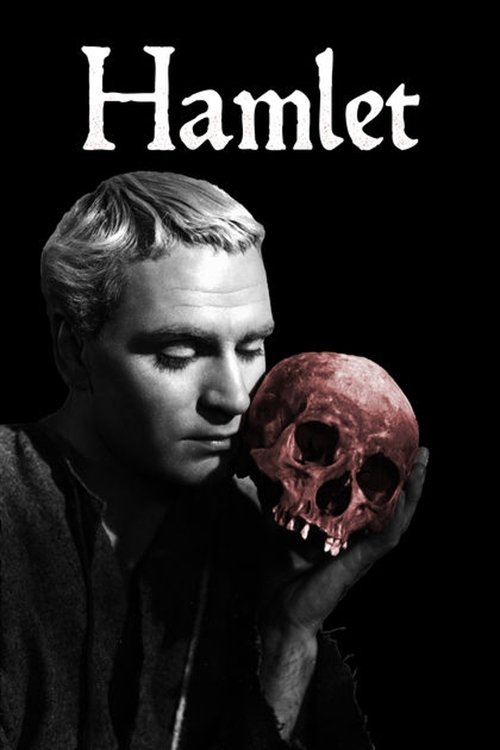
Hamlet1948
Olivier's own Hamlet is the film that made Shakespeare filmable. Black-and-white, deeply personal, visually inventive in ways that influenced everything after. See the director at his most reflective; Othello is his most passionate.
But It's heavily cut and shaped to Olivier's interpretation. Traditionalists find it reductive, and its psychological reading feels rooted in post-war therapy culture, not Renaissance tragedy.
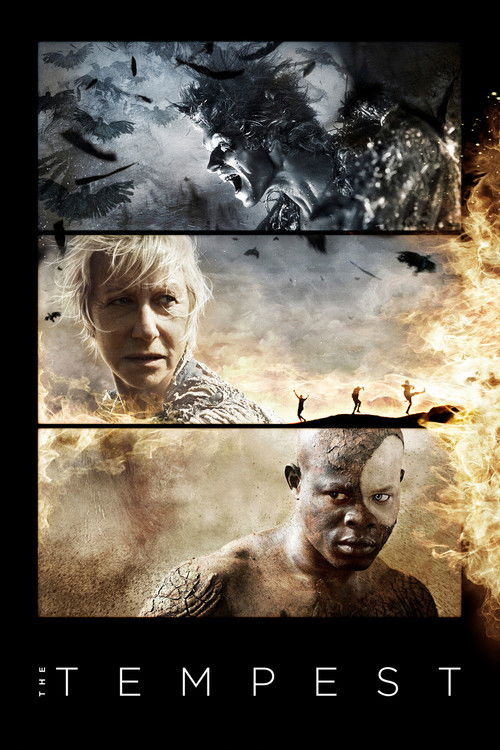
The Tempest2010
Julie Taymor again, working with Shakespeare's other great examination of manipulation and power. If Iago unmakes Othello, Prospero attempts to remake everyone around him. The film is visually sumptuous; the ideas cut deep.
But It's overlong and sometimes indulgent. Helen Helen McCrory's Miranda can feel sidelined, and the magic can seem more interested in spectacle than in what the story means.
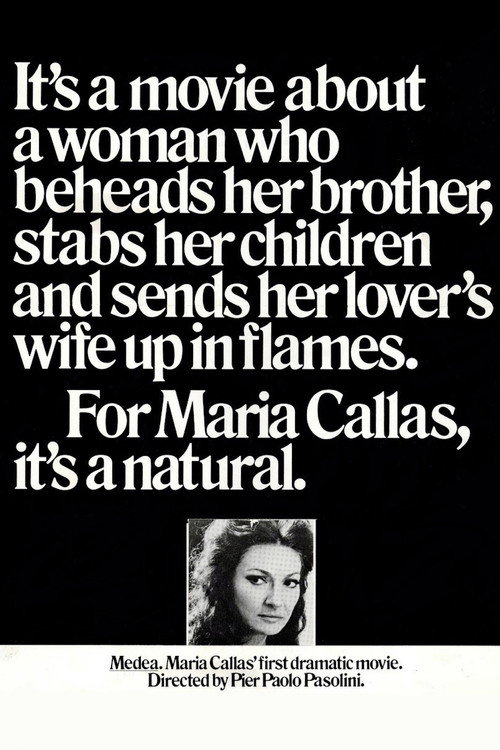
Medea1969
Pasolini's Medea is operatic tragedy stripped of comfort. Like Othello, it's about a woman unmade by cultural displacement and a man's certainty that he understands her. Callas sings and suffers; it's almost unbearable.
But It's grueling, archaic, and filmed in stark colors that distance you from the action. Pasolini trusts his audience to bring nothing but attention, and that's exhausting.
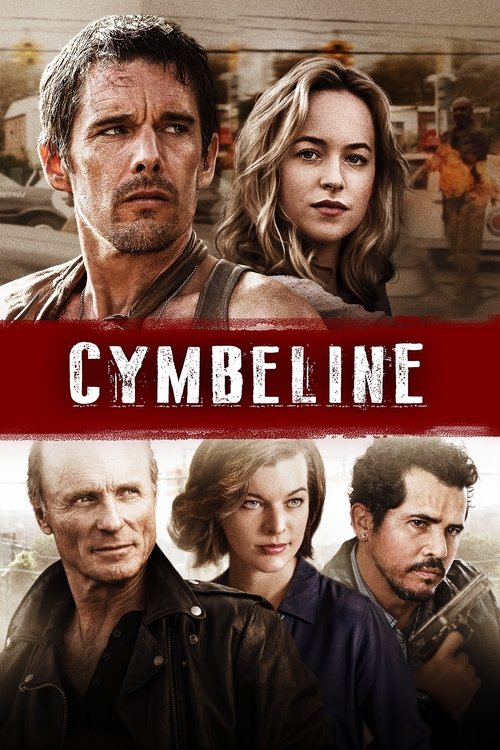
Cymbeline2014
Without spoiling, Cymbeline is another play about trust destroyed by poisonous suggestion. This BBC production is lean and tense, with none of the distractions of period spectacle. The performances cut straight to the nerve.
But It's a minor Shakespeare—the plot is baroque, the resolution feels imposed. Compared to Othello's focused devastation, it can feel scattered and contrived.
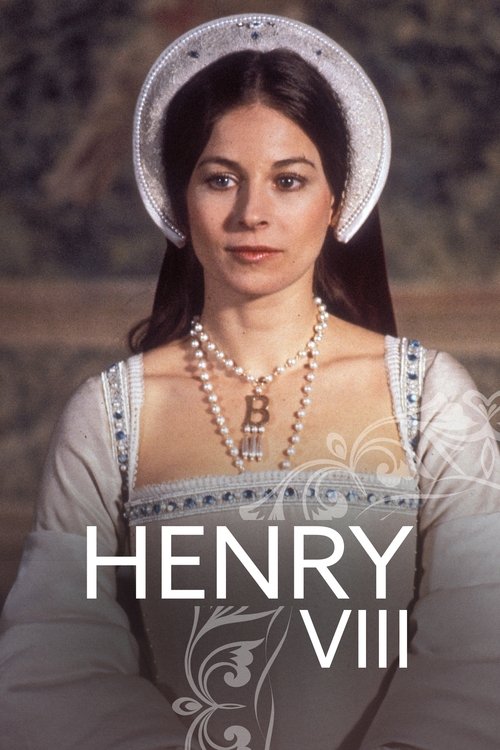
Henry VIII1979
A BBC Shakespeare that explores power, paranoia, and the collapse of institutions. Like Othello, it's about how a single person's conviction can destroy everyone around them. Deliberately theatrical, often funny, surprisingly political.
But It's stagy in a television way that hasn't aged well. The Henry VIII story is less psychologically complex than Othello—more pageantry, less inwardness.
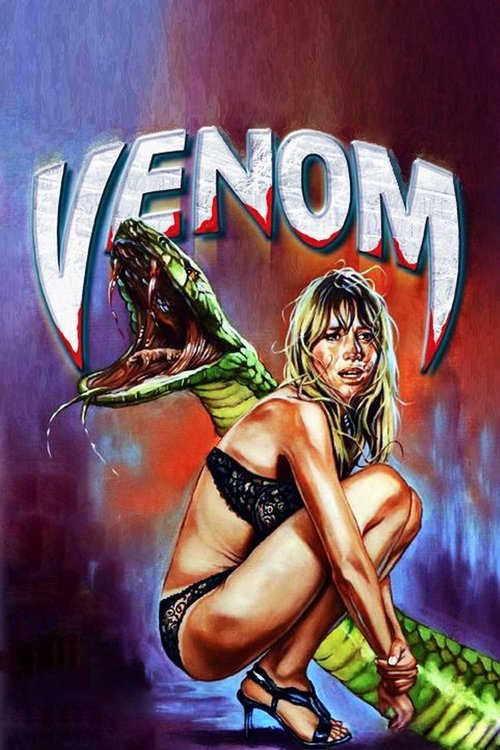
Venom1981
Othello is a tragedy that works because the characters are trapped—by custom, by proximity, by their own limitations. Venom is literally a siege narrative where information is withheld and fear drives wedges. The mechanism is identical; the stakes are just lower and weirder.
A B-movie creature feature that structurally mirrors Othello: a group trapped together, one invisible threat, paranoia and accusation spiraling until trust collapses. Klaus Kinski is electric, the pacing is relentless, and it's absurdly entertaining—high-stakes drama rendered in B-horror register.
But It's pulp. The dialogue is sometimes clunky, the logic not always airtight, and the 1980s production values are obvious. If you need seriousness of intent, you won't find it here.
Sans Soleil1983
Iago's power lies in his ability to make Othello see what he believes is there rather than what is. Marker's film questions whether any of us ever see anything else—whether meaning is found or projected. Both are about the terror of doubt.
Chris Marker's essay-film is nothing like Othello, but it's obsessed with the same question: how do we know what we know? How much is interpretation, memory, projection? Visually hypnotic, structurally daring, it's Shakespeare's problem of consciousness as avant-garde meditation.
But It has no plot, no characters, no conventional emotional arc. The narration is abstract, the images associative, and if you're used to narrative cinema, you'll find it baffling or precious.

People
Cast
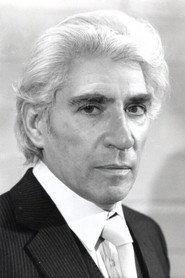 Frank FinlayIago
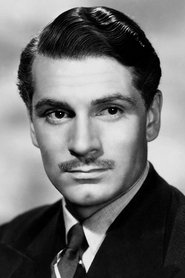 Laurence OlivierOthello
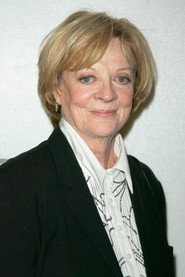 Maggie SmithDesdemona
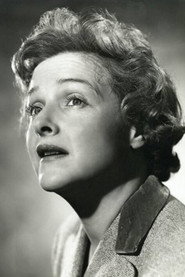 Joyce RedmanEmilia
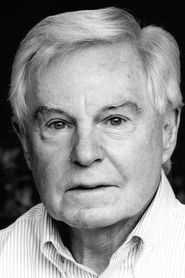 Derek JacobiCassio
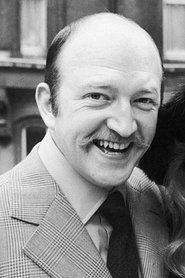 Robert LangRoderigo
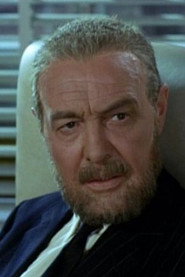 Anthony NichollsBrabantio
- Kenneth MacKintoshLodovico
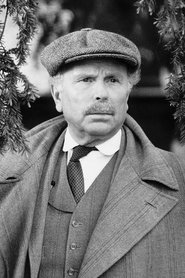 Edward HardwickeMontano
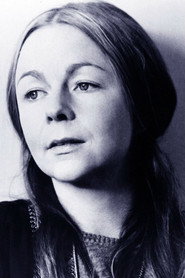 Sheila ReidBianca
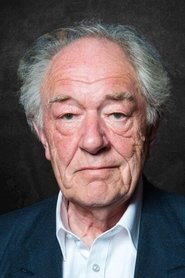
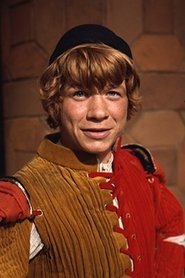 Roy HolderClown
Directing
- Stuart BurgeDirector
Writing
- William ShakespeareTheatre Play