
Film
Othello
Other titles called Othello: the 1951 film, the 1965 film, the 1981 film.
- Drama
- Very dark
Branagh's 1995 *Othello* strips Shakespeare's tragedy to its poisonous core: a masterclass in manipulation and racial animus, with Fishburne's general undone by a lie whispered in his ear. It's intimate and brutal, less pageantry than paranoia. For anyone who thought Shakespeare was dusty—or who knows it is, and wants to see it break your heart anyway.
Should you watch it?
Watch it if you love Shakespeare's verse played as raw, intimate stagecraft, and you enjoy watching a clever villain work on someone else's trust like a slow poison.
Skip it if you want a breezy night in, since this is dense, unrelenting tragedy in full Shakespearean verse with almost no relief from its mounting dread.
What it asks of you: Two hours and change of dense blank verse, performed at a steady simmer, with long stretches of talk where attention must stay on who is whispering to whom.
Not sure? Find tonight's pick in a minute.
If you liked this
In the Mood for Love2000
Wong Kar-wai's film about two neighbours who discover their spouses are having an affair. Like *Othello*, it's about suspicion and unspoken feeling creating more damage than action ever could.
But Gorgeously oblique and dreamlike; plot is almost secondary to atmosphere and colour. Some find it frustratingly abstract.

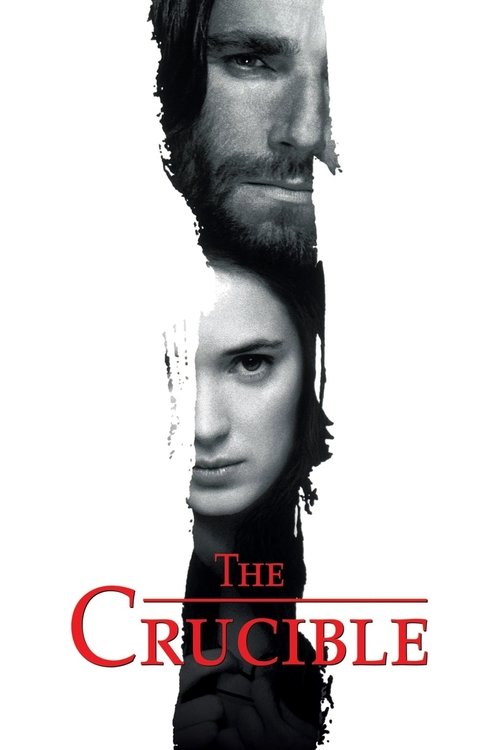
The Crucible1996
Miller's witch trials allegory, here with Daniel Day-Lewis. Another story about how accusation and fear can destroy a community faster than truth ever could.
But Bleak and heavy-handed at moments. The parallel to McCarthyism can feel a bit obvious.
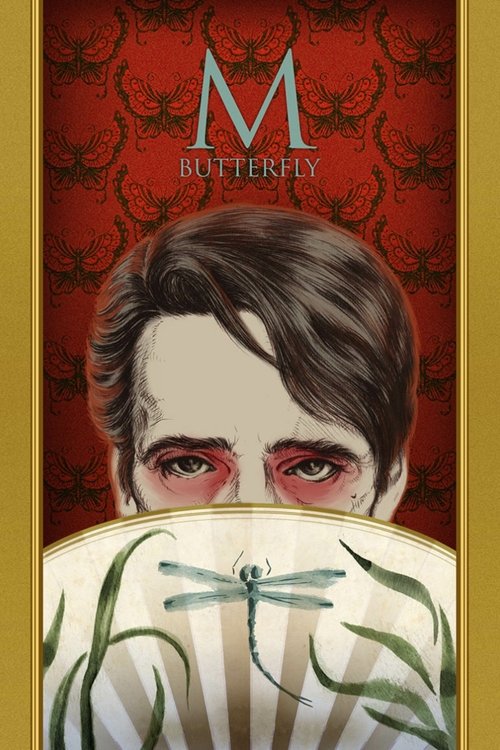
M. Butterfly1993
Another tale of manipulation through sexual and racial desire. Irons and Hwang explore how we project onto others and mistake fantasy for truth, just as Othello does.
But Slippery moral ground throughout; some viewers find it frustrating rather than illuminating.
Not sure tonight? Get a pick in a minute, starting from Othello
The wildcard
Something you would not have found on your own.
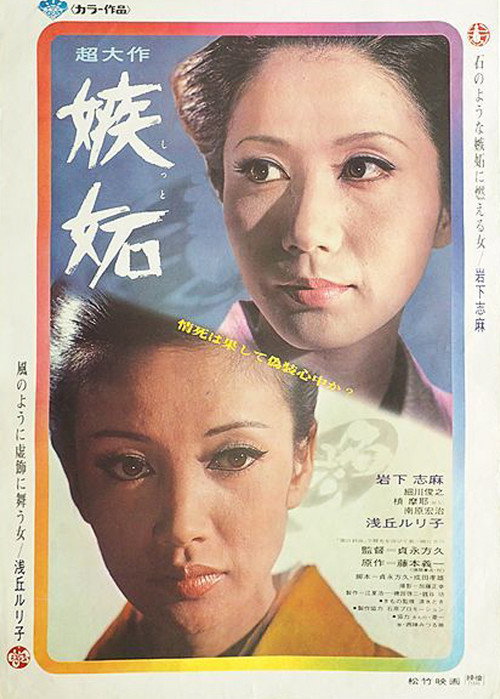
Jealousy1971
Both are about how belief—once planted—becomes indistinguishable from truth, and how a jealous mind manufactures its own evidence.
A New Wave formal experiment by Claude Chabrol about a man obsessed with his wife's infidelity—but told through fragmented, contradictory perspectives that make you unsure what's real. The same poison Iago administers, but examined as pure cinema rather than plot.
But Deliberately obscure and anti-narrative. Watching it requires active participation; it will not comfort you with clarity.
More like this (6)
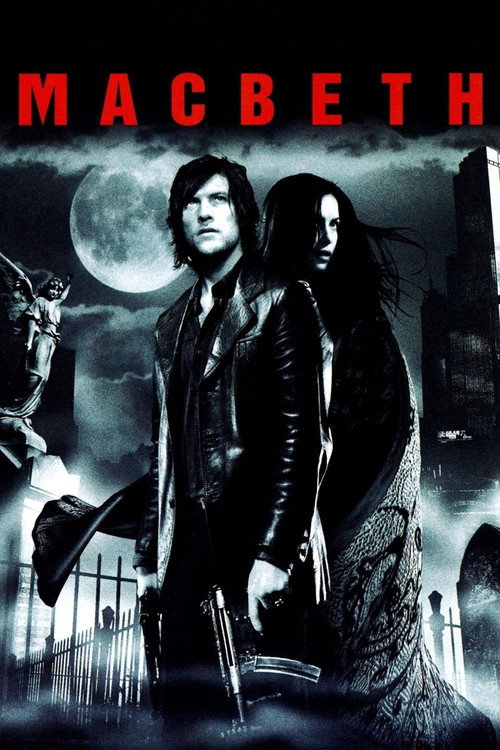
Macbeth2006
Polanski's adaptation captures the same paranoia and spiral into darkness. A general undone by ambition and whispered suggestions, watching his certainty corrode.
But Relentless grimness. There is almost no light in it, which some experience as numbing rather than tragic.
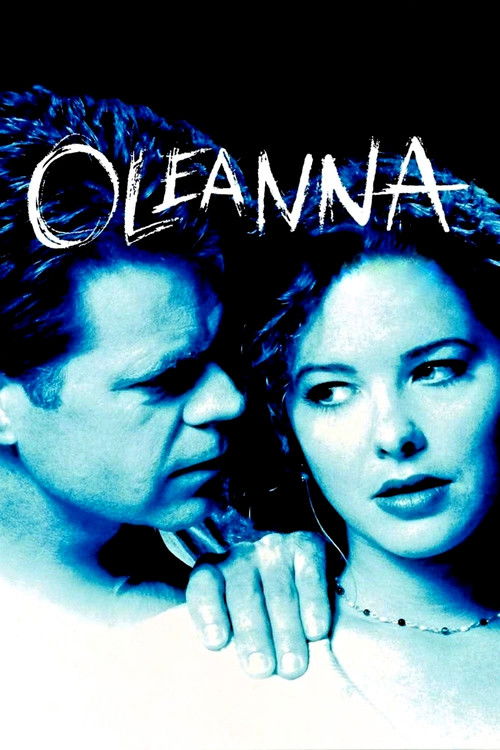
Oleanna1994
Mamet's two-hander about a professor and student, misunderstanding compounding into accusation. Othello-like in how quickly trust collapses under pressure and assumption.
But Deliberately provocative about consent and power in ways that derail some viewers before they engage with the actual drama.
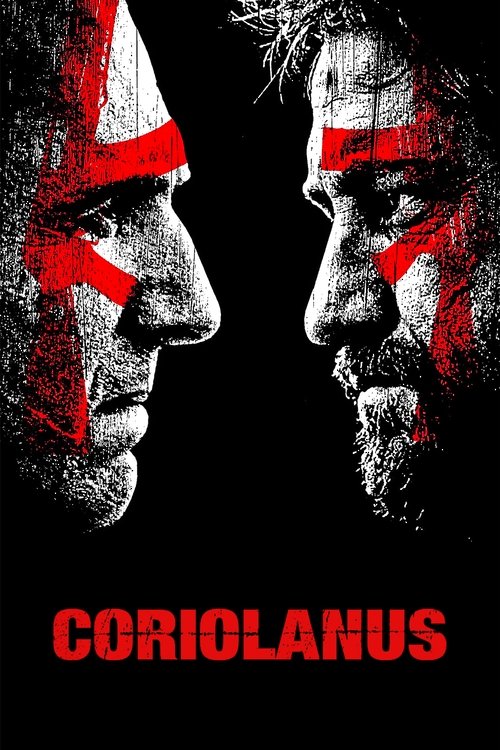
Coriolanus2011
Ralph Fiennes directs and stars in this update to modern-day Rome. A man of action destroyed by political machinery and his own inability to dissemble. Similar tragic inevitability.
But Very male-centric and martial. The political intrigue can feel distant if that's not your thing.
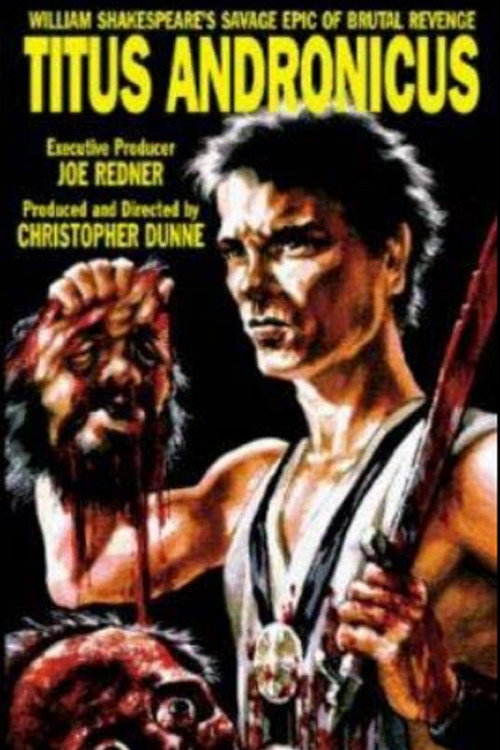
Titus Andronicus1998
Taymor's baroque version of Shakespeare's goriest play. If you want to feel the raw power of Shakespeare filtered through pure visual invention, this delivers.
But Genuinely difficult to watch—the violence is unflinching and stylized in equal measure. Not for the squeamish or those wanting subtlety.
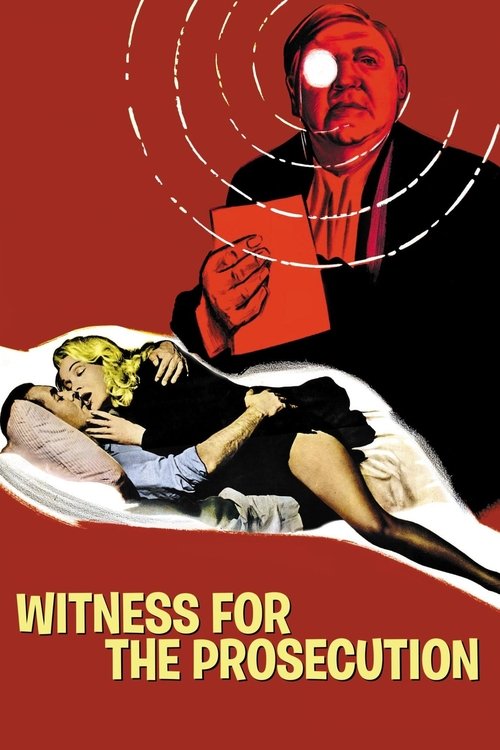
Witness for the Prosecution1957
Both deploy deception as the central mechanism: in *Othello* it's interpersonal betrayal; here it's the architecture of the courtroom itself. Same engine, different costume.
Wilder's courtroom masterpiece where testimony itself becomes the weapon. Like *Othello*, it's a story about who we believe and why, and what happens when the rug is pulled.
But Hinges entirely on a twist that, once spoiled, removes most of the reason to revisit it. Also a very different mood—clever and crisp rather than tragic.
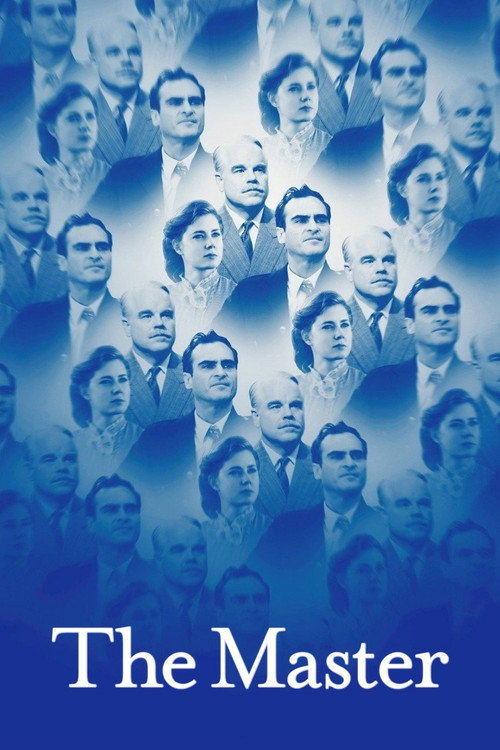
The Master2012
Both explore how proximity to a powerful personality can colonize your thinking entirely. Othello and Iago's intimacy—the closeness that makes the betrayal possible—is the whole subject here.
Anderson's film about a charismatic leader and his susceptible follower. Joaquin Phoenix as someone desperate to be told what to believe, Philip Seymour Hoffman as the man who feeds that hunger. Manipulative power rendered in closeup and gesture.
But Abstract and challenging; the film withholds conventional narrative satisfaction. Some experience it as indulgent rather than profound.
People
Cast
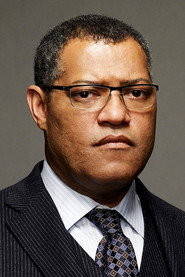 Laurence FishburneOthello
 Irène JacobDesdemona
 Kenneth BranaghIago
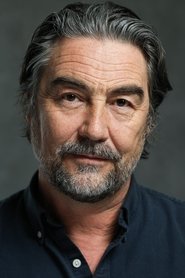 Nathaniel ParkerCassio
 Michael MaloneyRoderigo
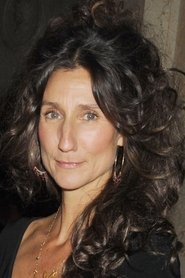 Anna PatrickEmilia
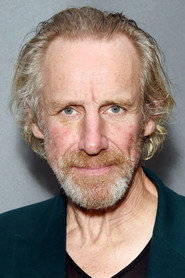 Nicholas FarrellMontano
 Indra OvéBianca
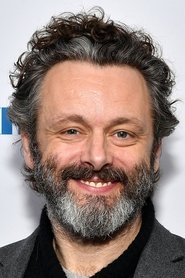 Michael SheenLodovico
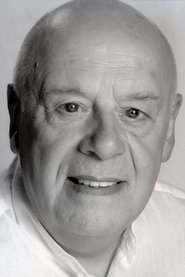 John Savident2nd Senator
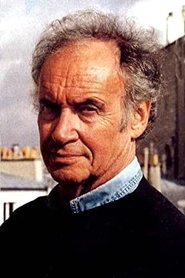 André OumanskyGratiano (as Andre Oumansky)
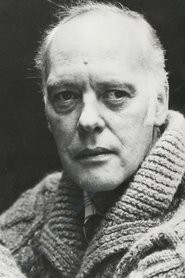 Philip Locke1st Senator
Directing
- Oliver ParkerDirector
- Sara DesmondThird Assistant Director
Writing
- Oliver ParkerScreenplay
- William ShakespeareTheatre Play
Recommended by
Hamlet, Othello, The Merchant of Venice, Otello, Measure for Measure