
Film
Hamlet
Other titles called Hamlet: the 1948 film, the 1996 film.
Mel Gibson's Hamlet is a visceral, physically energetic take on Shakespeare's revenge tragedy. Gibson plays the prince with coiled rage rather than philosophical melancholy, making this feel like a man being eaten alive from within. It's darkly beautiful, occasionally overwrought, and absolutely committed to treating the material as human drama rather than period pageantry.
Should you watch it?
Watch it if you love Shakespeare's verse and want it delivered plainly by a leading man who turns the prince's jokes and rage into one restless person.
Skip it if you want a lean, modern pace or a version that updates the setting, since this stays period-bound, stately and faithful to the text's long speeches.
What it asks of you: It asks for a sustained two hours and ten minutes of close attention to language, with long soliloquies that slow the middle and reward patience more than momentum.
Not sure? Find tonight's pick in a minute.
If you liked this
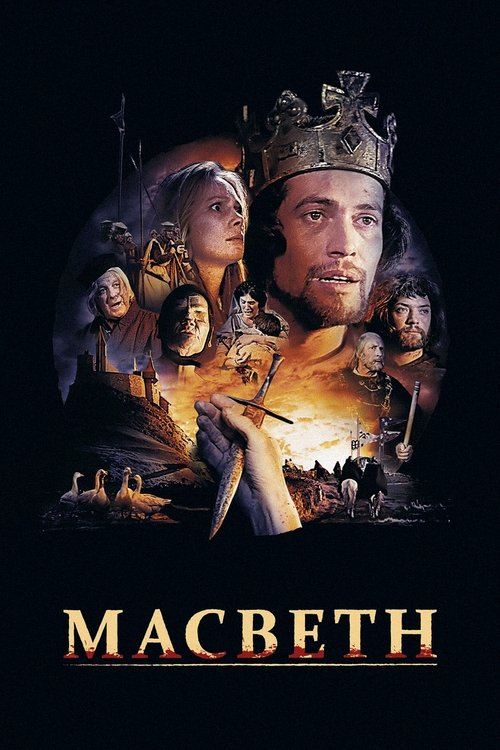
Macbeth1971
Roman Polanski's brutal, stripped-down adaptation treats Shakespeare like a psychological thriller about ambition and paranoia. It's visceral and immediate in ways that match Gibson's kinetic energy, and shows how great acting can unlock the play's modernity.
But The violence is relentless and the film's bleakness can feel oppressive. It's not interested in the language's music, only its meaning.
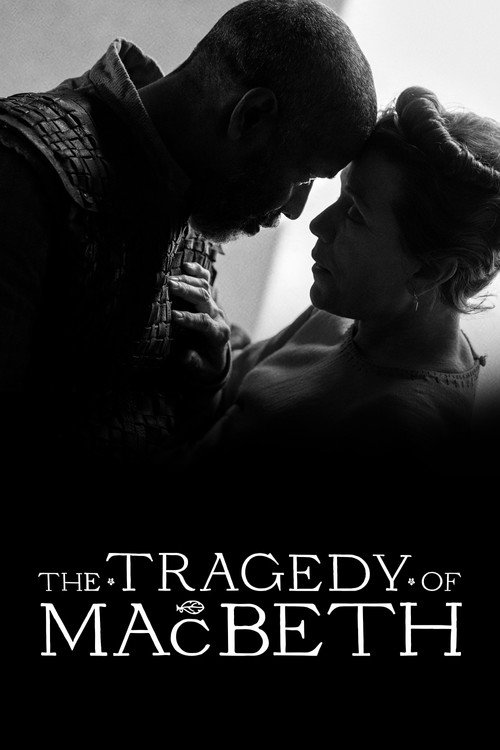
The Tragedy of Macbeth2021
Joel Coen's black-and-white chamber piece finds darkness and desperation in every frame. Like Gibson's Hamlet, it trusts that Shakespeare's plots work because they're about real human rot, not just noble suffering.
But Methodical and austere to the point of coldness. Some find it airless; others call that the whole point.
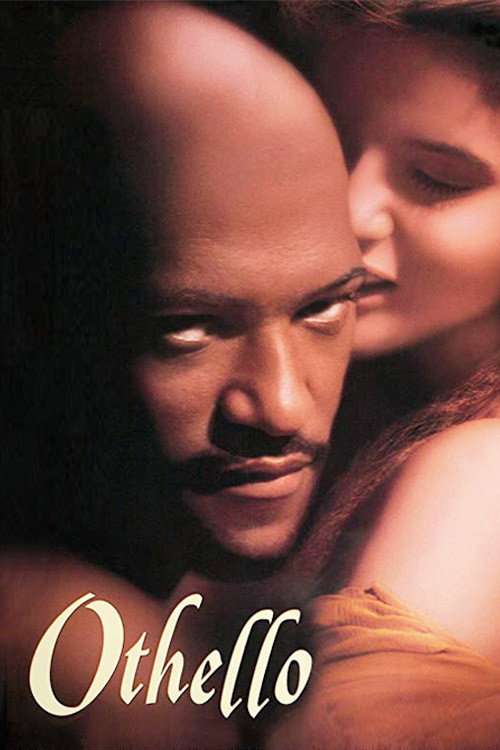
Othello1995
Oliver Parker's version, with Laurence Fishburne and James Earl Jones, treats the play as a tragedy of toxic masculinity and racial paranoia. It has the same emotional violence as Gibson's Hamlet—characters destroying each other because they can't look inward.
But Some scenes feel overwrought. The film occasionally mistakes intensity for depth.
Not sure tonight? Get a pick in a minute, starting from Hamlet
The wildcard
Something you would not have found on your own.
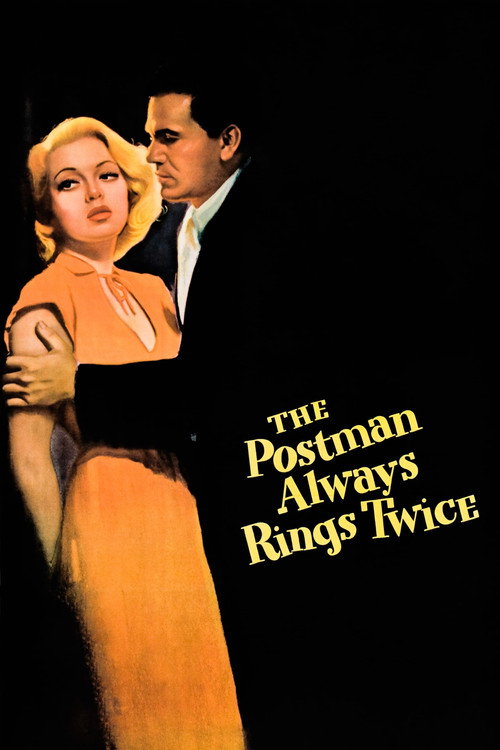
The Postman Always Rings Twice1946
Both are about the specific way guilt and desire can paralyze a person into self-destruction. The language changes, but the trap is identical.
A 1940s noir about murderous lust and betrayal that uses the exact same emotional skeleton as Hamlet: two people corrupt each other, the plan spirals, everyone dies, and you understand exactly why they couldn't stop themselves. It proves the tragedy works outside verse entirely.
But It's black and white, made when Hollywood still had real restrictions on what could be shown. Some find it slow; others find that slowness is where the tension lives.
More like this (8)
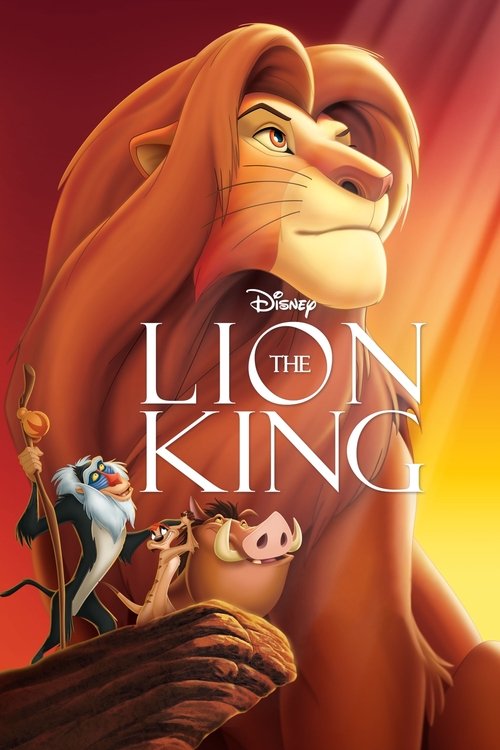
The Lion King1994
An explicit retelling of Hamlet's DNA—the murdered father, the usurping uncle, the avenger prince—transformed into an animated fable. It proves the emotional skeleton of the play works anywhere because it's about grief and duty and rage.
But It simplifies Shakespeare into mythology. Also, if you hate Disney, this won't change your mind.
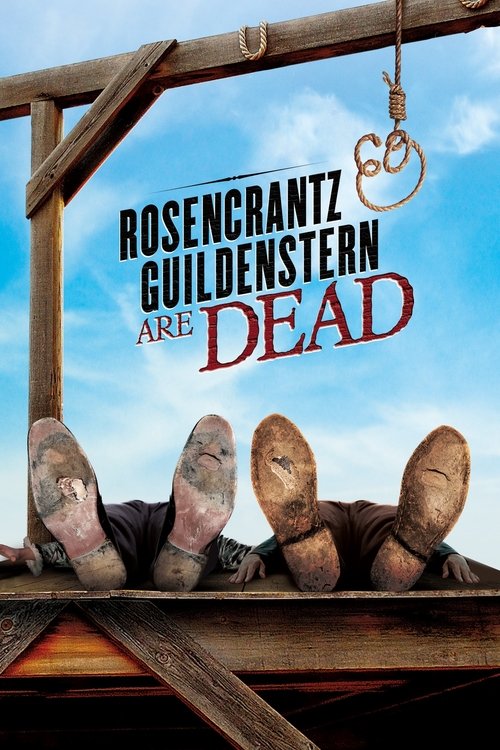
Rosencrantz & Guildenstern Are Dead1991
Tom Stoppard's film, released the same year as Gibson's Hamlet, follows the bit players caught in the edges of the same story. It's a brilliant companion piece—funny, melancholic, and it shows how differently you can tell the same tale.
But It's talky and philosophical in ways that actively work against momentum. Not for anyone who wants pure drama.
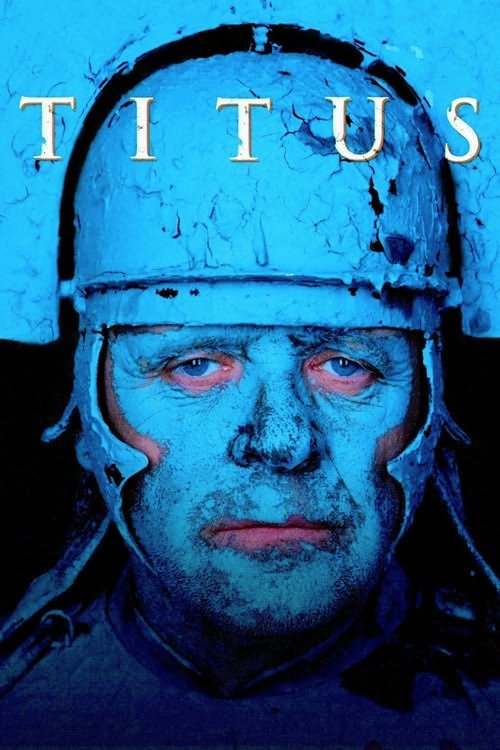
Titus1999
Julie Taymor's Titus Andronicus is grotesquely operatic, soaked in blood and artifice. If you responded to the raw emotional turbulence of Gibson's Hamlet, this shows Shakespeare's violence elevated into something almost mythical.
But It's deliberately ugly and shocking. The gore is not incidental; it's the whole argument. Easy to find exploitative rather than cathartic.
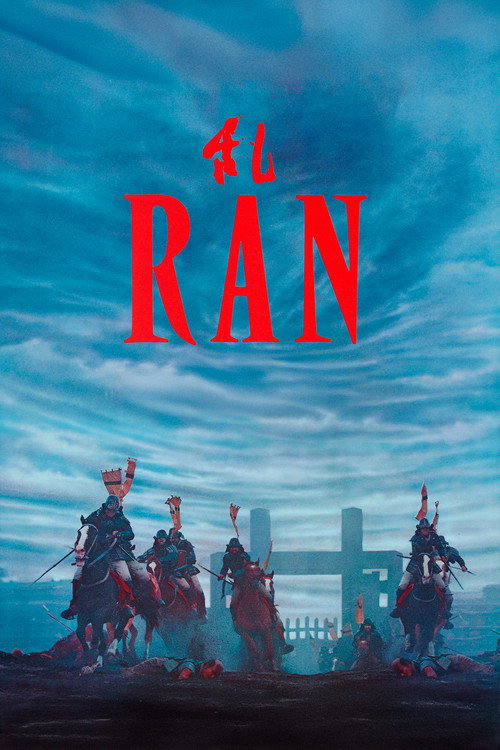
Ran1985
Kurosawa's King Lear is a masterpiece about aging, betrayal, and the violence that erupts from family ambition. It shares Hamlet's preoccupation with how quickly power corrupts and how little mercy the world offers the vulnerable.
But Nearly three and a half hours, mostly landscape and silence. It demands patience that modern viewers often don't have.
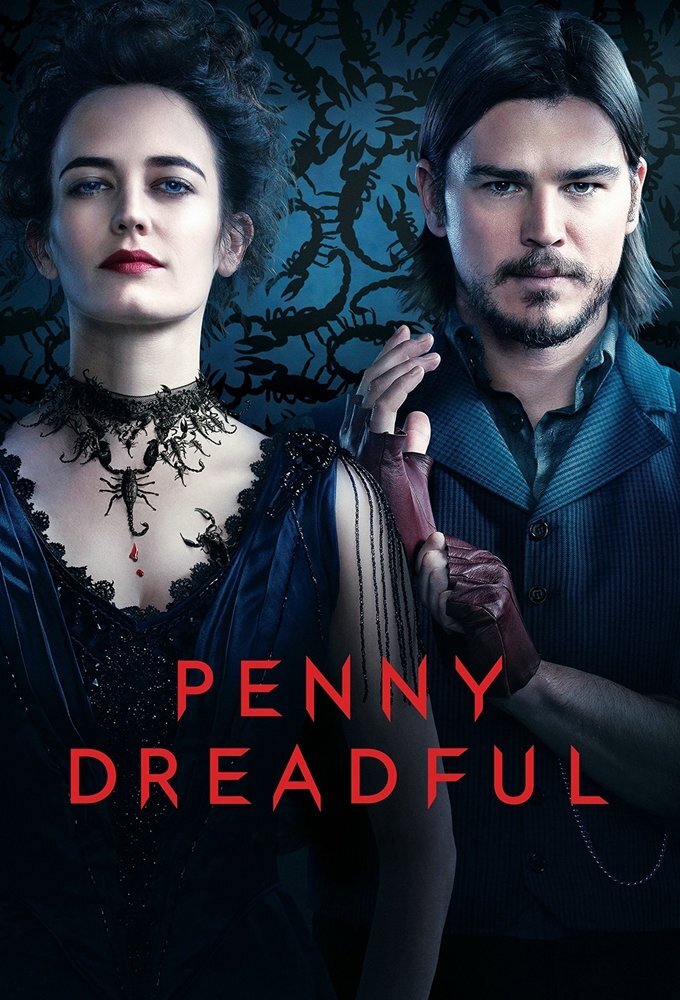
Penny Dreadful2014
John Logan's series treats Gothic literature—Dracula, Frankenstein, Jekyll and Hyde—with the same commitment to psychological depth and moral darkness that Gibson brings to Hamlet. It's operatic, violent, and genuinely strange.
But It's sometimes too in love with its own style. Meandering plots in the second season test even devoted viewers' patience.
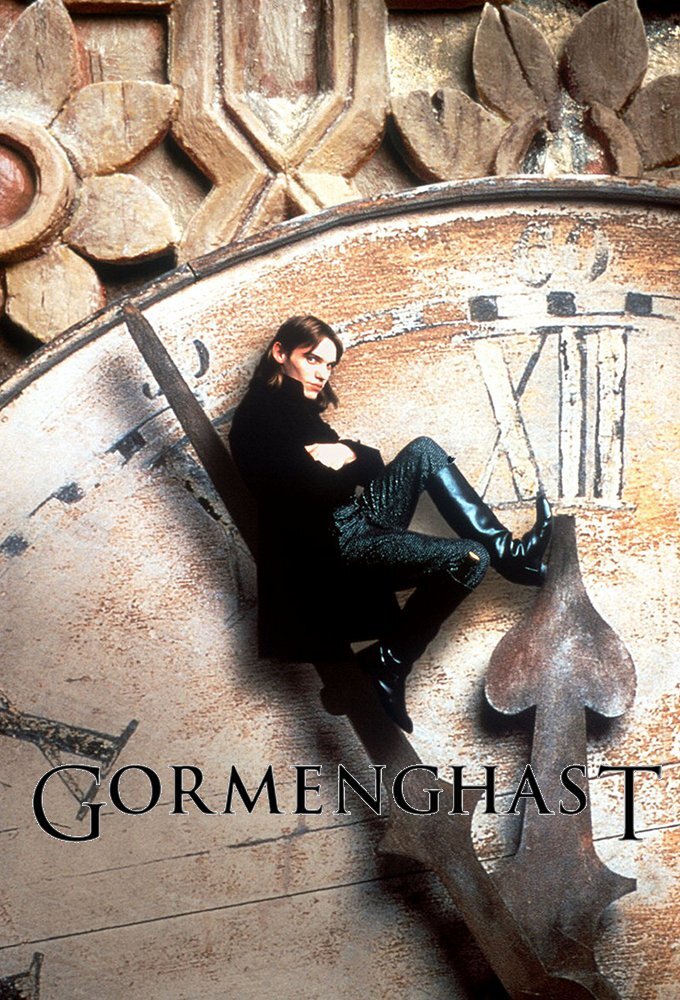
Gormenghast2000
This BBC adaptation of Mervyn Peake's novel shares Hamlet's interest in atmosphere, decay, and a protagonist trapped by duty in a claustrophobic world of ritual. It's baroque and slow-burn rather than immediately gripping.
But The pacing is glacial and the production values are BBC—limited locations, sparse effects. It requires a very particular mood from the viewer.
Synecdoche, New York2008
Both feature a protagonist paralyzed by the need to perform, watching their life collapse while they obsess over staging the perfect confrontation. Neither character can see the real thing.
Charlie Kaufman's film is a fever dream about a theatre director creating an increasingly elaborate play inside a warehouse. It sounds nothing like Hamlet until you realize it's about the exact same thing: a man becoming lost in performance, unable to distinguish his revenge fantasy from reality.
But Intentionally confusing, structurally chaotic, and it actively resists emotional clarity. Some people find it brilliant; others find it self-indulgent and impenetrable.

Stalker1979
Both explore what happens when a person is given the chance to act on their deepest desire—and what the cost of that action might be. Both trust silence and stillness more than drama.
Andrei Tarkovsky's three-hour meditation on desire, doubt, and the unknowable is glacially slow, hypnotic, and about a man leading others into a mysterious zone where they might find what they think they want. It's Hamlet's paralysis turned into metaphysical cinema.
But Extraordinarily slow. Long takes of landscapes, minimal dialogue, no conventional plot momentum. It requires the viewer to supply emotion rather than have it delivered.

People
Cast
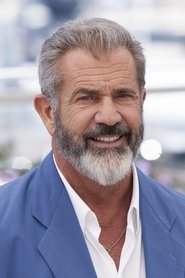 Mel GibsonHamlet
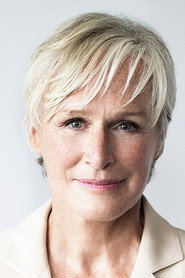 Glenn CloseGertrude
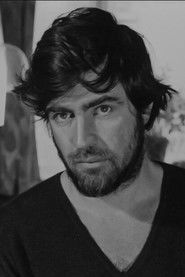 Alan BatesClaudius
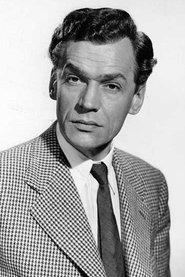 Paul ScofieldThe Ghost
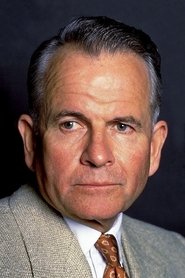 Ian HolmPolonius
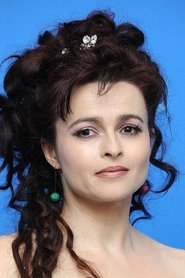 Helena Bonham CarterOphelia
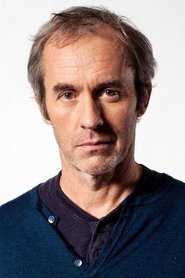 Stephen DillaneHoratio
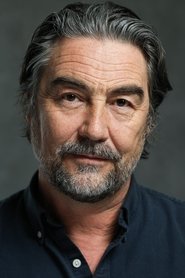 Nathaniel ParkerLaertes
- Sean MurrayGuildenstern
 Michael MaloneyRosencrantz
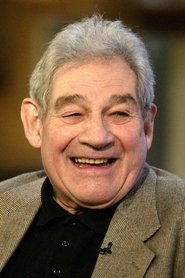 Trevor PeacockThe Gravedigger
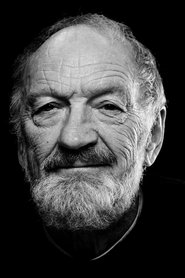 John McEneryOsric
Directing
- Franco ZeffirelliDirector
- Cliff LanningThird Assistant Director
Writing
- William ShakespeareAuthor
- Christopher De VoreScreenplay
- Franco ZeffirelliScreenplay
Production
- Joyce NettlesCasting
- Bruce DaveyExecutive Producer
- Dyson LovellProducer
Recommended by
Copenhagen, Fearless, Mirror, Othello, Branagh Theatre Live: The Winter's Tale, A Midsummer Night's Dream, The Tempest, King Lear, The Tragedy of King Lear, Othello, The Tragedy of Coriolanus