
Film
Mirror
- Period drama
- Slow-burning
Tarkovsky's 1975 masterpiece splinters memory into fragments—childhood, war, motherhood, Soviet history—all colliding in a man's final fever dream. It's cinema as pure consciousness: elliptical, deeply personal, visually hypnotic. For those willing to surrender to its logic rather than follow plot, it's transcendent. For everyone else, it's an endurance test.
Should you watch it?
Watch it if you love films that run on memory and image rather than plot, and a rain-soaked field or a half-remembered face will hold you more than any explanation.
Skip it if you need a clear through-line, since this drifts between decades and moods, and its fragments can feel scattered if you want to be carried along.
What it asks of you: A loose, unhurried shape, with sudden leaps between past and present and long stretches of silence and staring images, rewards patience more than plot-tracking.
Not sure? Find tonight's pick in a minute.
If you liked this
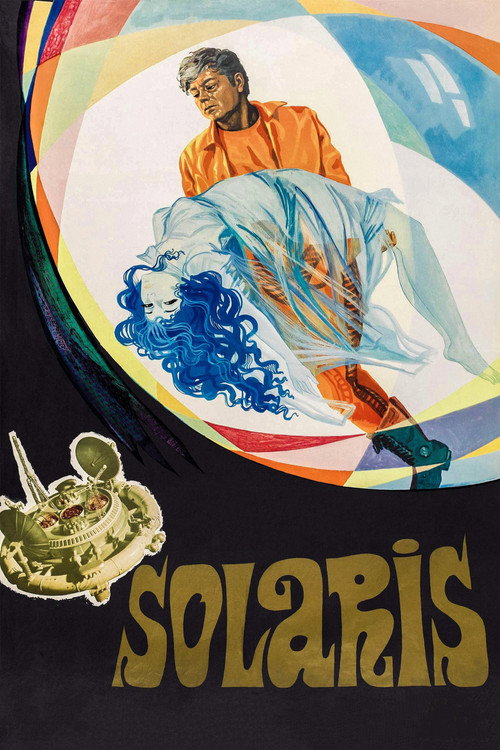
Solaris1972
Tarkovsky's meditative sci-fi epic also uses philosophical depth and visual patience to explore memory, identity, and what it means to be human. If Mirror's abstraction intrigues you, this is essential Tarkovsky with a narrative spine.
But Runs 167 minutes. Entire sequences consist of driving through Moscow and staring at the ocean. Dialogue is sparse and introspective. Not for anyone seeking conventional momentum.
Stalker1979
Another Tarkovsky film about yearning and the mysteries we chase. It's marginally more plot-driven than Mirror but equally hypnotic—a journey into a forbidden zone becomes a meditation on desire and faith.
But Takes nearly three hours to go almost nowhere. The finale is metaphysical rather than conclusive. Tarkovsky's style here is full-strength: few will find it rewarding on first viewing.

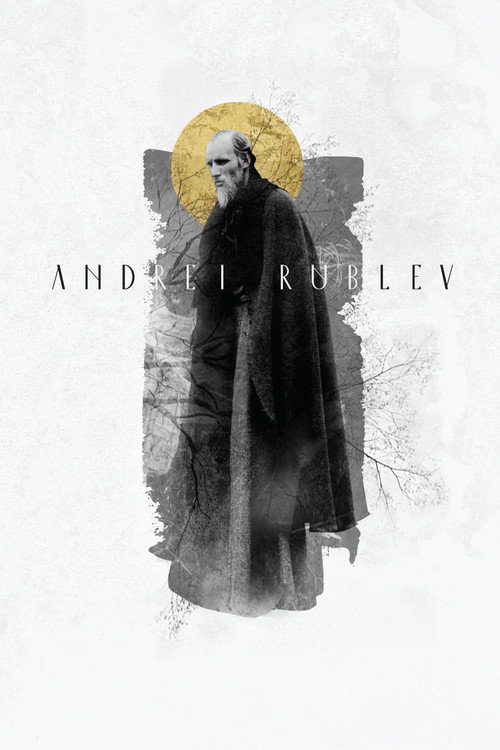
Andrei Rublev1966
An earlier Tarkovsky exploring Russian history, artistic struggle, and spiritual crisis through the life of an icon painter. Epic in scope but intimate in feeling, bridging his narrative and abstract modes.
But Three-and-a-half hours, often in black and white. Requires immersion in medieval Russian culture and theology. The pacing is glacial by design.
Not sure tonight? Get a pick in a minute, starting from Mirror
The wildcard
Something you would not have found on your own.
Tokyo Story1953
Both are about the weight of time and the inability to return to what's gone. Both achieve transcendence through stillness rather than movement. Both believe cinema should photograph silence.
Ozu's Japanese masterpiece is built from similar materials: memory, family, mortality, the texture of ordinary life. Like Mirror, it refuses climax and drama, trusting that presence and feeling are enough. A radically different culture arriving at the same artistic truth.
But Slow, domestic, and apparently plotless. Shot entirely in low angles, static camera. Every scene feels the same until you surrender to the rhythm. Very much not cinema as spectacle.

More like this (6)
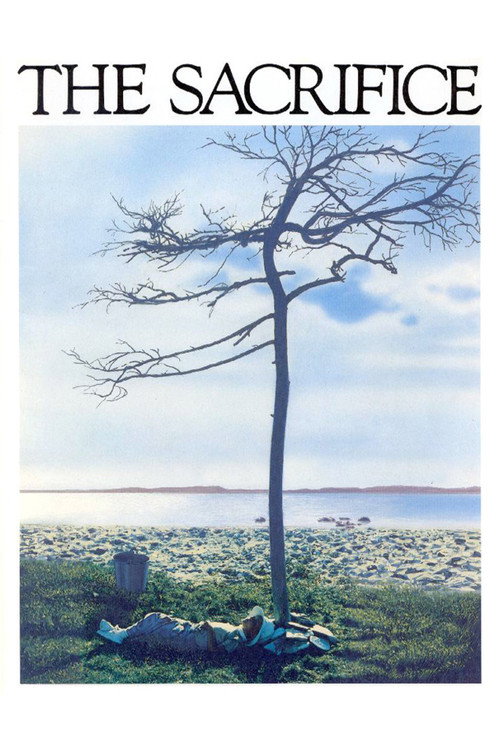
The Sacrifice1986
Tarkovsky's final film, made in exile. A man on the brink of apocalypse grapples with faith, family, and meaning. Shares Mirror's dreamlike structure and depth of feeling about mortality and memory.
But Extremely long, visually austere, and emotionally exhausting. Demands patience with repetition and philosophical abstraction. Not cathartic—actively unsettling.
Come and See1985
Elem Klimov's Soviet masterpiece about a boy's encounter with WWII's horror. Like Mirror, it weaves private trauma with historical catastrophe, but with visceral, unforgettable power.
But One of cinema's most harrowing experiences. Graphic violence, child suffering, and psychological devastation. Necessary viewing, but genuinely difficult.

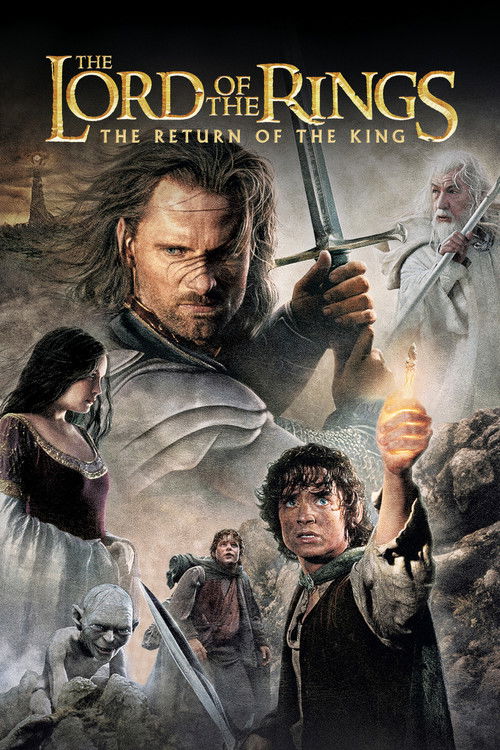
The Lord of the Rings: The Return of the King2003
Andrei Zvyagintsev's debut about a father's mysterious return and its effect on his two sons. Shares Mirror's fractured memory, Russian soul-searching, and ability to find profundity in silence and landscape.
But Slow, cryptic, and emotionally cold rather than warm. The father's motivations remain opaque. Ambiguity that some find profound, others find frustrating.
Nostalgia1983
Tarkovsky in Italy, pursuing memory, art, and longing. More accessible than Mirror while retaining his meditative power. A poet's journey becomes a hymn to loss and spiritual yearning.
But Two hours fifty minutes of a man wandering, remembering, and philosophizing. Requires surrender to mood over narrative. His most divisive film even among admirers.
The Ascent1977
Larisa Shepitko's devastating film about two Soviet partisans' final ascent. Spiritually aligned with Mirror: personal faith colliding with historical horror, shot with stark, haunting beauty.
But Brief but intensely bleak. Ends in execution. Deeply Christian in register, which may alienate some. Shepitko's only feature—she died shortly after.

Hamlet1990
Grigori Kozintsev's 1964 film captures the same brooding introspection as Mirror—a prince haunted by memory, mortality, and the weight of history. Deep Russian melancholy throughout.
But In Russian with subtitles, shot in stark black and white. Emphasizes psychological texture over action. Requires patience with Shakespearean language adapted for film.
People
Cast
 Margarita TerekhovaNatalya / Maroussia - the Mother
 Ignat DaniltsevIgnat / Alexei - 12 Years Old
- Larisa TarkovskayaNadezha
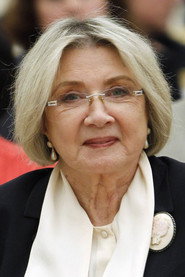 Alla DemidovaLisa
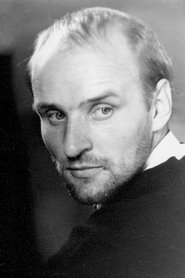 Anatoliy SolonitsynForensic Doctor
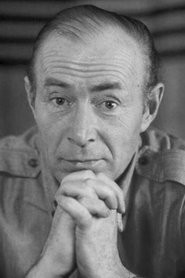 Mykola HrynkoPrintery Director
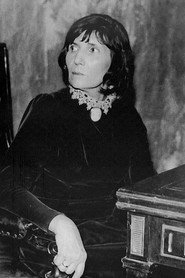 Tamara OgorodnikovaNanny / Neighbour / Strange Woman at Tea Table
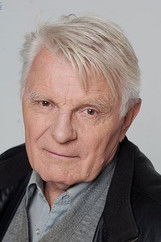 Yuriy NazarovRifle Shooting Instructor
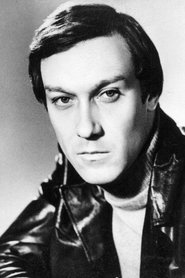 Oleg YankovskiyThe Father
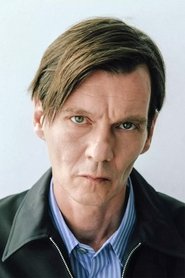 Filipp YankovskyAleksei - 5 Years Old
 Tatyana ReshetnikovaProofreader in Printing House
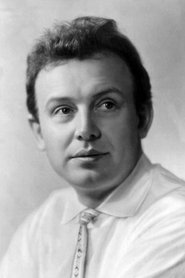 Innokentiy SmoktunovskiyNarrator - The Author's Words (voice)
Directing
- Yuriy KushneryovAssistant Director
- Andrei TarkovskyDirector
- Larisa TarkovskayaFirst Assistant Director
- Mariya ChugunovaFirst Assistant Director
- Valeriy KharchenkoFirst Assistant Director
Writing
- L. LazarevScript Editor
- Ninel BoyarovaScript Editor
- Aleksandr MisharinWriter
- Andrei TarkovskyWriter
Production
- Erik WaisbergExecutive Producer
Recommended by
Red Desert, The Color of Pomegranates, The Childhood of Maxim Gorky, The Last Bolshevik