
Film
The Last Bolshevik
A portrait of Soviet filmmaker Aleksandr Medvedkin and his lost masterpiece *Happiness*, woven through decades of Russian upheaval. *The Last Bolshevik* moves between archive footage, interviews, and the search for a man and film nearly erased by history. It's a meditation on art's fragility, ideological betrayal, and what survives.
Should you watch it?
Watch it if you love documentaries that treat a forgotten filmmaker as a window onto an entire century, and you enjoy archive footage stitched together with the patient, digressive curiosity of someone chasing a lost reel.
Skip it if you want a tidy, fast-moving history with clear chapters; this one lingers, circles back, and leans on talking heads reflecting on old films more than on sweeping narration.
What it asks of you: Two hours of unhurried viewing, with long stretches of archive material and interview voices rather than a steady drive of events. Expect to sit still and follow the threads yourself.
Not sure? Find tonight's pick in a minute.
If you liked this
Stalker1979
Tarkovsky's metaphysical sci-fi about desire and meaning in a Soviet context. If you're drawn to Medvedkin's struggle with ideology and cinema, this is essential — a Russian master grappling with the same contradictions.
But Moves at a glacial pace. Long, hypnotic, asks patience most viewers won't give. It's not entertainment; it's endurance.

Come and See1985
Elem Klimov's devastating account of a Soviet boy in WWII. Raw, unflinching, and historically urgent in ways that echo Medvedkin's rage at what the revolution became. Cinema as moral witness.
But Genuinely traumatic. Among the hardest war films ever made. The suffering is not softened or aestheticized — it's blunt.

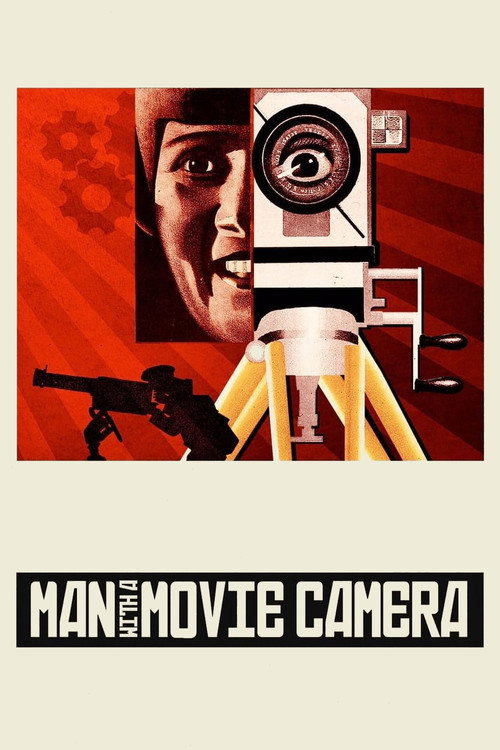
Man with a Movie Camera1929
Dziga Vertov's revolutionary essay on cinema itself, Soviet society, and the power of editing. A direct predecessor to Medvedkin's project: cinema as documentary truth and artistic statement fused.
But Silent, experimental, almost abstract. No narrative to follow, just formal audacity. Demands active viewing, not passive watching.
Not sure tonight? Get a pick in a minute, starting from The Last Bolshevik
The wildcard
Something you would not have found on your own.
Meshes of the Afternoon1943
Both are artists obsessed with cinema's capacity to reveal truth that language cannot. Both were marginalized by institutions. Both used formal innovation not for style but for meaning.
Maya Deren's 14-minute avant-garde film about desire and repetition. On its face nothing to do with Soviet cinema, but it asks the same question: how does cinema represent consciousness and contradiction? It's cinema as pure artistic interrogation.
But Barely over a quarter-hour and deliberately hermetic. No plot. Demands you surrender to abstraction. Feels like homework to viewers expecting narrative.

More like this (8)
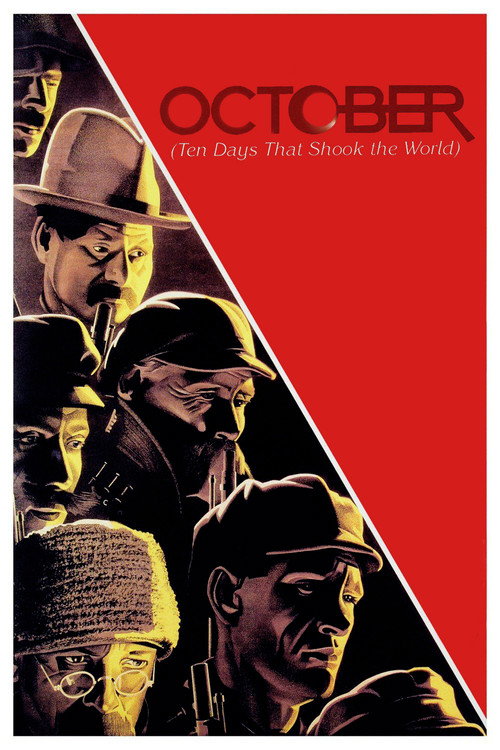
October (Ten Days that Shook the World)1928
Eisenstein's montage-driven account of the revolution itself. The cinematic language of Soviet idealism at its peak — the thing Medvedkin believed in before disillusionment set in.
But Propagandistic, dense with montage theory, historically distant. The revolutionary fervor can feel alien or exhausting to modern eyes.
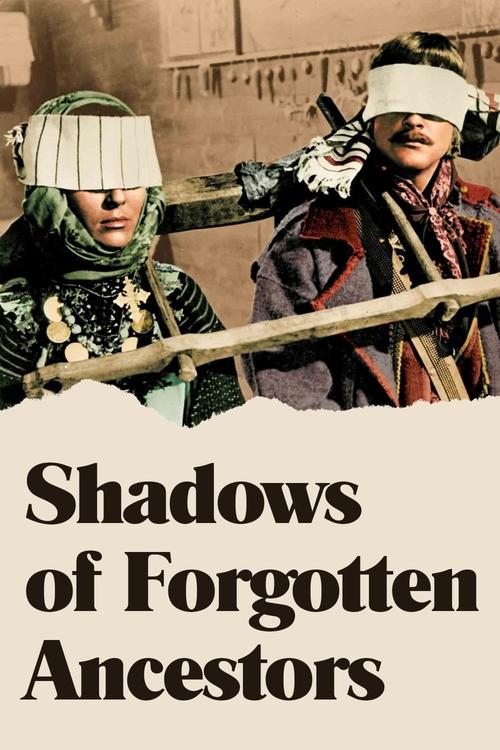
Shadows of Forgotten Ancestors1965
Sergei Parajanov's hallucinatory meditation on Soviet culture, history, and loss. Visually baroque and emotionally excavating — captures the yearning for meaning that animates *The Last Bolshevik*.
But Deliberately obscure and dreamlike. Plot matters less than mood. Some will find it precious; others will feel lost.
Battleship Potemkin1925
Another Eisenstein masterpiece and Soviet cinema's most influential work. Essential viewing to understand the revolutionary moment Medvedkin inherited and the artistic ambitions he inherited with it.
But Silent and formal. The politics are earnest in ways that can feel dated. The Odessa Steps sequence overshadows the rest in memory.

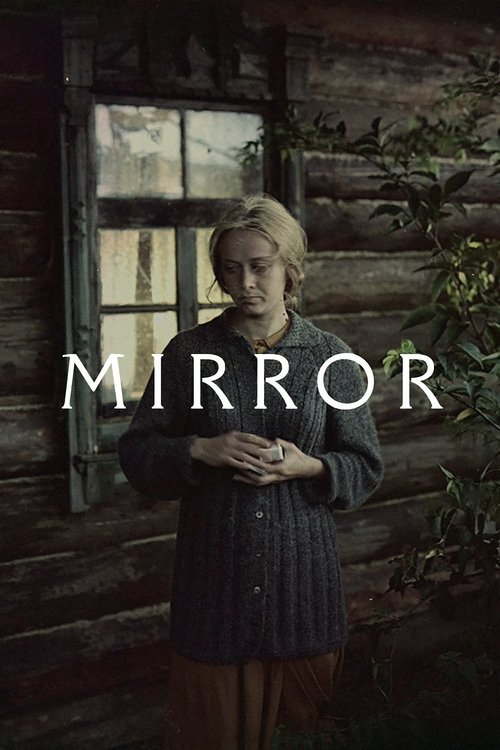
Mirror1975
Tarkovsky's fragmented autobiographical film moves between personal memory, Soviet history, and cinema itself. Echoes the documentary's own layering of past, politics, and individual fate.
But Deliberately opaque and non-linear. Tarkovsky assumes you'll surrender to mood rather than meaning. Baffles as many as it moves.
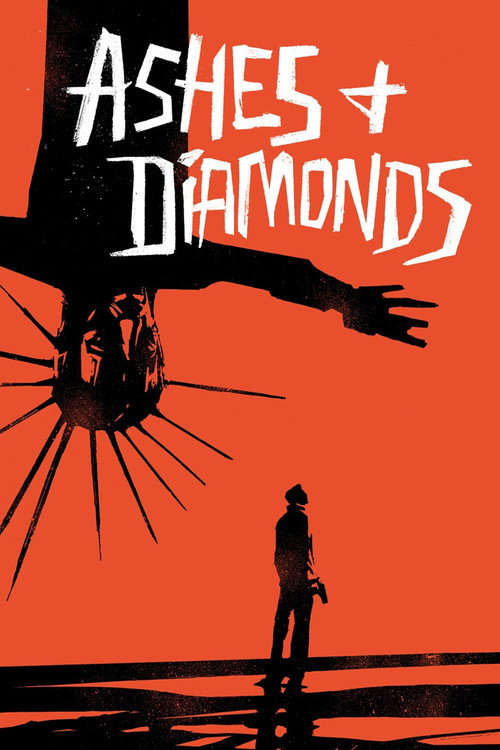
Ashes and Diamonds1958
Andrzej Wajda's Polish drama about ideology colliding with individual desire after WWII. Shares with Medvedkin a fascination with how history crushes artists caught between competing truths.
But A period piece about mid-century Eastern European politics. The stakes feel remote unless you're invested in that history.
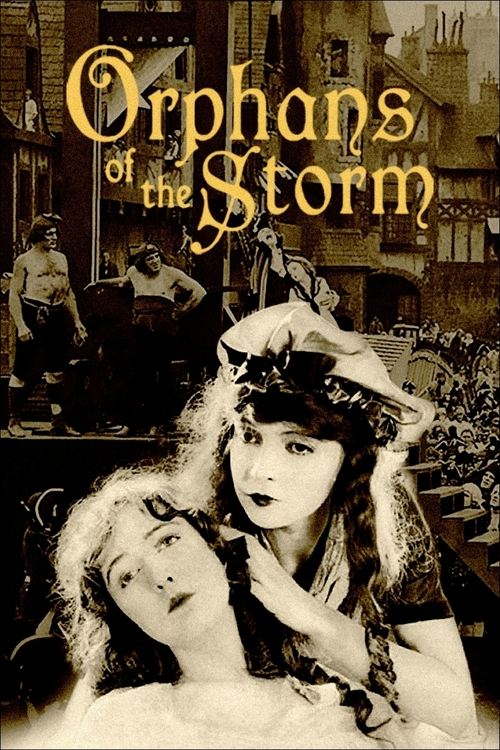
Orphans of the Storm1921
D.W. Griffith's silent melodrama about the French Revolution. Shows how early cinema treated revolutionary upheaval — a useful counterpoint to Soviet approaches and to Medvedkin's own methods.
But Silent melodrama with dated attitudes. Griffith's politics are deeply conservative. It's more historical document than satisfying film.
Sans Soleil1983
Both films use archive and montage to ask whether personal and political memory can coexist. Both mourn lost revolutionary moments while refusing nostalgia.
Chris Marker's essayistic documentary collages footage from Guinea-Bissau, Japan, and Iceland with reflections on memory, history, and political faith. Like *The Last Bolshevik*, it's a meditation on how cinema preserves and distorts the past.
But Structurally fragmented and philosophically dense. Marker trusts you to make connections. Resists conventional documentary shape — feels like thinking aloud.

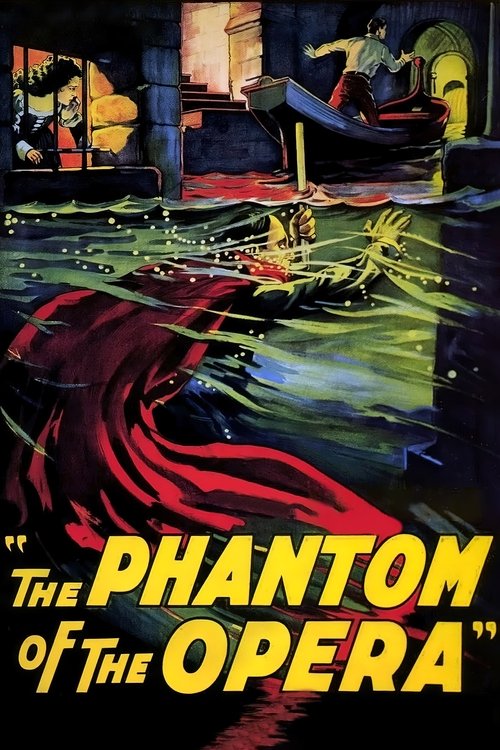
The Phantom of the Opera1925
Both are about the artist as sacrifice to forces larger than themselves. Both use cinema to argue that art transcends ideology — but at terrible cost. The Phantom and Medvedkin are cousins: both saw creation as redemption and tragedy.
Lon Chaney's silent Gothic melodrama seems worlds away from Soviet cinema, but it shares Medvedkin's obsession with art as the only thing that survives, and artists as tragic figures destroyed by the world. A German Expressionist vision of suffering and beauty.
But Operatic and emotionally overwrought by modern standards. The gender politics are ghastly. It's sentimental in ways contemporary viewers will find embarrassing.
People
Cast
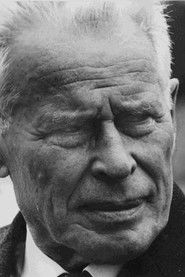 Aleksandr MedvedkinSelf (archive footage)
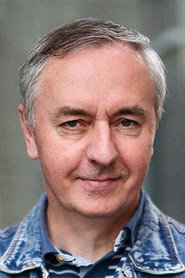 Nikolai IzvolovSelf - Russian film historian
- Léonor GraserDinosaur girl
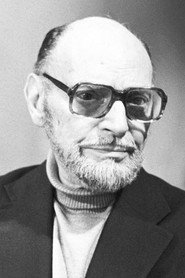 Yuli RaizmanSelf
- Yuri KolyadaSelf
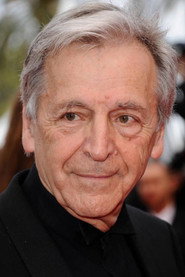 Costa-Gavrasself
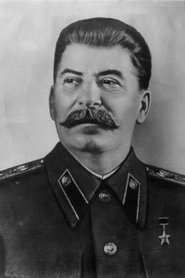 Joseph Stalinself (archive footage)
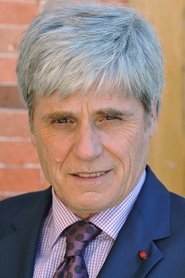 Jean-Claude DauphinSelf (voice)
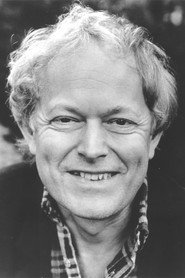 Michael PenningtonSelf (voice: English version)
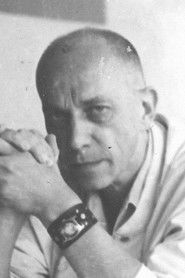 Chris MarkerSelf (uncredited)