
Film
Meshes of the Afternoon
- Fantasy
- Strange
- Slow-burning
A fourteen-minute experimental film where a woman's homecoming dissolves into a fractured dream. Reality frays as the same moments repeat and shift, keys multiply, mirrors become doorways. It's hypnotic, sometimes unsettling, built from loops and doubling. Essential viewing for anyone curious about cinema's power to show us the inside of the mind.
Should you watch it?
Watch it if you care more about a recurring image and the feeling it leaves than about what it means, and you enjoy films that rearrange space and time the way a half-remembered dream does.
Skip it if you need a story with clear cause and effect, since this one loops through the same few images and offers little to follow in a line.
What it asks of you: A short silent run of fourteen minutes that asks you to sit still and let repetition and drift do the work rather than decoding it as you go.
Not sure? Find tonight's pick in a minute.
If you liked this
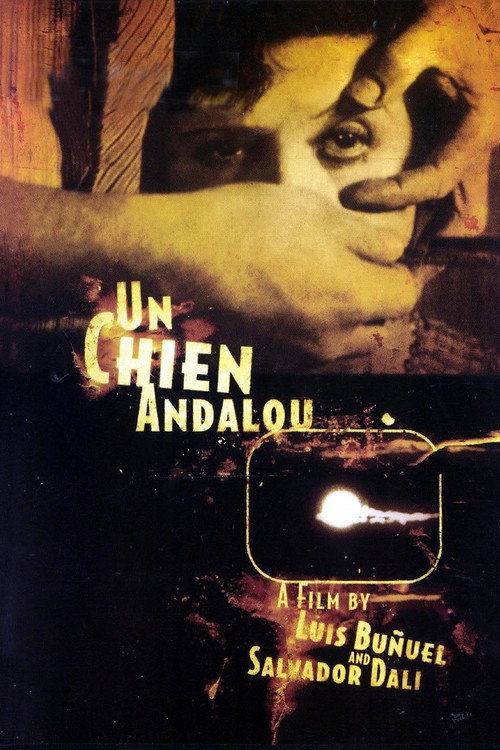
Un Chien Andalou1929
Buñuel and Dalí's surrealist landmark uses shock and impossible logic to crack open the viewer's expectations. Like Meshes, it trusts images over explanation and finds the strange in the domestic.
But It's deeply disturbing—the opening alone involves an eye—and the dream logic can feel deliberately hostile to being understood.
Mulholland Drive2001
Lynch's masterpiece about identity and desire also plays with time, doubling, and the impossibility of knowing what's real. Both films treat dream as a legitimate form of knowledge, not just visual noise.
But It's 147 minutes and baroque; Meshes trusts repetition where Lynch builds baroque complexity. The payoff requires patience and tolerance for ambiguity.

The Night of the Hunter1955
Charles Laughton's only directorial effort uses expressionist visuals and strange angles to show us menace from a child's perspective. The distortion of reality matches Meshes' sense that the objective world is inadequate.
But The pacing is deliberate and the film moves through registers of tone in ways modern cinema doesn't; it demands you adjust your rhythm.

Not sure tonight? Get a pick in a minute, starting from Meshes of the Afternoon
The wildcard
Something you would not have found on your own.
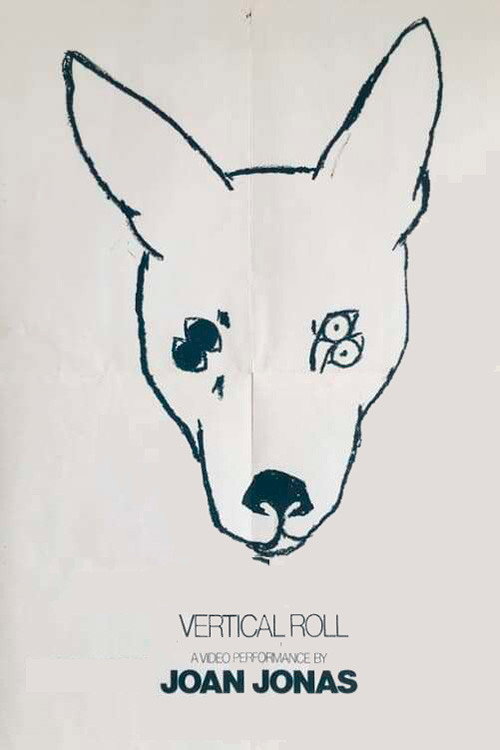
Vertical Roll1972
Both work with the mechanics of film itself rather than narrative content. Both create trance states through formal repetition. Both ask: what does cinema itself do to consciousness?
Barbara Rubin's four-minute structural film is entirely composed of horizontal scan lines rolling vertically. Hypnotic, meditative, and pushing the boundaries of what we call cinema further than Meshes does. Pure visual structure creating emotion.
But It has no images in the conventional sense—just electronic artifacts and waves of color. If cinema means representation, this isn't it. Most people will assume it's broken.
More like this (8)
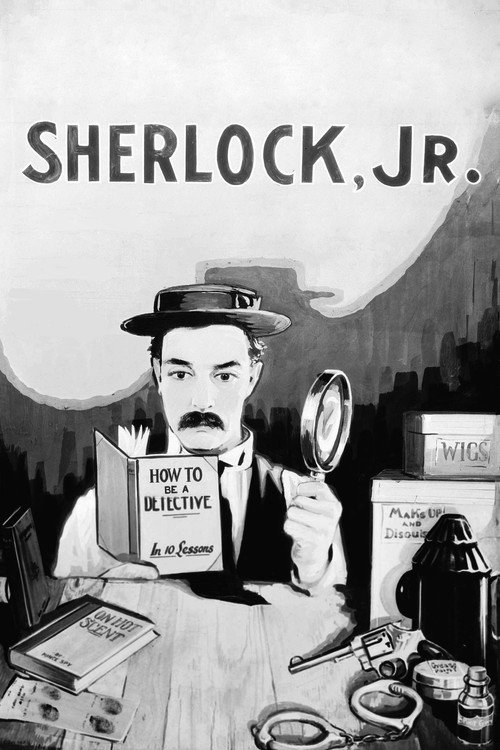
Sherlock Jr.1924
Buster Keaton literally steps into a film within the film, and the physics of dreams and waking blur. It's joyful where Meshes is disturbing, but both understand cinema's special power to show impossible transitions.
But Silent slapstick requires a different engagement than avant-garde formalism. The tones are almost opposite, even if the ideas overlap.
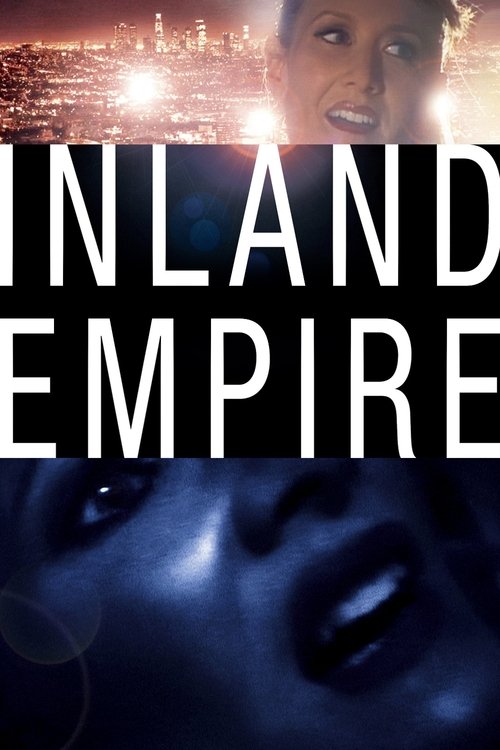
Inland Empire2006
Lynch's final film is also about a woman's fractured identity and impossible repetitions. At three hours, it's Meshes stretched into nightmare length, with the same sense of pattern and dissolution.
But It's willfully difficult, shot on video with distorted audio, and offers no purchase for interpretation. Some viewers find it unwatchable; others find that the point.
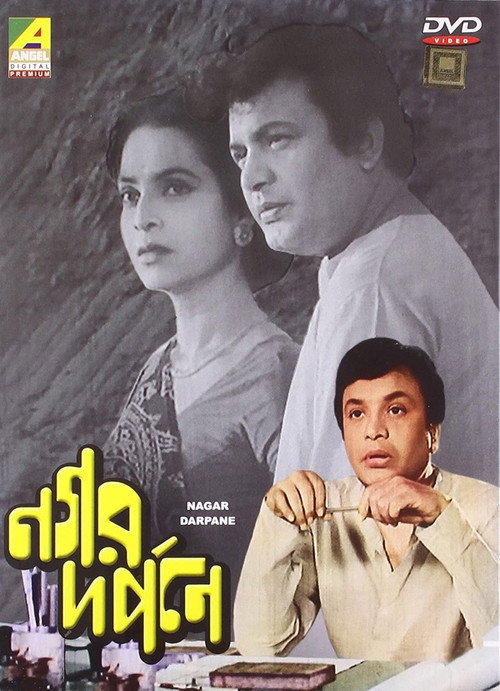
In the Mirror of the City1975
Tarkovsky's mirror-logic film about memory and cinema itself uses repetition, doubling, and temporal collapse. Both films ask: can cinema show us what we've forgotten or what we're afraid to remember?
But It's slow, essayistic, and makes Meshes look like MTV. Patience is not optional. The film demands you sit with confusion for two hours.
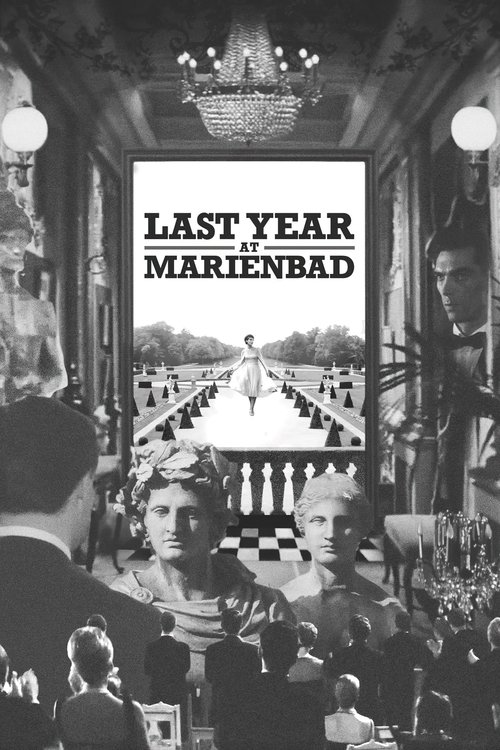
Last Year at Marienbad1961
Resnais and Robbe-Grillet's puzzle-box about memory and seduction also uses repetition and formal abstraction to make you doubt what's happened. Both see cinema as a tool for interrogating time itself.
But The mannered dialogue and static tableaux can feel more like a piece of visual poetry than a film. Some find it beautiful; others find it chilly and unengaging.
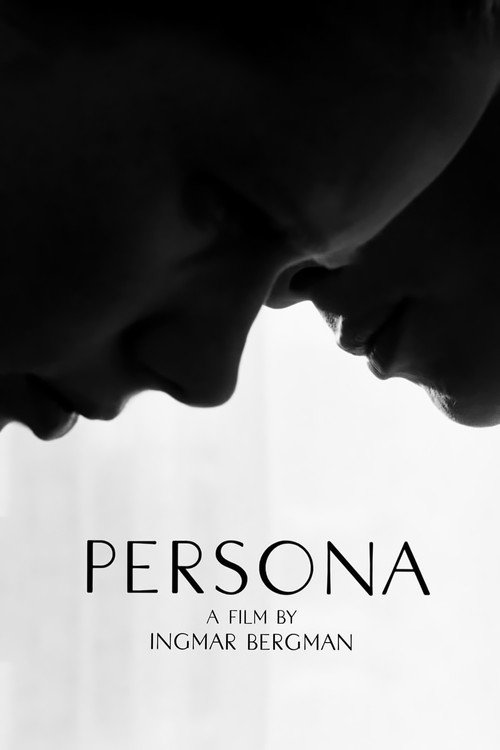
Persona1966
Bergman's film about two women—one silent, one not—uses doubling and identity collapse. Like Meshes, it's brief, hypnotic, and built on repetition of images that accumulate psychological weight.
But The intimacy is claustrophobic and the themes of identity dissolution may feel uncomfortable rather than intriguing. It's Bergman being deliberately cold.
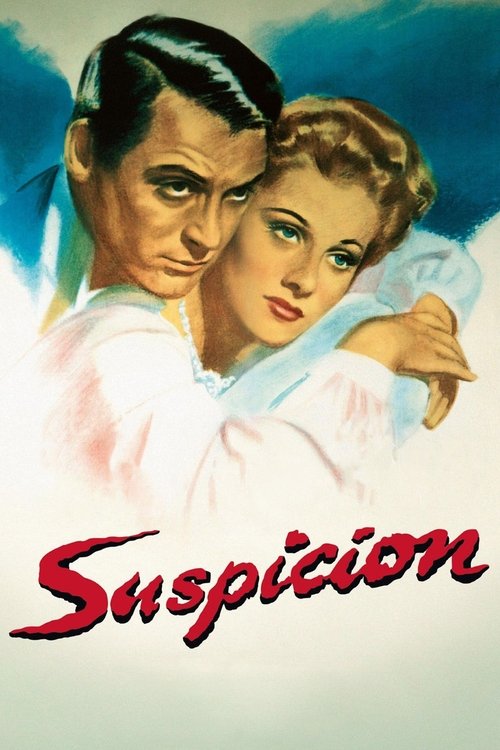
Suspicion1941
Hitchcock's portrait of a woman unsure what's real in her marriage and her own mind. It shares Meshes' interest in subjective reality and the impossibility of trusting perception, but in a more conventional narrative.
But It's a thriller first, so the formal experimentation is in service of plot. If you want pure cinema-as-dream, this feels grounded by comparison.
Tracers2015
Both construct identity through repetition and mirror-logic. Both use available media—Deren used the camera and home; Takahashi uses video and surveillance—to ask how we are watched and how we watch ourselves.
Found-footage experimental work by Tina Z. Takahashi using surveillance footage and homemade video to explore identity, repetition, and the gaze. Low-fi and intimate where Meshes is elegant, but equally interested in doubling and impossible perspective.
But It's assembled from fragments and poor-quality material; there's no conventional narrative arc. The rough texture might feel amateurish if you're not already primed for conceptual work.
The Holy Mountain1973
Both trust the viewer to sit with formal strangeness. Both refuse to explain the symbol. Both say: cinema can be the architecture of consciousness itself, not just its servant.
Jodorowsky's surrealist epic is nothing like Meshes in tone—it's grotesque, baroque, sexual, violent—but identical in commitment to dream-logic and refusal of narrative sense. Watching it is like being inside someone's unconscious mind without apology.
But It's graphic, excessive, sometimes offensive, and designed to disturb rather than seduce. If Meshes is a whisper, this is a scream. It asks a lot and assumes hostility is acceptable.

People
Cast
 Maya DerenThe Woman
 Alexander HammidThe Man
Directing
- Alexander HammidDirector
- Maya DerenDirector
Writing
- Maya DerenWriter
Recommended by
The Holy Mountain, Last Year at Marienbad, Un Chien Andalou, Cat People, The Last Wave, The Third Memory, Crazy Love, I Married Joan, The Watermelon Woman, Dawson City: Frozen Time, Strike, Jeanne Dielman, 23, quai du Commerce, 1080 Bruxelles, Uzumaki, Ballet Mécanique, Keats and His Nightingale: A Blind Date, L'Âge d'or, The Seashell and the Clergyman, Gertie the Dinosaur, Flesh of the Orchid, Shadow, Rose Hobart, Wavelength, Testament of Orpheus, Xtro, The Black Cat, Begone Dull Care, The Kingdom of Zydeco, Vertical Roll, Renaldo and Clara, The Forbidden Room, Entr'acte, Valerie and Her Week of Wonders, A Page of Madness, The Last Bolshevik, The Nutcracker, Eve and the Handyman, A Colour Box, Fireworks, Phantom, The Savage Eye, Matador, François Truffaut: Stolen Portraits, Winter Song, The Jazz Fool, Subjectivity, Lightning Over Water, Mothlight, Phantom Power, The Ritual of Color, Mr. Skeffington, Noah, Eaux d'Artifice, Blow Job, Chelsea Girls, An Optical Poem, Hapax Legomena I: (nostalgia), The Invasion of Thunderbolt Pagoda, The Show of Shows: 100 Years of Vaudeville, Circuses and Carnivals, Limite, Tableaux Vivants, The Grandmother, Under the Cherry Moon, Trip to Mars, Veruschka - Poetry of a Woman, Flirt, Tusalava, Scorpio Rising, The Art of Vision, Kustom Kar Kommandos, The Inauguration of the Pleasure Dome, The Wormwood Star, Dementia, Zorns Lemma, Lake of Dracula, Blonde Cobra, Tabu, Before the Law, Riddles of the Sphinx, Stolarna, Legend of the Mountain, The Smiling Madame Beudet, Pie in the Sky, Revolution, Hell-Bound Train, Nocturna Artificialia, Daughter Rite, Entre Nous, Anemic Cinema, The Play House, The Balloonatic