
Film
Renaldo and Clara
Dylan's four-hour fever dream from 1978: concert footage, scripted drama, and shadowy interviews woven into a portrait of art, identity, and restlessness. It's experimental and deliberately opaque, more mood than narrative. For those curious about how an artist's mind works when given total creative freedom, and willing to sit with mystery.
Should you watch it?
Watch it if you like your music films loose and essayistic, where a Rolling Thunder concert bleeds into half-staged scenes and nobody explains the seams.
Skip it if the cut-up structure, the sheer length and the shaggy, self-mythologising tone can wear thin fast, especially if you came for the songs alone.
What it asks of you: Nearly four hours at a patient, drifting pace, so settle in and let the fragments accumulate rather than hunting for a plot.
Not sure? Find tonight's pick in a minute.
If you liked this
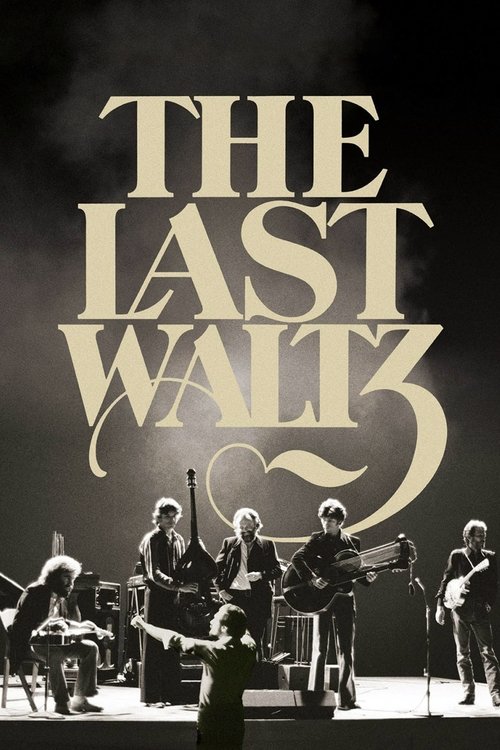
The Last Waltz1978
Scorsese's document of The Band's final concert is lucid and moving where Renaldo is cryptic, but shares Dylan's era, his world, and a fascination with how performance and personality collide. Crystalline filmmaking about music.
But Straight concert film with a clear shape. If you want Dylan's experimental ambition rather than a conventional music doc, this might feel too tidy.
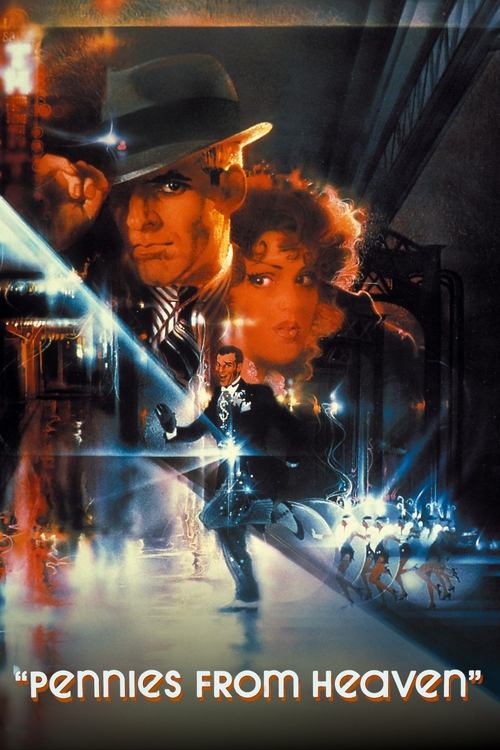
Pennies from Heaven1981
Dennis Potter's eight-part serial (and later film) blends real and imagined worlds, song and dialogue, using popular music to unlock emotional truth. Like Dylan, it trusts viewers to sit with discomfort and ambiguity in service of something deeper.
But Intensely bleak and sexually frank. The mixture of whimsy and despair won't suit everyone, and Potter's style demands patience.
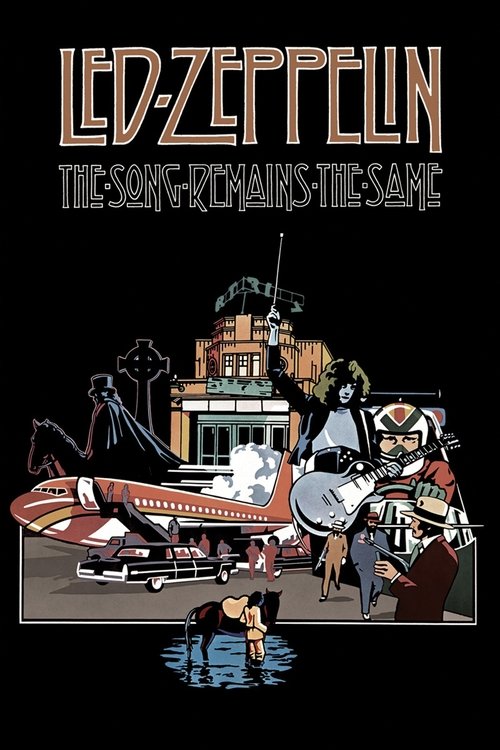
Led Zeppelin - The Song Remains the Same1976
Led Zeppelin's concert film intercuts performance with fantasy sequences and dreamlike vignettes tied to band members' personas. Like Renaldo, it's a star's vision of how myth and music and image become inseparable.
But Grandiose and self-mythologizing to the point of unintentional comedy. The fantasy sequences haven't aged gracefully, and it wears its ambition very heavily.
Not sure tonight? Get a pick in a minute, starting from Renaldo and Clara
The wildcard
Something you would not have found on your own.
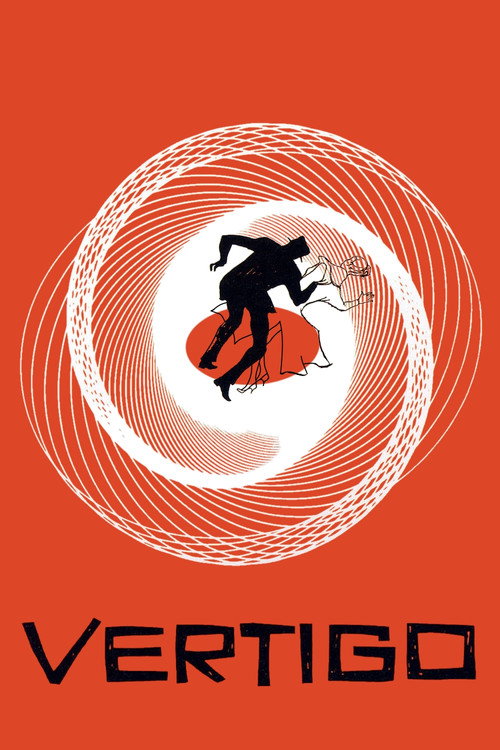
Vertigo1958
Both films are convinced that identity is a performance, a mask, a construction. Both use repetition, doubling, and visual leitmotif to suggest we can never see the 'real' person beneath the role. Renaldo documents Dylan aware of his own mythology; Vertigo is about a man trying to resurrect a woman by remaking her into his fantasy.
Hitchcock's masterpiece is about obsession, doubles, and the impossibility of knowing another person. Like Renaldo, it treats identity as theater, performance, and illusion—but Vertigo finds tragedy in that truth, not transcendence.
But A 1950s thriller first, experimental cinema second. If you're seeking Dylan's era and counterculture, this is entirely removed from that world.
More like this (6)
A Prophet2009
This French prison drama has nothing to do with music, but it shares Renaldo's patient, associative way of building character through observation and symbol. Both films trust you to find meaning in gesture and silence.
But Slow, methodical, and emotionally restrained. Viewers wanting immediate payoff or dramatic fireworks will find it grinding.

Synecdoche, New York2008
Kaufman's labyrinth about art consuming life—performance, identity, self-mythologizing—mirrors Dylan's obsessions in Renaldo. Both films suggest the self is a construction, a fiction, a perpetual work.
But Exhausting and recursive. The film loops and collapses into itself; clarity is never the goal, and that frustrates many viewers.

Meshes of the Afternoon1943
Maya Deren's avant-garde poem film is experimental cinema at its most hypnotic: dreamlike, symbolic, personal mythology rendered as visual abstraction. Renaldo works in similar territory, though in color and at feature length.
But Sixteen minutes of wordless imagery. Modern viewers raised on plot and dialogue may find it impenetrable or dull.

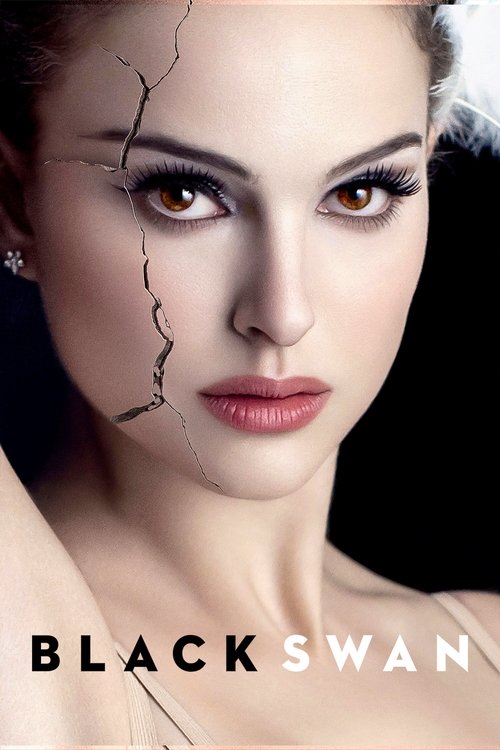
Black Swan2010
Aronofsky's psychological thriller uses music, performance, and fractured identity to explore the cost of art. Like Renaldo, it's interested in how a person becomes their persona, and the price of that dissolution.
But Lurid and grotesque in ways Renaldo isn't. If you're seeking Dylan's mystique rather than graphic psychological horror, this swings too far toward exploitation.
Night and Fog1956
Both are attempts to film the interior life of consciousness—how we remember, how we mythologize, how truth resists being captured on film. Both use non-linear structure to replicate how memory actually works: fragmented, symbolic, circular. Renaldo is Dylan's interior world; Night and Fog is history's interior world.
Resnais' thirty-minute documentary essay uses archival footage, voiceover, and color cinematography to examine memory, history, and complicity. Like Renaldo, it refuses simple narrative in favor of associative, haunting meditation on time and truth.
But A Holocaust documentary. Its subject is atrocity, not ambiguity for art's sake; watching it requires emotional surrender to grief, not playfulness.

Tokyo Story1953
Both films are built on repetition and visual return—the same spaces, angles, and gestures accumulate meaning through recurrence rather than narrative momentum. Both are interested in how people perform their roles within families and society. Both films believe that what matters is visible only to patient looking, not plot events.
Ozu's elliptical portrait of aging and family uses compositional repetition, silence, and absence to create profound emotional resonance from quotidian moments. Like Renaldo, it's patient, associative, and trusts viewers to find meaning in what's not said.
But A 1950s Japanese family drama. No music, no youth, no counterculture. If you want the Sixties and the Seventies, this is the wrong era and mood entirely.

People
Cast
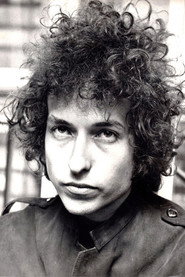 Bob DylanRenaldo
- Sara DylanClara
 Joan BaezThe Woman in White
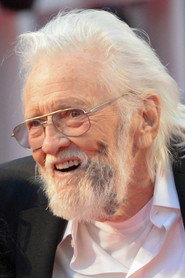 Ronnie HawkinsBob Dylan
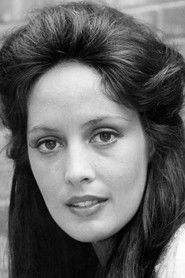 Ronee BlakleyMrs. Dylan
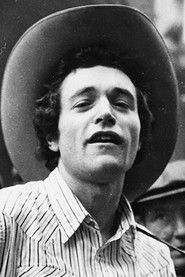 Jack ElliottLongheno de Castro
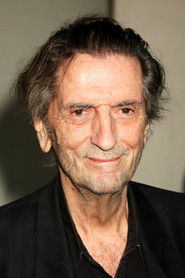 Harry Dean StantonLafkezio
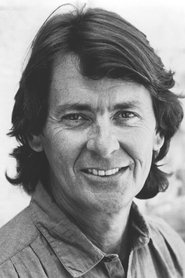 Bob NeuwirthThe Masked Tortilla
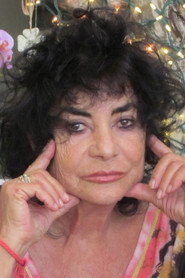 Helena KallianiotesHelena
- Mel HowardUngatz
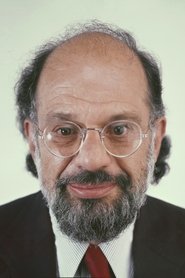 Allen GinsbergThe Father
- David MansfieldThe Son
Directing
- Jacques LevyAssistant Director
- Bob DylanDirector
Writing
- Bob DylanWriter
- Sam ShepardWriter
Production
- Mel HowardProducer
Recommended by
Festival Express, No Direction Home: Bob Dylan, Festival, Rolling Thunder Revue: A Bob Dylan Story by Martin Scorsese, Before the Flood