
Film
Festival
- Musical
- Light-hearted
A documentary capturing the Newport Folk Festival from 1963–66, when folk music mattered politically and commercially. Black-and-white performances and conversations with Dylan, Baez, Seeger, and blues legends exploring what folk music was and why people cared. It's a time capsule of a moment when popular music took itself seriously—and you can feel the idealism, the stakes, the genuine artistic hunger. Essential if you love music history or any of its subjects.
If you liked this
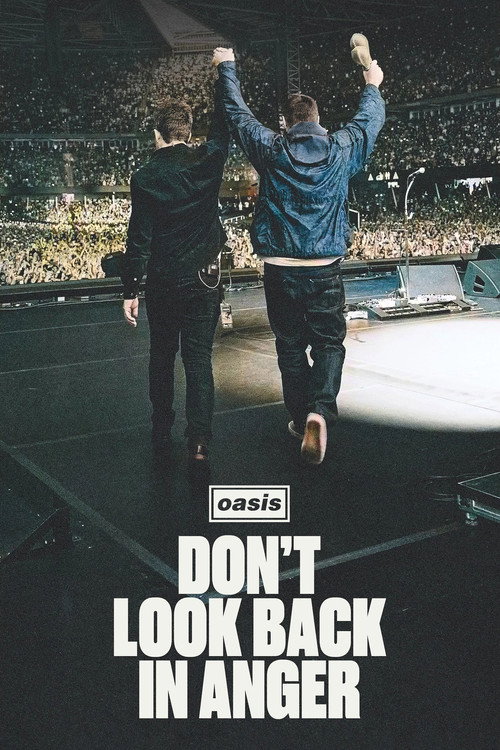
Oasis: Don't Look Back in Anger2026
D.A. Pennebaker's portrait of Dylan's 1965 UK tour: electric, kinetic, mesmerizing. You see Dylan at his most vital and evasive, performing and sparring with journalists and fellow musicians. A masterpiece of cinema verité.
But It's in black and white, deliberately oblique about plot, and sometimes frustratingly obscure—Dylan on purpose. If you want clarity and narrative, this resists you.
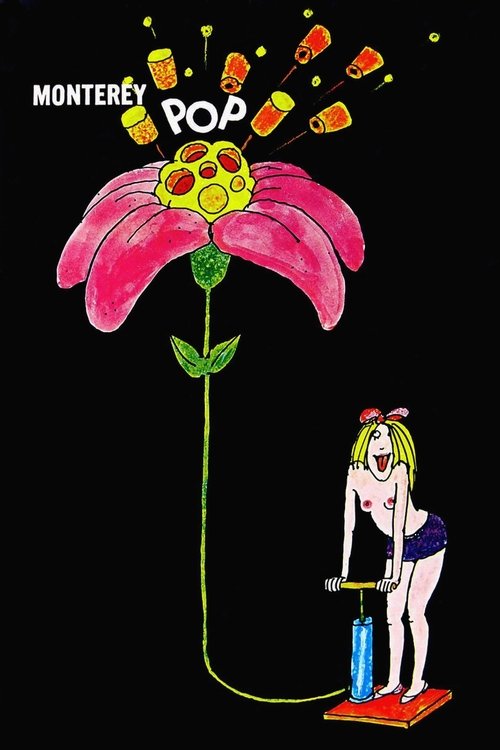
Monterey Pop1968
Another Pennebaker documentary, this time the festival that changed rock music overnight. The performances are extraordinary—Jimi Hendrix, Janis Joplin, The Who—and the film captures the exact moment psychedelia went mainstream.
But It's rock and pop, not folk, so the vibe is entirely different. If you're watching Festival for political seriousness, this is hedonistic and about spectacle.
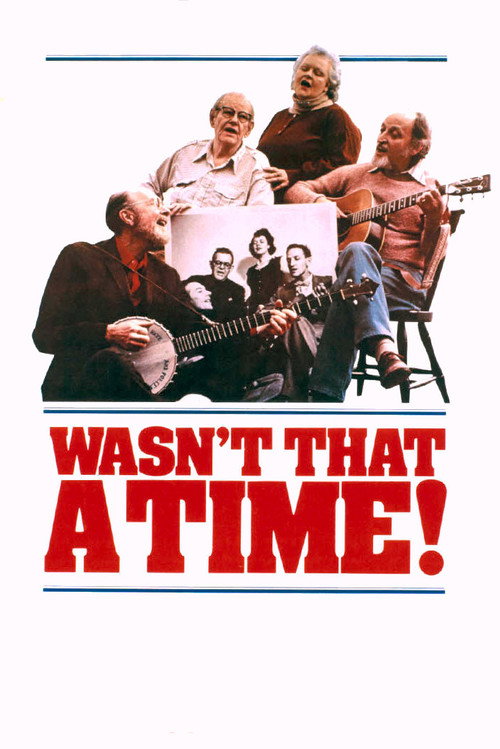
The Weavers: Wasn't That a Time1982
A documentary about the Weavers' 1980 reunion concert—Pete Seeger's group, blacklisted in the 1950s, coming back together. It's about artistic integrity, survival, and the long arc of folk activism. Moving without sentimentality.
But It's a concert film, so if you don't connect with the music itself, there's limited narrative. The sound quality is '80s live recording, not pristine.
Not sure tonight? Get a pick in a minute, starting from Festival
The wildcard
Something you would not have found on your own.
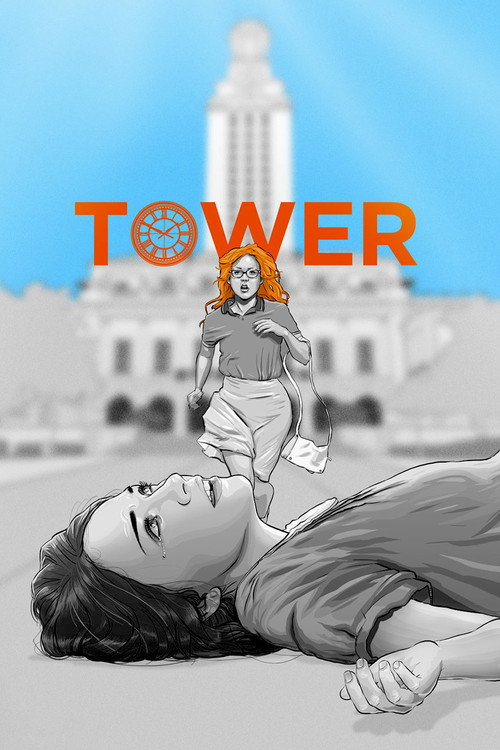
Tower2016
Both are archival documentaries that trust their subjects and medium to convey meaning. Both believe cinema itself—not narration—can illuminate.
An animated documentary about the 1966 University of Texas shooting, using archival footage, drawings, and witness accounts. It's formally inventive, politically serious, and proves documentary can be formally experimental without losing humanity.
But It's not about music or culture at all—it's about mass violence and American trauma. Animation might feel wrong for the subject matter.
More like this (7)
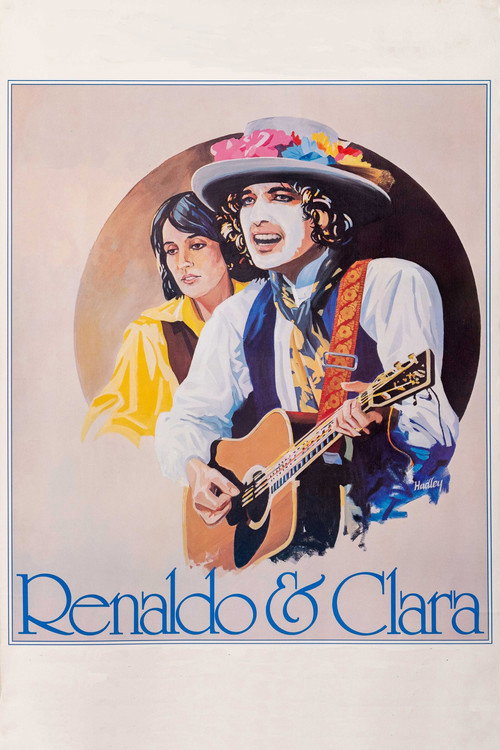
Renaldo and Clara1978
Dylan's four-hour experimental film, featuring him, Joan Baez, and Sara Dylan in fragments and improvisation. It's genuinely strange, ambitious, and offers a window into Dylan's unfiltered creative mind during the Rolling Thunder tour.
But It's deliberately incoherent and exhausting. Many intelligent people find it pretentious or unwatchable. Patience required; payoff uncertain.
Johnny Cash: The Man In Black
A concert documentary capturing Cash at San Quentin, performing for inmates. It's raw, powerful, and shows why Cash mattered beyond the charts—he sang for the dispossessed.
But The audio is period concert recording, sometimes muddled. If you want a tightly structured film, this is loose and concert-focused.
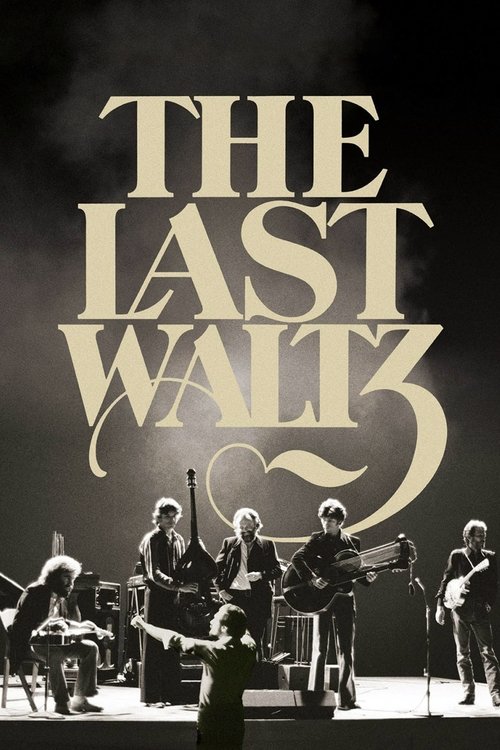
The Last Waltz1978
Scorsese directing The Band's farewell concert with a staggering lineup of guests. Musically and cinematically extraordinary. A meditation on why artists stop, and what they leave behind.
But It's rock, not folk, and three hours long. Some guests overshadow the film's emotional core. It can feel like a showcase more than a narrative.
Muscle Shoals2013
A documentary about the studio in Alabama where soul, country, and rock were made together, with Aretha Franklin, Wilson Pickett, and others. It's about place, dignity, and how real music happens outside the mainstream center.
But It's less about folk specifically and more about soul and R&B history. The narrative meanders; some threads don't resolve.
Hoop Dreams1994
A documentary following two basketball players over five years. Not about music, but it has Festival's DNA: long-form cinema verité, moral seriousness, the belief that real life deserves three hours of attention.
But It's not music at all, and American sports can feel parochial. At three hours, it demands commitment.
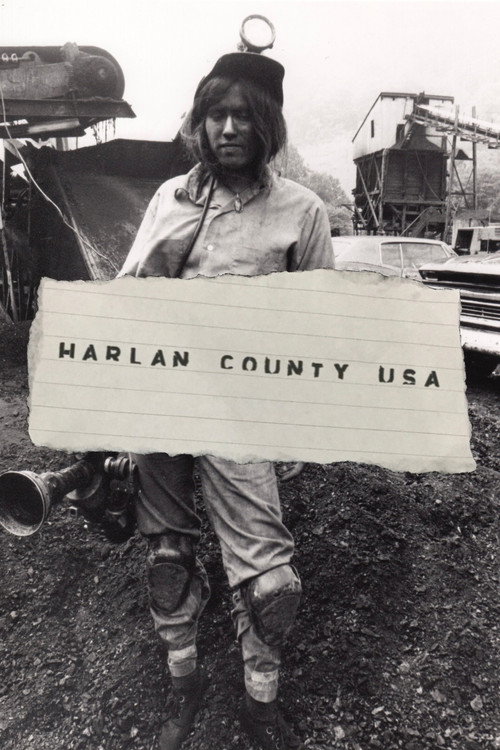
Harlan County U.S.A.1976
Barbara Kopple's documentary about a Kentucky coal miners' strike, with folk music woven throughout. It's about working people, justice, and music as resistance—the values Festival held.
But It's grim and angry, not celebratory. If you want performance spectacle, this is social documentation with music as accompaniment.
Shoah1985
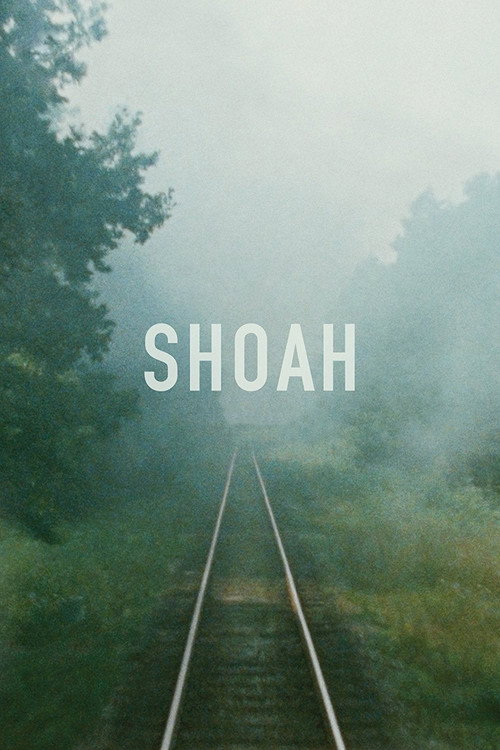
Both are long-form documentaries that prioritize witness and presence over explanation. Both believe time itself is moral—that you must sit with what matters.
Lanzmann's nine-hour documentary about the Holocaust, made entirely from interviews and locations—no archival footage. It's formally austere and morally uncompromising. The connection: Festival trusts testimony and presence. Shoah goes further, proving that cinema can bear witness to what matters most.
But It's nine hours of testimony about atrocity. Not entertainment. Emotionally devastating. You will not be comfortable.
People
Cast
- Horton BarkerSelf
- Fiddler BeersSelf
 Theodore BikelSelf
 Pete SeegerSelf
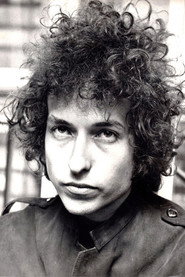 Bob DylanSelf
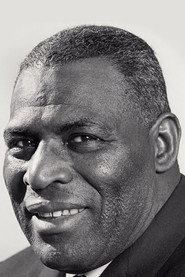 Howlin' WolfSelf
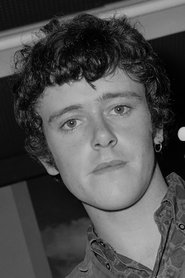 DonovanSelf
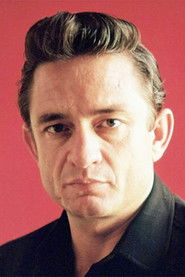 Johnny CashSelf
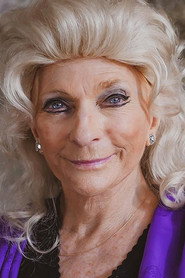 Judy CollinsSelf
- Mike BloomfieldSelf
- Son HouseSelf
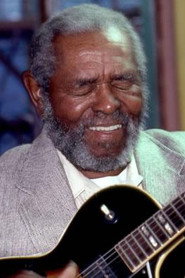 Brownie McGheeSelf