
Film
Johnny Cash: The Man In Black
A documentary portrait of Johnny Cash's journey from rural poverty and family tragedy to becoming country music's greatest icon. It traces his rise in Memphis, his landmark recordings, and his lifelong struggle with addiction and faith. Essential viewing for anyone who wants to understand not just Cash, but the soul of American music itself.
Should you watch it?
Watch it if you want a compact, unhurried portrait of a musician's private wounds, and you care more about where the songs came from than about a concert run-through.
Skip it if you want the legend's stage swagger and hit-after-hit energy, since this lingers on a bleak childhood and private guilt rather than performance.
What it asks of you: Settle in for a somber, unhurried 88 minutes that stays with hard memories and lets the mood sit heavy rather than lifting it.
Not sure? Find tonight's pick in a minute.
If you liked this
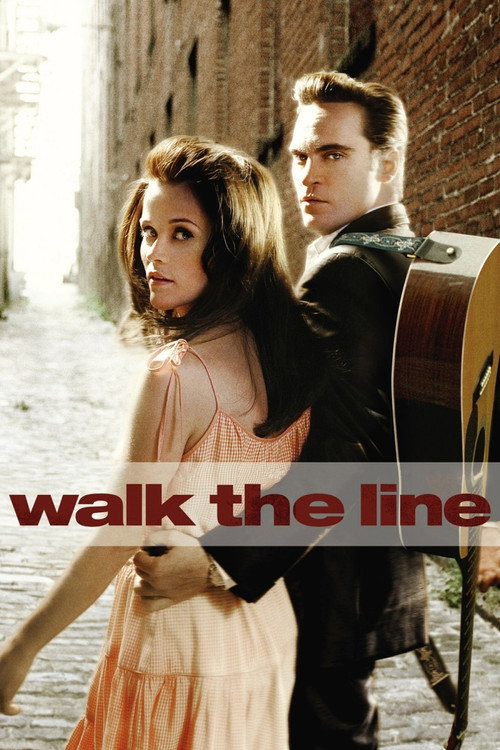
Walk the Line2005
Joaquin Phoenix delivers a career-best performance as Cash, capturing both his charisma and his self-destruction with devastating authenticity. The film traces his Memphis beginnings through his greatest triumphs and darkest valleys with emotional precision.
But It's a fairly conventional biopic in structure, hitting familiar beats of addiction and redemption. Some scenes feel more designed for awards consideration than genuine insight.
I'm Not There2007
Todd Haynes' audacious documentary about Bob Dylan uses fragmentation and multiple actors to suggest how myths form around artists. If you want to understand how Cash became 'The Man in Black' as cultural symbol, this film's technique illuminates that process.
But It's deliberately challenging and abstract—not a straightforward story. Viewers expecting narrative clarity will find it frustrating rather than illuminating.

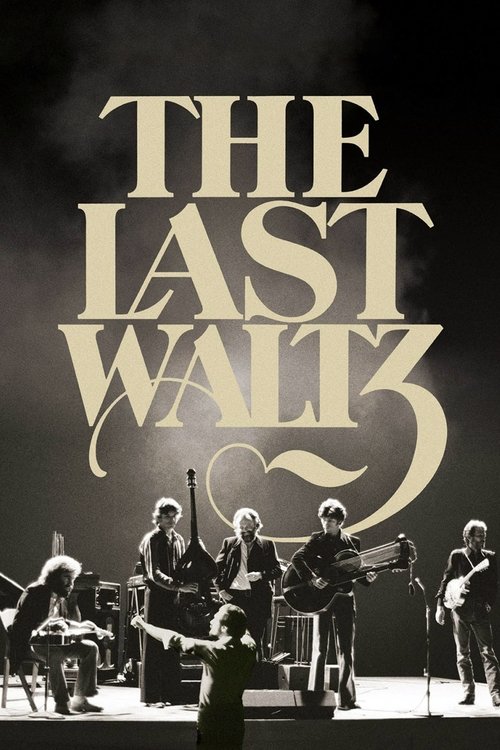
The Last Waltz1978
Martin Scorsese's concert film captures The Band's final performance, featuring Cash in the lineup. It's a masterclass in how to film live music, and watching Cash's authority onstage clarifies why he commanded every room he entered.
But The film is really about The Band, not Cash. If you're looking for deep insight into his life, this is a glimpse, not a study.
Not sure tonight? Get a pick in a minute, starting from Johnny Cash: The Man In Black
The wildcard
Something you would not have found on your own.
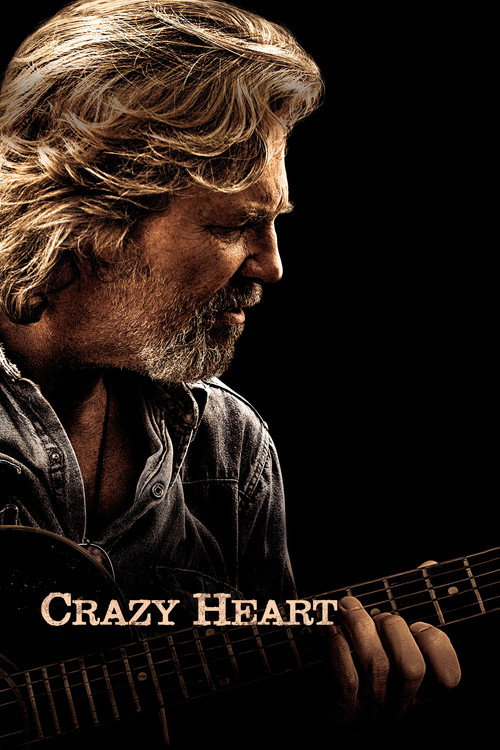
Crazy Heart2009
Both Cash and Bridges' character are men who built their legend on vulnerability and pain, then spent decades unable to live without the very things destroying them. The film captures what that feels like from the inside.
Jeff Bridges plays a washed-up country singer whose life intersects with a younger woman and his own past regrets. It's not about Cash, but it understands the specific shape of his sorrow—the way country music and self-destruction became his love language.
But It's a well-worn story of redemption through love. If you've seen this arc before, the film offers few surprises.
More like this (8)
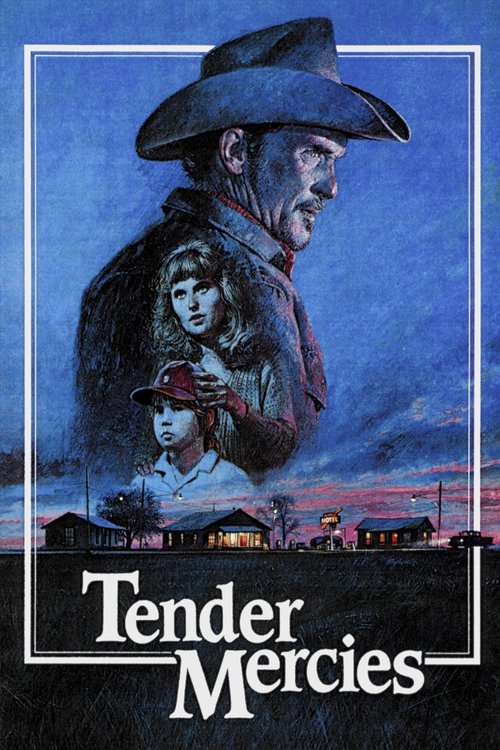
Tender Mercies1983
Robert Duvall plays a washed-up country singer rebuilding his life after addiction and failed relationships. The film captures the specific loneliness Cash knew intimately—the way redemption is quiet, uncertain, and never quite complete.
But It moves slowly and deliberately. Some viewers find it meditative; others find it static. The payoff is internal, not external.
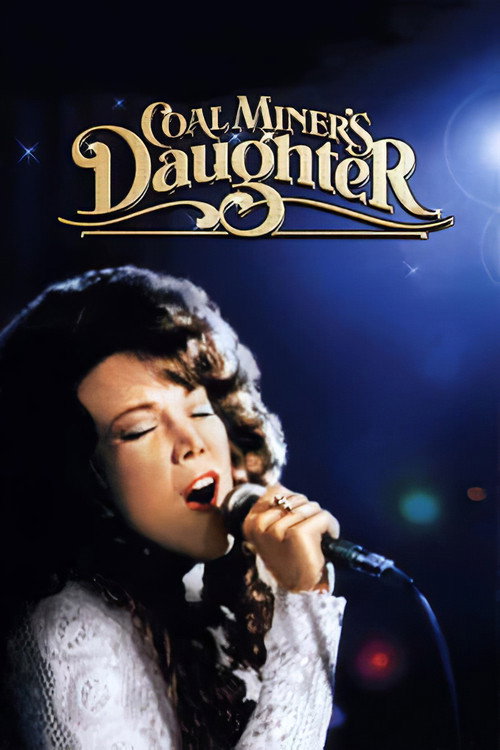
Coal Miner's Daughter1980
Sissy Spacek is extraordinary as Loretta Lynn, and the film shows how Cash's Memphis sound emerged from the same cultural moment. Watching her rise parallels Cash's journey and shows the desperation and ambition that drove 1950s country.
But It's Loretta Lynn's story, not his. Cash appears only briefly, which can feel like false advertising if that's why you're watching.
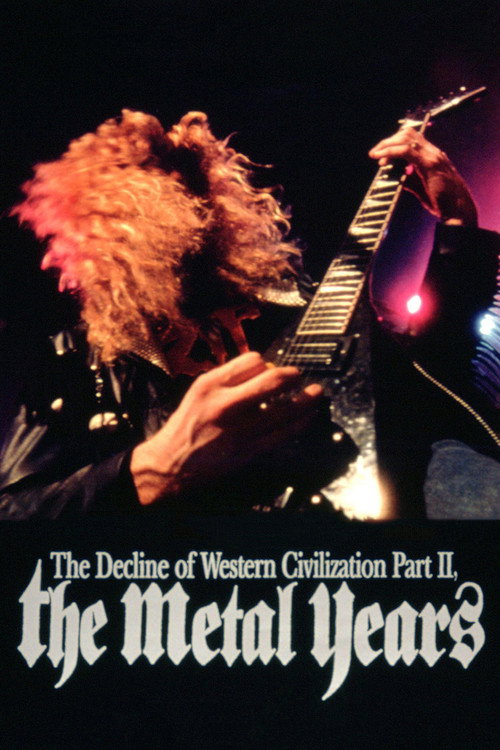
The Decline of Western Civilization Part II: The Metal Years1988
Penelope Spheeris' documentary about the LA metal scene captures the same intersection of faith, addiction, and performance that defined Cash's life. It shows how self-destruction and artistry became inseparable for an entire generation.
But It's about 1980s metal bands, not country music. The connection requires you to find the thematic parallels yourself—the film doesn't spell it out.
The Ballad of Little Jo1993
A quietly radical Western about a woman passing as a man to survive in frontier America. Like Cash, it explores how we construct identity and what it costs to perform a version of yourself the world will accept.
But It's a sparse, deliberately paced period piece. If you want action or conventional drama, you'll find this austere and slow.

A Prophet2009
This French prison drama tracks a young man's transformation into a figure of power and danger through will and adaptation. It has Cash's arc—the rise from nothing, the moral compromises that come with survival and success.
But It's violent and set in a contemporary French prison. The tonal and geographical distance from Cash's world might feel too wide to bridge.

The Wrestler2008
Mickey Rourke plays a fading performer clinging to the only identity he's ever had, unable to stop performing even as it destroys him. It's a meditation on what happens when your art and your self become the same thing—Cash's central dilemma.
But It's relentlessly bleak with no redemption in sight. Viewers seeking hope or catharsis will find only ash here.

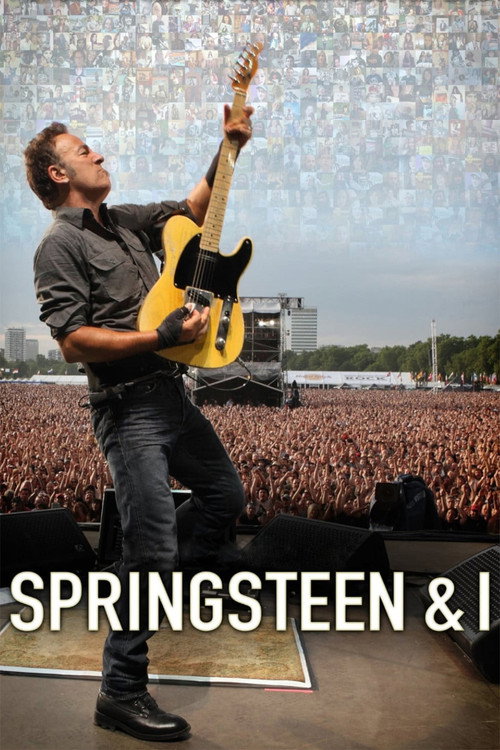
Springsteen & I2013
Both are American artists who mythologized themselves by refusing to mythologize—who became legendary precisely by saying plainly what everyone felt. Both understood that authenticity is its own performance.
Thom Zimny's documentary uses fan testimonies to explore how Bruce Springsteen became a repository for American working-class consciousness. Like Cash, Springsteen turned his own suffering into something that spoke for millions who had no other voice.
But It's fan testimonies rather than traditional biography, which can feel diffuse and sentimental. Skeptics find it closer to hagiography than criticism.
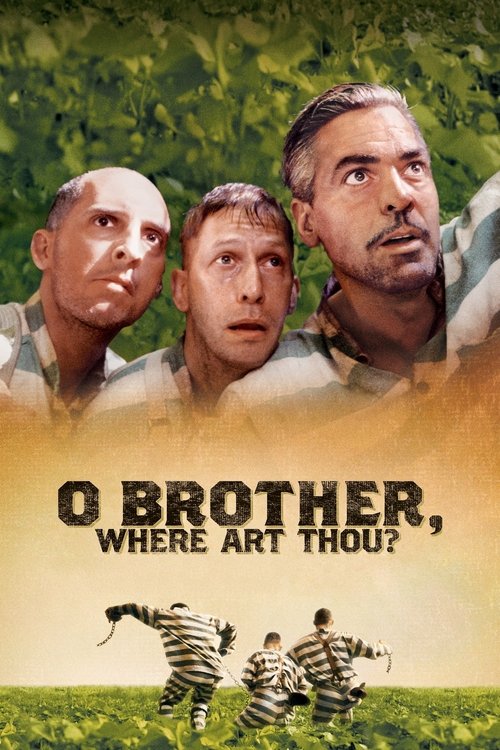
O Brother, Where Art Thou?2000
The film is essentially a visual adaptation of the folk and country tradition Cash inherited and embodied. Cash's music IS the soundtrack to this vision of America, and the film knows it—he haunts every frame because his worldview shaped the whole thing.
The Coen Brothers' Depression-era odyssey is suffused with Cash's music and sensibility—the sound of rural poverty, faith and cynicism tangled together, the idea that America was built on con men and desperation. It's a Cash album as narrative film.
But It's a stylized, self-conscious comedy that plays with genre and tone. Viewers expecting realism or straightforward storytelling will find it mannered and arch.
Recommended by
Festival, Heartworn Highways Revisited, Hannie Caulder, Bonanza: Ride the Wind, I Saw the Light, Red Dead Redemption: The Man from Blackwater, Woody Guthrie: Ain't Got No Home, The Newton Boys