
Film
I Saw the Light
Marc Abraham's 2016 biography traces Hank Williams' meteoric rise and devastating fall, anchored by Tom Hiddleston's raw, unglamorous performance. It's a bleak portrait of addiction and self-destruction told with deliberate restraint—no sentimentality, no redemption arc. For anyone drawn to the darkness beneath American myth.
Should you watch it?
Watch it if you love biopics that let the songs carry the emotional weight, and you don't mind a portrait of a talented man who is hard to be around.
Skip it if you want a tidy, uplifting music story, since this one stays with the messiness of addiction and a marriage coming apart, and it runs a little over two hours.
What it asks of you: It settles in for just over two hours and moves at a patient, unhurried clip, staying close to its lead through the rough stretches rather than hurrying past them.
Not sure? Find tonight's pick in a minute.
If you liked this
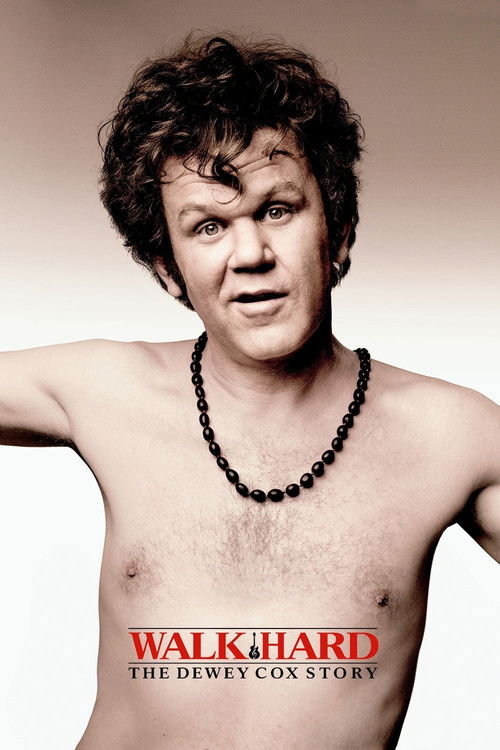
Walk Hard: The Dewey Cox Story2007
A pitch-perfect parody of music biopics that somehow understands the genre better than serious versions. Hilarious, filthy, and genuinely moving about what drives musicians toward self-destruction.
But If you need the jokes explained, it won't work for you. The humour assumes you've absorbed decades of music-biopic clichés.
Johnny Cash: The Man In Black
A concert documentary capturing Cash at the height of his powers, recorded at Folsom Prison. Unvarnished, powerful, and full of the raw country music that shaped Hank's world and legacy.
But No narrative arc or dramatic structure—just performance and presence. If you need a story, you'll find it slow.
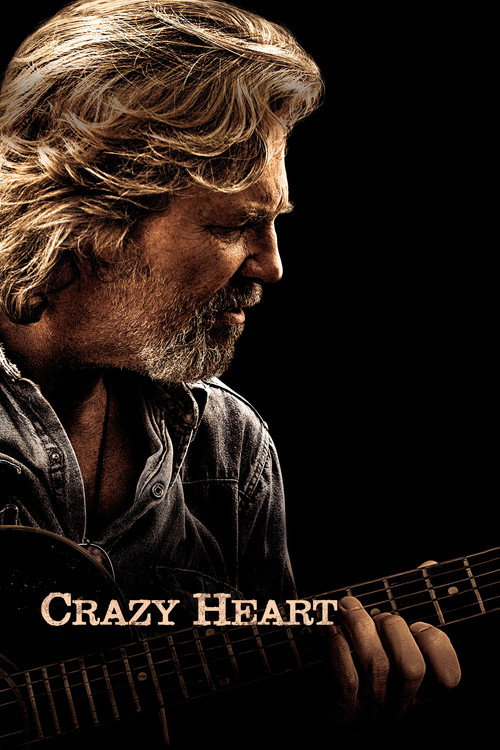
Crazy Heart2009
Jeff Bridges as a washed-up country musician—it's the inverse of the Hank Williams story, following a man trying to claw back from the abyss. Tender and unflinching about addiction and regret.
But The redemption narrative it offers might feel too soft if you've just watched Hank's actual trajectory.
Not sure tonight? Get a pick in a minute, starting from I Saw the Light
The wildcard
Something you would not have found on your own.
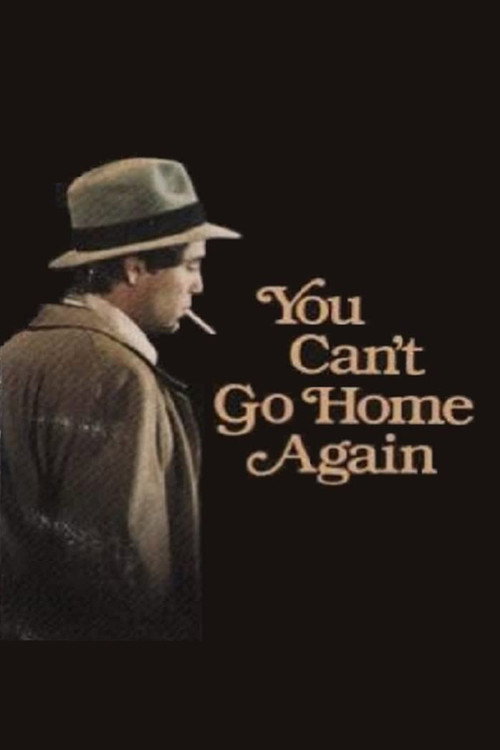
You Can't Go Home Again1979
Both are about artists imprisoned by what made them famous. The film's formal fragmentation mirrors how trauma shatters the self—Hank's story told as shattered chronology instead of neat decline.
This obsessive, experimental documentary follows a bluegrass musician's attempt to recapture his past. Shot in a deliberately fractured style, it's a meditation on failure, memory, and the traps of legacy.
But Structure is cryptic and the pacing glacial. You have to surrender to its rhythm or it feels impenetrable.
More like this (7)
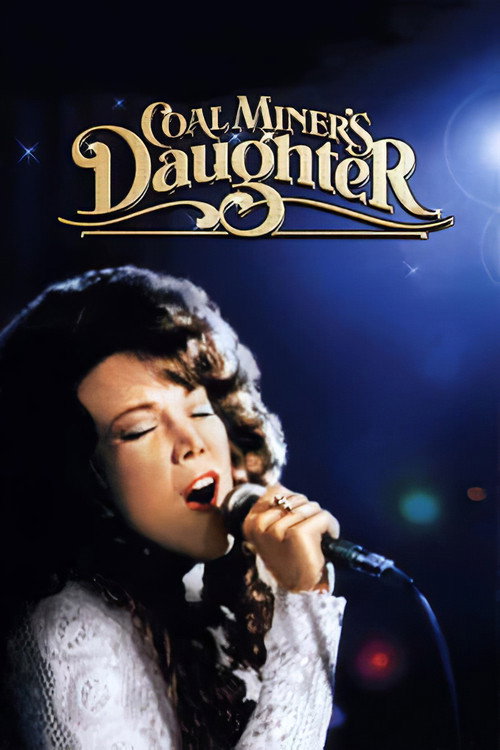
Coal Miner's Daughter1980
Sissy Spacek and Tommy Lee Jones in a country music biography that actually captures the texture of rural poverty and music's escape route. It earns every emotional beat without pretension.
But Framed as Loretta Lynn's triumph, so it has a fundamentally different DNA than Hank's downward spiral.
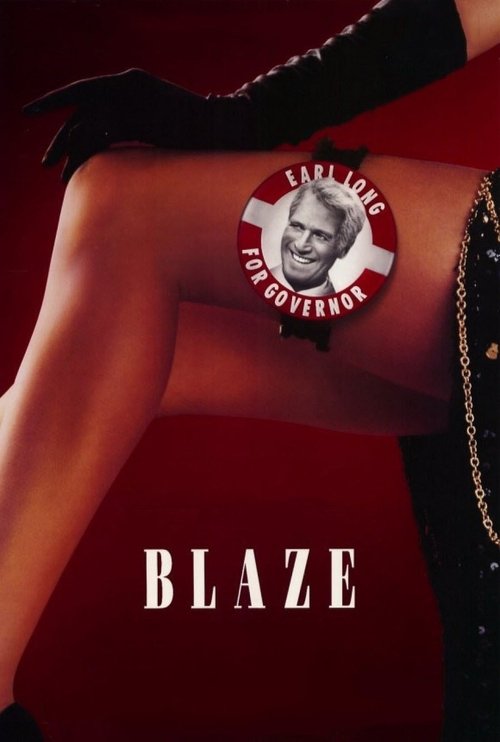
Blaze1989
Ethan Hawke directed this film about Blaze Starr, and it's painterly and strange—more interested in mood and legend than accuracy. A completely different approach to music-world biography.
But Its willingness to fictionalize and poeticize distances it from the factual brutality you might be craving after Hank.
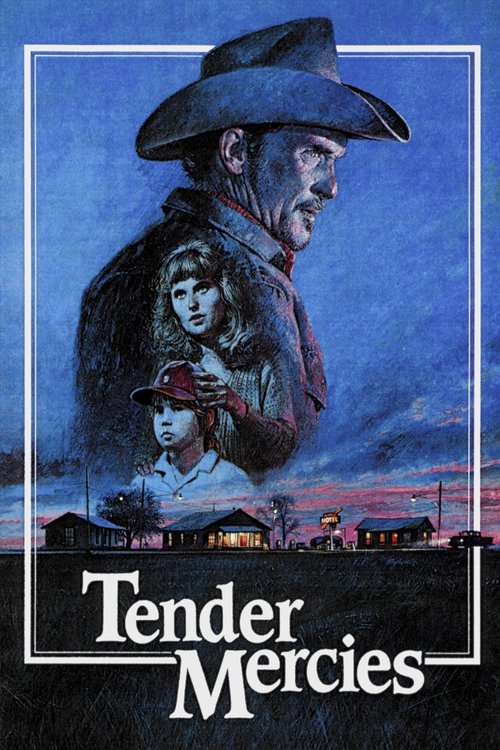
Tender Mercies1983
Robert Duvall as an alcoholic country singer trying to rebuild his life through faith and ordinary kindness. Quiet, deeply humane, and uninterested in spectacle or excuse-making.
But The optimism and spiritual healing on offer might feel dishonest if you're seeking Hank's real tragedy.
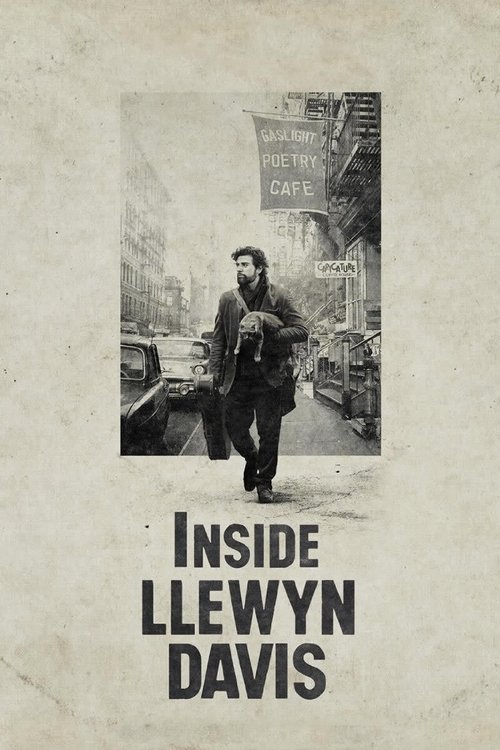
Inside Llewyn Davis2013
Coen Brothers portrait of a folk musician in New York's 1960s Greenwich Village—broke, talented, and utterly unable to catch a break. Despair as a kind of steady state, never resolved.
But Elliptical and unsympathetic. If you need to like your protagonist, this will frustrate you.
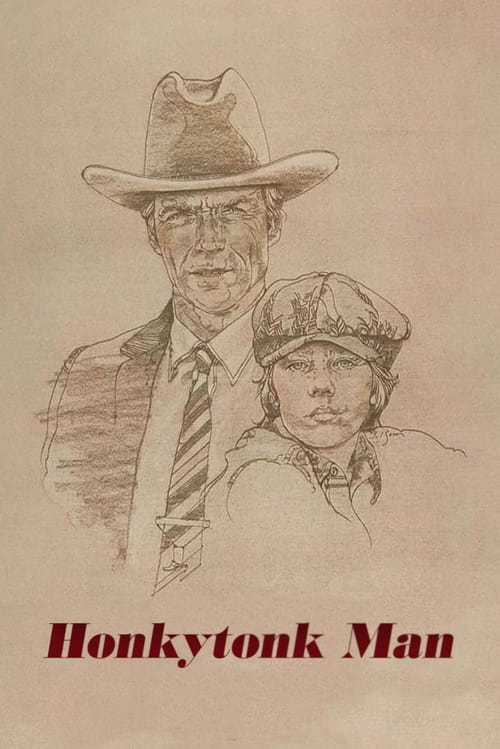
Honkytonk Man1982
Clint Eastwood made this lean, unsentimental film about a drifting country musician driving to Nashville as he dies. Minimal plot, maximum atmosphere—it understands failure as a kind of authenticity.
But Eastwood's mannered performance and the film's deliberate slowness might feel arch or distancing.
A Ghost Story2017
Both center on an artist's posthumous legend and the ways death crystallizes but doesn't resolve the question of meaning. Hank's ghost watching his myth calcify.
Casey Affleck as a ghost haunting his house, watching time pass. Formally radical (sometimes literally unwatchable), it explores mortality, legacy, and the unbridgeable distance between art and its maker.
But Pretentious, visually frustrating, and structurally self-defeating. It will test your patience aggressively.

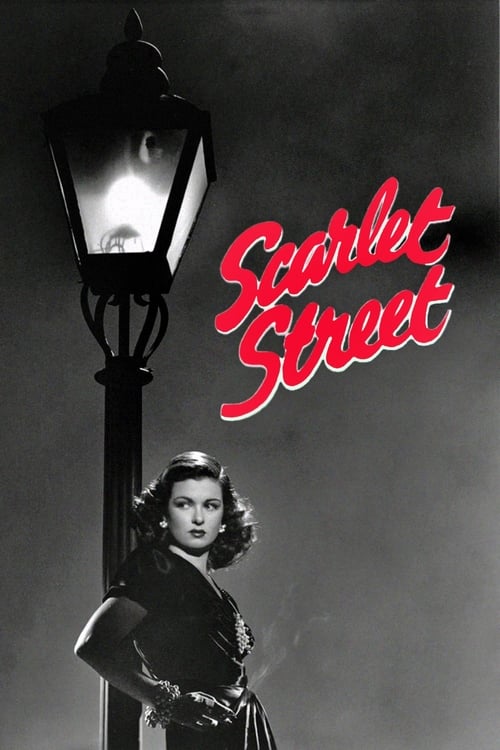
Scarlet Street1945
Same era as Hank's rise, same architecture of self-destruction—a man pulled downward by forces he can't resist, watching himself go. Hank's story as expressionist moral fable rather than biography.
Fritz Lang's noir about a respectable man spiraling into degradation through infatuation and circumstance. Fatalistic, cruel, and lit like Hank's inner darkness—the American dream as a trap.
But It's in black and white, from the '40s, and moves with noir deliberation. Modern audiences often find it mannered or slow.
People
Cast
 Tom HiddlestonHank Williams
 Elizabeth OlsenAudrey Mae Williams
 Wayne PéréToby Marshall
 David KrumholtzJames Dolan
 Wrenn SchmidtBobbie Jett
 Bradley WhitfordFred Rose
 Josh PaisDore Schary
 Cherry JonesLillie Williams
 James DuMontWB Nowlin
 Joe ChrestOscar Davis
 Charlie TalbertCliff Rogers
 Maddie HassonBillie Jean
Directing
- Marc AbrahamDirector
- Scott PetersonScript Supervisor
Writing
- Colin EscottBook
- George MerrittBook
- William MacEwenBook
- Marc AbrahamScreenplay
Production
- Denise ChamianCasting
- Tracy KilpatrickCasting
- Blair FosterCasting Associate
- Jennifer YooCasting Associate
- Liz LudwitzkeCasting Associate
- Ed LipscombLocation Manager
- Aaron L. GilbertProducer
- Brett RatnerProducer
- G. Marq RoswellProducer
- Marc AbrahamProducer