
Film
Honkytonk Man
A Depression-era road movie about a failed country singer and his nephew chasing a Grand Ole Opry audition across America. Clint Eastwood directs and stars, trading gunslinger mythmaking for something quieter: a story about ordinary disappointment, family obligation, and the stubborn romance of pursuing an impossible dream. Tender and unhurried.
Should you watch it?
Watch it if you love slow, shaggy road movies where the music is the heartbeat and a hard-drinking, ramshackle character is worth spending two hours with.
Skip it if you want a tight plot with steady momentum, since this drifts from town to town, lingers on songs and quiet sadness, and runs past two hours.
What it asks of you: Settle in for a long, unhurried stretch of open roads and detours where songs break in, with light comedy beside a melancholy that never fully lifts.
Not sure? Find tonight's pick in a minute.
If you liked this
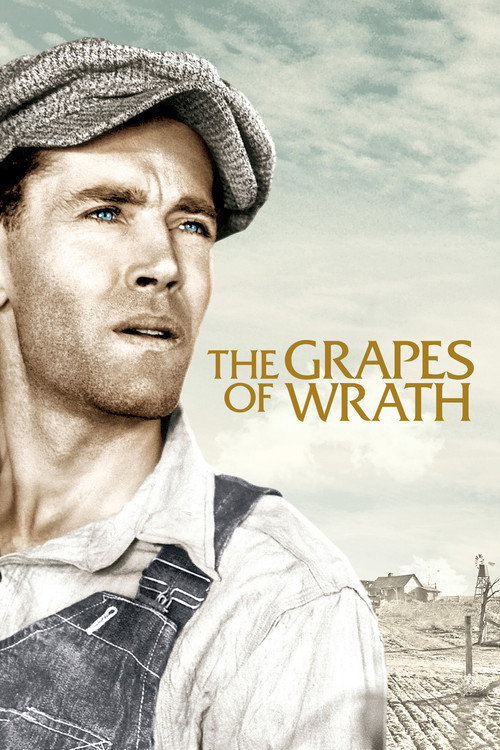
The Grapes of Wrath1940
The definitive Depression narrative: families in flight, dignity under economic collapse, the open road as both escape and trap. Eastwood's film shares its DNA and its moral weight, but finds warmth where this finds fury.
But Black and white, 1940s pacing, and a bleakness that doesn't lift—it's essential cinema but it demands patience and emotional stamina.
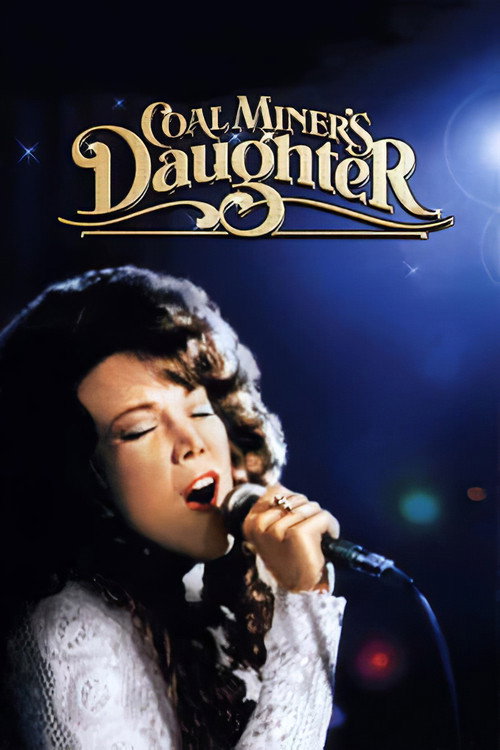
Coal Miner's Daughter1980
Sissy Spacek as Loretta Lynn: another American musician clawing upward from rural poverty, another film about talent and determination meeting circumstance. Spacek won the Oscar. It has the same mixture of love for country music and clear eyes about its cost.
But More conventional biopic machinery than Honkytonk Man, and it operates at a higher emotional pitch—less meditative, more dramatic.
The Ballad of Little Jo1993
A frontier woman passes as a man to survive the West. Like Honkytonk Man, it's a quiet revisionist western that cares less about heroics than about survival, dignity, and the gap between who we are and who we must pretend to be.
But Deliberately unglamorous, shot in muted tones, and it simmers rather than ignites. Some viewers find it slow and airless.

Not sure tonight? Get a pick in a minute, starting from Honkytonk Man
The wildcard
Something you would not have found on your own.
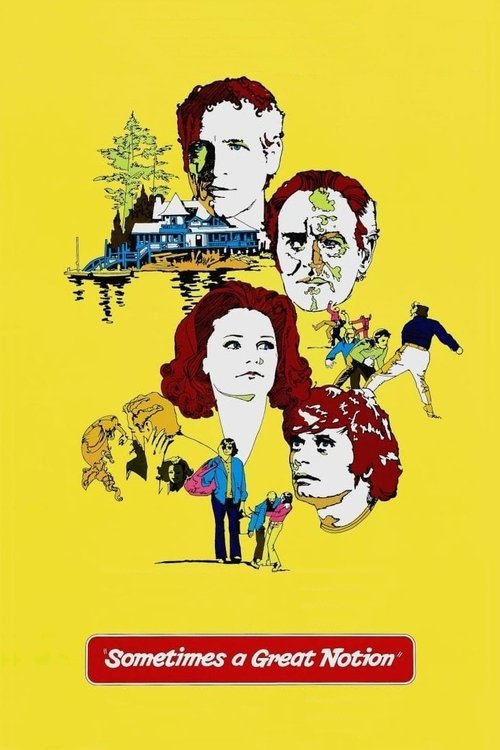
Sometimes a Great Notion1971
Both examine the mythology of American enterprise—music vs. logging—and ask what happens when men pour their lives into something that refuses to reward them. Both find dignity in the doing.
Paul Bunyan-sized logging epic about a family business and generational conflict in Oregon, directed by Paul Newman. Where Honkytonk Man finds poetry in smallness, this finds it in vastness and stubbornness. Both are myths about work and pride and the American West's refusal to die.
But It's 165 minutes, gorgeously shot, operatic in scale, sometimes overbearing. The opposite of Honkytonk Man's restraint, which means it can exhaust rather than soothe.
More like this (8)
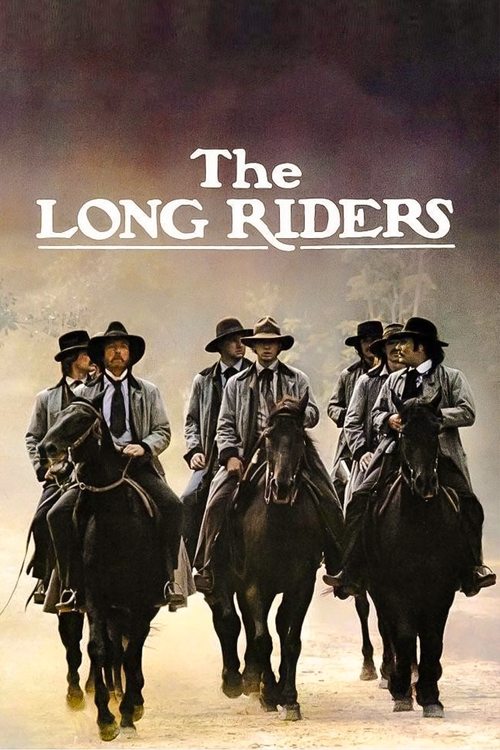
The Long Riders1980
Also directed by Eastwood (or rather, Walter Hill, but it's in his world), also a revisionist take on American outlaw legend. Pairs Eastwood with his son, as he does here—a film about fathers and legacy wrapped in western clothes.
But It's a revenge story with violence, which is a different thing entirely from Honkytonk Man's gentle ache. The tonal whiplash might feel jarring.
Winter Light1963
Bergman's film about a pastor adrift in faith and purpose. Share with Honkytonk Man a fascination with quiet failure, with men trying to do something meaningful when the world has moved on, with what remains when you strip away the mythology.
But It's Bergman in black and white, which means it can be glacial and abstract. Not a film that offers comfort.

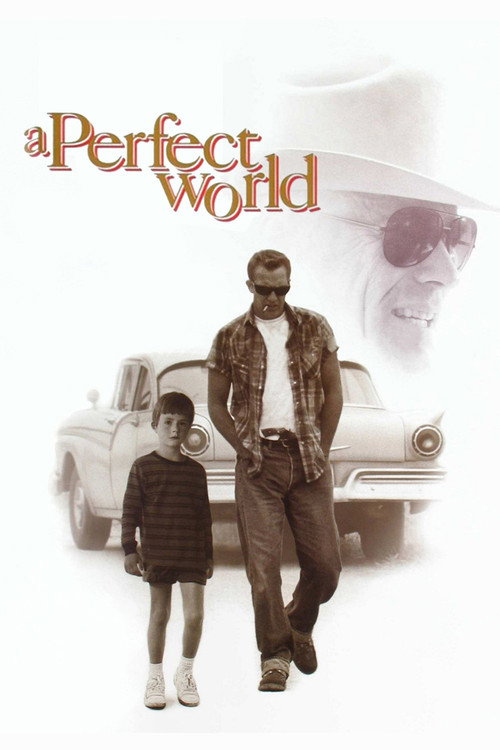
A Perfect World1993
Eastwood directs again, again with his son, again about an older man and a younger one in motion. Kevin Costner and T.J. Lowther on the road, fugitives and companions. The same interest in kindness between damaged people.
But It's a crime picture, so it carries narrative tension and ugliness that Honkytonk Man refuses. Darker in every register.
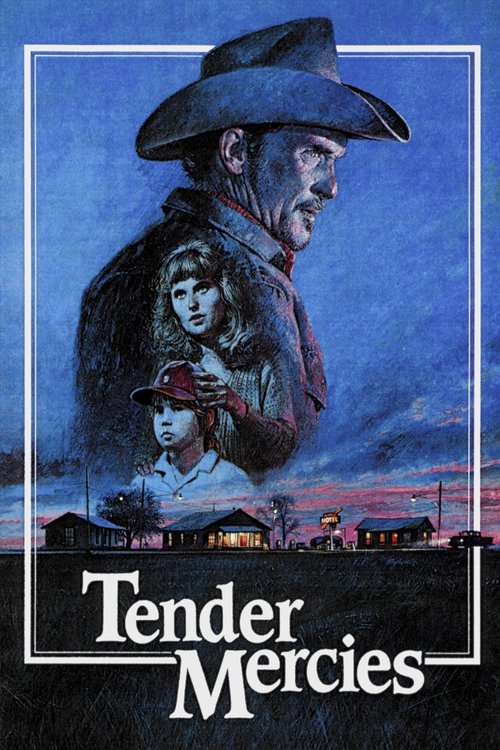
Tender Mercies1983
Robert Duvall as a washed-up country musician rebuilding his life in rural Texas. A film about grace, damage, and second chances. Made in the same year as Honkytonk Man and operating in the same emotional key.
But Nearly plotless—it accumulates small moments rather than dramatic events. If you want forward momentum, you won't find it here.
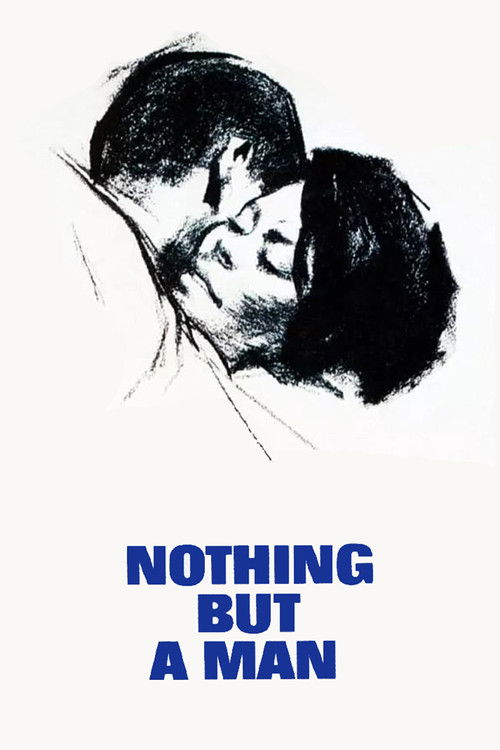
Nothing But a Man1964
Ivan Dixon as a railroad worker fighting for dignity in the segregated South. A modest, clear-eyed film about a man trying to hold onto his pride when every system is designed to take it. Shares Honkytonk Man's unsentimental humanism.
But It's a difficult watch—racism is the subject, not the backdrop—and it refuses to offer catharsis or triumph.
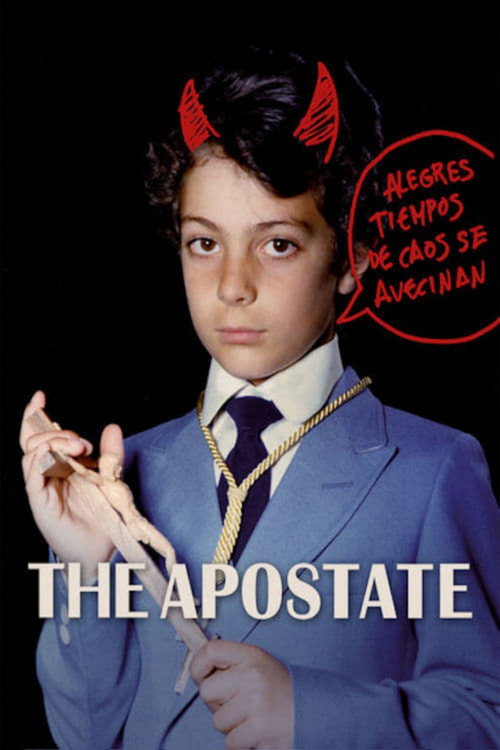
The Apostate2015
An Uruguayan film about a man working as a carpenter, living quietly, visited by the ghost of his political past. Meditative, formally precise, interested in the cost of survival and the spaces between words. A different country, a different story, same spiritual DNA.
But In Spanish, unsigned by any star, and built almost entirely from atmosphere and implication. If you prefer explicit narrative, you'll find it frustrating.
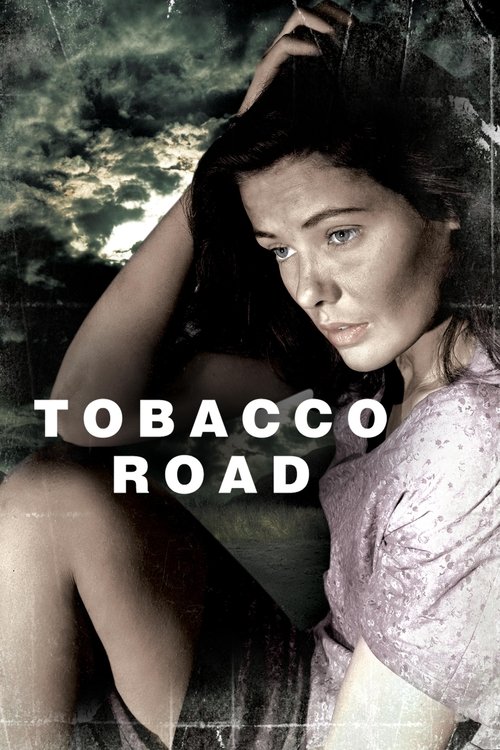
Tobacco Road1941
Both films love poor people without sentimentalizing them. Both are set during the Depression, both find humor and humanity in families with nothing, both were made by directors moving toward the end of their careers and looking backward.
John Ford's film of Depression-era Georgia poverty: a family barely holding on to a farm, squabbling and scheming and loving each other in equal measure. It's vaudeville and tragedy at once, comic and heartbreaking. Ford shot the same landscape Eastwood did, forty years earlier.
But It's darkly, almost grotesquely comic—the poverty is real but the treatment is theatrical. If you come looking for the tone of Honkytonk Man, you'll find it lurching sideways into farce.
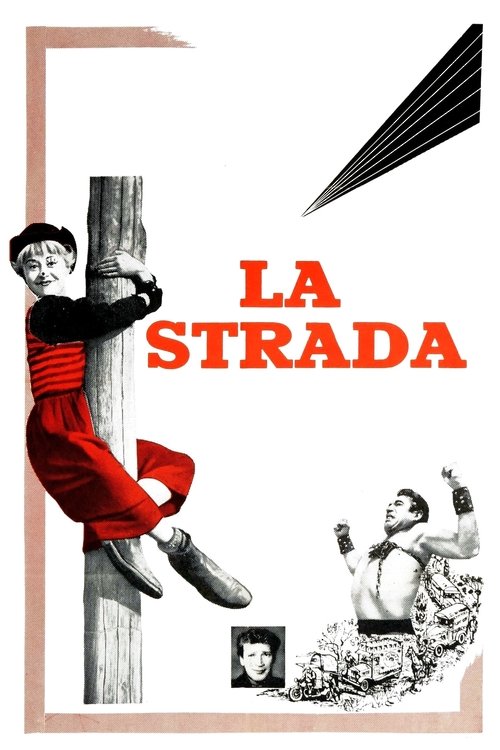
La Strada1954
Both are road movies where the journey matters more than the destination. Both find poetry in the companionship between a worldly, damaged adult and an innocent child. Both suggest that some bonds transcend explanation.
Fellini's masterpiece: a woman travels with a brutish circus strongman, their relationship a mystery of cruelty and tenderness. It's a road movie about the beauty of broken things, the strange bond between different souls. Subtitled, deeply strange, unforgettable.
But It's not a narrative film in any conventional sense—it accumulates impressions rather than telling a story. The strongman is violent. It's bleak. And nothing in American cinema quite prepares you for Fellini's moral architecture.
People
Cast
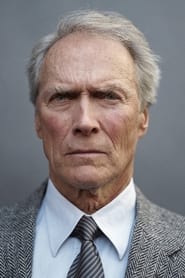 Clint EastwoodRed Stovall
 Kyle EastwoodWhit
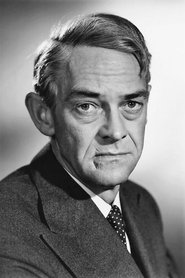 John McIntireGrandpa
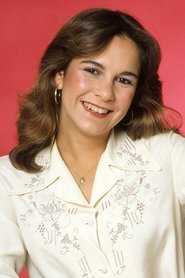 Alexa KeninMarlena
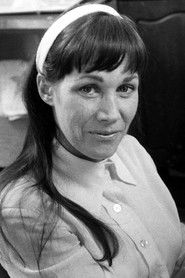 Verna BloomEmmy
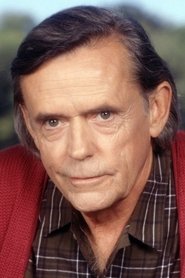 Matt ClarkVirgil
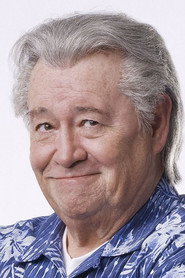 Barry CorbinArnspriger
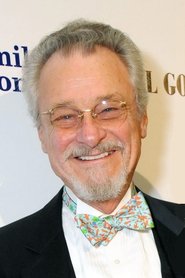 Jerry HardinSnuffy
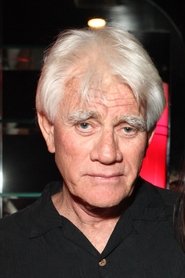 Tim ThomersonHighway Patrolman
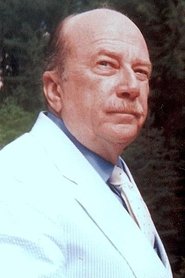 Macon McCalmanDr. Hines
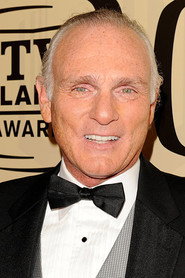 Joe RegalbutoHenry Axle
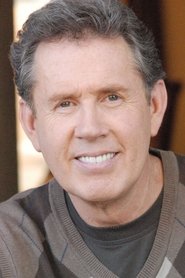 Gary GrubbsJim Bob
Directing
- Clint EastwoodDirector
- Tom SeidmanSecond Assistant Director
Writing
- Clancy CarlileNovel
- Clancy CarlileScreenplay
Production
- Phyllis HuffmanCasting
- Susan ArnoldCasting
- Fritz ManesExecutive Producer
- Clint EastwoodProducer