
Film
Tobacco Road
John Ford's 1941 adaptation of Erskine Caldwell's notorious novel about poor Georgia sharecroppers teetering on destitution. It's darkly comic and deeply uncomfortable—a Depression-era portrait of rural poverty that swings between slapstick and genuine pathos. For those curious about how Hollywood handled class in the early '40s.
Should you watch it?
Watch it if you enjoy bleakly funny Southern grotesques, where broad comic characters are allowed to be pitiable and the humour comes from sheer stubbornness and bad luck rather than from any wit in the dialogue.
Skip it if you want a film that moves briskly or resolves its characters kindly, since much of its 84 minutes is spent watching a family circle the same hopeless ground, and its comedy can feel stagy and loud.
What it asks of you: Patience with a static, stage-like rhythm and a tone that keeps tipping between laughter and unease; it rewards sitting with its ugliness rather than hurrying past it.
Not sure? Find tonight's pick in a minute.
If you liked this
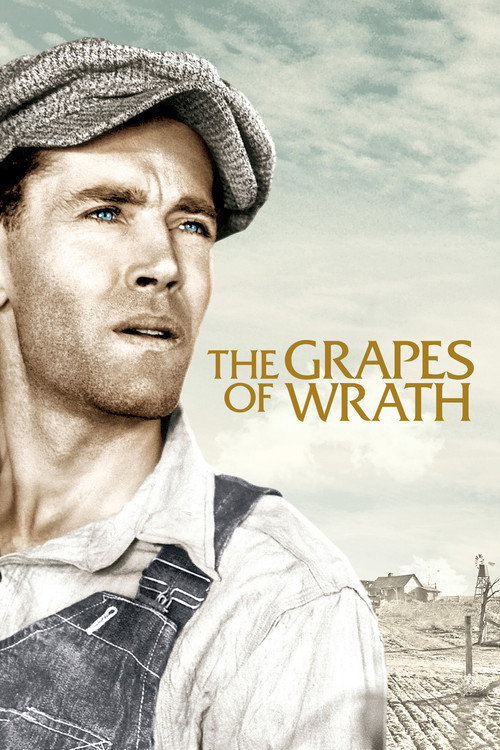
The Grapes of Wrath1940
Ford's earlier adaptation of Steinbeck, equally bleak about American rural suffering but with more narrative thrust. The Joad family's westward journey feels more mythic than Jeeter's trapped stagnation, but the moral clarity is similar.
But It's heavy and deliberate in ways that can feel slow. The ending is deliberately ambiguous in a way some find frustrating rather than profound.
Intolerance: Love's Struggle Throughout the Ages1916
D.W. Griffith's sprawling epic about how cruelty persists across centuries. Like Tobacco Road, it's fascinated by how systems grind people down, though it operates at epic rather than domestic scale. Structurally daring.
But It's nearly four hours of silent film, and Griffith's vision is sometimes confused. Some passages are genuinely difficult to parse.

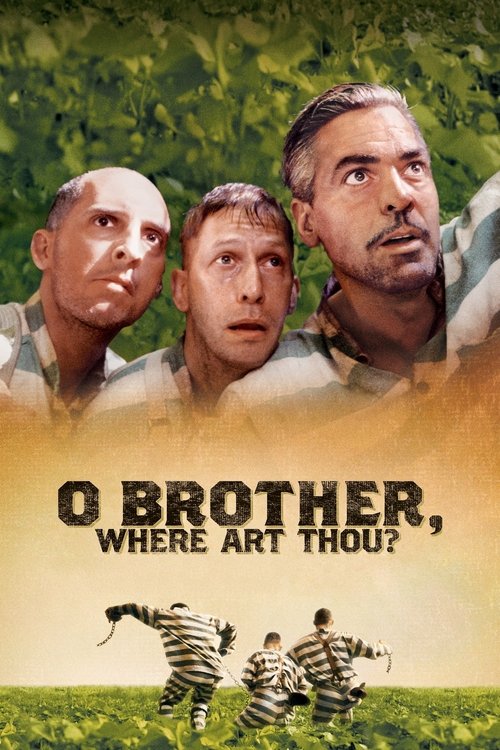
O Brother, Where Art Thou?2000
Coen Brothers' Depression-era Southern comedy with the same tonal instability—it's funny and sad and grotesque at once. Gene Hackman's convict has Jeeter's desperate resourcefulness and none of his dignity.
But It's more polished and arch than Tobacco Road. If you want raw discomfort, this feels too clever and designed.
Not sure tonight? Get a pick in a minute, starting from Tobacco Road
The wildcard
Something you would not have found on your own.
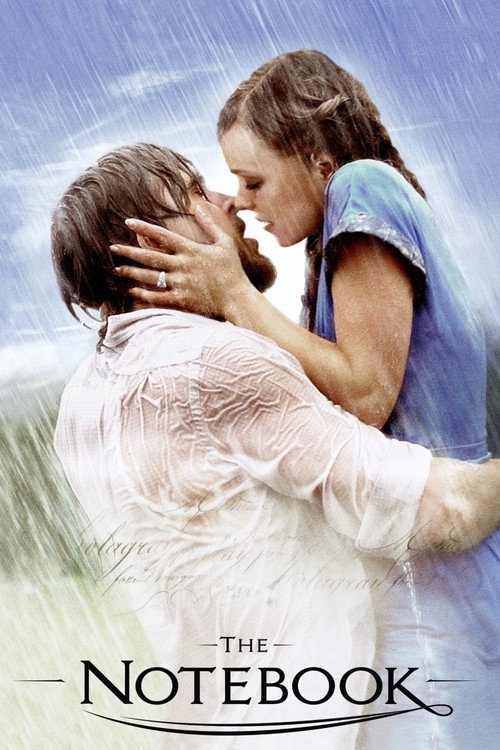
The Notebook2004
Both works are committed to showing poverty not as plot but as condition—how it shapes thought, relationship, sexuality, and self-regard. Neither offers escape or redemption as resolution.
Slovenian miniseries about a poor family's careful architecture of shame and survival. It has Tobacco Road's refusal to make poverty inspirational, and its willingness to show how deprivation damages the people inside it. Absolutely unglamorous.
But It's slow and unsettling in ways that feel documentary, not dramatic. Some viewers will find it punishing rather than illuminating. There's no narrative relief.
More like this (6)
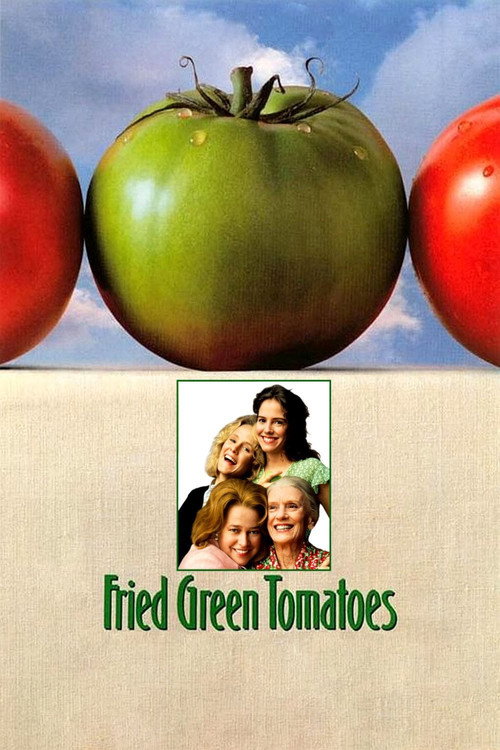
Fried Green Tomatoes1991
Southern women's lives and secrets in the Depression and beyond. It has the same regional specificity and the same complicated relationship with what poverty and isolation do to people, especially to bonds within families.
But It's sentimental in ways Tobacco Road studiously avoids. The frame story softens what the historical storyline depicts.
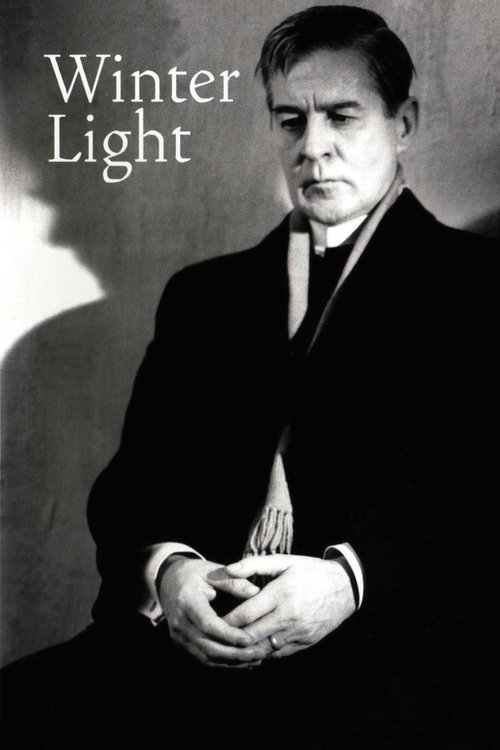
Winter Light1963
Bergman's brutal examination of rural despair and spiritual emptiness. The tone is closer to what Tobacco Road reaches for—bleakness as the ground truth, not as something overcome by pluck.
But It's cold, philosophical, and sparse. Almost no plot, and what happens is internal and muted. Longer than its runtime suggests.
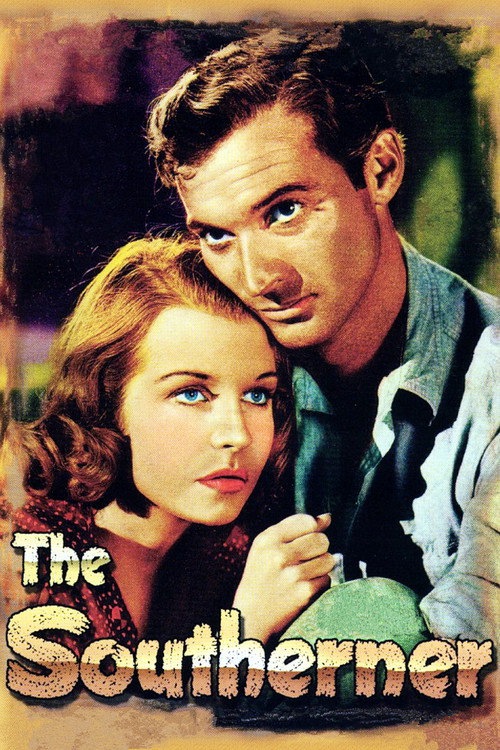
The Southerner1945
Jean Renoir's American film about Texas sharecroppers trying to hold on. More sympathetic than Tobacco Road but equally detailed about the work and the weight of poverty. Renoir finds dignity where Ford finds farce.
But It's slower and quieter than you might expect. There's less overt drama, more observation and endurance.
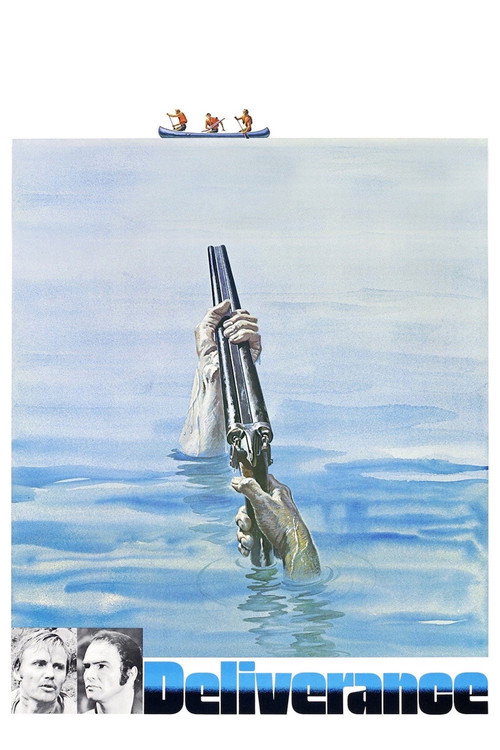
Deliverance1972
Modern Atlanta businessmen encounter Appalachian rural life and everything goes wrong. It's Southern gothic in a different register—scarier and more explicitly violent—but obsessed with the same class friction and regional resentment.
But It's brutal and tense rather than darkly comic. The canoe journey framework can feel like a genre exercise on top of its themes.
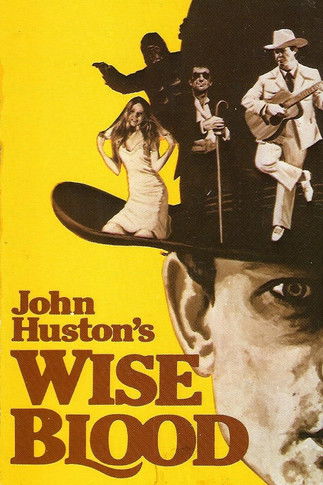
Wise Blood1979
John Huston adapts Flannery O'Connor's grotesque Southern novel about a religiously adrift young man in Tennessee. O'Connor shares Caldwell's fascination with the strange spiritual hunger in poor rural souls.
But It's weird and alienating, even by indie standards. Its humor is aggressive and the characters are often unlikeable in ways the film doesn't soften.
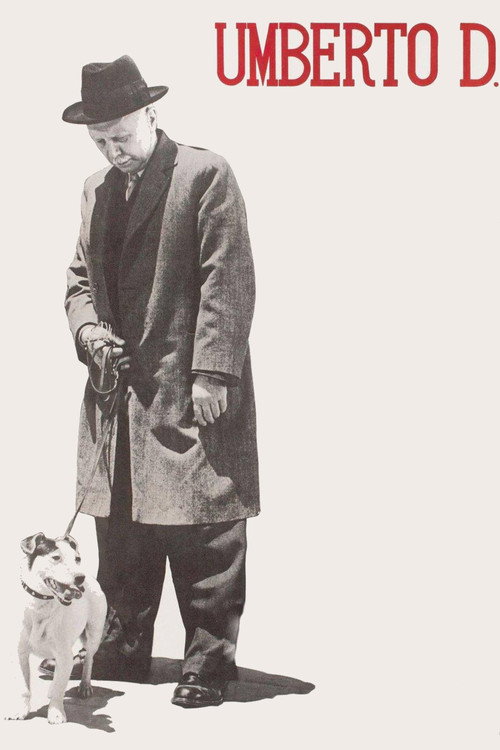
Umberto D.1952
Both films center on the rituals of survival in poverty and refuse to sentimentalize their subjects. But where Ford uses grotesque comedy, De Sica uses visual poetry—different languages, same moral clarity.
De Sica's Italian neorealist masterpiece about an elderly pensioner and his dog trying to survive in Rome. It has Tobacco Road's unflinching look at how financial desperation erodes dignity, but it's shot with such tenderness that the tragedy becomes almost unbearable.
But It's subtitled and moves at the pace of an old man's day. Plot is minimal. Some find the slowness meditative; others find it punishing.
People
Cast
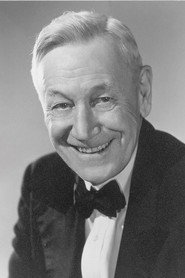 Charley GrapewinJeeter Lester
 Marjorie RambeauSister Bessie Rice
 Gene TierneyEllie May Lester
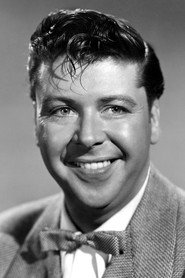 William TracyDude Lester
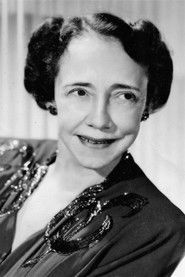 Elizabeth PattersonAda Lester
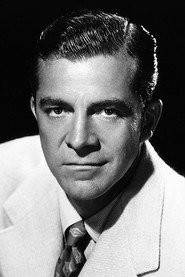 Dana AndrewsCapt. Tim Harmon
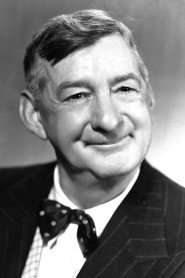 Slim SummervilleHenry Peabody
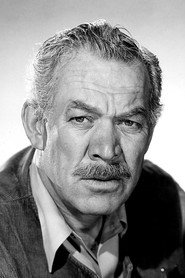 Ward BondLov Bensey
 Grant MitchellGeorge Payne
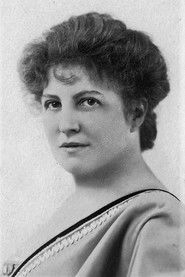 Zeffie TilburyGrandma Lester
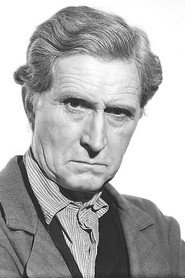 Russell SimpsonChief of Police
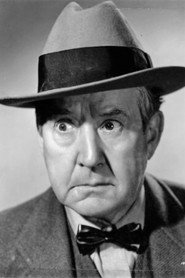 Spencer ChartersCounty Clerk
Directing
- John FordDirector
Writing
- Erskine CaldwellNovel
- Nunnally JohnsonScreenplay
- Jack KirklandTheatre Play
Production
- Darryl F. ZanuckProducer
Recommended by
Parrish, Desire Under the Elms, The Southerner, Honkytonk Man, Follow That Dream