
Film
The Southerner
Jean Renoir's American masterpiece follows a sharecropper family clawing toward dignity through farming. Shot in Depression-era rural Texas, it's attentive to weather, exhaustion, and small victories—how people survive not just hardship, but the systems designed to keep them down. Humanist cinema at its most unsentimental.
If you liked this
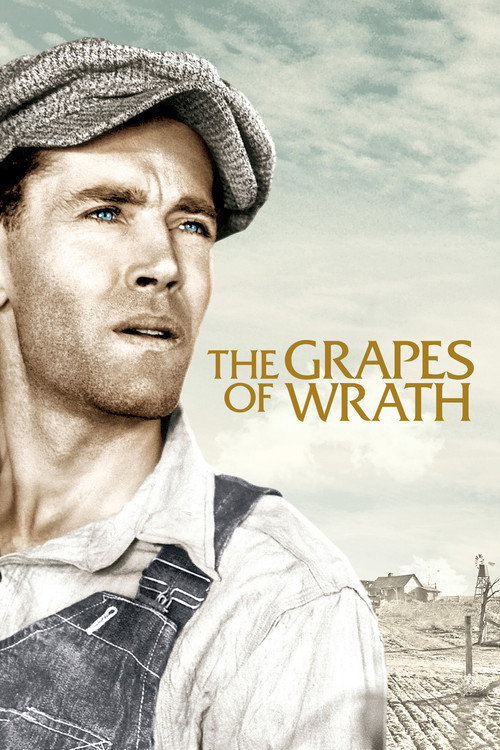
The Grapes of Wrath1940
Ford's canonical Depression epic shares Renoir's unflinching look at economic displacement and family resilience. Fonda's performance anchors the desperation without melodrama.
But Heavier-handed than Renoir, with broader social messaging that can feel didactic alongside The Southerner's quiet moral clarity.
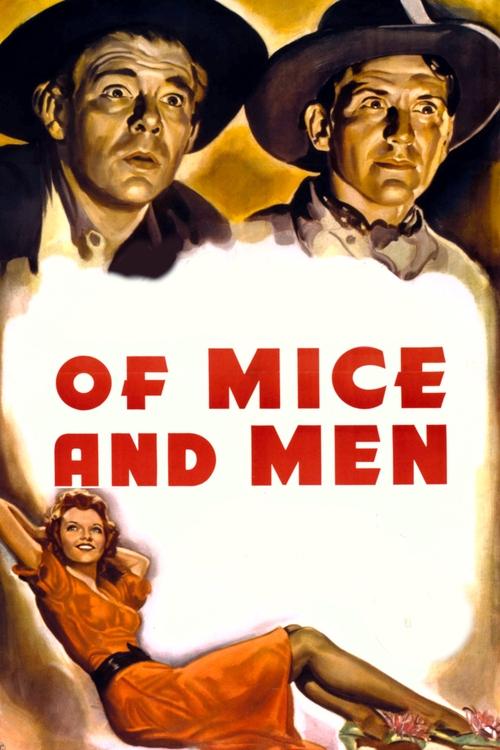
Of Mice and Men1939
Intimate portrait of working men's fragile dreams, grounded in the same soil. Lonnie and George's bond has the texture and weight of the Tucker family's relationships.
But More claustrophobic and fatalistic. If you want the transcendence in The Southerner, this leans harder into tragedy.
Winter Light1963
Bergman strips away pretense to study faith, endurance, and what holds communities together. Same unflinching eye; different landscape and crisis.
But Philosophically dense and stark. No plot momentum—entirely a matter of internal weather and spiritual accounting.

Not sure tonight? Get a pick in a minute, starting from The Southerner
The wildcard
Something you would not have found on your own.
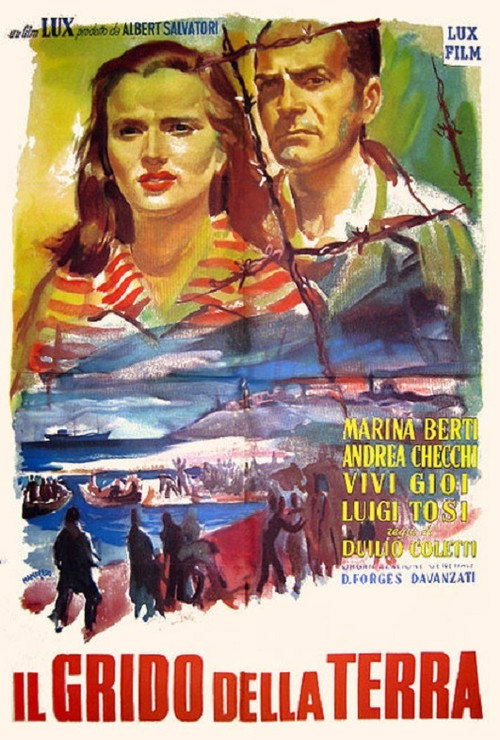
The Earth Cries Out1949
Both films locate heroism in the unglamorous fact of showing up to work every day despite systems rigged against you. Same director (Renoir) actually inspired this film—it's a direct spiritual descendant made in another country.
Brazilian rural epic about a family's impossible struggle against drought and debt. Same moral seriousness about agricultural survival and dignity; shot in documentary style that makes it feel lived-in rather than performed.
But In Portuguese with no English subtitles readily available outside festivals. Requires real effort to find and watch. Slower and even less plot-driven than Renoir.
More like this (6)
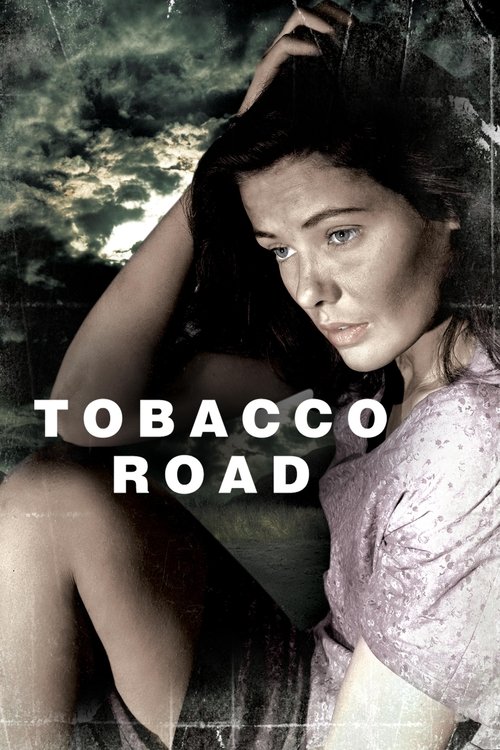
Tobacco Road1941
Also set in Depression rural America, also about survival and dignity threatened by circumstance. Directed by John Ford with similar eye for authentic detail.
But Darker and more grotesque in tone. Less sympathetic to its characters, which some find bracing and others find cruel.
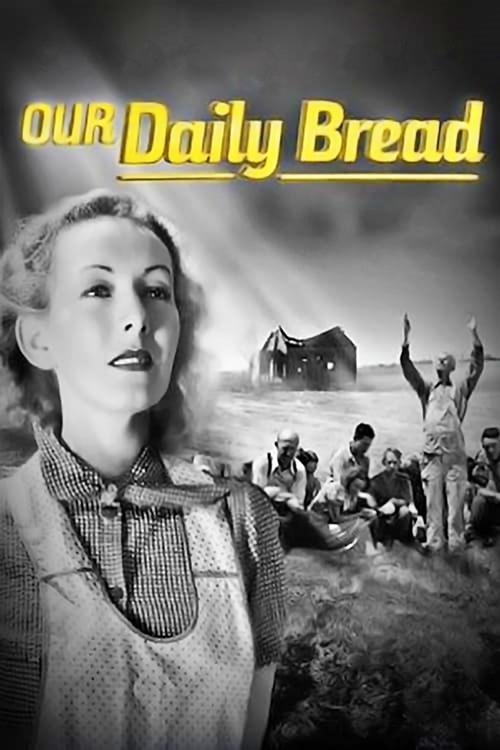
Our Daily Bread1934
King Vidor's collective-farming parable about urban refugees trying to build community from nothing. Utopian energy that complements Renoir's pragmatism.
But Propagandistic undertones about cooperative living. The idealism can feel dated or preachy depending on your tolerance for 1930s socialism.
The River1951
Renoir's own meditation on place, family, and India. Similar compositional grace and refusal to condescend to his characters' interior lives.
But Entirely different setting and culture. If you want American Depression cinema, this is geographically and emotionally elsewhere.

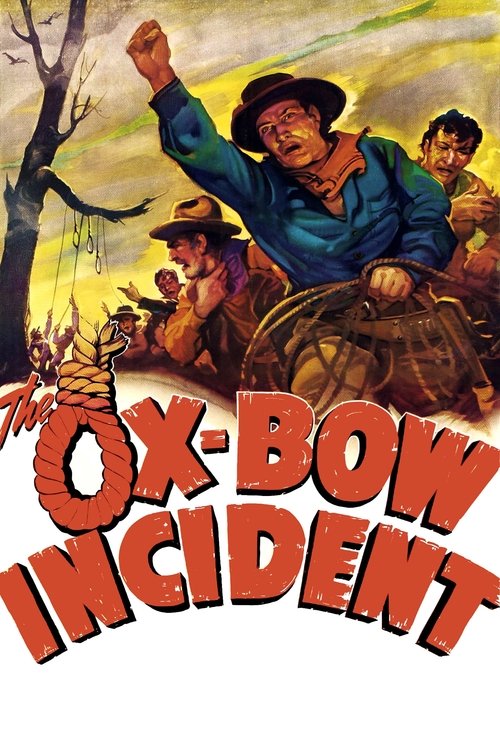
The Ox-Bow Incident1943
Henry Fonda in frontier brutality. Shares The Southerner's examination of how systems and prejudice trap ordinary people—just swaps farming for a lynch mob.
But Morality play that can feel schematic. More interested in indicting injustice than inhabiting its characters' lives moment to moment.
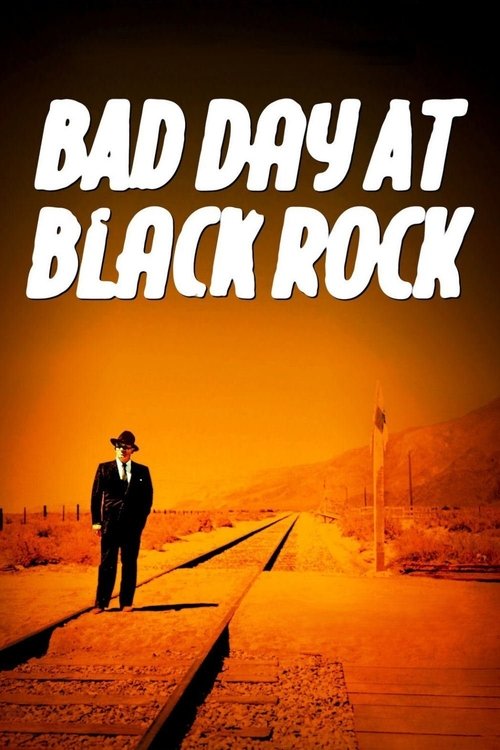
Bad Day at Black Rock1955
Spencer Tracy in desert isolation, threatened by a small community's cruelty. Economic precarity and isolation echo the Tuckers' vulnerability.
But Thriller mechanics overshadow character study. Less interested in the texture of survival, more in plot momentum and confrontation.
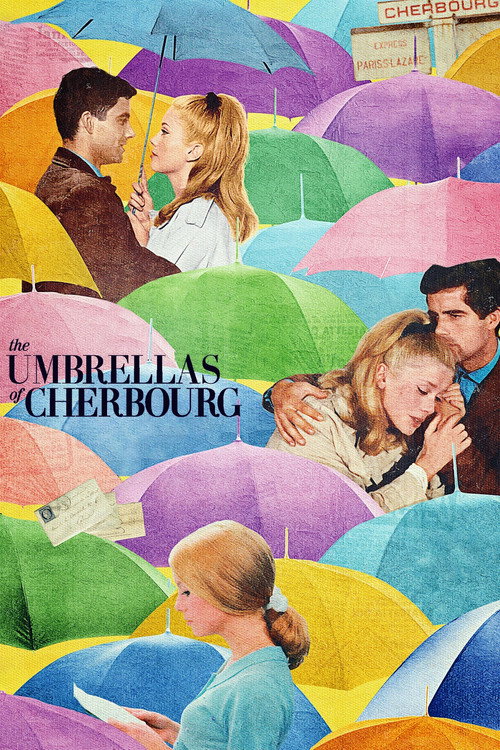
The Umbrellas of Cherbourg1964
Both films locate the real drama in how money and circumstance prevent people from staying together or building what they want. One is realist; one is fantasy. Same skeleton underneath.
Demy's musical about young lovers separated by class and circumstance. Opposite genre—candy-colored, dancing, songs—but structurally identical to The Southerner: people wanting to build a future together, economics pulling them apart.
But If you come for agricultural despair, you'll be baffled by primary colors and orchestral romance. The tonal whiplash is the entire point.
People
Cast
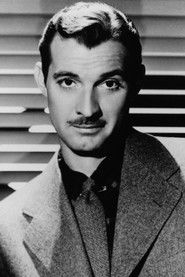 Zachary ScottSam Tucker
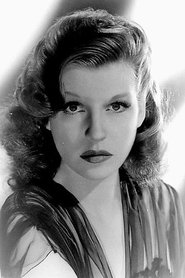 Betty FieldNona Tucker
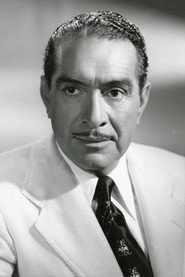 J. Carrol NaishDevers
 Beulah BondiGranny Tucker
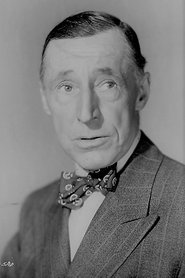 Percy KilbrideW. Harmie
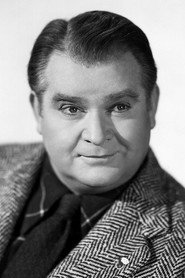
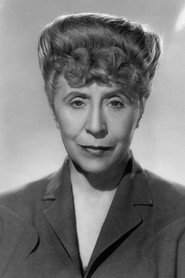 Blanche YurkaMama Tucker
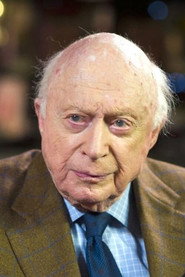 Norman LloydFinlay
 Estelle TaylorLizzie
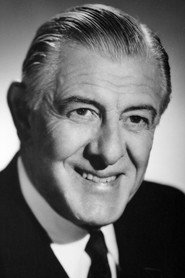 Paul HarveyRuston
 Noreen NashBecky Devers
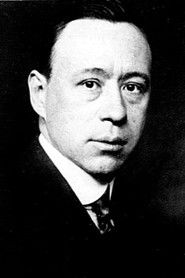 Paul E. BurnsUncle Pete Tucker
Directing
- Robert AldrichAssistant Director
- Jean RenoirDirector
Writing
- Hugo ButlerAdaptation
- George Sessions PerryNovel
- Jean RenoirWriter
- Nunnally JohnsonWriter
- William FaulknerWriter