
Film
Our Daily Bread
Other titles called Our Daily Bread: the 2006 film.
A 1934 Depression-era drama about city dwellers who abandon urban poverty to build a cooperative farming commune. It's earnest, visually striking, and quietly radical—less interested in romance than in collective survival. For viewers drawn to social cinema with a documentary eye and genuine belief in solidarity, even when that belief now reads as naive.
Should you watch it?
Watch it if you like patient, earnest social dramas where a group of strangers figure out how to work together, and you don't mind a 1930s picture that wears its ideals on its sleeve.
Skip it if the speechifying is blunt and the sentiment comes thick, so if you need subtle performances or sharp pacing, the stiff early-sound staging may test your patience.
What it asks of you: Runs a brisk 80 minutes but lingers over the daily grind itself: long stretches of plain labor and communal meetings, with hope that builds slowly rather than snapping forward.
Not sure? Find tonight's pick in a minute.
If you liked this
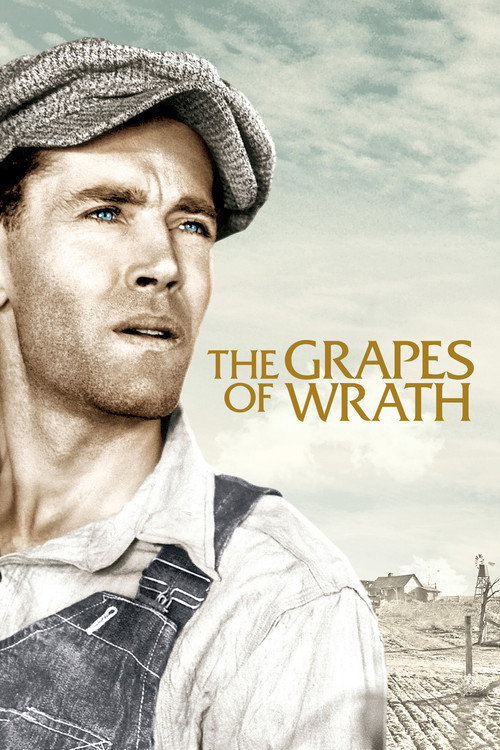
The Grapes of Wrath1940
John Ford's masterpiece about Dust Bowl displacement captures the same Depression desperation and rural migration, but with deeper characterization and Gregg Toland's luminous cinematography. Heartbreaking and essential.
But Nearly three hours, and the ending offers no comfort—only endurance. The pacing is deliberate; this is not entertainment.
Intolerance: Love's Struggle Throughout the Ages1916
D.W. Griffith's ambitious epic about collective human struggle across centuries. Like Our Daily Bread, it's visually daring, ideologically committed, and sees cinema as a tool for social argument rather than mere story.
But At three-and-a-half hours, it's formally experimental in ways that feel distant now. The racial politics, though progressive for 1916, are deeply problematic.

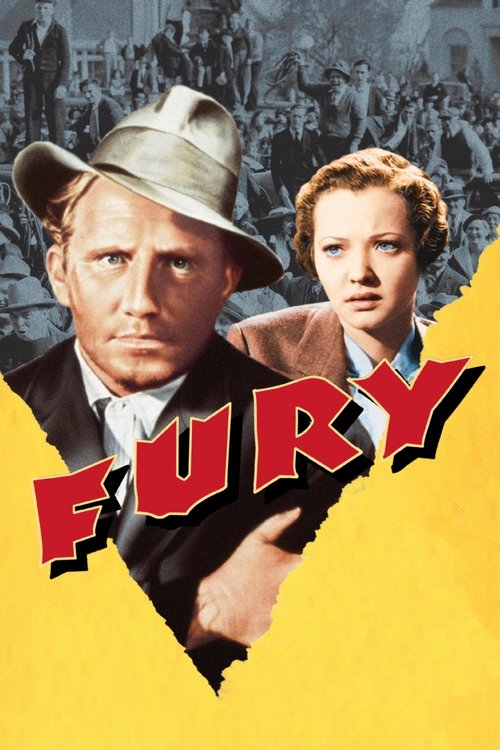
Fury1936
Fritz Lang's American debut examines mob justice and social breakdown with the same anxious energy. Spencer Tracy's ordinariness grounds the horror—he could be anyone, which is precisely the point.
But It's a thriller, not a utopia—bleak where Our Daily Bread tries to be hopeful. The violence is sudden and ugly.
Not sure tonight? Get a pick in a minute, starting from Our Daily Bread
The wildcard
Something you would not have found on your own.
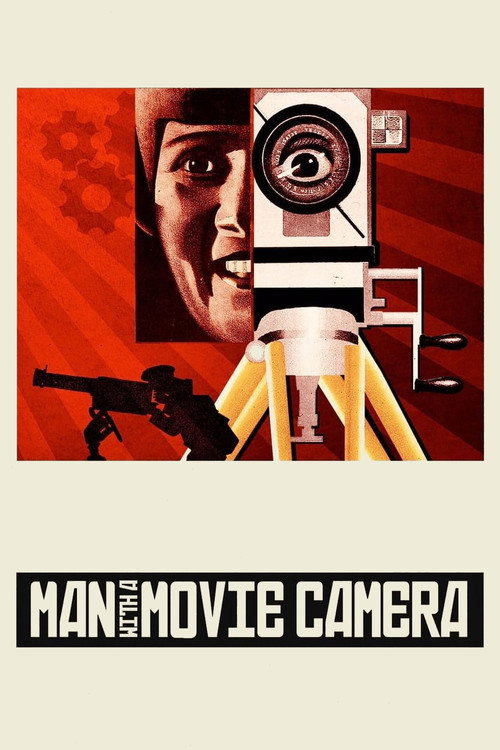
Man with a Movie Camera1929
Both are ideological films about collective human effort, but Vertov abandons narrative entirely to show labor as the spectacle itself. Our Daily Bread dramatizes the dream; Vertov documents the machinery beneath it.
Dziga Vertov's avant-garde Soviet documentary about urban labor, collective effort, and cinema as evidence of transformation. Like Our Daily Bread, it's a utopian text made through radical form—showing what Soviet workers could build together.
But No plot, no dialogue, no characters. It's a 68-minute visual argument that demands active viewing. You cannot passively watch it.
More like this (7)
Sunrise: A Song of Two Humans1927
F.W. Murnau's silent masterpiece about rural life, temptation, and redemption through simple devotion. Visually ravishing and surprisingly moving about what matters in ordinary life.
But It's silent, which means commitment. And it's about a marriage rather than collective action—the emotional register is intimate rather than social.

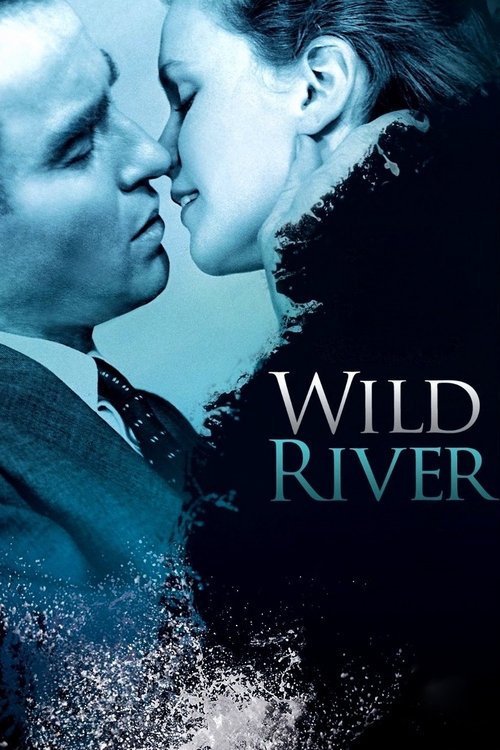
Wild River1960
Elia Kazan explores Tennessee Valley Authority workers, rural displacement, and the tension between progress and tradition. Beautifully shot in color, morally complicated, genuinely interested in how communities change.
But Montgomery Clift and Lee Remick are the romantic center, which dilutes the social argument. The pacing is leisurely—it trusts you to sit with ambiguity.
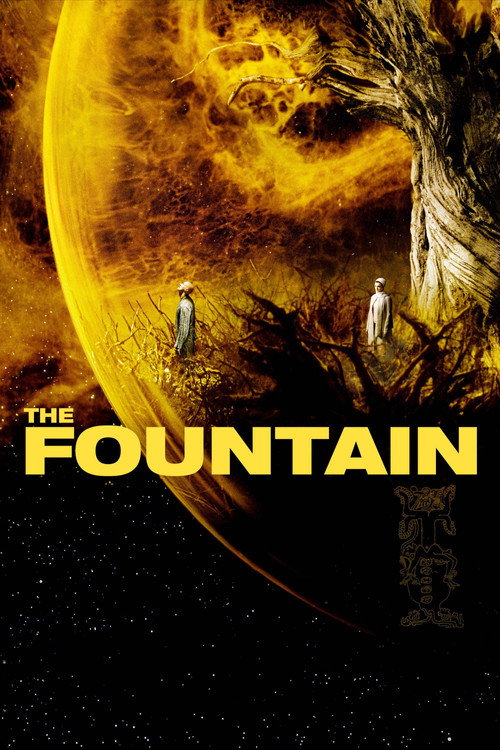
The Fountain2006
Darren Aronofsky's three-timeline meditation on love, mortality, and what we build together. Like Our Daily Bread, it believes in human connection as a kind of resistance against entropy and loss.
But It's visually and narratively demanding. Some find it pretentious or emotionally manipulative. The score is overwhelming.
Stalker1979
Andrei Tarkovsky's Soviet science-fiction film about pilgrimage, desire, and collective meaning-making. Formally patient, philosophically rigorous, about people trying to reach something transcendent together.
But It's 163 minutes of slow cinema with minimal plot. If you need narrative momentum or entertainment, it will feel interminable.

The Ballad of Little Jo1993
Maggie Greenwald's quiet film about a woman surviving on the frontier through deception and self-determination. Beautifully made, genuinely interested in rural hardship and adaptation without sentimentality.
But Period piece about a woman passing as a man; the revisionist Western mode may feel dated. Low budget shows in some scenes.

Harvest1937
Marcel Carné's lyrical French film about rural life and young love during agricultural labor. Shares Our Daily Bread's documentary approach to work and landscape, with more sophistication about class and desire.
But It's in French with subtitles. The romantic elements overshadow the social argument. Print quality varies significantly.
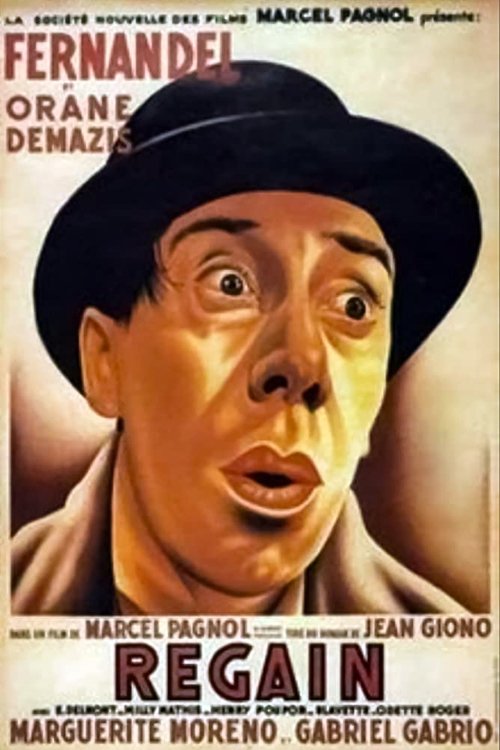
The Battle of Algiers1966
Both films believe cinema can show how ordinary people make extraordinary things together. But where Our Daily Bread is pastoral and hopeful, Algiers is urban, violent, and understands that liberation requires conflict.
Gillo Pontecorvo's urgent docudrama about a people organizing for liberation. Shot like a thriller but structured as a political argument. The closest thing cinema has to radical cinema—no sentimentality, only the necessity of collective action.
But It's about urban warfare and occupation. If you approach it naively as a thrilling 'good guys versus bad guys' story, you will miss the entire point and be uncomfortable.

People
Cast
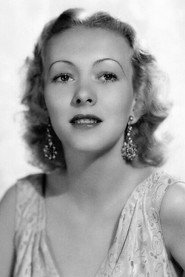 Karen MorleyMary Sims
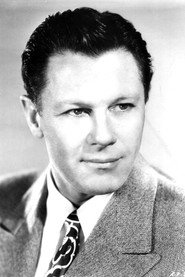 Tom KeeneJohn Sims
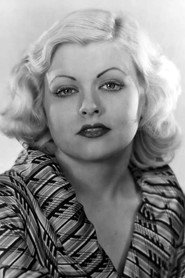 Barbara PepperSally
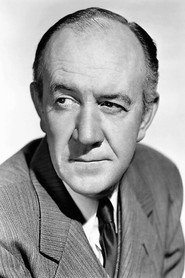 Addison RichardsLouie
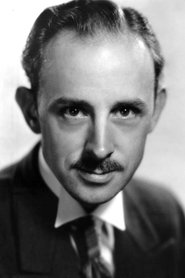 John QualenChris (as John T. Qualen)
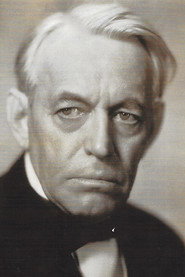 Lloyd IngrahamUncle Anthony
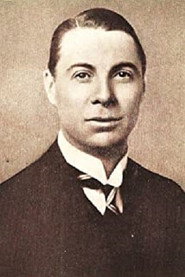 Sidney BraceyRent Collector
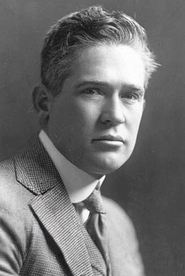 Henry HallFrank - the Carpenter
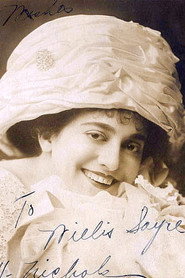 Nellie V. NicholsMrs. Cohen (as Nellie Nichols)
- Frank MinorPlumber
- Bud RaeStonemason
- Harry BrownLittle Man
Directing
- Ralph SlosserAssistant Director
- King VidorDirector
Writing
- Joseph L. MankiewiczDialogue
- Elizabeth HillScenario Writer
- King VidorStory
- King VidorWriter
Production
- Ray HansonCasting
- King VidorProducer
- Vernon KeaysProduction Manager