
Film
Wild River
Elia Kazan's 1960 drama finds a young TVA official navigating collision between progress and tradition in Depression-era Tennessee. Montgomery Clift wades through community resistance, environmental upheaval, and his own idealism as he falls for a local woman while trying to relocate an obstinate farmer from her island home. Quietly political, deeply human.
Should you watch it?
Watch it if you enjoy quiet, adult dramas where big public arguments play out through stubborn ordinary people and a romance that never quite says what it means.
Skip it if you need brisk plotting or a clear villain, since the conflict spreads across slow, talky stretches and the mood stays muted throughout.
What it asks of you: Expect a settled evening and steady attention: the pace is deliberate, the camera lingers on faces and silences, and its weight builds rather than arrives.
Not sure? Find tonight's pick in a minute.
If you liked this
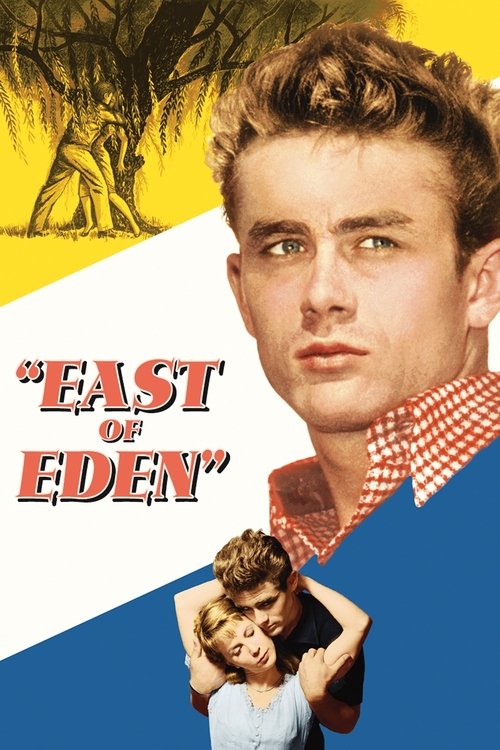
East of Eden1955
Another Kazan-Clift collaboration that examines generational conflict and moral ambiguity in rural America. If Wild River moved you, this earlier pairing has even sharper emotional stakes and Clift at his most vulnerable.
But The melodrama can feel overwrought compared to Wild River's restraint. At 115 minutes, it demands patience with its slower passages.
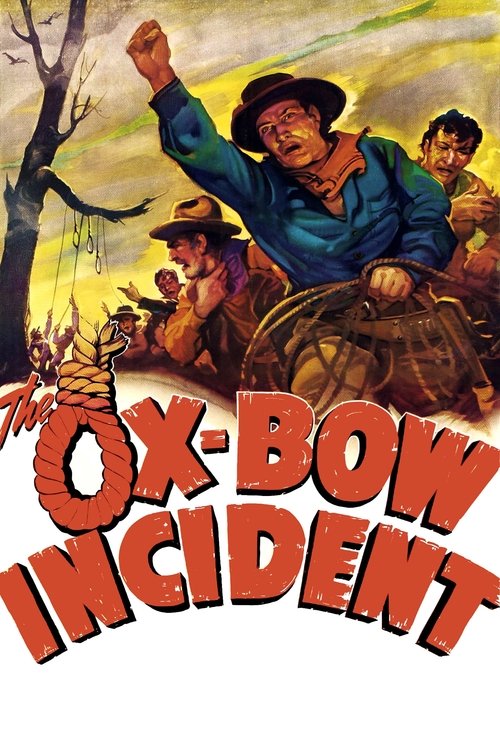
The Ox-Bow Incident1943
Like Wild River, it's a contained drama about a community making a consequential moral choice under pressure. The stakes are life-and-death rather than bureaucratic, but the tension between individual conscience and group will resonates deeply.
But It's in black-and-white and feels like a stage play. The pacing is deliberate—some will find it stagey rather than cinematic.
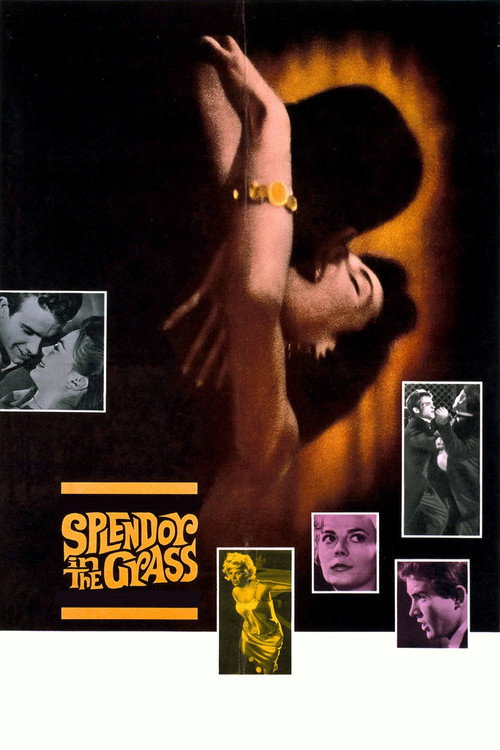
Splendor in the Grass1961
Released a year after Wild River, it has Kazan's same interest in desire thwarted by social constraint and class conflict. Warren Beatty and Natalie Wood's romance unfolds against the same cultural pressures Clift encounters.
But It's more obviously romantic melodrama than Wild River. If you're looking for subtlety, the emotional peaks here are louder.
Not sure tonight? Get a pick in a minute, starting from Wild River
The wildcard
Something you would not have found on your own.
Stalker1979
Both films are about outsiders bringing change to communities that resist it, but where Wild River shows conflict as political, Stalker shows it as existential. Tarkovsky asks what progress even means; Kazan shows what it costs.
Andrei Tarkovsky's science-fiction meditation on desire, faith, and the impossibility of progress. A guide escorts two men into a mysterious zone—like Clift's bureaucrat, they're navigating between worlds that cannot reconcile. Hypnotic and philosophical rather than plot-driven.
But It's 163 minutes of deliberate, meditative cinema with long takes and minimal dialogue. If you want narrative momentum, you will be frustrated.

More like this (8)
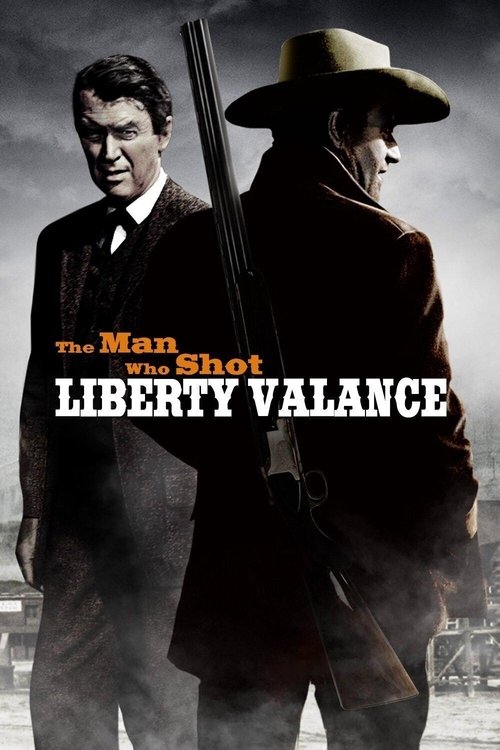
The Man Who Shot Liberty Valance1962
John Ford's meditation on civilization versus frontier, law versus custom. It shares Wild River's interest in how communities resist or accept change, told with Ford's mythic weight and James Stewart's moral uncertainty.
But It's a Western, which carries its own conventions. Some find Ford's nostalgic view of the frontier sentimental rather than critical.
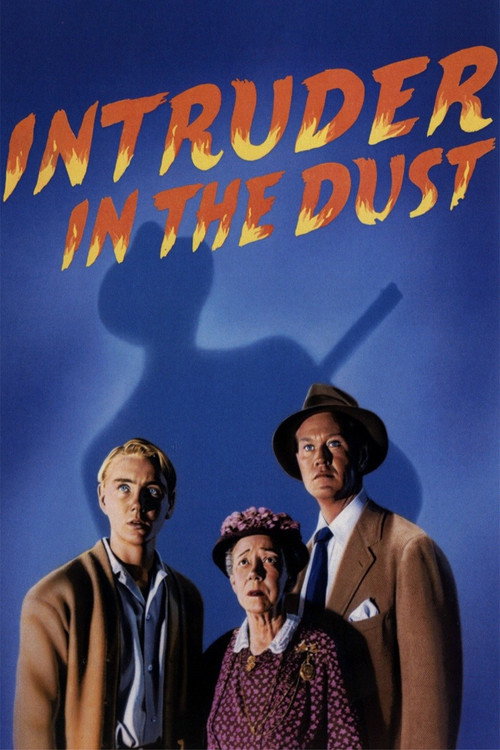
Intruder in the Dust1949
Another adaptation of a William Faulkner novel (like Kazan's), set in the South and concerned with race, tradition, and a young man's moral education. The racial politics feel lived-in, not preachy.
But It predates Wild River and shows its age technically. The pacing is slow even by period standards.
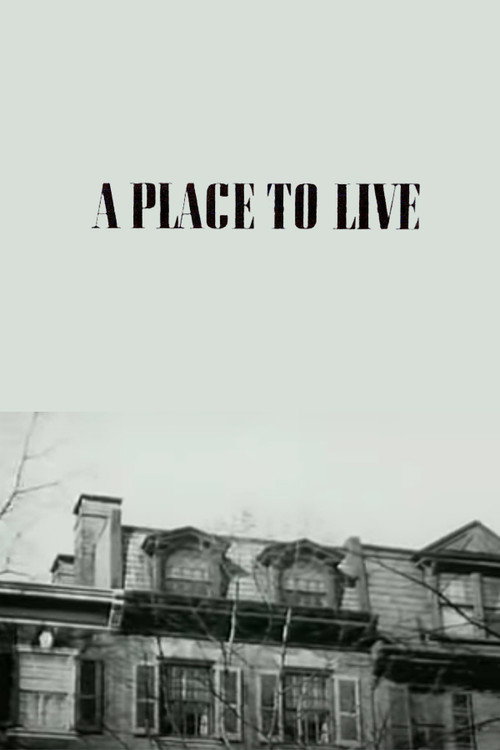
A Place to Live1941
A Depression-era documentary about housing and community displacement. Watching it after Wild River adds documentary weight to Kazan's fictional eviction plot—you see the real thing that inspired the story.
But It's a short documentary, only 20 minutes. Some want narrative drive rather than observational evidence.
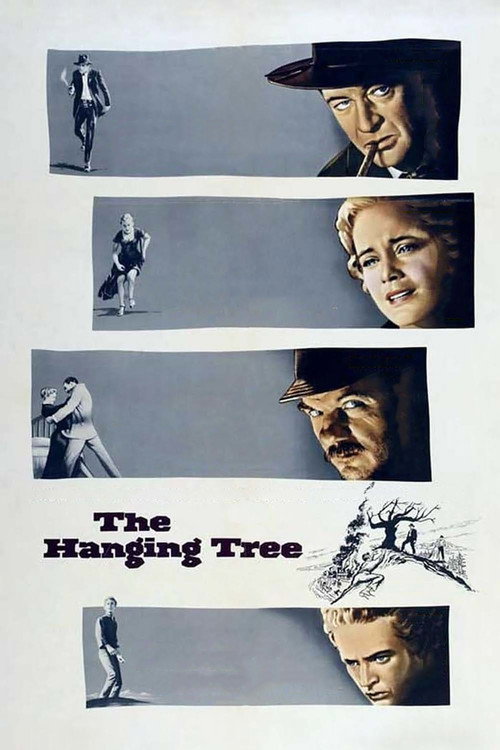
The Hanging Tree1959
Gary Cooper in a Western dealing with community justice, prejudice, and an outsider trying to do right in a hostile place. The moral complexity echoes Wild River's central tensions.
But It's a Western, and it wears that genre more comfortably than Wild River wears realism. The mythmaking can obscure the politics.
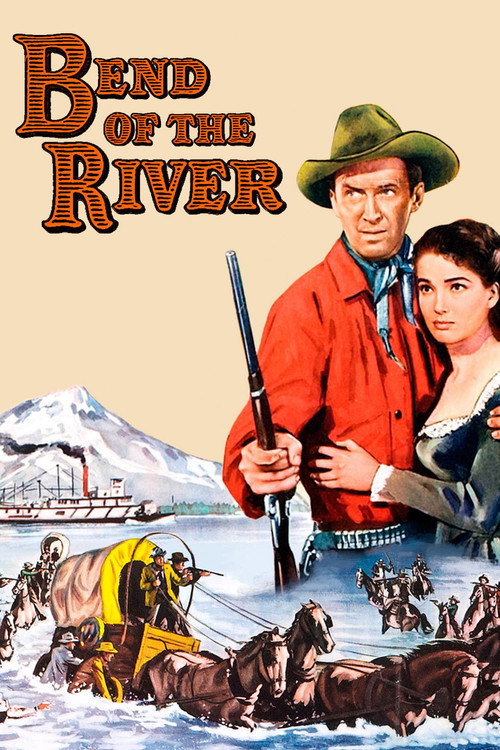
Bend of the River1952
Anthony Mann's Western about settlers building community and dealing with greed, displacement, and competing visions of progress. The environmental and social stakes feel modern.
But It's primarily an action-adventure film. If you're coming from Wild River looking for political drama, the spectacle may distract.
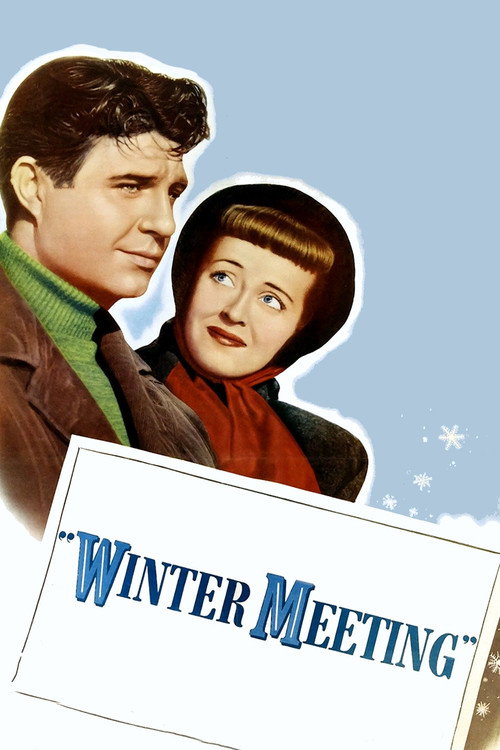
Winter Meeting1948
Bette Davis and James Davis in a chamber drama about intellectual and emotional incompatibility. The restraint and the focus on conversation over action parallels Wild River's approach.
But It's slight and interior. After Wild River's landscape and social stakes, this may feel too small and intimate.
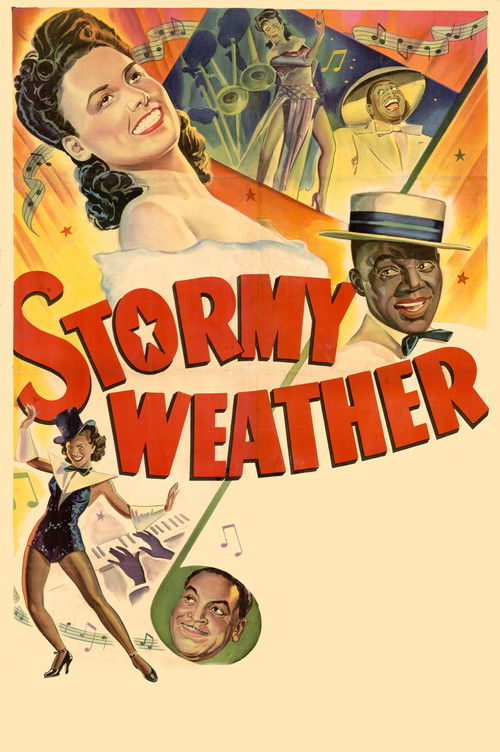
Stormy Weather1943
Wild River engages seriously with Black labor and racial tension in the South. Stormy Weather is the same era, the same America, but invisible in Kazan's film—an entire culture of artistry and glamour that existed simultaneously and separately. Watch them as a diptych about what gets seen and what doesn't.
All-Black Hollywood musical with Lena Horne, Bill Robinson, Cab Calloway. Dazzling, joyful, and it exists in a completely different register from Wild River—pure entertainment and artistry rather than social realism.
But It's a musical revue, not a narrative film. The plot is thin and the style is at odds with any social critique. It asks for pleasure, not thought.
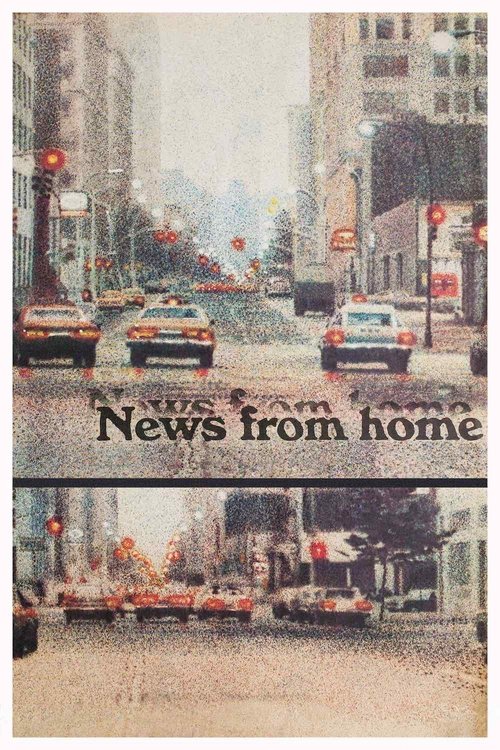
News from Home1976
Both films are about displacement and the meaning of home—but where Wild River shows a woman losing her physical place, Akerman shows the emotional displacement of being away from it. One is political and realist; the other is personal and lyrical. But both believe that home matters, and that losing it changes you fundamentally.
Chantal Akerman's experimental film uses letters from her mother read aloud over shots of New York City streets. Meditative, intimate, austere. Nothing plot-like happens, yet everything is at stake: belonging, duty, distance, home.
But It's 85 minutes of nearly still shots and a woman's voice reading letters. If you're used to narrative film, this will feel like it's not doing anything.
People
Cast
 Montgomery CliftChuck Glover
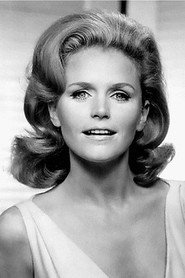 Lee RemickCarol Garth Baldwin
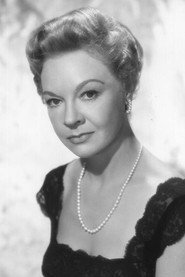 Jo Van FleetElla Garth
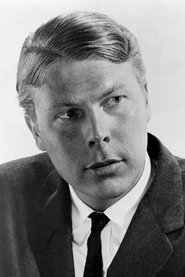 Albert SalmiHank Bailey
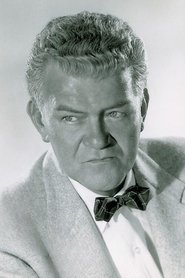 Jay C. FlippenHamilton Garth
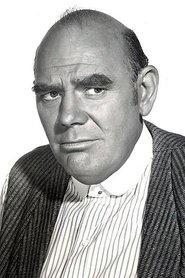 James WesterfieldCal Garth
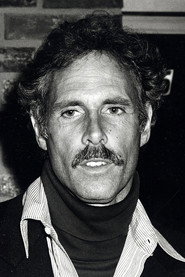 Bruce DernJack Roper
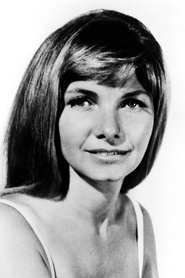 Barbara LodenBetty Jackson
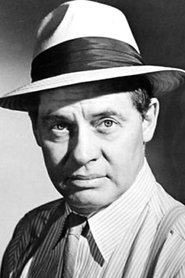 Frank OvertonWalter Clark
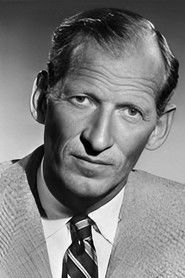 Malcolm AtterburySy Moore
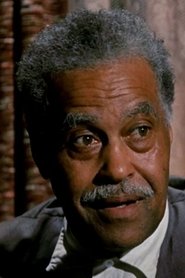 Robert Earl JonesSam Johnson (uncredited)
Directing
- Charles H. MaguireAssistant Director
- Elia KazanDirector
Writing
- Borden DealNovel
- William Bradford HuieNovel
- Paul OsbornScreenplay
Production
- Elia KazanProducer