
Film
The Ox-Bow Incident
A tense, near-real-time western that trades gunfights for group psychology: a posse forms outside a small Nevada town, and the film watches ordinary men talk themselves into murder. Shot in stark black-and-white and running just over an hour, it's less about violence than about the terrifying ease of consensus. Bleak, moral, and startlingly modern for 1943.
If you liked this
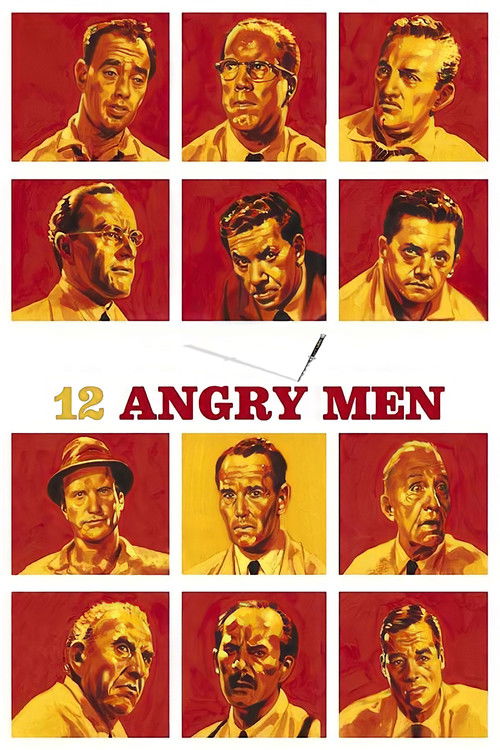
12 Angry Men1957
The mirror image of Ox-Bow's mob: one man's stubborn doubt slowly turns eleven others away from a rush to judgment. Same claustrophobic tension, same question about how easily groups convince themselves they're right.
But It's talky and stagebound — twelve men in a room, no exteriors, no action, just argument.
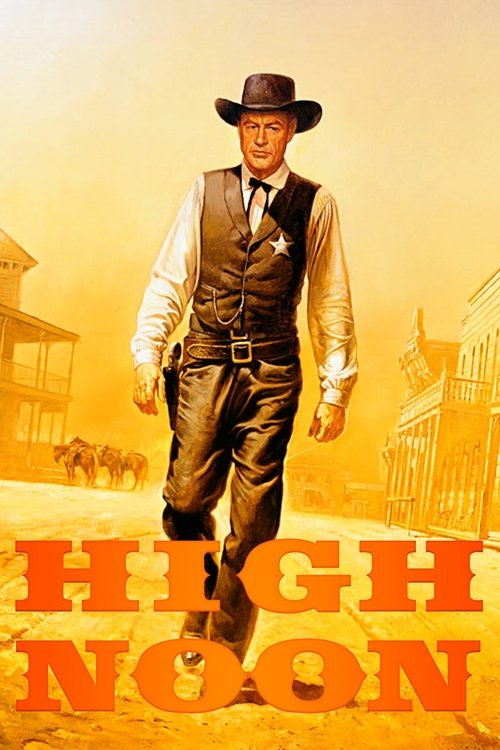
High Noon1952
Another western built on real-time dread, where a lone man's conscience is tested against a town too scared or indifferent to help. Same slow-burn tension toward an unavoidable reckoning.
But It's more about isolation and cowardice than collective guilt — the moral weight sits on one man, not a crowd.
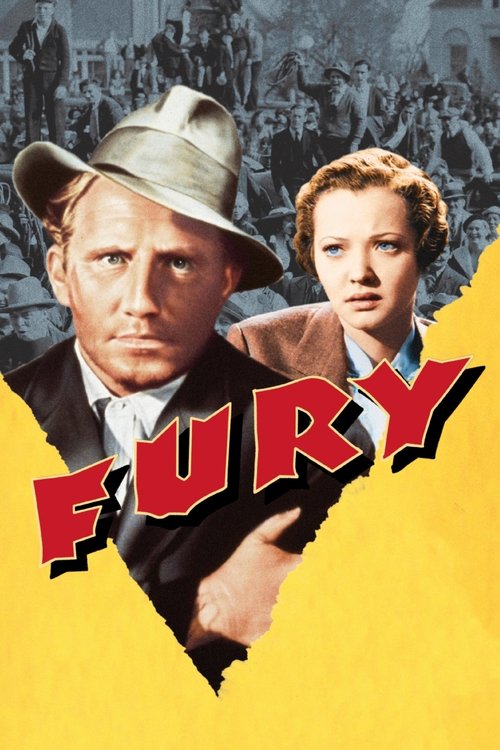
Fury1936
Fritz Lang's furious, direct attack on lynch-mob psychology, made just seven years before Ox-Bow and clearly an influence on it. Same outrage, delivered with more melodrama and a harder edge.
But The tone swings toward vengeance thriller in its second half, losing some of the moral ambiguity Ox-Bow holds onto.
The wildcard
Something you would not have found on your own.
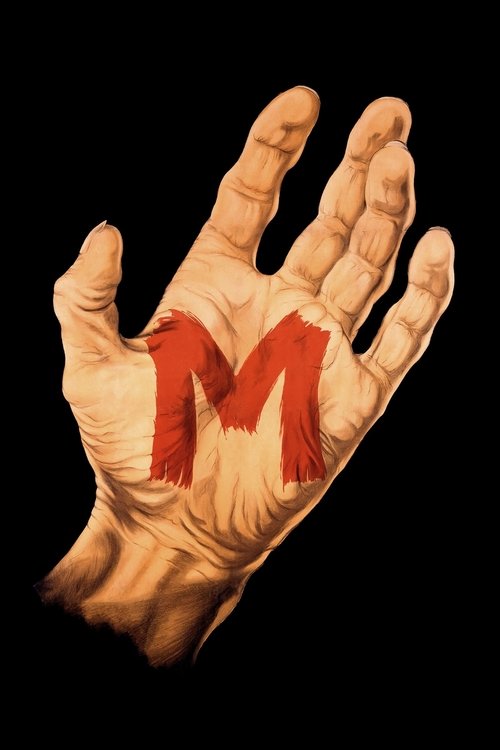
M1931
Both films dismantle mob justice by showing how ordinary fear and self-righteousness combine into murder — M got there twelve years before Ox-Bow, using crime thriller instead of western.
A city descends into vigilante hysteria hunting a child murderer, and Lang asks the same question Ox-Bow does a decade later: what happens when a community decides it can be judge and executioner. Cold, clinical, ahead of its time.
But It's a subtitled German film from 1931 with silent-era pacing, and its subject matter — child murder — is genuinely unsettling.
More like this (8)
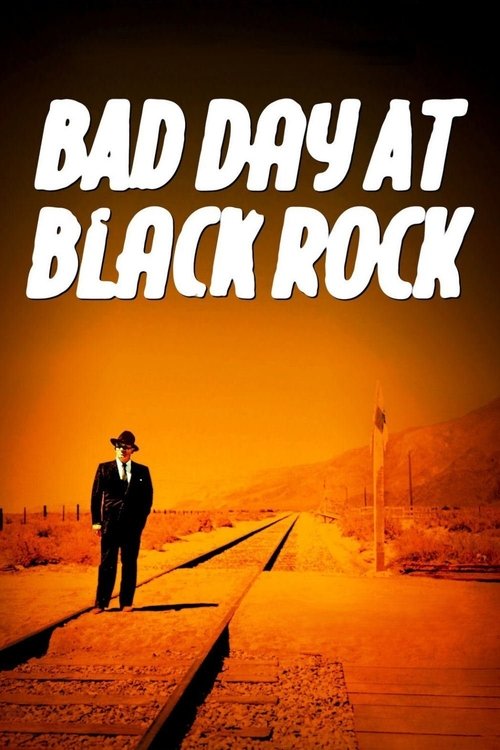
Bad Day at Black Rock1955
A stranger arrives in a hostile town harboring a shameful secret, and watches suspicion curdle into violence. Same slow tightening of dread, same interrogation of what ordinary people will do to protect themselves.
But It's a tighter, more conventional thriller — less interested in philosophical debate than Ox-Bow's courtroom-style arguments.
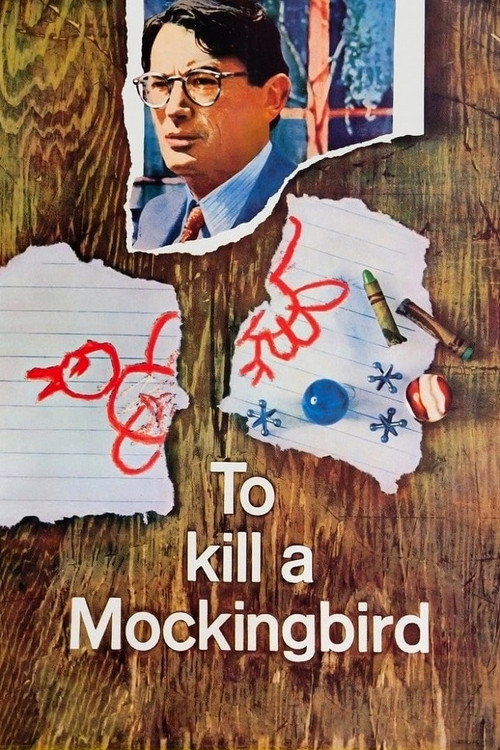
To Kill a Mockingbird1962
A small Southern town, a rush to judgment, and a handful of people willing to stand against it. Shares Ox-Bow's interest in how prejudice and fear masquerade as justice.
But It's gentler and more sentimental, filtered through a child's memory rather than Ox-Bow's grim, unresolved dread.
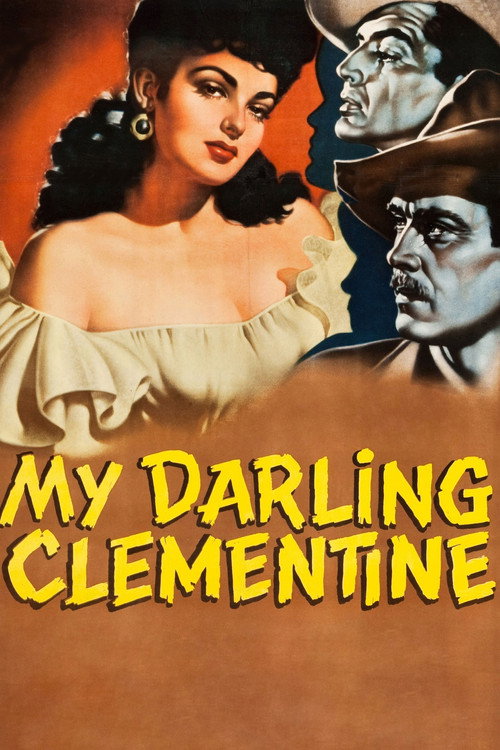
My Darling Clementine1946
Fonda again, three years later, but in a warmer, more mythic register — John Ford's take on frontier justice as something almost noble. A useful contrast to Ox-Bow's despair.
But It's a much more conventional, romanticized western — gunfighters and gallantry, not moral horror.
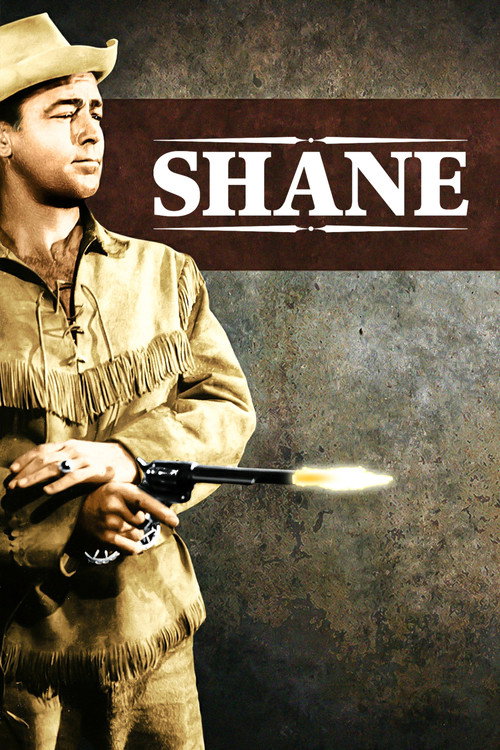
Shane1953
A classic meditation on violence and the West's uneasy relationship with law, seen through the eyes of people trying to build something civilized. Ox-Bow's dread simmers underneath this one too, if more quietly.
But It's slower and more elegiac, more interested in myth-making than in confronting a specific act of violence head-on.
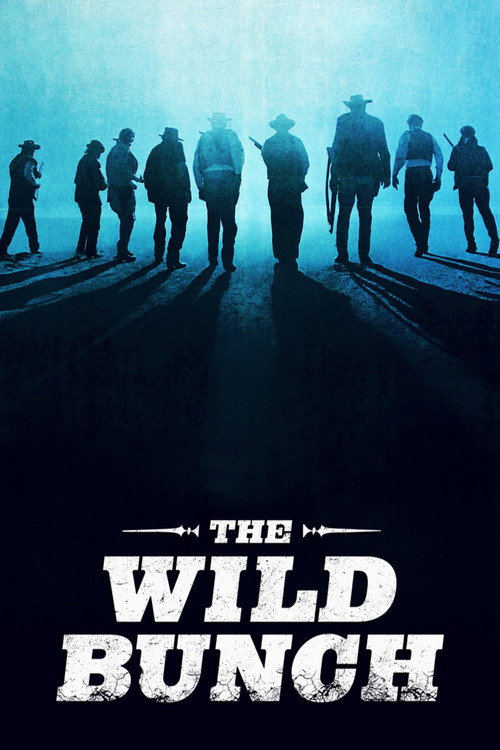
The Wild Bunch1969
Peckinpah's brutal, revisionist western strips away the moral clarity of old Westerns entirely, turning violence into something ugly and unglamorous — the endpoint of the question Ox-Bow first raised.
But It's far more graphically violent and cynical, with none of Ox-Bow's restraint or hope for redemption.
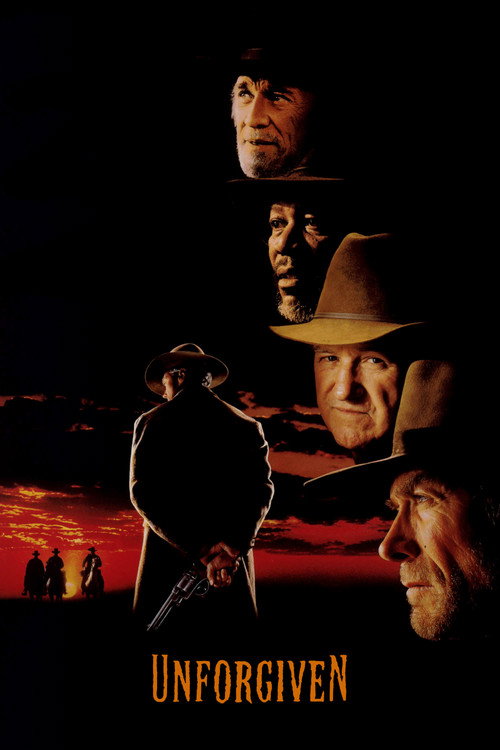
Unforgiven1992
Clint Eastwood's late-career reckoning with the myths of the genre he helped build, asking hard questions about vengeance and legend. A worthy descendant of Ox-Bow's skepticism toward frontier justice.
But It's slower and more meditative than a typical western, and its violence, when it comes, is deliberately unglamorous and grim.
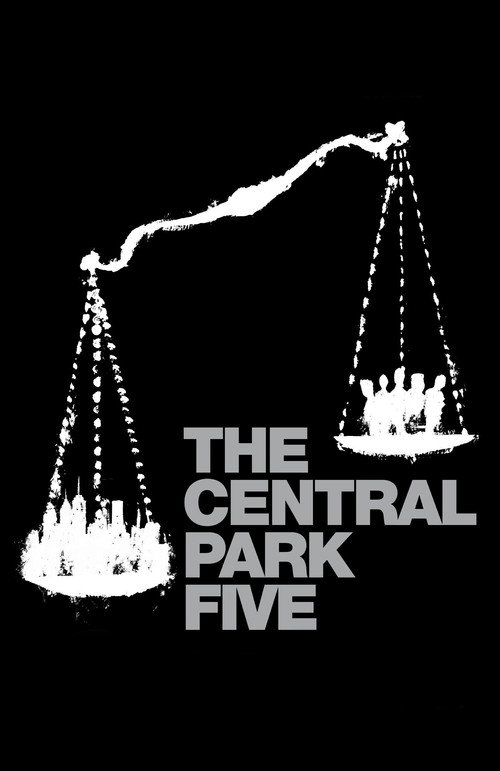
The Central Park Five2012
Ox-Bow is a fable about a lynch mob; this is the same mechanism — fear, media, and a rush to judgment — playing out in real life, decades later, with real people paying the price.
A real case of a community, press, and justice system rushing to convict five innocent teenagers, told with the same slow horror at how quickly certainty replaces evidence. Devastating and clear-eyed.
But It's a documentary with real victims and no fictional distance — harder to watch precisely because nothing about it is exaggerated for drama.
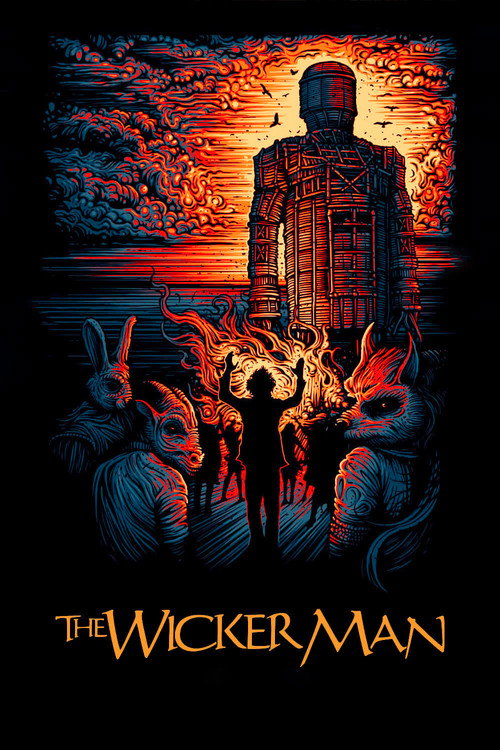
The Wicker Man1973
Both are about a community's collective decision to destroy someone outside its own logic, treated as inevitable and almost ceremonial — Ox-Bow just doesn't have folk songs.
A stranger travels to an isolated community and slowly realizes the locals have already decided his fate. Same structure as Ox-Bow — outsider, closed community, terrible communal decision — dressed up as folk horror.
But It trades Ox-Bow's grim realism for pagan ritual and dark humor — this is genuinely strange and unsettling in a very different way.
People
Cast
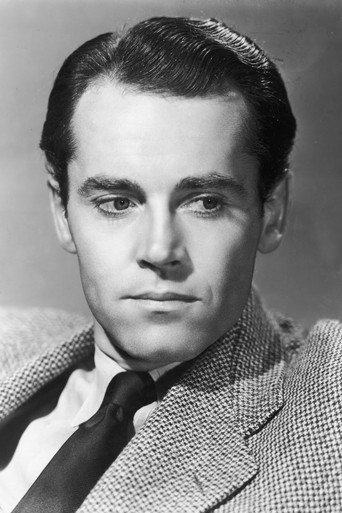 Henry FondaGil Carter
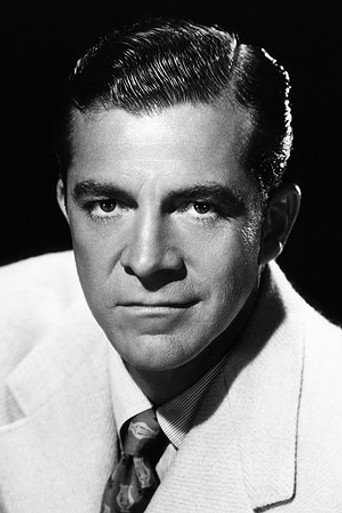 Dana AndrewsDonald Martin
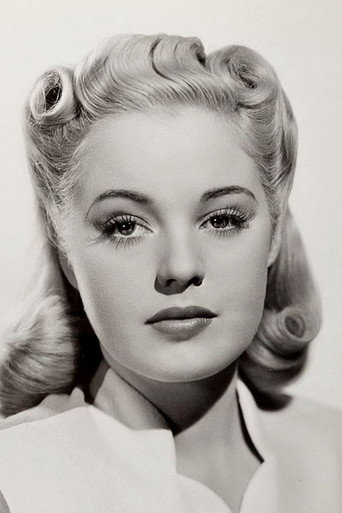 Mary Beth HughesRose Mapen/Rose Swanson
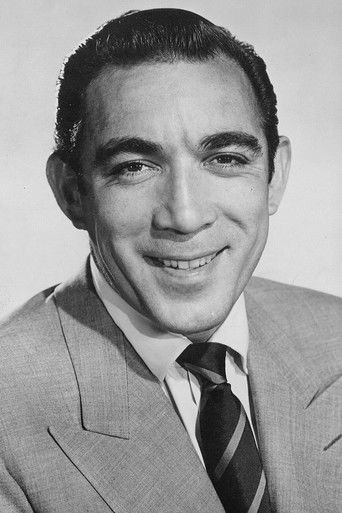 Anthony QuinnJuan Martínez/Francisco Morez
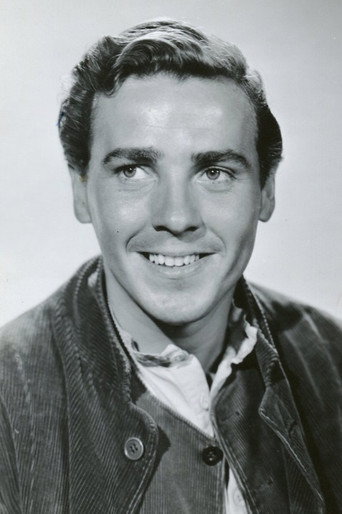 William EytheGerald Tetley
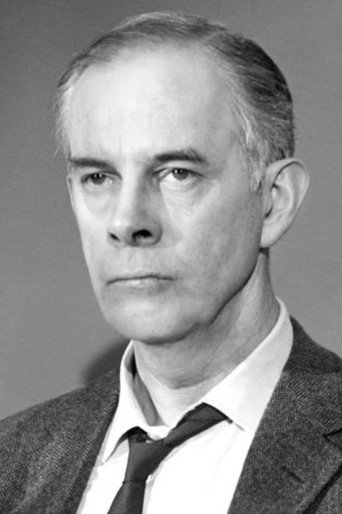 Harry MorganArt Croft
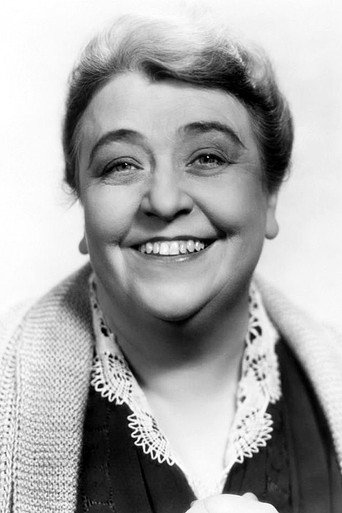 Jane DarwellMa Grier
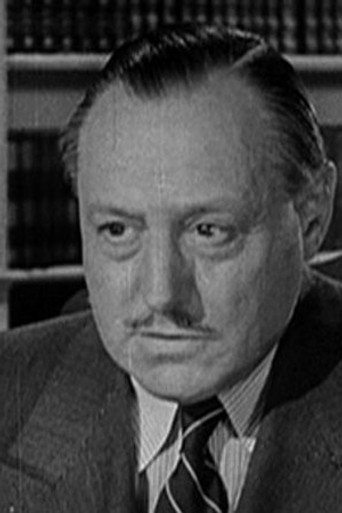 Matt BriggsJudge Daniel Tyler
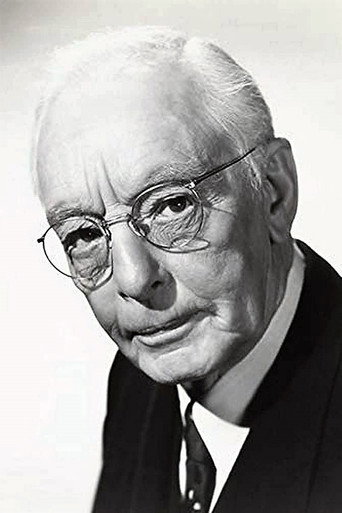 Harry DavenportArthur Davies
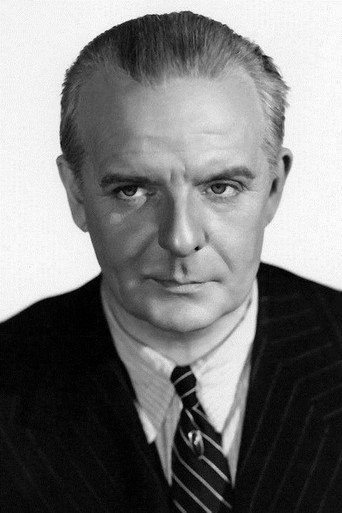 Frank ConroyMaj. Tetley
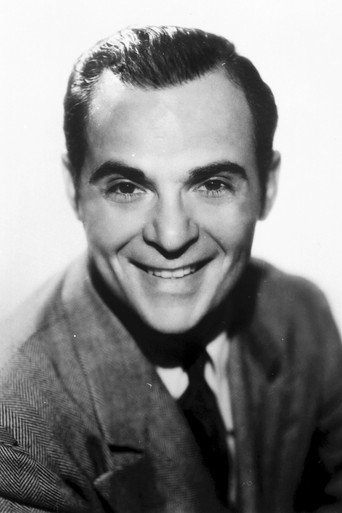 Marc LawrenceJeff Farnley
- Paul HurstMonty Smith
Directing
- Ad SchaumerAssistant Director
- William A. WellmanDirector
- James TinlingSecond Unit Director
- Otto LangThird Assistant Director
Writing
- Walter Van Tilburg ClarkNovel
- Lamar TrottiScreenplay
Production
- William GoetzExecutive Producer
- Lamar TrottiProducer
Recommended by
Judgment at Nuremberg, The Crucible, 12 Angry Men, Death Wish, The Hunt, In the Bedroom, Amanda Knox, Watchmen, Unforgiven, High Noon, The Man Who Shot Liberty Valance, The Big Country, The Experiment, Super, 3:10 to Yuma, Bad Day at Black Rock, Fury, Crossfire, Johnny Guitar, Witchfinder General