
Film
How the West Was Won
An epic Western sprawl following one family across four decades of American westward expansion, from river steamboats to Civil War trenches to railroad barons. Technically audacious—shot in Cinerama with three cameras simultaneously—it moves with the scale of history itself. A spectacle built for the biggest screen possible, and a genuine monument to Old Hollywood ambition.
Should you watch it?
Watch it if you love sprawling, old-fashioned storytelling that follows one family across decades and landscapes, with the rolling panorama and big-canvas ambition of a grand studio epic.
Skip it if you find the episodic, chapter-by-chapter structure restless, or you want a tight story with a single through-line; the storytelling is broad, and its sentiment can feel thick.
What it asks of you: It runs nearly three hours and moves in chapters, so settle in for a leisurely, sometimes stately rhythm across decades.
Not sure? Find tonight's pick in a minute.
If you liked this
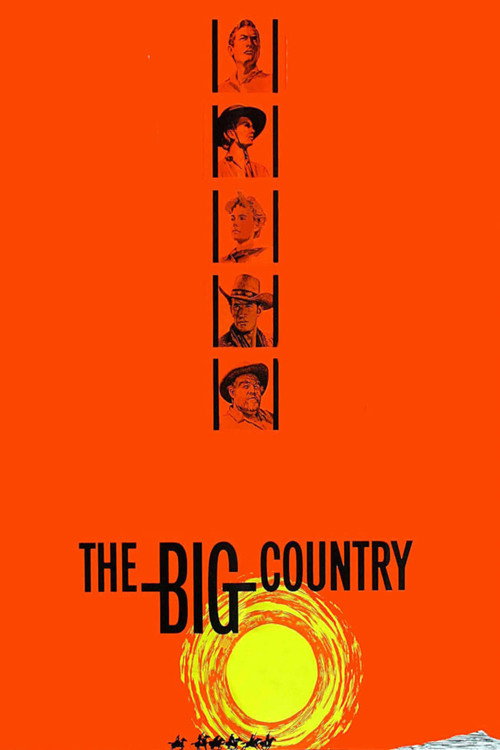
The Big Country1958
A magnificent Western that pairs two aging titans (Gregory Peck and Charlton Heston) against a landscape as much character as they are. Sweeping, thoughtfully shot, and interested in the moral cost of expansion.
But It's deliberate and sometimes slow. If you want action-packed drama rather than meditation on land and power, this will test your patience.
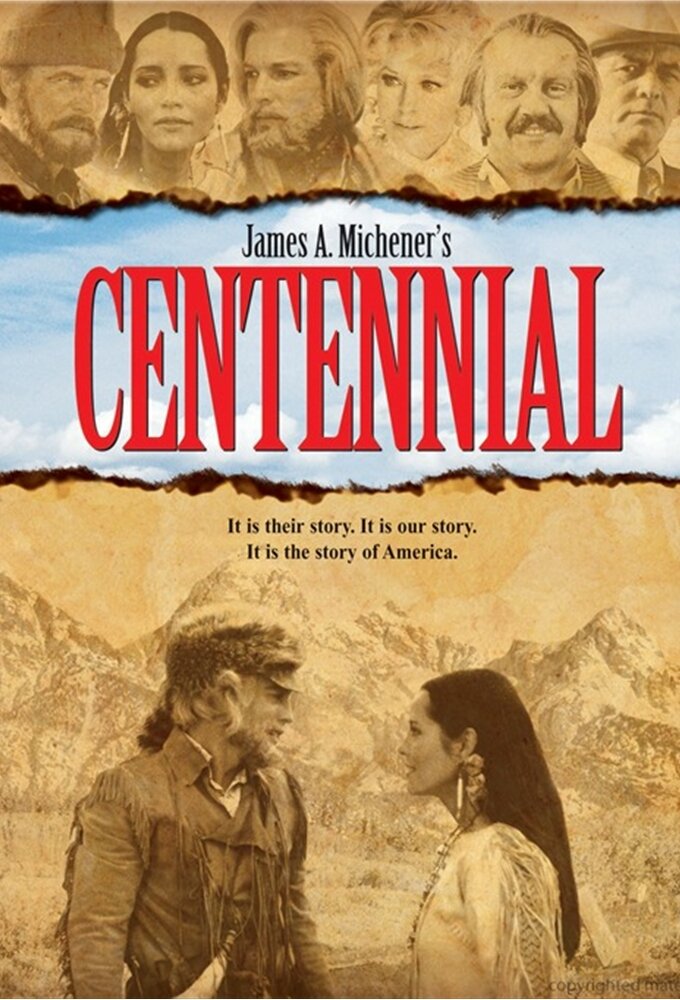
James A. Michener's Centennial1978
A television epic that does for the American frontier what How the West Was Won attempts—generational saga, multiple storylines, real historical scope. More novelistic and intimate than its film cousin.
But At fourteen hours, it's a commitment, and TV production values from 1978 won't dazzle you the way Cinerama does. Some plot lines drag.
Johnny Guitar1954
A Western that deconstructs Western mythology itself, built on psychological tension and power struggle rather than gunfights. Strange, stylish, and completely its own thing. A reminder that the genre was always more interesting than its reputation.
But It's wilfully weird and almost aggressively slow. If you're expecting a conventional story, you'll feel like it's arguing with you.

Not sure tonight? Get a pick in a minute, starting from How the West Was Won
The wildcard
Something you would not have found on your own.
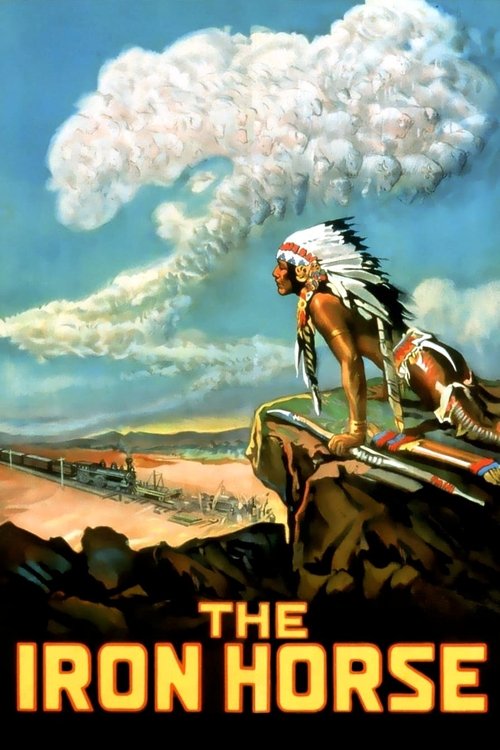
The Iron Horse1925
Both are epics of infrastructure and nation-building; The Iron Horse distills the railroad sequence of How the West Was Won into pure cinema, showing you how the story could have been told.
Ford's silent epic about the building of the transcontinental railroad—the literal spine of How the West Was Won. Thrilling, economical, and shot with a visual clarity that makes it feel contemporary. A direct ancestor and a better primer.
But It's silent film from 1924. No dialogue, no sound design, and if you've never watched silent cinema, the rhythms take adjustment.
More like this (7)
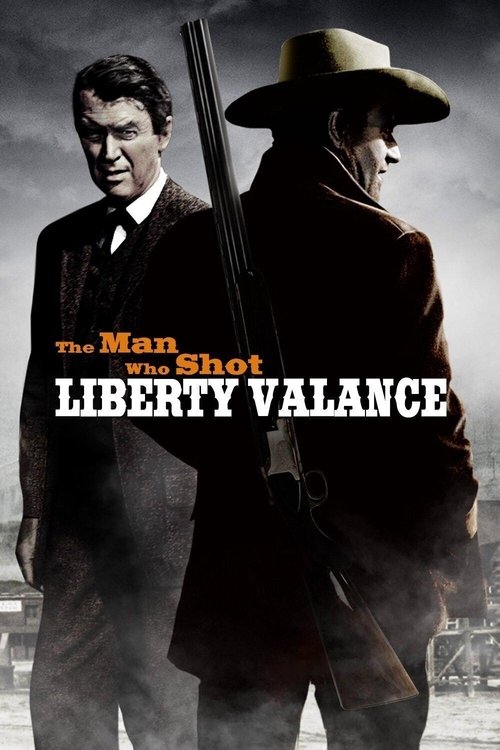
The Man Who Shot Liberty Valance1962
Ford's meditation on myth-making and the real West versus the legend. Shot the same year as How the West Was Won, it's a direct conversation partner—darker, sadder, and infinitely more clever about American self-deception.
But Black and white, quite mournful, and philosophically dense rather than action-driven. It's a study in disappointment, which takes patience to appreciate.
The Ballad of Little Jo1993
A rigorously unsentimental frontier story about a woman passing as a man to survive in the West. Based on true events, it's utterly unsparingly about what expansion actually meant for those without power or choice.
But Bleak, austere cinematography and a deliberately unglamorous vision of frontier life. Not remotely Hollywoodian in its pleasures.

Lonesome Dove
A masterpiece miniseries following an aging cattle drive from Texas to Montana. Enormous scope, magnificent characters, and more genuinely moving than any ten-hour Western has the right to be. Peerless.
But Six hours is asking a lot, and the pacing is novelistic—it meanders before it lands its emotional punches. Not a quick watch.
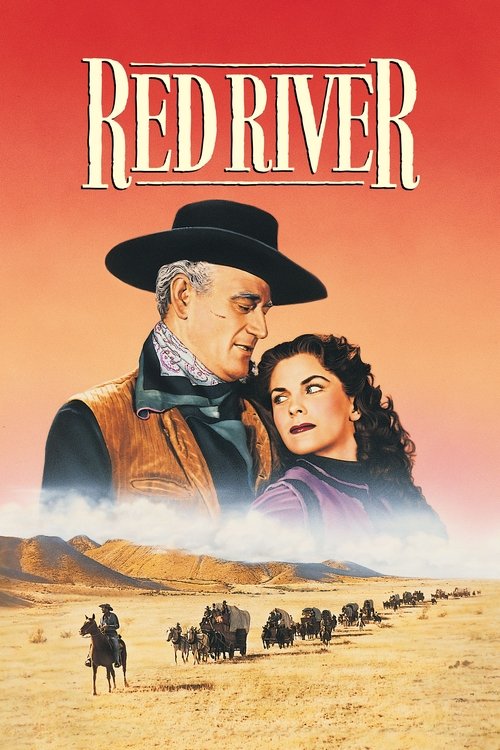
Red River1948
Hawks' masterpiece about a cattle drive and the tension between two generations of Western men. Taut, beautifully composed, and interested in power and legacy in ways most Westerns aren't.
But Monochrome and austere, without the epic sweep or spectacle you might expect. Some of its gender politics feel dated in ways that will distract you.
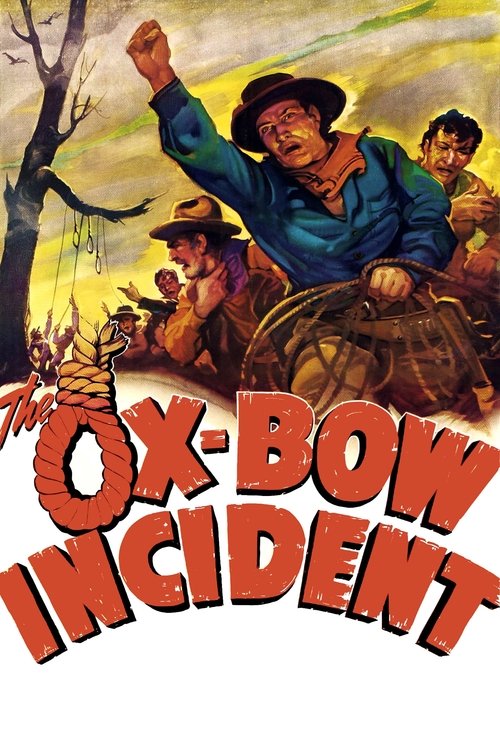
The Ox-Bow Incident1943
A compact, furious Western about a lynch mob, justice, and the speed with which civilization collapses. Morally urgent and never a wasted moment. An alternative Western that influenced everything that came after.
But Bleak, antiheroic, and philosophically grim. Doesn't offer the catharsis or clear victory that epic Westerns usually do.
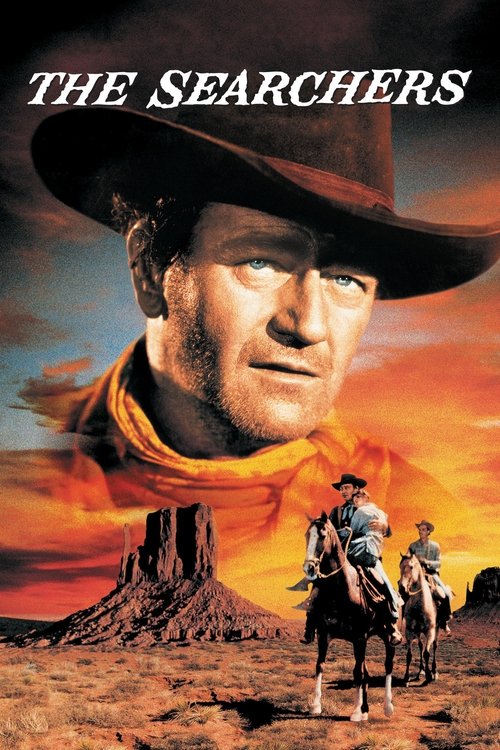
The Searchers1956
Ford's masterpiece, a Western that contains multitudes—psychological depth, visual genius, mythic scope, and genuine moral complexity. John Wayne playing against type as a man consumed by racism and obsession.
But Three hours, formally challenging, and it refuses easy resolutions. If you need your hero to be heroic rather than troubling, this will unsettle you.
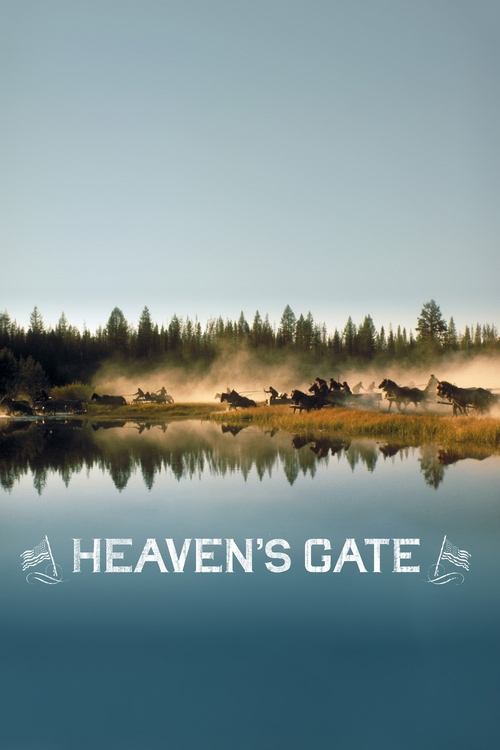
Heaven's Gate1980
Where How the West Was Won is triumphalist spectacle, Heaven's Gate is elegiac and anti-mythic—same historical moment, opposite moral vision. One justifies expansion; the other grieves for what it destroyed.
Cimino's controversial catastrophe is a three-and-a-half-hour Western told like a Russian novel—gorgeous, digressive, morally incensed about capital and class conflict that westward expansion actually represented. Visually overwhelming and genuinely radical.
But It's a famous box-office disaster that was cut and re-cut. The rhythm is glacial, the story oblique, and it despises the mythology How the West Was Won celebrates, which some find abrasive rather than honest.
People
Cast
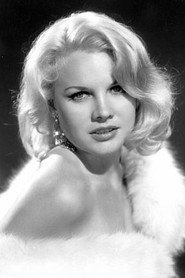 Carroll BakerEve Prescott Rawlings
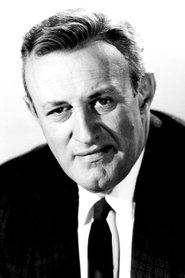 Lee J. CobbMarshal Lou Ramsey
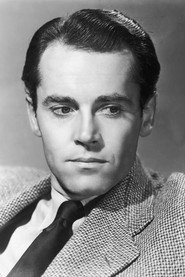 Henry FondaJethro Stuart
 Carolyn JonesJulie Rawlings
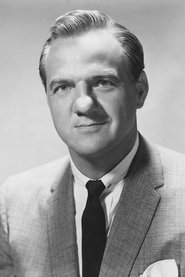 Karl MaldenZebulon Prescott
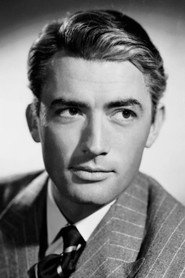 Gregory PeckCleve Van Valen
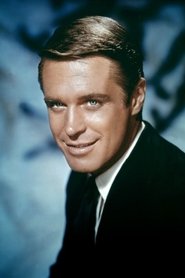 George PeppardZeb Rawlings
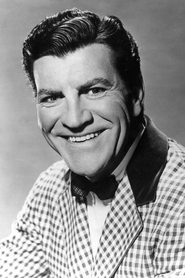 Robert PrestonRoger Morgan
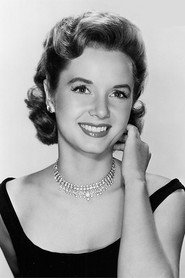 Debbie ReynoldsLilith Prescott
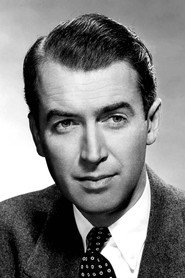 James StewartLinus Rawlings
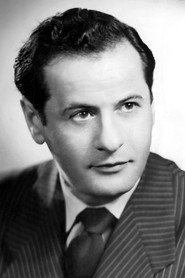 Eli WallachCharlie Gant
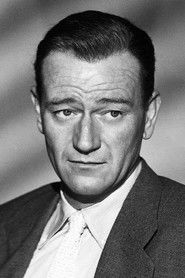 John WayneWilliam Sherman
Directing
- George Marshall Jr.Assistant Director
- Hank MoonjeanAssistant Director
- Robert SaundersAssistant Director
- William McGarryAssistant Director
- William ShanksAssistant Director
- Wingate SmithAssistant Director
- George MarshallDirector
- Henry HathawayDirector
- John FordDirector
- Michael PreeceScript Supervisor
- Richard TalmadgeSecond Unit Director
- Richard ThorpeSpecial Guest Director
Writing
- Johnny MercerLyricist
- Ken DarbyLyricist
- Sammy CahnLyricist
- James R. WebbWriter
- John GayWriter
Production
- Bernard SmithProducer
- Abe SteinbergProduction Executive
- Abe SteinbergProduction Supervisor
- Thomas ConroyProduction Supervisor