
Film
The Big Country
William Wyler's widescreen western is less about gunfights than about a man who refuses to have any. Gregory Peck's Eastern sea captain arrives in cattle country and quietly declines every dare to prove his manhood, while two ranching dynasties tear each other apart over water rights. Grand, gorgeous, unhurried — nearly three hours of blue skies, Jerome Moross's stirring score, and a surprisingly sharp critique of macho posturing.
If you liked this
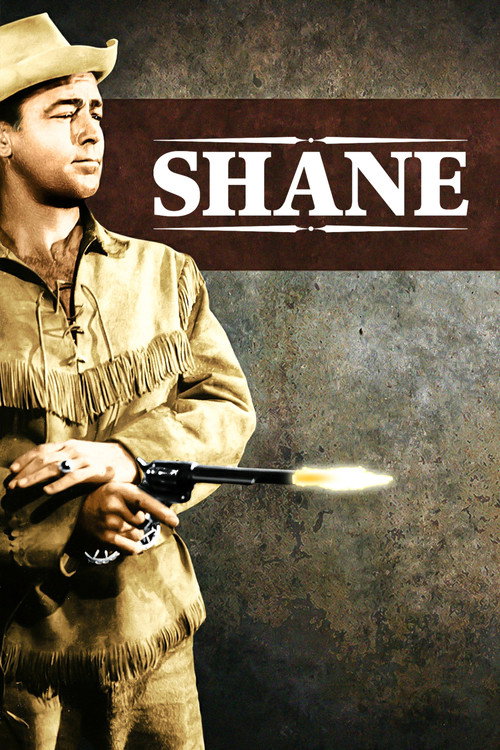
Shane1953
The quintessential 'stranger with a code walks into a land dispute' western — Alan Ladd's gunslinger tries to hang up his guns just like McKay, only the West won't let him. Same moral clarity, same golden light.
But Slower and more mythic than modern westerns; if you want grit and moral ambiguity rather than clean heroism, it can feel a touch storybook.
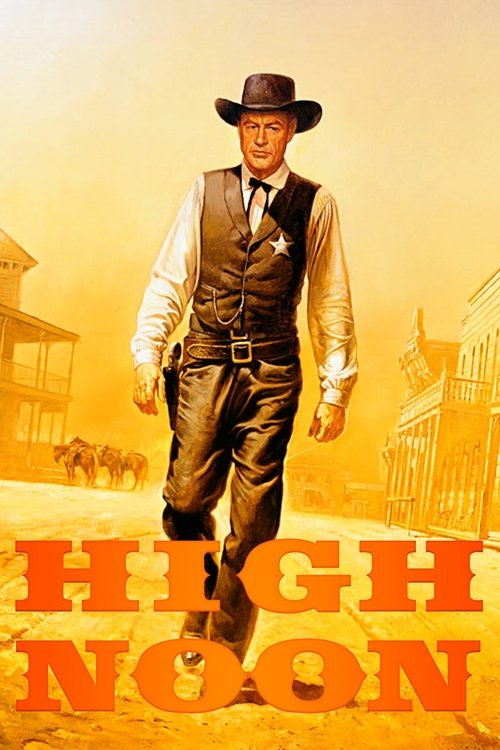
High Noon1952
A lawman waits alone for a gunfight nobody else will help him fight — Gary Cooper's ticking-clock stand against cowardice is the same question McKay asks about courage, stripped to eighty-five real-time minutes.
But The real-time gimmick and stagey theatrics won't suit everyone, and its Cold War allegory can feel a little on the nose today.
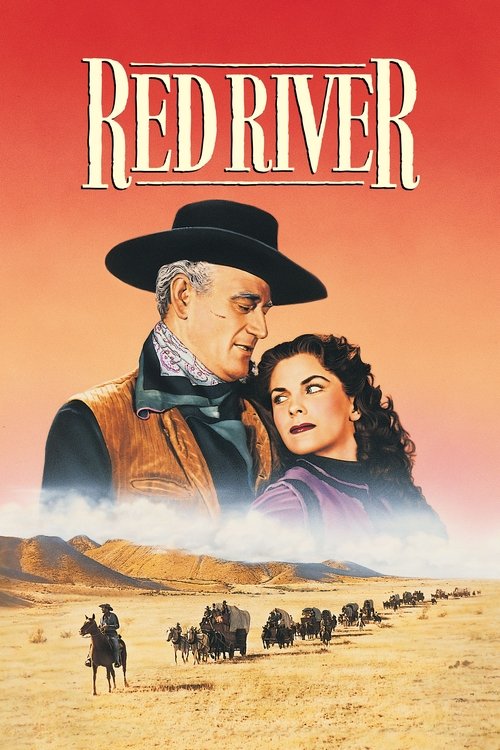
Red River1948
Howard Hawks and John Wayne turn a cattle drive into a father-figure power struggle that rhymes with the Terrill-Hannassey feud — stubborn old men, land obsession, and the sense that pride will get people killed.
But Wayne's patriarch is genuinely hard to like for long stretches, and the pacing is more procedural than romantic.
The wildcard
Something you would not have found on your own.
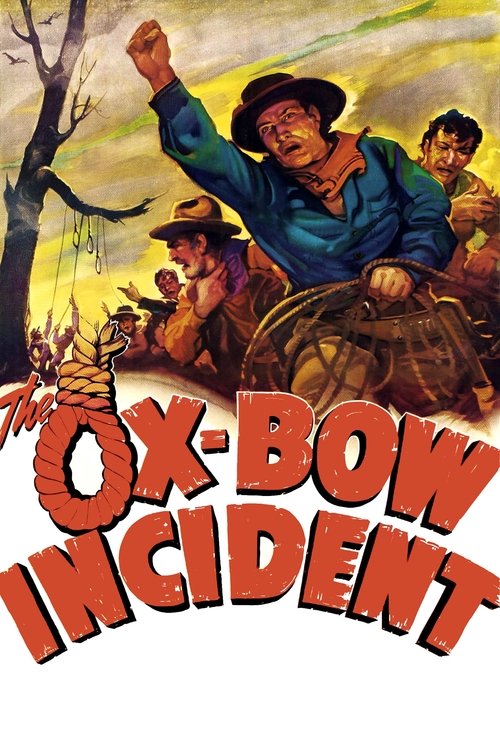
The Ox-Bow Incident1943
Both films use the western to interrogate the same thing: what happens to a man who refuses to perform violence to prove himself, surrounded by men who mistake that refusal for weakness.
A lean, black-and-white morality play about a lynch mob forming in a frontier town — made fifteen years before The Big Country but asking the same question about what real courage costs a man among cowards.
But It's stagebound and grim, with none of Wyler's scenic grandeur — this is claustrophobia, not open country.
More like this (8)
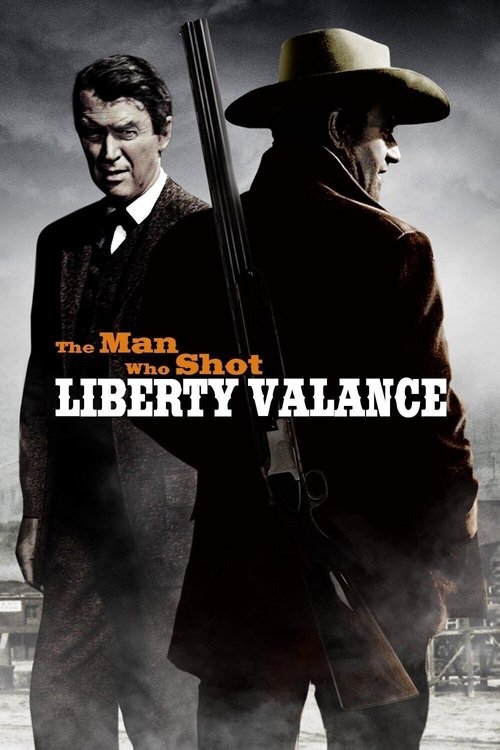
The Man Who Shot Liberty Valance1962
John Ford's meditation on which kind of man civilizes the West — the lawyer or the gunslinger — is basically the same argument The Big Country is having, but bleaker and wearier about the cost.
But Ford's soundstage artificiality and elegiac tone can feel stagy next to Wyler's sweeping location photography.
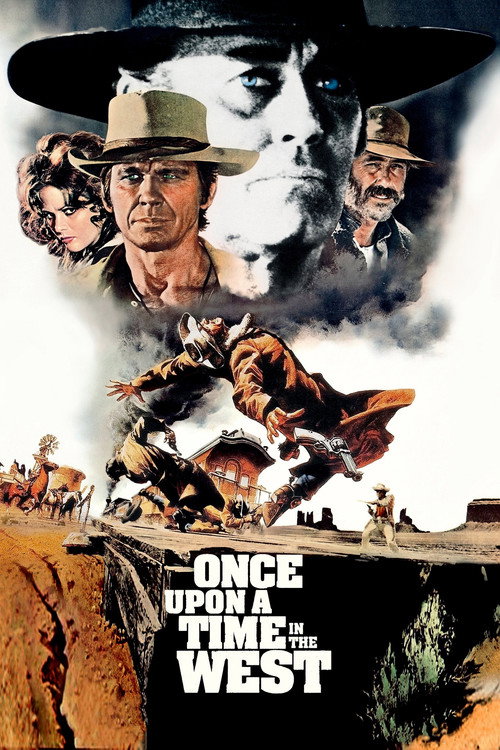
Once Upon a Time in the West1968
If you loved the sheer size and silence of The Big Country's landscapes, Leone takes that patience even further — operatic, glacially paced, gorgeous, with a score to rival Moross's.
But It's slower still, more violent, and far more cynical about the West's romance than Wyler ever gets.
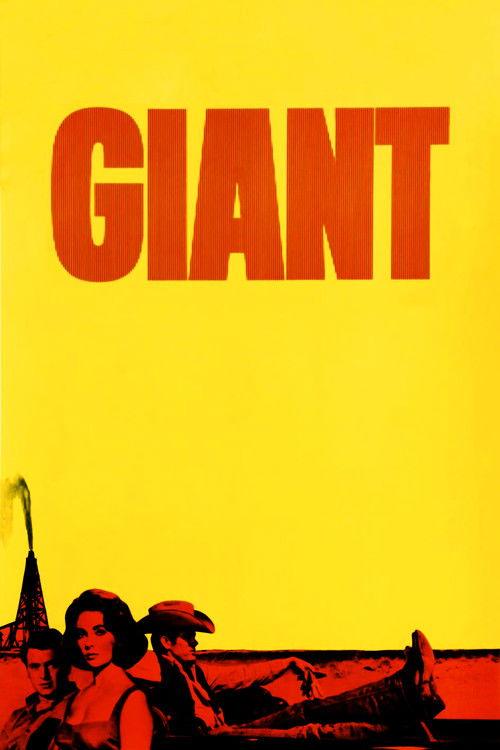
Giant1956
Same era, same scale, same theme of old money versus new, land versus oil, patriarchs versus their children — but set among Texas ranching dynasties with Rock Hudson and James Dean instead of cattle feuds.
But It runs even longer than The Big Country and leans harder into melodrama and soap-opera family plotting.
Lonesome Dove
A six-hour epic that gives the Old West the room The Big Country only hints it deserves — cattle drives, feuds, friendship and death, all played with the same unhurried, character-first patience.
But It's a serious time investment, and its pacing rewards patience over spectacle.
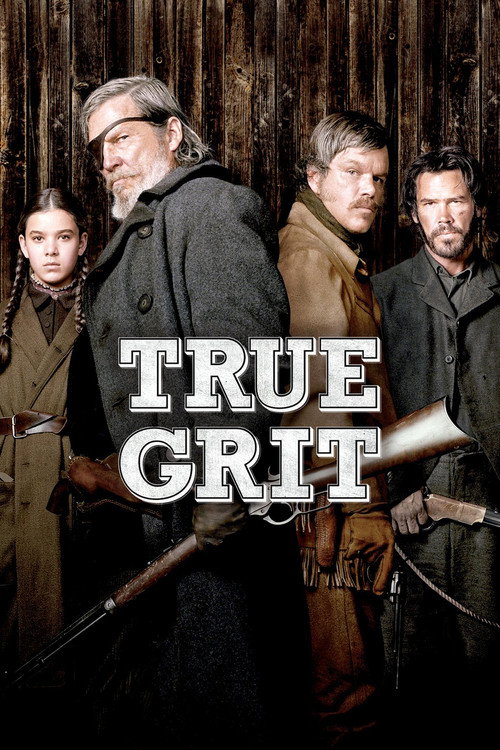
True Grit2010
A tougher, funnier, more clear-eyed western about justice and stubbornness, with Jeff Bridges' grizzled marshal standing in for the moral ambiguity McKay's pacifism only gestures toward.
But Its dry, quotable dialogue and sudden violence are a different flavor entirely — expect wit and blood rather than Wyler's grandeur.
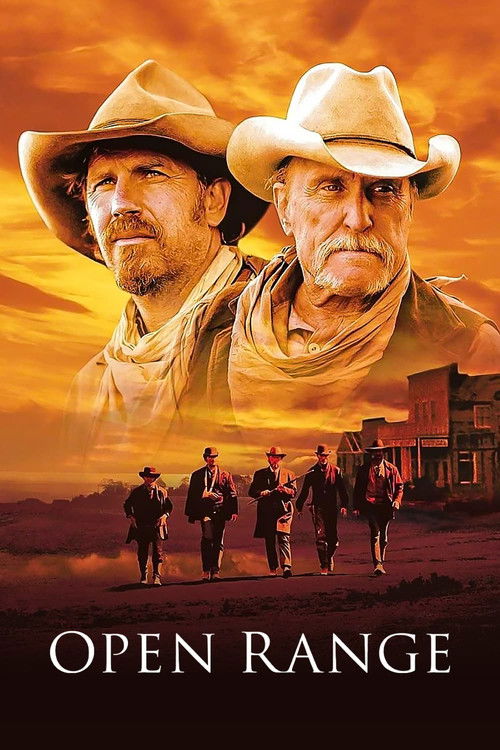
Open Range2003
A modern throwback that keeps the same big-sky photography and slow-burn cattlemen-versus-landowner conflict, with Kevin Costner and Robert Duvall taking their time before the guns finally come out.
But It's more conventional and less visually ambitious than Wyler's film, playing the genre fairly straight.
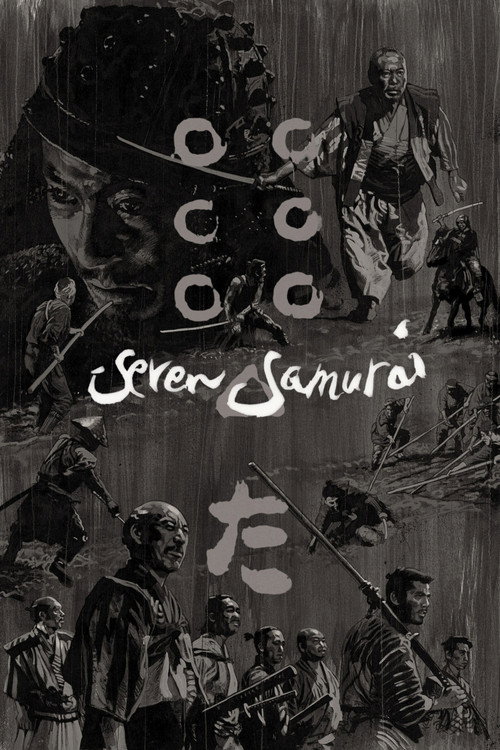
Seven Samurai1954
The Big Country runs on the same structural DNA — outsider hero, feuding factions, contested land — that Kurosawa built partly from American westerns and then handed straight back to them.
Kurosawa's samurai epic is the western's secret twin — an outsider mediates a land conflict, honor and pride threaten to destroy everyone, and a fight over a patch of ground becomes a study of character.
But Subtitled, over three hours, and unmistakably Japanese in rhythm and manners — a real commitment if you came here just for cowboys.
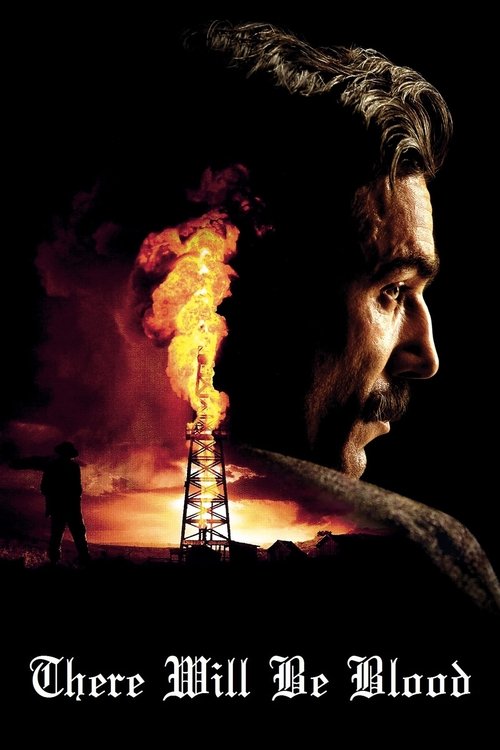
There Will Be Blood2007
Both stories turn on land and water as the thing worth destroying a family for; this one just refuses the redemptive ending and shows you what that greed actually costs.
Same California dirt, same fight over land and water, same patriarchal cruelty dressed up as ambition — but Paul Thomas Anderson strips away every trace of romance and lets the greed curdle into something monstrous.
But It is bleak and punishing, offering none of Wyler's warmth or eventual grace — a much darker night out.
People
Cast
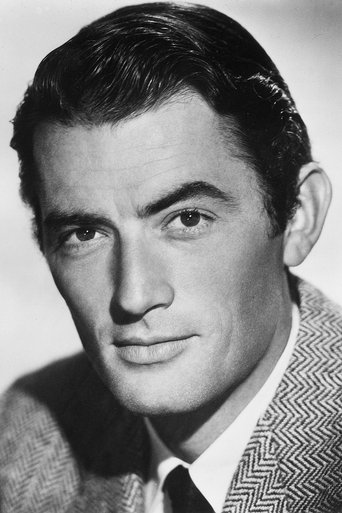 Gregory PeckJames McKay
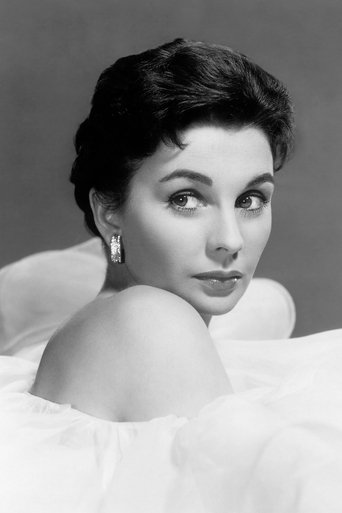 Jean SimmonsJulie Maragon
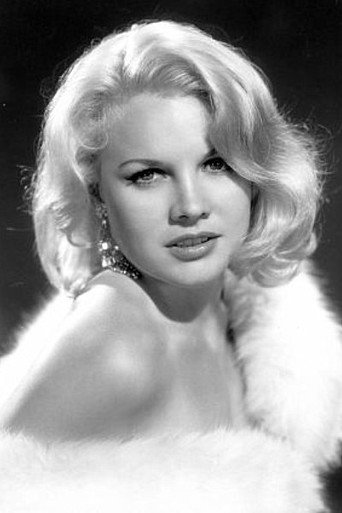 Carroll BakerPatricia Terrill
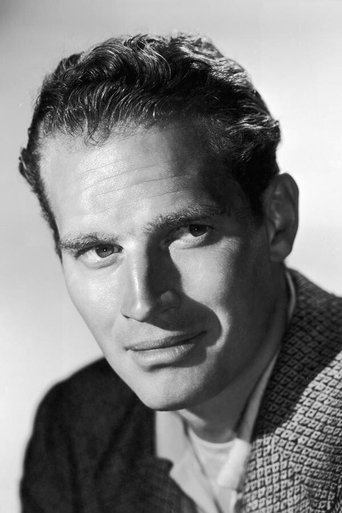 Charlton HestonSteve Leech
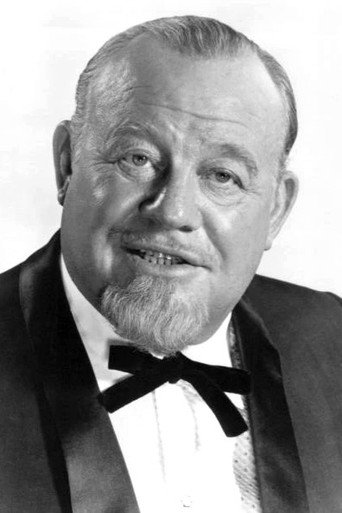 Burl IvesRufus Hannassey
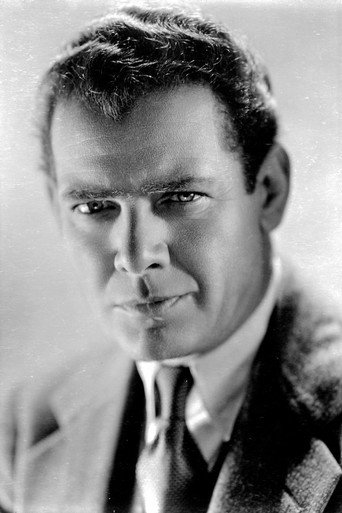 Charles BickfordMajor Henry Terrill
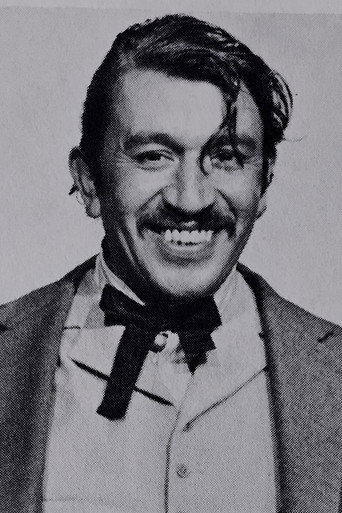 Alfonso BedoyaRamón Guiteras
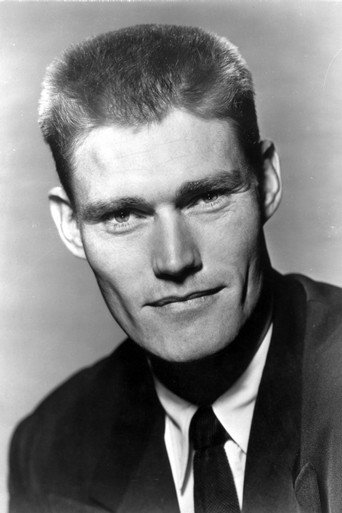 Chuck ConnorsBuck Hannassey
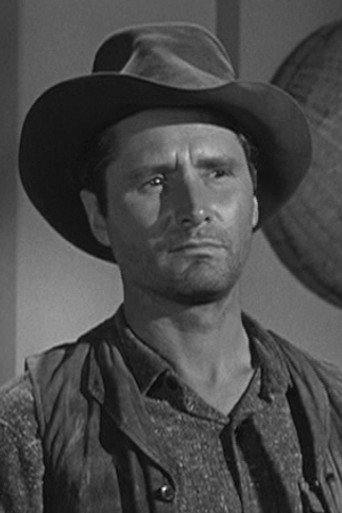 Chuck HaywardRafe Hannassey
- Buff BradyDude Hannassey
- Jim BurkBlackie / Cracker Hannassey
 Dorothy AdamsHannassey Woman
Directing
- Ivan VolkmanAssistant Director
- William WylerDirector
- Robert GaryScript Supervisor
- Sam FreedleScript Supervisor
- Ray Gosnell Jr.Second Assistant Director
- Robert TempletonSecond Assistant Director
- John WatersSecond Unit Director
- Robert SwinkSecond Unit Director
Writing
- Jessamyn WestAdaptation
- Robert WylerAdaptation
- Donald HamiltonNovel
- James R. WebbScreenplay
- Robert WilderScreenplay
- Sy BartlettScreenplay
Production
- Robert WylerAssociate Producer
- Dorothy WhitneyCasting
- Gregory PeckProducer
- William WylerProducer