
Film
Once Upon a Time in the West
Sergio Leone's operatic elegy for the American frontier turns a simple revenge plot into something closer to myth. Ennio Morricone's score does half the storytelling, the silences do the rest, and every close-up feels like a held breath before violence. It's slow, stylised, gorgeous, and demands patience — this is Western as ritual, not shootout.
If you liked this
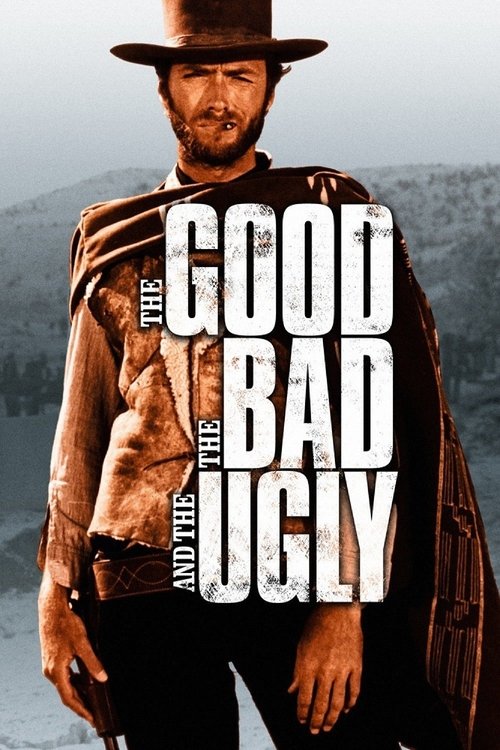
The Good, the Bad and the Ugly1966
Leone before he slowed all the way down — same widescreen grandeur, same Morricone genius, but with more plot and more jokes threaded through the standoffs.
But If you want the purer, more austere Leone experience, this one's comparatively brisk and playful.
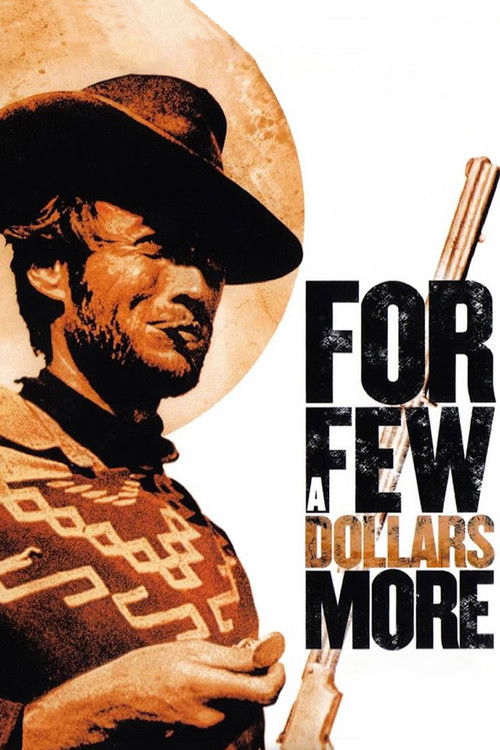
For a Few Dollars More1965
The middle Dollars film, and the clearest dry run for Once Upon a Time in the West's bounty-hunter morality and Leone's love of the extreme close-up.
But Less iconic than its neighbours, and the plot is thinner than the style suggests.
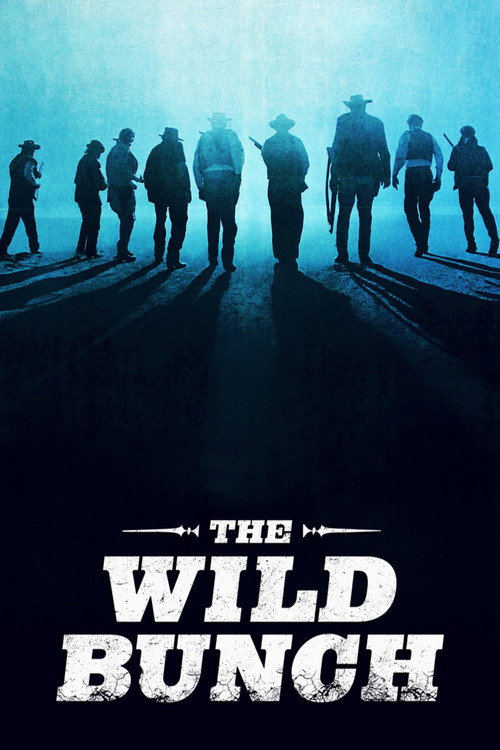
The Wild Bunch1969
Peckinpah's answer to the same mood — the West dying, old gunmen aging out of relevance, violence rendered as both horror and spectacle.
But Far more brutal and kinetic; it trades Leone's stillness for chaos and blood squibs.
The wildcard
Something you would not have found on your own.
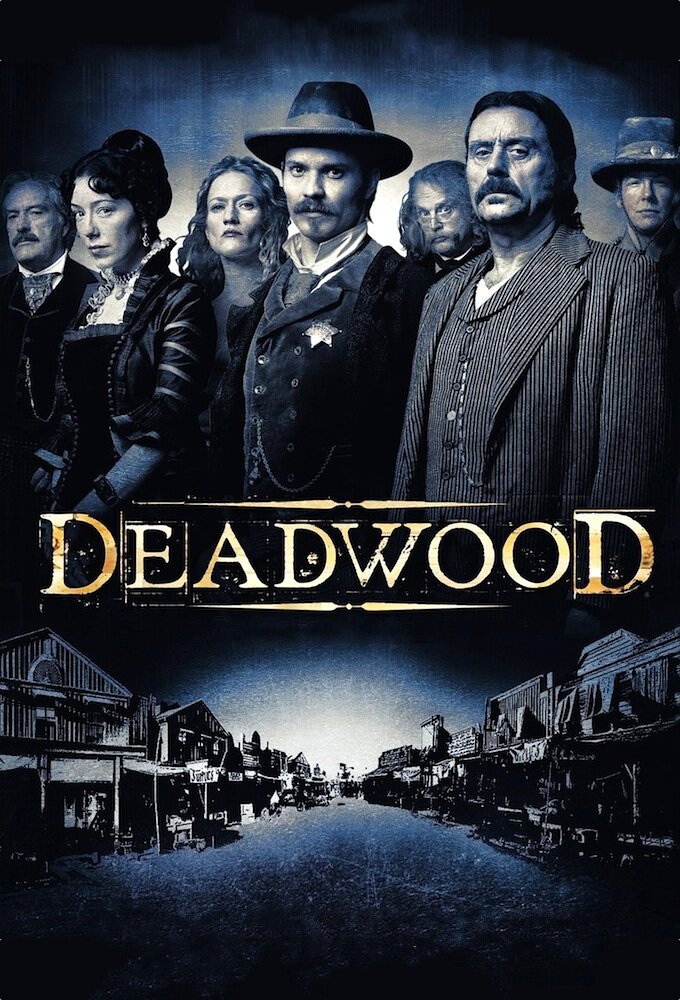
Deadwood2004
Same historical hinge — civilization and railroad money arriving to eat a wild place alive — but told through television's slower, dialogue-driven grammar instead of widescreen ritual.
A filthy, foul-mouthed HBO series about a lawless camp being slowly annexed by railroad and capital — the same mythic hinge point, stretched into serialised, Shakespearean dialogue.
But Dense, profane, and talky in a way that rewards patience more than Leone's visual storytelling does.
More like this (8)
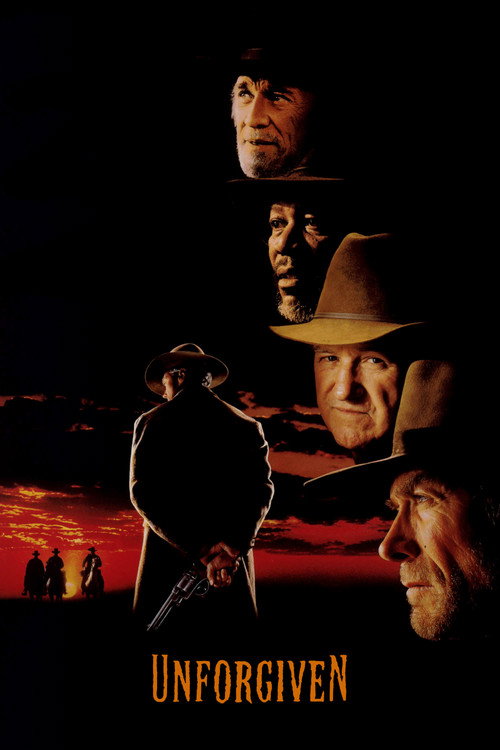
Unforgiven1992
Eastwood turning the myth he helped build inside out, with the same interest in legend versus the ugly reality behind it.
But Quieter and more mournful — don't expect operatic set pieces.
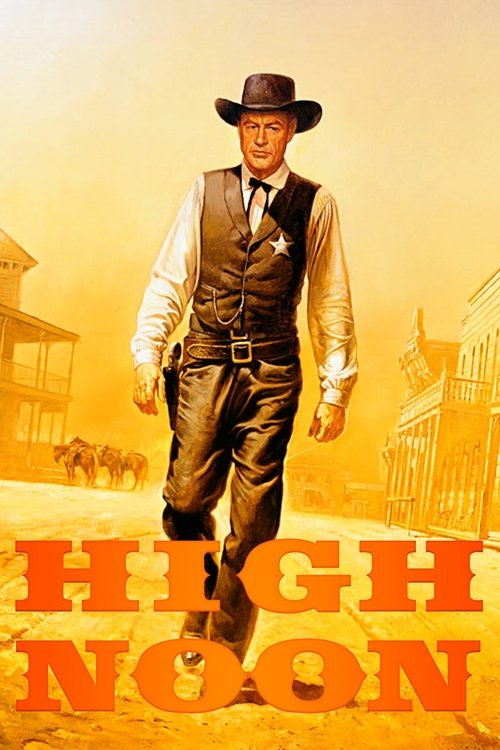
High Noon1952
The clock-ticking standoff structure Leone loved to stretch, done here in real time with Gary Cooper carrying the whole moral weight alone.
But Tighter, talkier, and shot in plain black-and-white classicism rather than Leone's widescreen theatre.
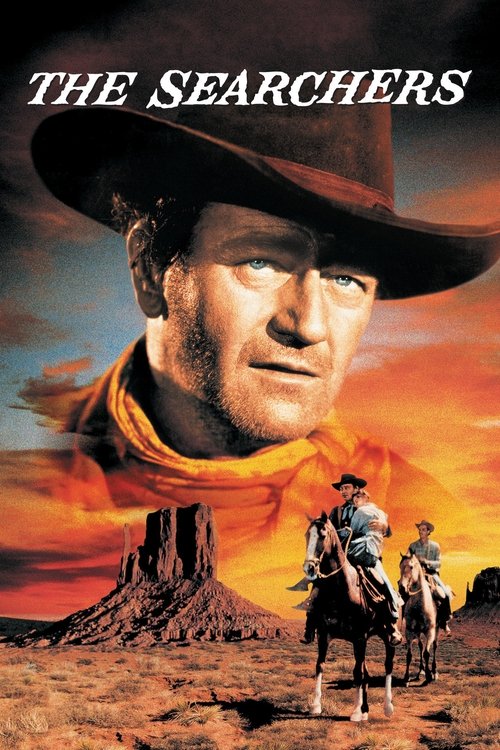
The Searchers1956
John Ford's landscapes are the ones Leone was arguing with his whole career — Monument Valley as moral stage, obsession as engine.
But Its treatment of its central conflict is very much of its era and hasn't aged comfortably.
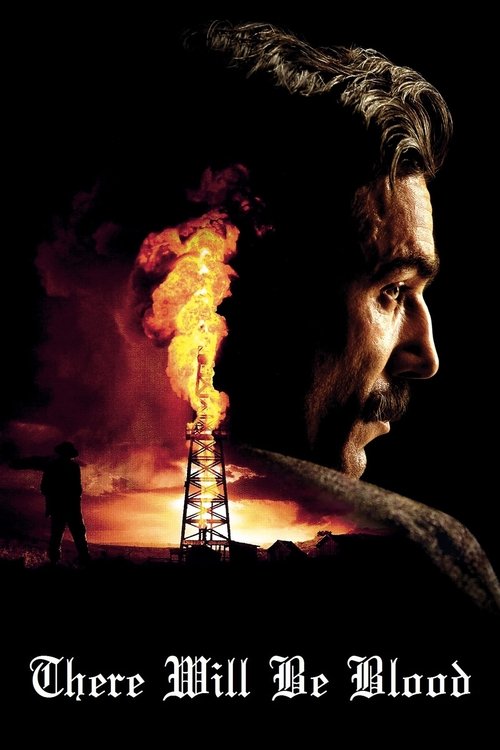
There Will Be Blood2007
Same story really — capital and progress steamrolling the land, told through one magnificent, monstrous man instead of a shootout.
But No gunfights at all; it's oil, not railroads, and closer to character study than Western.
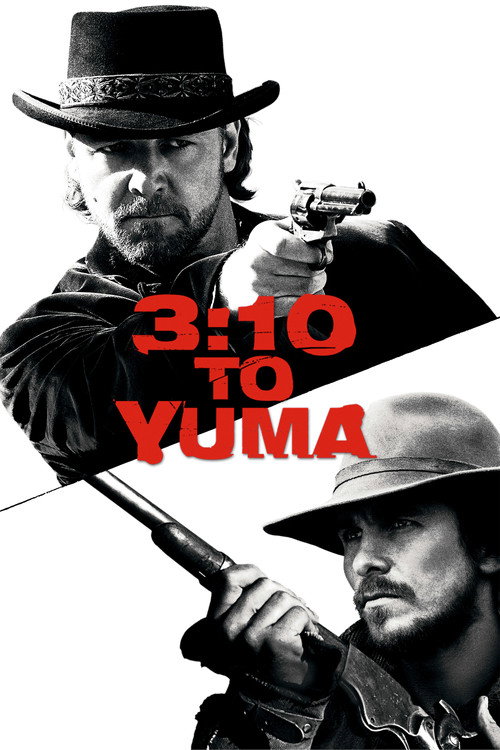
3:10 to Yuma2007
A tighter, more modern-paced Western that still trusts two men talking to carry the tension, with terrific performances from Bale and Crowe.
But Much shorter and more conventionally plotted — a good night out rather than an event.
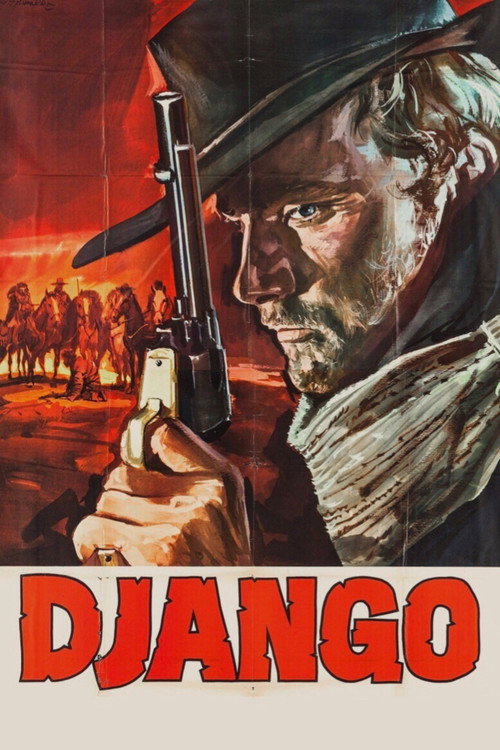
Django1966
Corbucci's mud-and-blood Spaghetti Western, nastier and pulpier, for when you want the genre's grubbier, more violent cousin.
But Rougher production values and a meaner streak than Leone's more painterly approach.
The Iron Horse1925no page yet
This is the origin myth Leone is arguing with — watch the railroad treated as pure heroic progress here, then see how thoroughly Once Upon a Time in the West curdles that same image.
A silent epic celebrating the building of the transcontinental railroad with real period earnestness — the myth Leone's film is quietly mourning and dismantling decades later.
But Silent-era pacing and title cards will feel genuinely archaic to modern eyes.
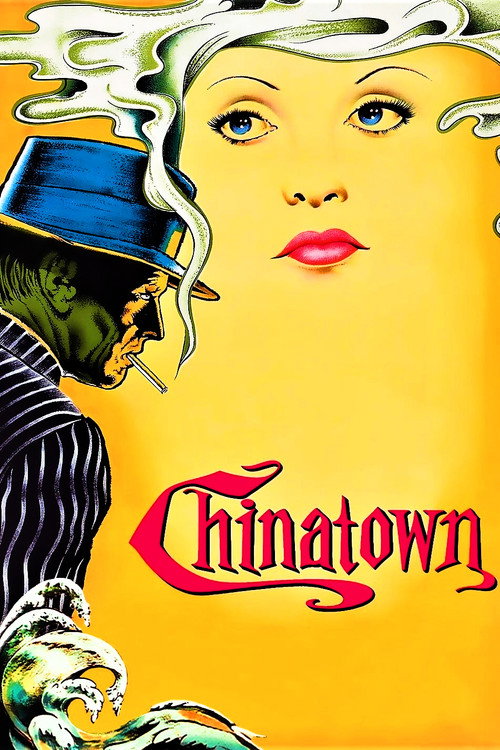
Chinatown1974
Swap railroads for water and the desert for LA and you get the same engine: unstoppable capital corrupting a place under the banner of the future, dressed in a wholly different genre's clothes.
A noir about water rights and land fraud in early Los Angeles, where 'progress' is really theft dressed up as civic virtue — Morton's railroad scheme in a different suit.
But No shootouts, no landscapes — it's claustrophobic, cynical, and set in a city, not the desert.
People
Cast
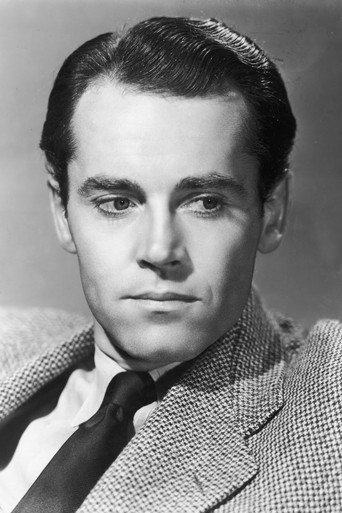 Henry FondaFrank
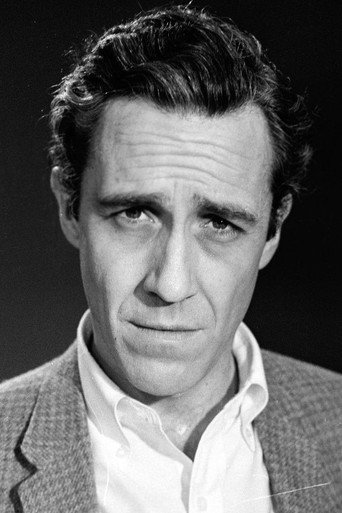 Jason Robards'Cheyenne'
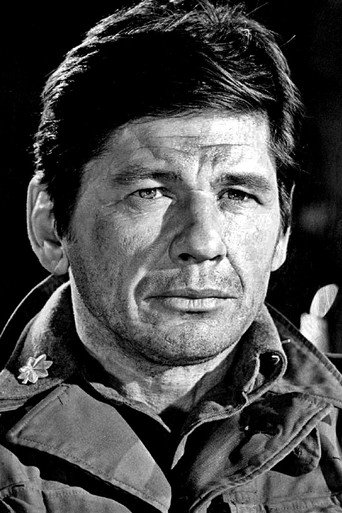 Charles Bronson'Harmonica'
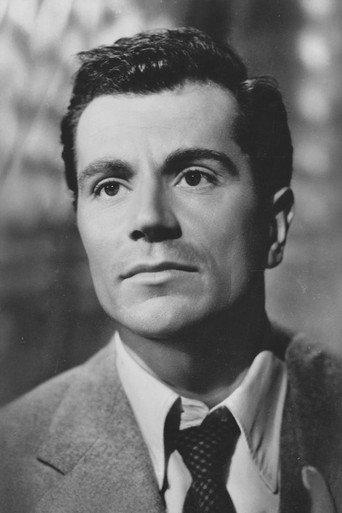 Gabriele FerzettiMorton
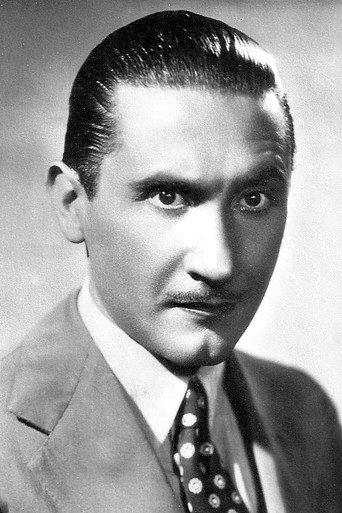 Paolo StoppaSam
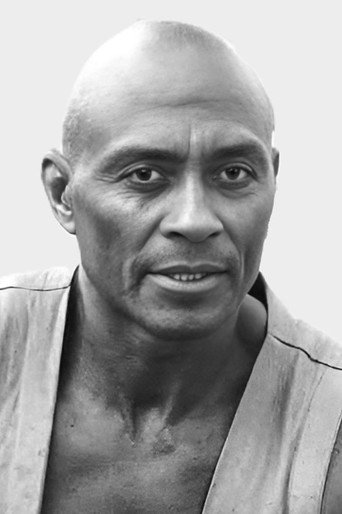 Woody StrodeFrank's Gunman
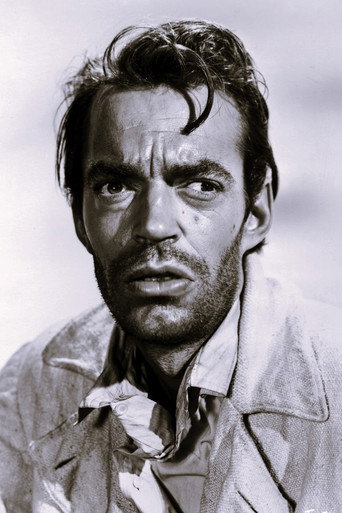 Jack ElamFrank's Gunman
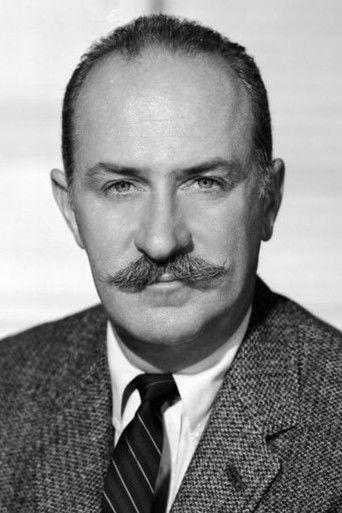 Keenan WynnSheriff
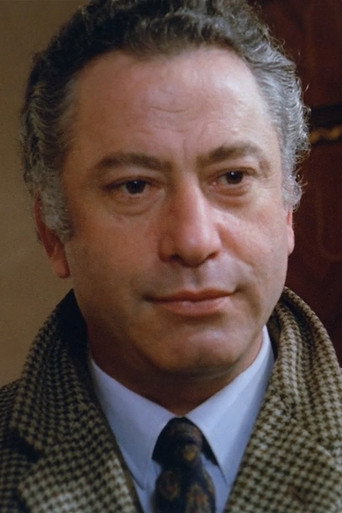 Frank WolffBrett McBain
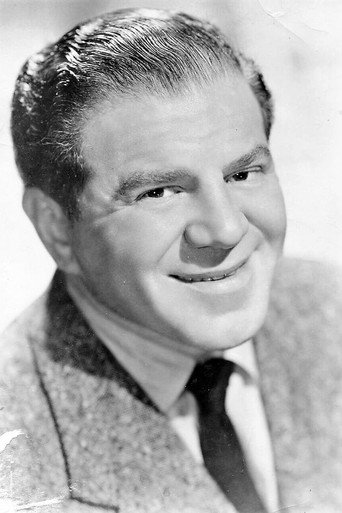 Lionel StanderInnkeeper
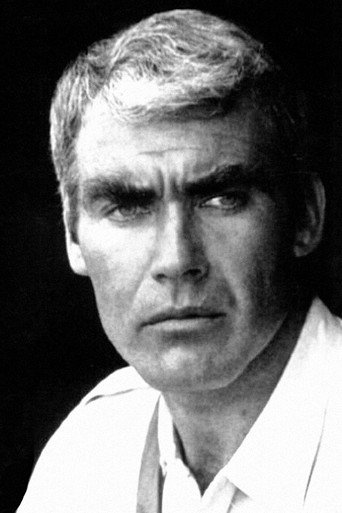 Frank BrañaFrank's Gunman (uncredited)
Directing
- Adolfo AristarainAssistant Director
- Salvatore BasileAssistant Director
- Sergio LeoneDirector
- Giancarlo SantiFirst Assistant Director
- Serena CanevariScript Supervisor
Writing
- Mickey KnoxDialogue
- Sergio DonatiScreenplay
- Sergio LeoneScreenplay
- Bernardo BertolucciStory
- Dario ArgentoStory
- Sergio LeoneStory
Production
- Camillo TetiAssistant Production Manager
- Bino CicognaExecutive Producer
- Jack EnglishLocation Manager
- Fulvio MorsellaProducer
- Claudio ManciniProduction Manager
- Glauco TetiProduction Secretary
- Ugo TucciProduction Supervisor
Recommended by
The Magnificent Seven, A Fistful of Dollars, The Wild Bunch, The Searchers, The Good, the Bad and the Ugly, For a Few Dollars More, Django, The Big Country, Django Unchained, The Great Silence, Sholay, The Good, the Bad, the Weird, The West