
Film
The Good, the Bad and the Ugly
Sergio Leone's operatic finale to the Dollars trilogy turns a treasure hunt into three hours of sunburnt tension, extreme close-ups, and Ennio Morricone's greatest score. It's slow, cruel, funny, and gorgeous — a Civil War fever dream where nobody's motives are clean. Watch it for the standoffs; stay for how patient it dares to be.
If you liked this
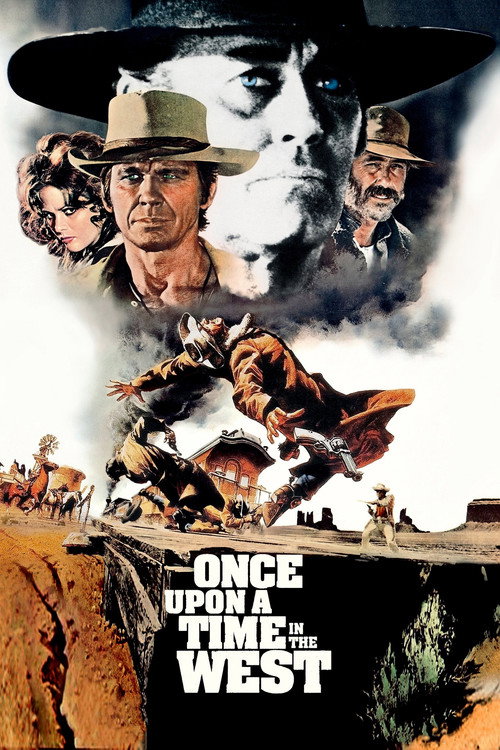
Once Upon a Time in the West1968
Leone's next film, even slower and even more beautiful, swapping bounty-hunter greed for a revenge story told almost entirely through faces, silences, and Morricone's harmonica theme.
But It opens with a ten-minute scene of men waiting for a train. If that sounds unbearable, the next 160 minutes will be too.
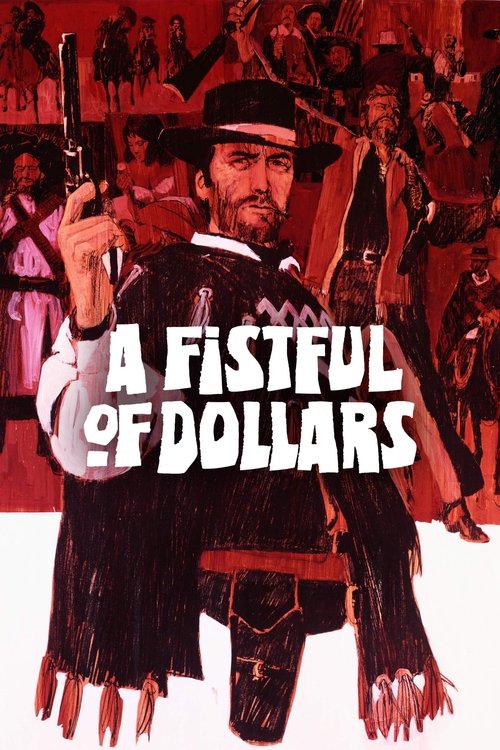
A Fistful of Dollars1964
The trilogy's rougher, cheaper first draft — Eastwood's Man with No Name debuts here, and you can watch Leone inventing his own grammar in real time.
But Thinner plot, smaller stakes, and none of the scale Leone would later master. Feels like a sketch next to the finished painting.
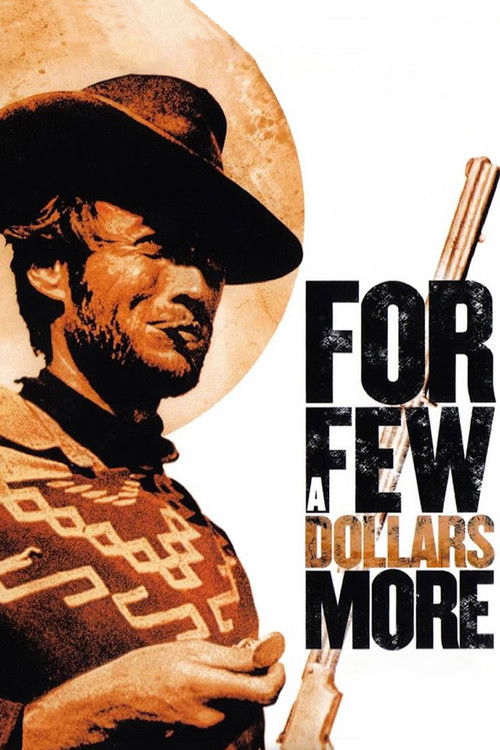
For a Few Dollars More1965
The direct bridge between the two better-known films, with Lee Van Cleef as a bounty hunter and a bell-tower climax that rehearses the tricks GBU perfects.
But Structurally a warm-up act — good, not great, and easy to feel you already got the best version of this idea.
The wildcard
Something you would not have found on your own.
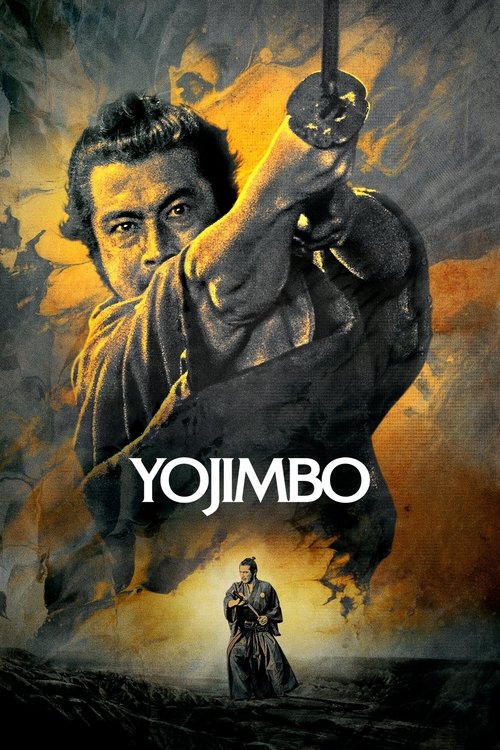
Yojimbo1961
Leone openly lifted his lone-wolf antihero and moral shrug from Kurosawa's samurai films; this is the ancestor of Blondie, in a completely different genre and country.
Kurosawa's samurai film is the actual bloodline here — a cynical, nameless swordsman plays two rival gangs off each other for his own amusement, and Leone borrowed the whole posture wholesale.
But Black and white, subtitled, and more restrained than sprawling — the epic scale you love in GBU simply isn't the ambition here.
More like this (8)
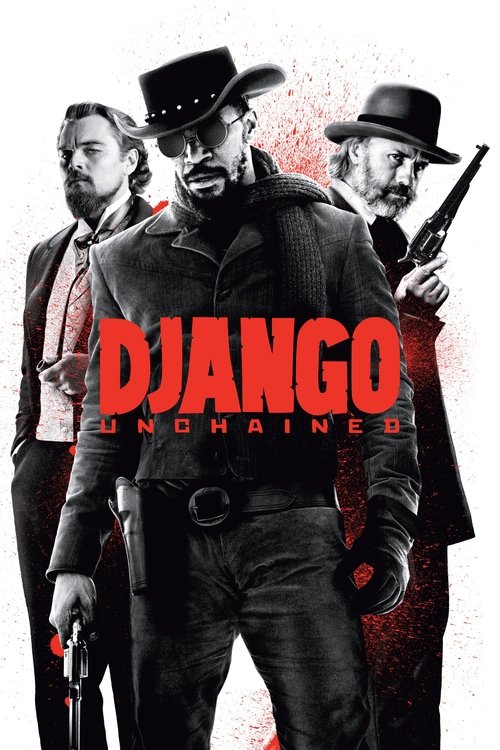
Django Unchained2012
Tarantino's blood-drunk love letter to spaghetti westerns, borrowing Leone's showdown grammar and Morricone's needle drops for a revenge fantasy with real teeth.
But Tarantino's violence is cartoonish where Leone's is dry; if you wanted grim restraint, this is the opposite instinct.
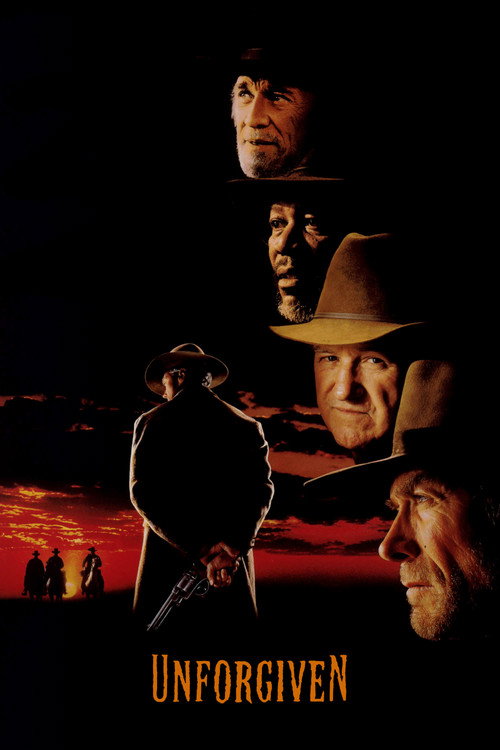
Unforgiven1992
Eastwood, decades later, directing himself as an old gunslinger and quietly dismantling the myth he helped build. A eulogy for the genre from the man who defined it.
But Deliberately unglamorous and morally heavy — there's no fun standoff here, just consequences.
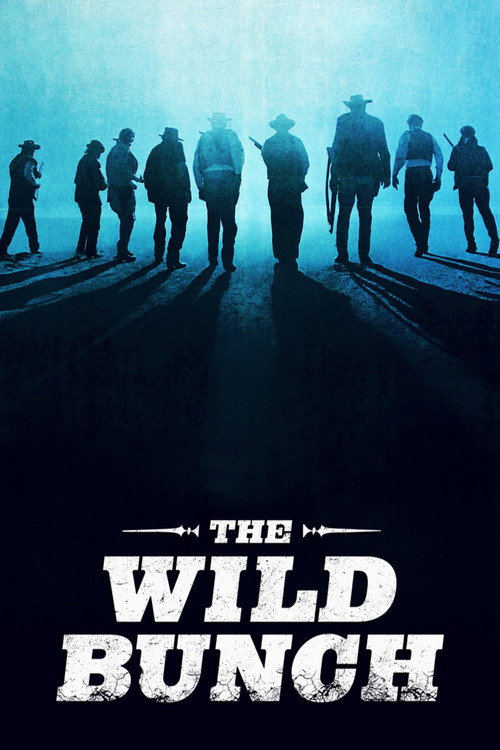
The Wild Bunch1969
Peckinpah's answer to Leone: aging outlaws, slow-motion carnage, and a genuine sense that the West itself is dying underneath them.
But The violence is more visceral and upsetting than anything in GBU — this one wants to hurt you a little.
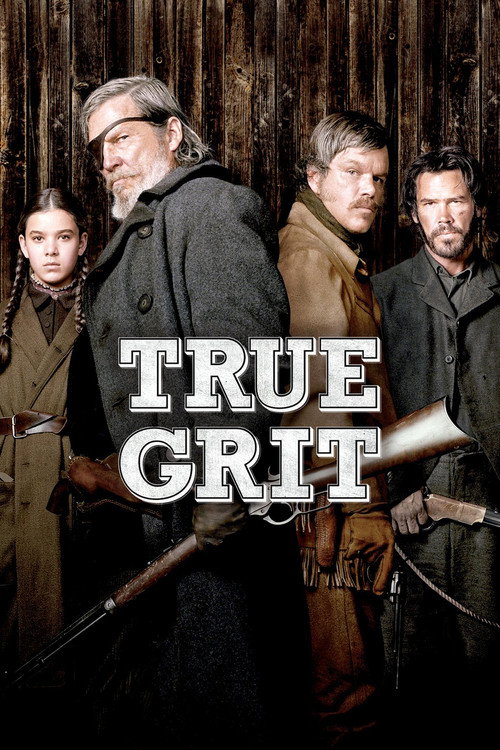
True Grit2010
The Coens' version, drier and funnier, with Jeff Bridges as a drunk marshal and dialogue as precise as any gunfight.
But Told from a fourteen-year-old girl's point of view, so the tone leans more coming-of-age than mythic showdown.
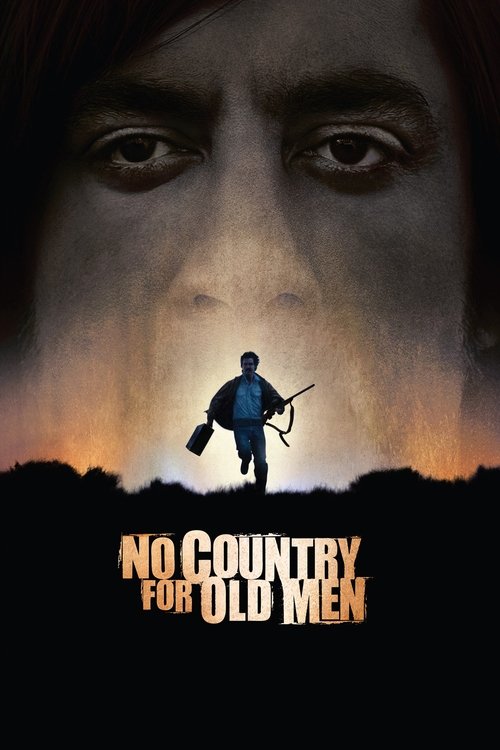
No Country for Old Men2007
Same bleak West Texas sun, same amoral universe where money corrupts everyone it touches, filtered through the Coens' precision dread.
But It refuses catharsis on purpose. If you needed the ending to resolve cleanly, this will frustrate you.
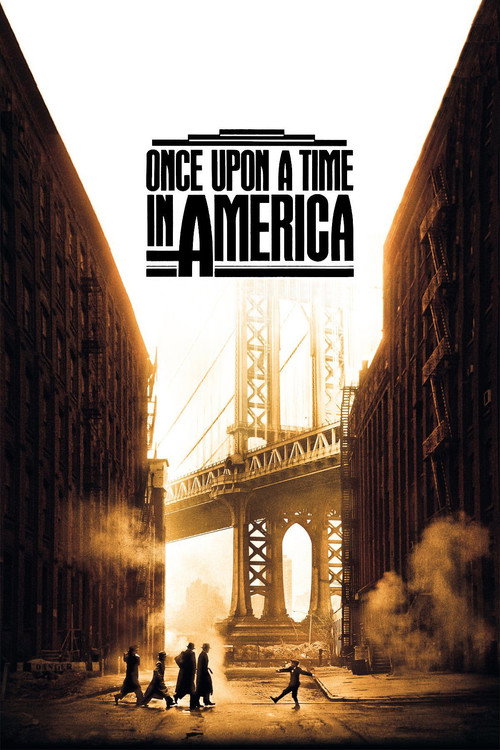
Once Upon a Time in America1984
Leone's final epic, trading gunfights for gangsters but keeping the operatic scale, the aching Morricone score, and a similar interest in men undone by greed and time.
But Nearly four hours, structurally scrambled across decades, and mournful rather than thrilling — a very different kind of patience test.
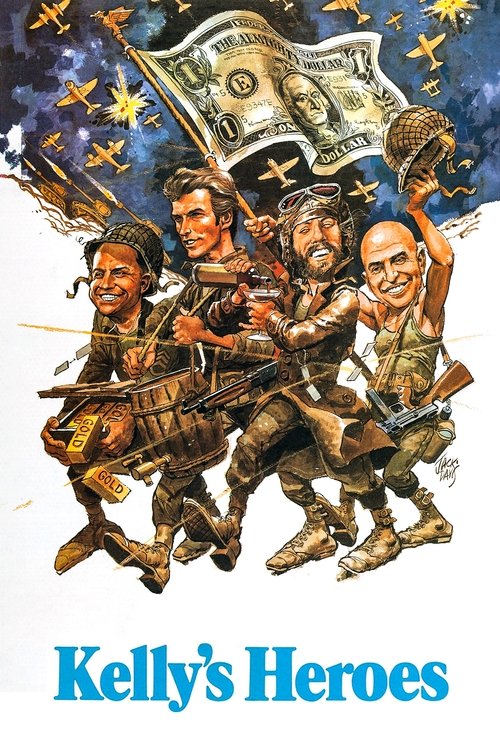
Kelly's Heroes1970
Same star, same three-men-and-buried-treasure engine, same wartime backdrop — but the register flips from operatic cruelty to broad, likable comedy.
Eastwood again, again chasing gold, again surrounded by cynical opportunists — except this time it's WWII played almost entirely as a heist comedy with a rock score.
But Genuinely goofy where GBU is dry and dangerous. If you wanted more of that unsmiling tension, this will feel like a lark.
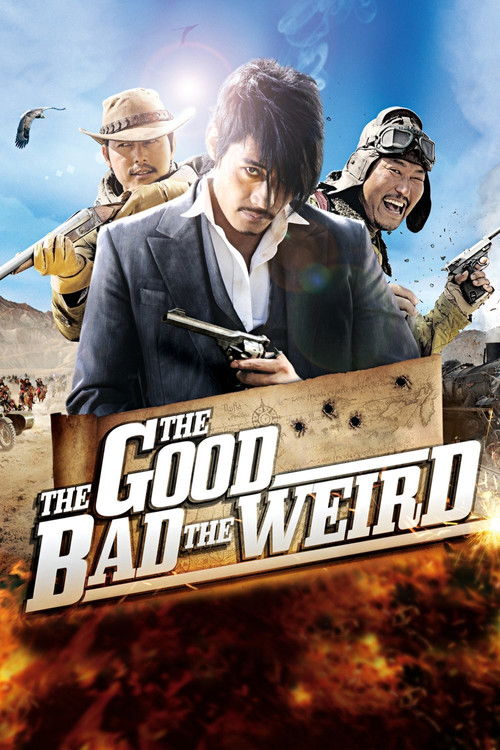
The Good, the Bad, the Weird2008
A direct, self-aware homage that transplants Leone's three-way treasure hunt into Korean genre cinema, trading his patience for pure adrenaline.
A Korean manic-energy remix set in 1930s Manchuria, with a bounty hunter, a thief, and a gunslinger tearing across the plains on motorbikes and horses in a giddy, kinetic chase for treasure.
But It's a completely different speed — frantic, comic, almost cartoonish where Leone luxuriates in stillness and dread.
People
Cast
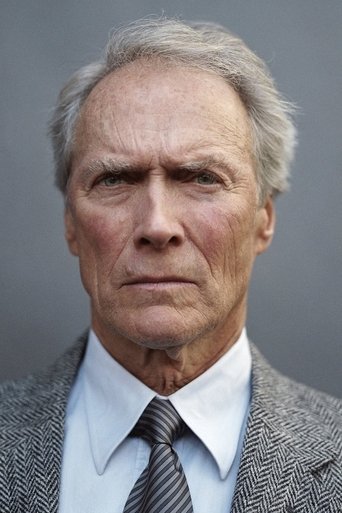 Clint EastwoodBlondie
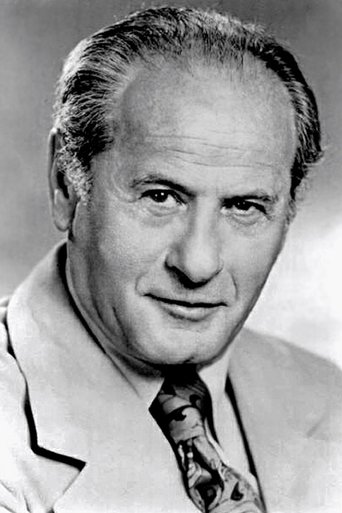 Eli WallachTuco Ramirez
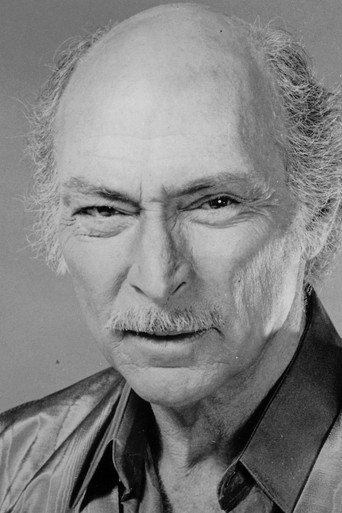 Lee Van CleefSentenza / Angel Eyes
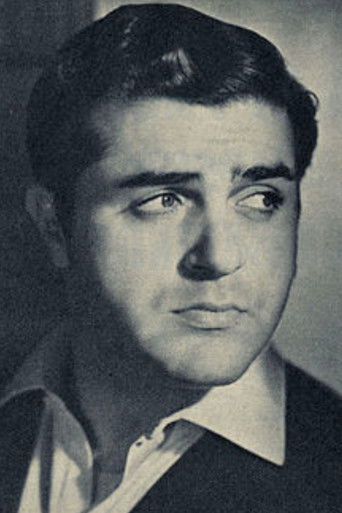 Aldo GiuffrèAlcoholic Union Captain
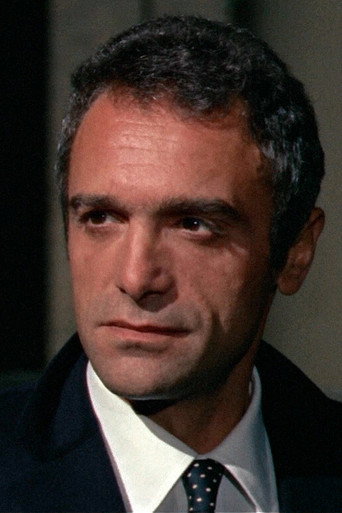 Luigi PistilliFather Pablo Ramirez
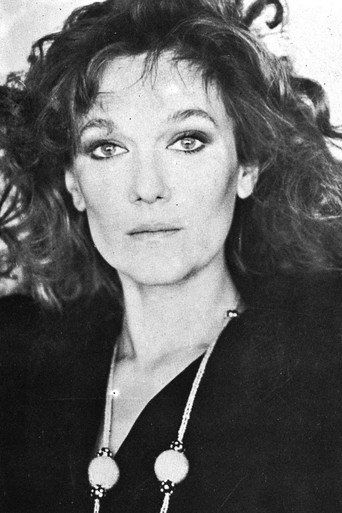 Rada RassimovMaria
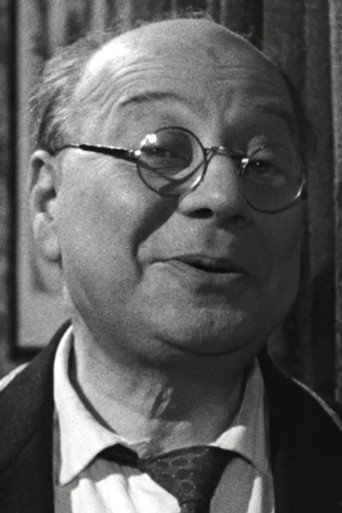 Enzo PetitoStorekeeper
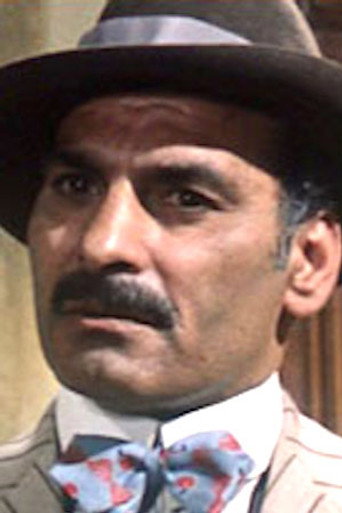 Claudio ScarchilliTuco Henchman
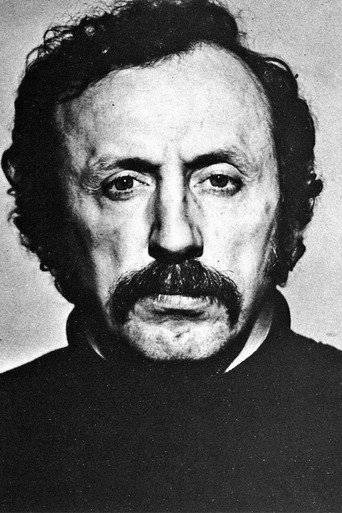 Antonio CasaleBill Carson / Jackson
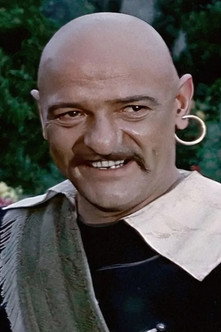 Livio LorenzonBaker
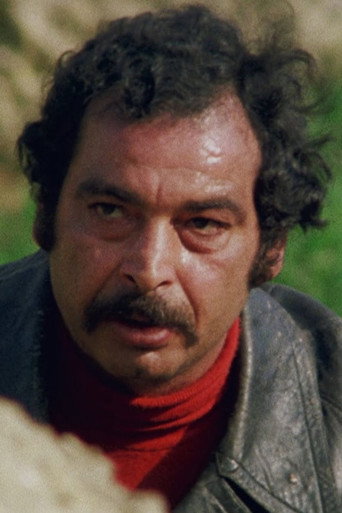 Sandro ScarchilliTuco Henchman
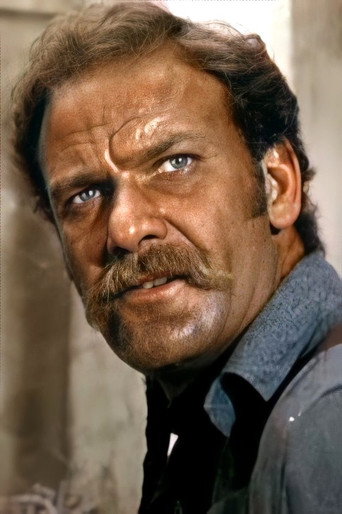 Benito StefanelliMember of Angel Eyes' Gang
Directing
- Fabrizio GianniAssistant Director
- Giancarlo SantiAssistant Director
- Sergio LeoneDirector
- Serena CanevariScript Supervisor
Writing
- Mickey KnoxDialogue
- Agenore IncrocciScreenplay
- Furio ScarpelliScreenplay
- Luciano VincenzoniScreenplay
- Sergio LeoneScreenplay
- Luciano VincenzoniStory
- Sergio LeoneStory
Production
- Alberto GrimaldiProducer
- Carlo BartoliniProduction Assistant
- Federico TofiProduction Assistant
- Fernando CinquiniProduction Manager
- Gray FredericksonProduction Manager
- José Antonio Pérez GinerProduction Manager
- Antonio PalombiProduction Secretary
- Luigi CorboProduction Secretary
- Aldo PomiliaProduction Supervisor
Recommended by
Seven Samurai, Yojimbo, The Magnificent Seven, A Fistful of Dollars, The Wild Bunch, Once Upon a Time in the West, For a Few Dollars More, Django, Django Unchained, Sholay, The Good, the Bad, the Weird, Kill Bill: Vol. 2