
Film
Ennio
A portrait of cinema's greatest composer across 156 minutes of archival footage, interviews, and film clips. Ennio Morricone speaks candidly about his craft, his collaborators, and the emotional precision required to score human drama. It's a masterclass for anyone who's felt music elevate a moment into something eternal.
If you liked this
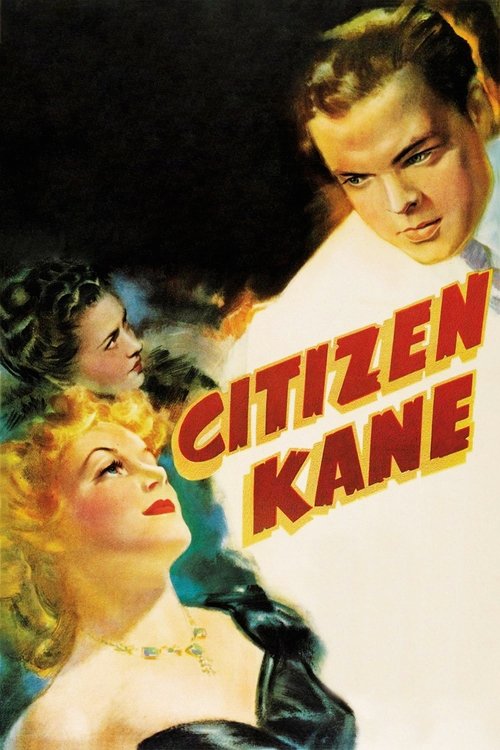
Citizen Kane1941
Rosebud might be the mystery, but the film is a masterpiece of cinematic storytelling—and Morricone studied it. Understanding the form he scored transforms how you hear every note.
But It's nearly 120 minutes of black and white, made 80 years ago, and requires patience with narrative complexity that some find slow.
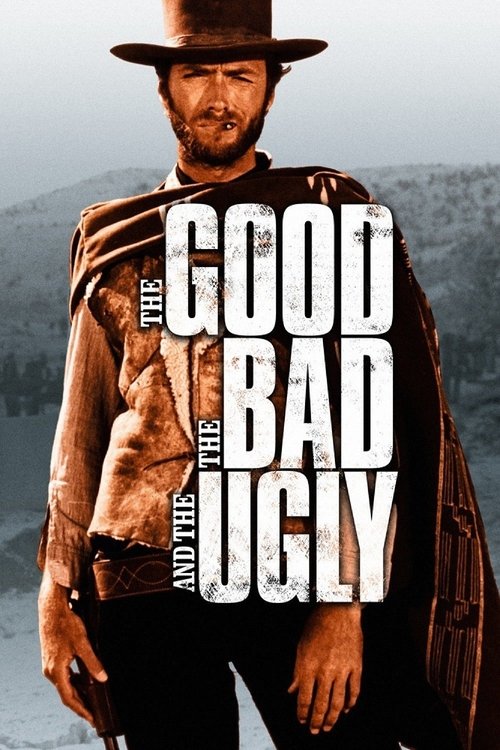
The Good, the Bad and the Ugly1966
This is Morricone's spaghetti western masterpiece, the one where every gunslinger's entrance has its own signature theme. His score is a character unto itself.
But If you haven't seen it, you're coming to it already knowing its most famous tune, which can flatten the first viewing slightly.
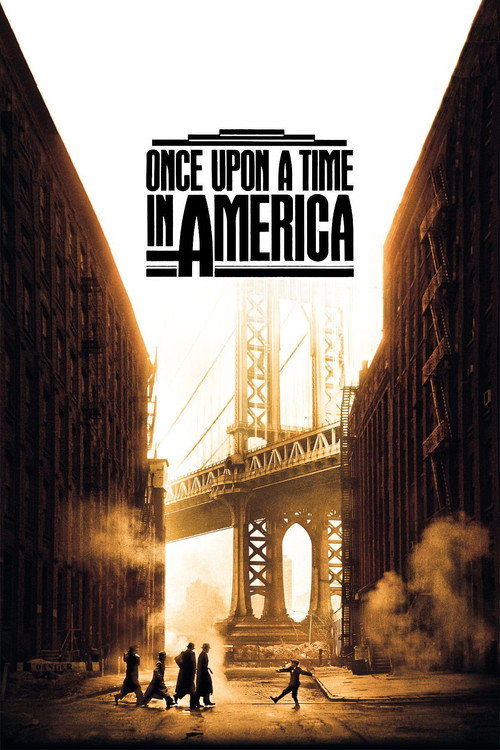
Once Upon a Time in America1984
Morricone's most elegiac work, accompanying Sergio Leone's final film about friendship, betrayal, and the weight of memory. The score moves like a ghost through the narrative.
But It's long, deliberately paced, and some find the extended time jumps between past and present frustrating without context.
Not sure tonight? Get a pick in a minute, starting from Ennio
The wildcard
Something you would not have found on your own.
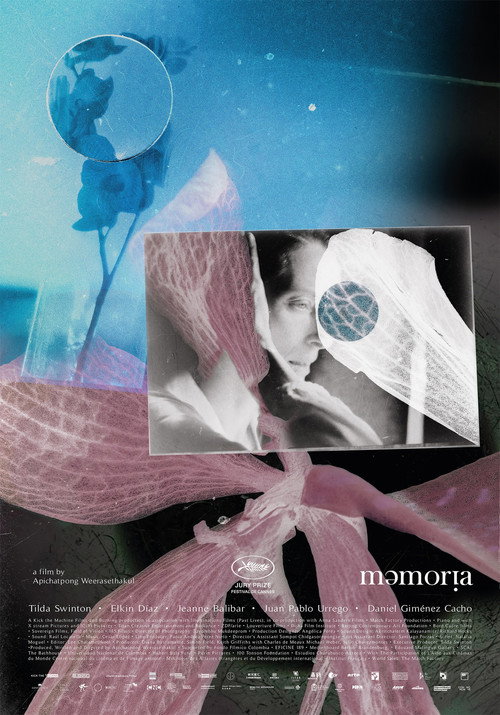
Memoria2021
Both artists understand that cinema's power lives in space and silence—what you hear in the gaps matters more than what fills them. Sound as the protagonist.
Apichatpong Weerasethakul's meditative Thai film about a woman hearing mysterious sounds is less a narrative than a state of mind. Like Morricone's best work, it trusts sound to communicate what images cannot.
But Almost nothing happens. No plot, minimal dialogue, and its 136 minutes are a test of patience. The audience is smaller than the number of people who walk out.
More like this (8)
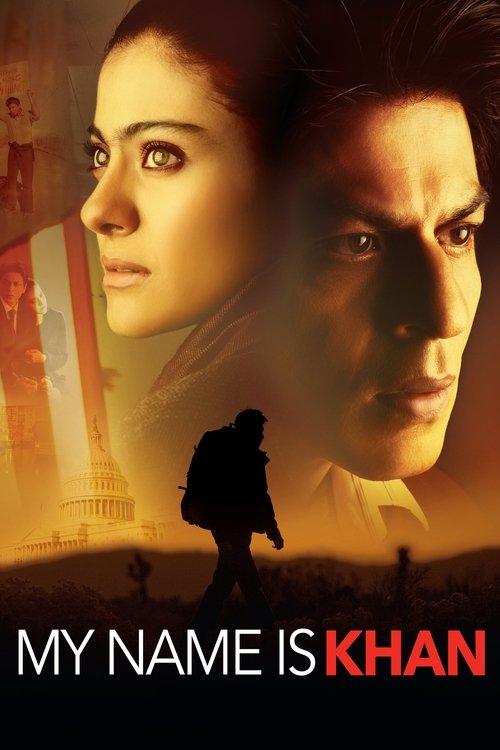
My Name Is Khan2010
A film about Islamophobia and American identity that uses Morricone's score to locate profound empathy in its protagonist. The music is doing half the emotional work.
But It's a Bollywood film from a major director, which means it's operatic in scale—not everyone's cup of tea, and it runs nearly three hours.
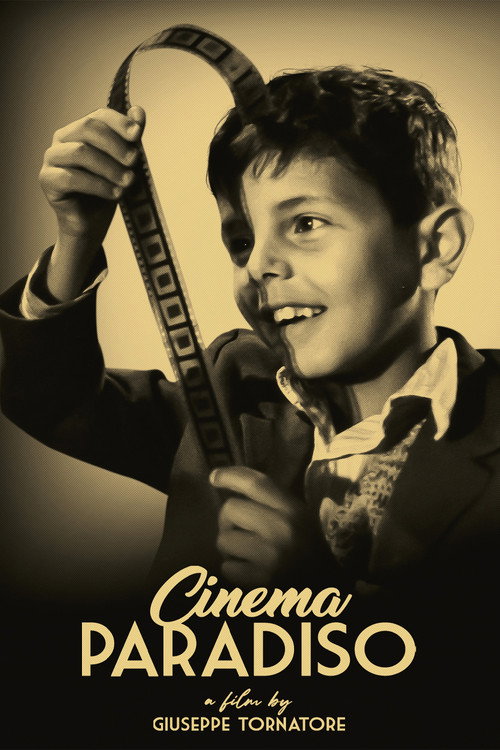
Cinema Paradiso1988
A love letter to cinema itself, scored by Morricone with such tenderness that the film becomes a memory you feel rather than watch. About a boy, a projectionist, and film as salvation.
But Its sentimentality can feel saccharine if you're not in the mood for that kind of beauty, and it gets slower as it goes.
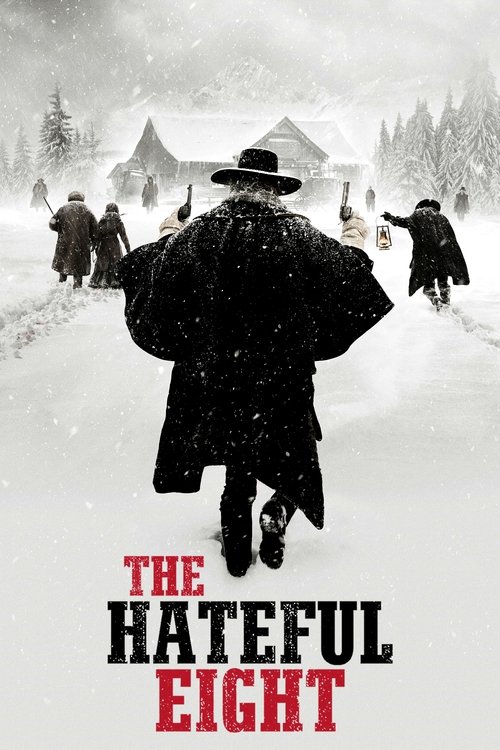
The Hateful Eight2015
Tarantino's chamber piece snowbound western revives Morricone specifically for its themes. His score is spare, ominous, and builds dread instead of melody—a master at work.
But It's essentially a play in one room with people exchanging harsh words and ugliness. If you want movement and lightness, you won't find it.
The Battle of Algiers1966
Pontecorvo's documentary-style film about urban warfare and colonial violence uses Morricone's score to complicate your emotional response. The music is conflicted, which is the point.
But It's a black-and-white political film from nearly 60 years ago about terrorism and counterterrorism. The politics can feel dated, and it's visually austere.

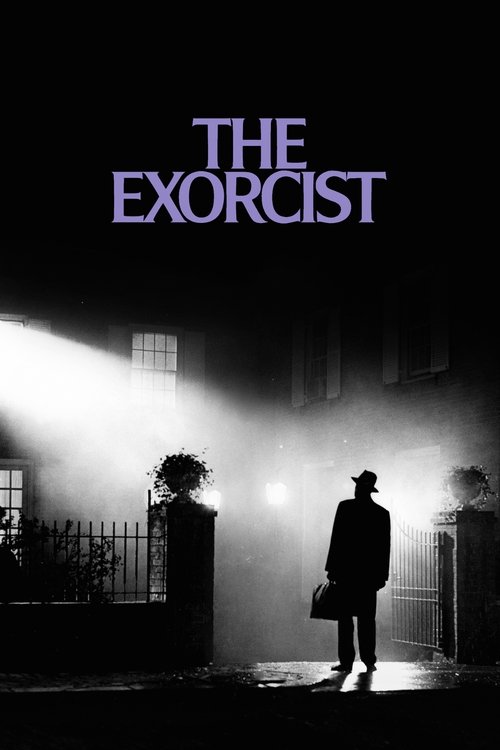
The Exorcist1973
The score isn't Morricone's, but watching it after the documentary will teach you why his approach to understatement matters. See how someone else scored horror for comparison.
But It's genuinely disturbing and grotesque, and the possession sequences are designed to be as unwelcome in your mind as possible. Not a comfort watch.
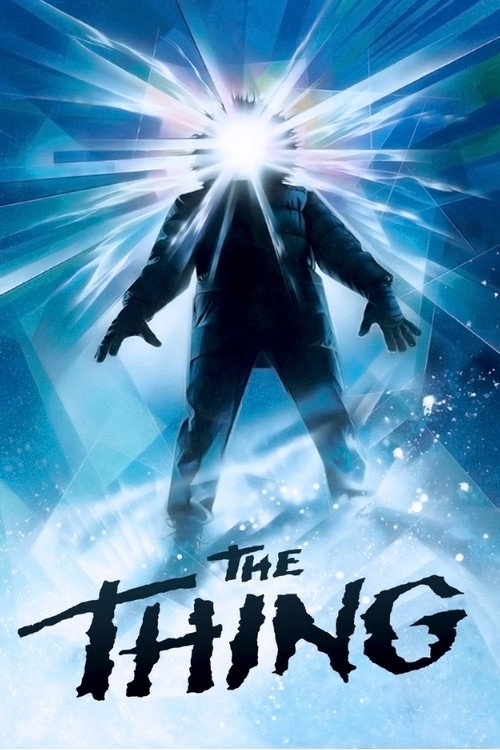
The Thing1982
John Carpenter's remote-Antarctic paranoia thriller has a score by Ennio Morricone that's minimal, synthesized, and hypnotic. It shows another side of his range entirely.
But It's slow-burn sci-fi horror from 1982, and if you need plot momentum or likable characters, it will feel like watching paint freeze.
Under the Skin2014
Both Morricone and Glazer weaponize emptiness. The score doesn't accompany the film—it becomes the emotional landscape the film moves through. Sound as the engine.
Jonathan Glazer's sci-fi film about an alien predator uses a Micachu score of strings and drones that's deeply unsettling. It's proof that a composer can make the audience feel hunted.
But There's virtually no dialogue, the pace is glacial, and the final 20 minutes will baffle most people. If you need clarity and forward motion, this will enrage you.

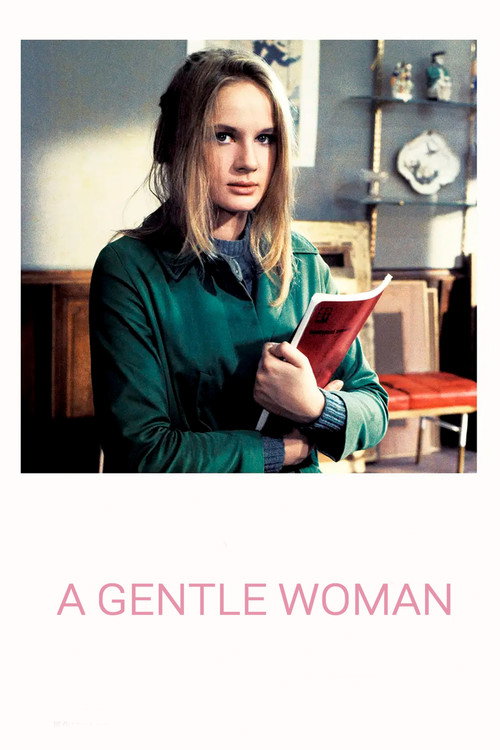
A Gentle Woman1969
Both Bresson and Morricone share a belief that art about suffering must be formally rigorous—never prettified, never sentimental. Compassion through discipline, not through softness.
Bresson's adaptation of Dostoevsky is a study in how film can render interior spiritual anguish through rigor and restraint. The sound design and minimal music create a portrait of despair as precise as Morricone's precision.
But It's in French, it's a black-and-white experimental film from 1969, and it's about a woman's slow dissolution into depression. The bleakness is architectural, not momentary.
People
Cast
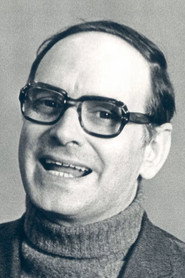 Ennio MorriconeSelf
- Silvano AgostiSelf
- Fausto AncillaiSelf
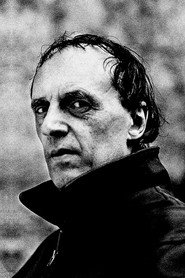 Dario ArgentoSelf
 Joan BaezSelf
- Sergio BassettiSelf
 Marco BellocchioSelf
- Marco BiscariniSelf
- Walter BranchiSelf
Directing
- Giuseppe TornatoreDirector
Writing
- Giuseppe TornatoreScreenplay
- Giuseppe TornatoreStory
Production
- Alessandra TieriCo-Producer
- Alice Chan Wai-ChungCo-Producer
- Chan Ye-chengCo-Producer
- Chizu OgiyaCo-Producer
- Migiwa NakataCo-Producer
- Naoko TakahashiCo-Producer
- Satomi OdakeCo-Producer
- Jacky PangExecutive Producer
- Tatsumi YodaExecutive Producer
- Wong Kar-waiExecutive Producer
- Gabriele CostaProducer
- Gianni RussoProducer