
Film
Cinema Paradiso
Giuseppe Tornatore's love letter to the movies follows a boy in postwar Sicily whose friendship with the local cinema's projectionist shapes the rest of his life. It's unabashedly sentimental, gorgeously shot, and builds to one of the most quoted endings in film history. For anyone who has ever loved a place, a person, or a screen enough to feel homesick for all three at once.
If you liked this
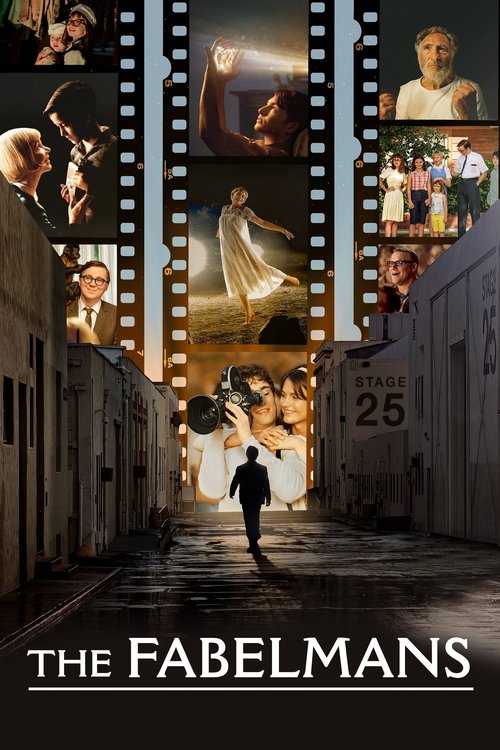
The Fabelmans2022
Spielberg's own coming-of-age memoir about falling for the camera as a kid, guided by a mentor who complicates everything—it's Cinema Paradiso told through a Super 8 lens.
But It's Spielberg being sentimental about Spielberg; if that idea already grates, this won't win you over.
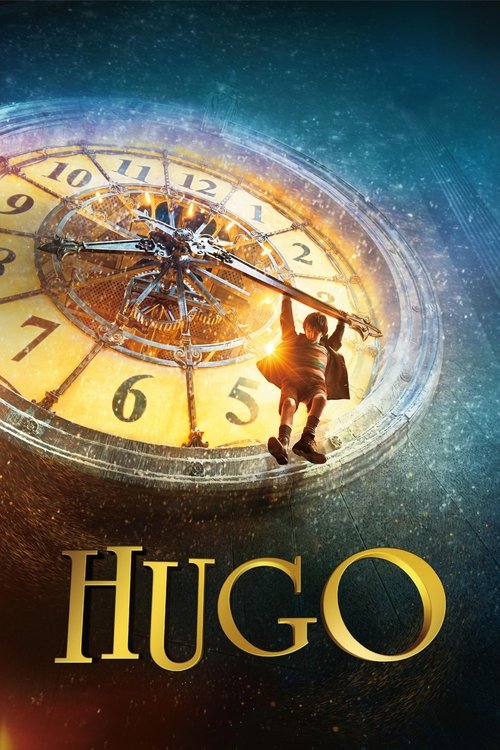
Hugo2011
A dazzling ode to early cinema and the people who preserve it, wrapped in a Parisian adventure that's as much about memory as magic.
But The pacing is uneven and the wonder is aimed squarely at families, so adults wanting rawer nostalgia may feel it's too polished.
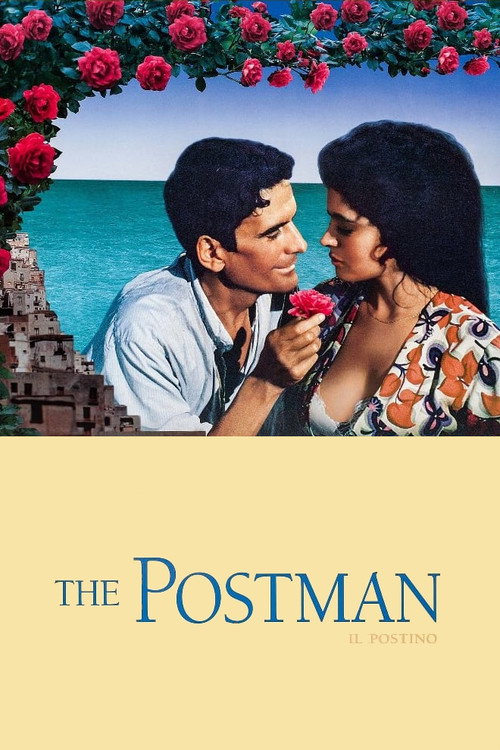
The Postman1994
An Italian tale of an unlikely friendship between an ordinary man and someone who opens up his whole world—tender, funny, and devastating in exactly the way Cinema Paradiso is.
But Its political backdrop (Neruda, exile) shares space with the romance, which some viewers find slows down the heart of the story.
The wildcard
Something you would not have found on your own.
Amarcord1973no page yet
Tornatore has cited it as a formative influence; both use a fictionalised hometown to mourn a vanished world, just with Fellini's surrealism instead of Tornatore's sentiment.
Fellini remembering his own Rimini childhood—the carnival, the eccentrics, the ache of a town outgrown—is the direct ancestor of Tornatore's film, made fifteen years earlier.
But Looser and stranger than Cinema Paradiso, with no single story to hold onto—more mood than plot.
More like this (8)
Empire of Light2022no page yet
A cinema on the English coast becomes a refuge for lonely people, with the same reverence for the ritual of watching films together in the dark.
But It juggles too many themes—mental illness, racism, romance—without fully landing any of them.
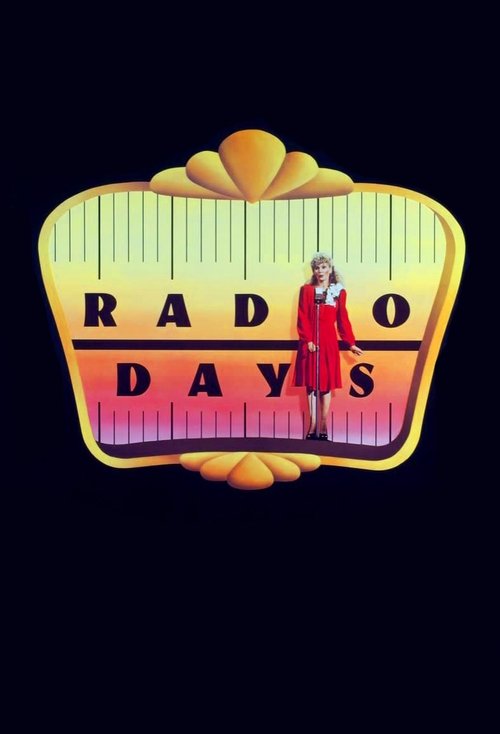
Radio Days1987
Woody Allen looks back at his own childhood through the radio instead of the movies, with the same wistful, episodic warmth and a narrator who can't quite let go.
But It's more a string of vignettes than a story, so if you want a throughline, this will frustrate you.
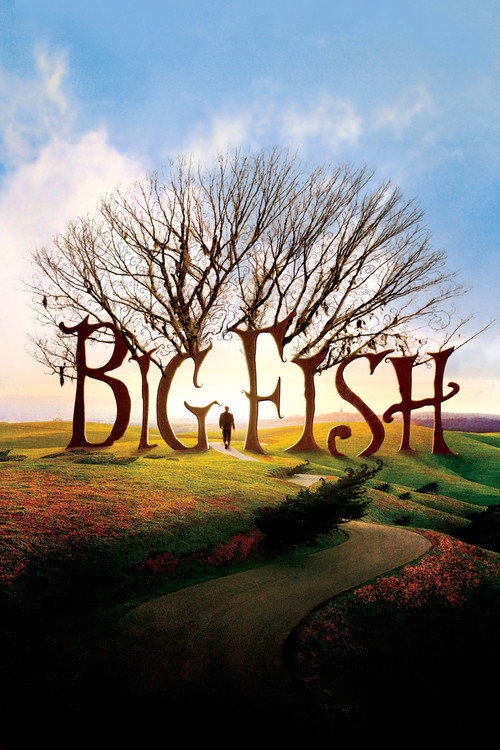
Big Fish2003
A son untangles the myths his dying father told about his own life—the storytelling-as-love-language of Cinema Paradiso, painted in Tim Burton's fable colours.
But The whimsy is thick and unashamed; if you find Burton's style twee, this leans hard into it.
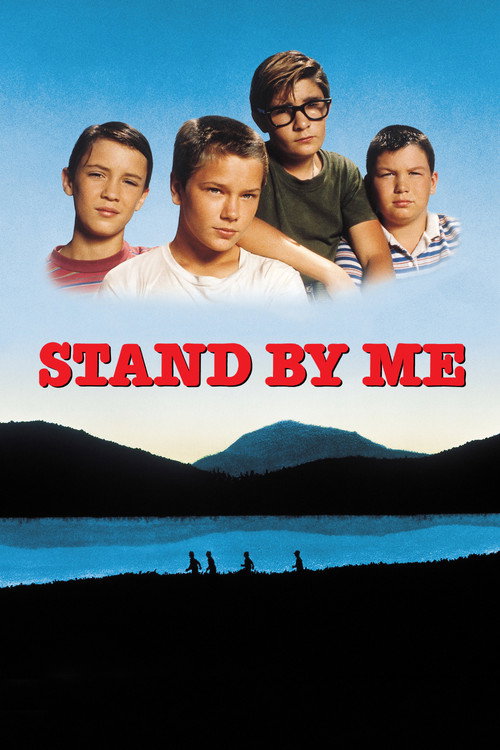
Stand by Me1986
A last summer of childhood friendship before everything changes—the specific ache of growing up and leaving a place behind, told with real tenderness.
But American small-town Americana rather than Sicilian warmth, so the texture is quite different even if the feeling isn't.
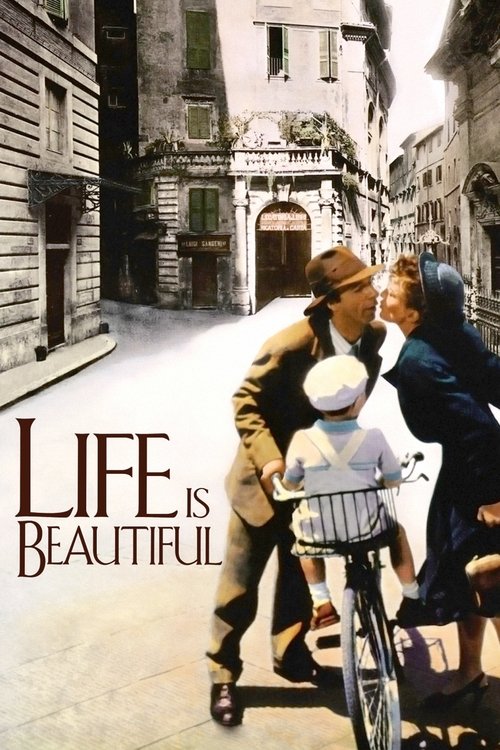
Life Is Beautiful1997
Another Italian film that finds the whole of a life—joy, tragedy, love of story—condensed into one relationship, this time between father and son.
But The tonal swing into the Holocaust in its second half is a gut-punch some viewers aren't prepared for.
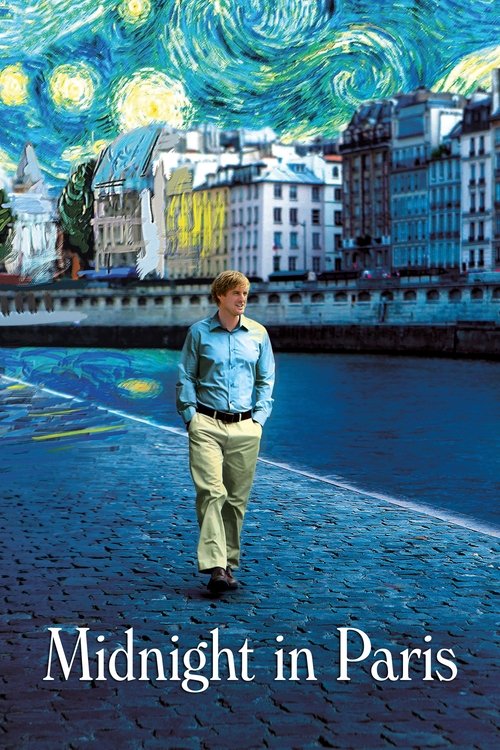
Midnight in Paris2011
A lighter, funnier cousin—nostalgia as both trap and gift, wrapped around a love letter to another art form in another beloved city.
But It's whimsical rather than moving; don't expect the tears Cinema Paradiso earns.
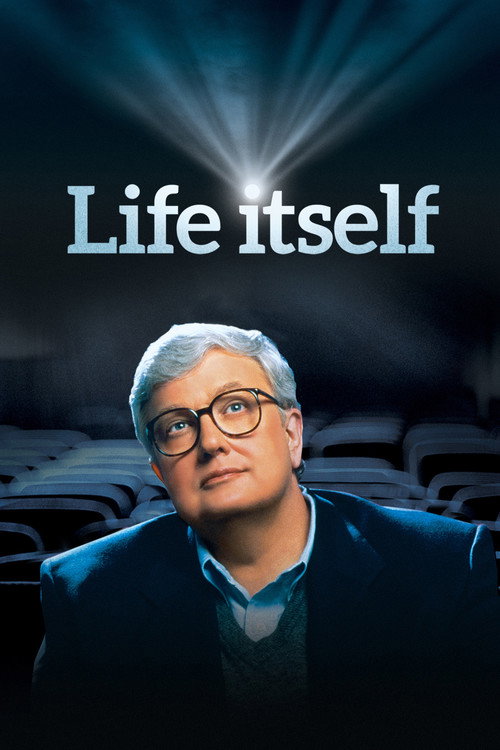
Life Itself2014
Where Cinema Paradiso is a fable about a boy who becomes cinema's servant, this is the nonfiction version—an actual critic whose whole identity was built at the movies.
Roger Ebert's real life, told through his own writing and his final months, is a true story about a person shaped entirely by his love of film and the mentors who shaped him.
But It's frank about illness and death in ways a narrative film can soften; this one doesn't.
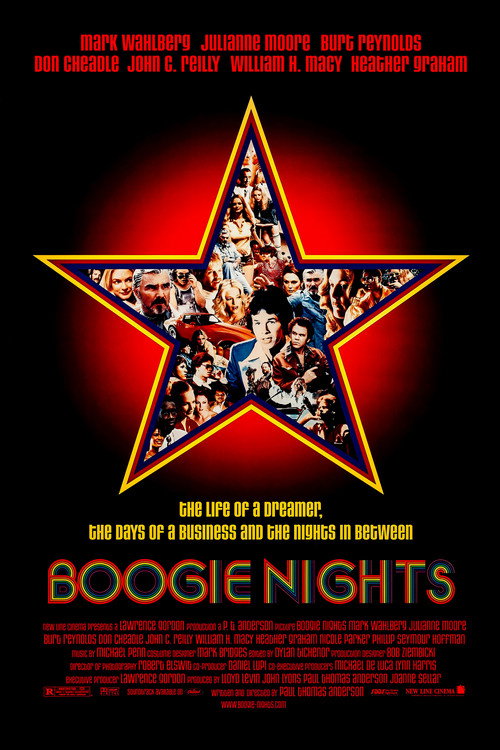
Boogie Nights1997
Both mourn a golden age of a visual medium through a mentor-and-protégé bond, and both end with the kid outliving the industry that made him.
A surrogate family built around a dying art form, led by a father figure who can't save anyone from the outside world catching up—same bones as Cinema Paradiso, dressed in velvet and cocaine.
But It's raunchy and occasionally violent, set in the adult film industry—about as far from a Sicilian village as you can get.
People
Cast
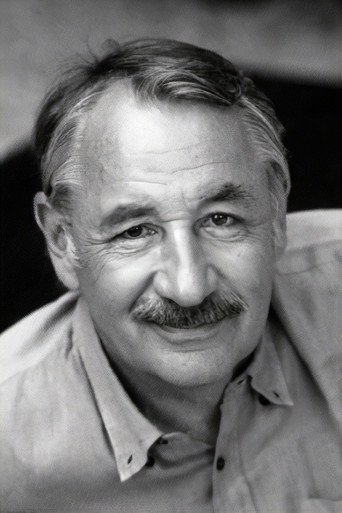 Philippe NoiretAlfredo
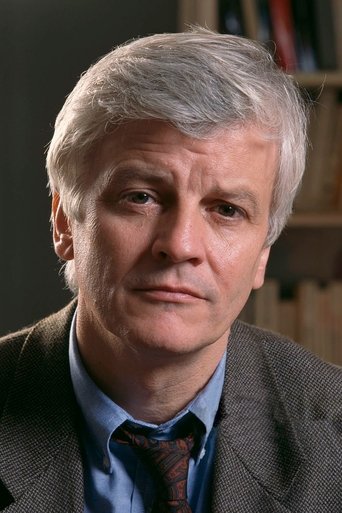 Jacques PerrinSalvatore 'Totò' Di Vita (adult)
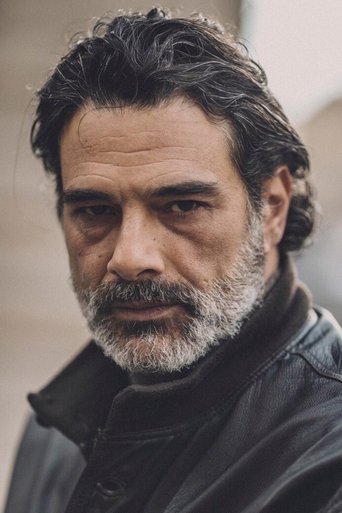 Marco LeonardiSalvatore 'Totò' Di Vita (teen)
 Salvatore CascioSalvatore 'Totò' Di Vita (child)
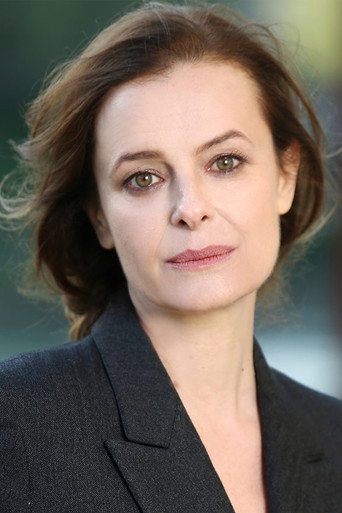 Agnese NanoElena Mendola (teen) / Elena's daughter (in Director's cut)
 Antonella AttiliMaria Di Vita (young)
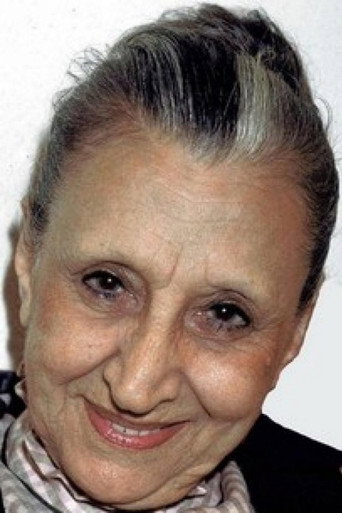 Pupella MaggioMaria Di Vita (aged)
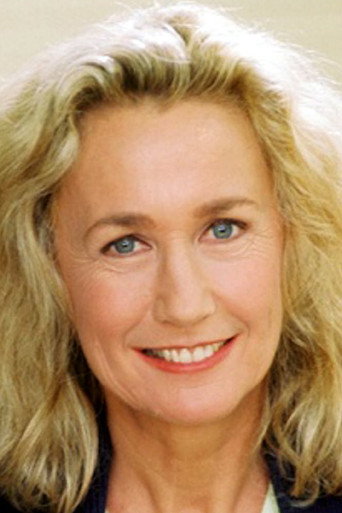 Brigitte FosseyElena Mendola (adult)
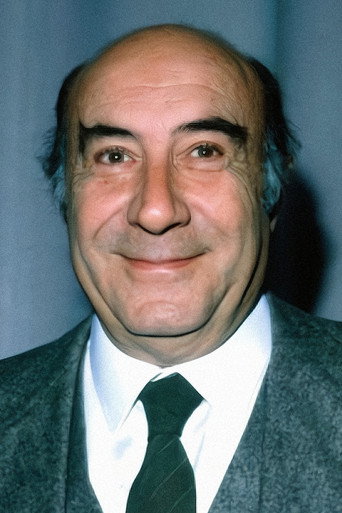 Enzo CannavaleSpaccafico
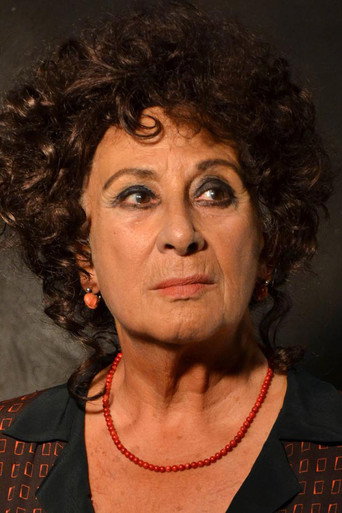 Isa DanieliAnna
 Leo GullottaIgnazio, usher
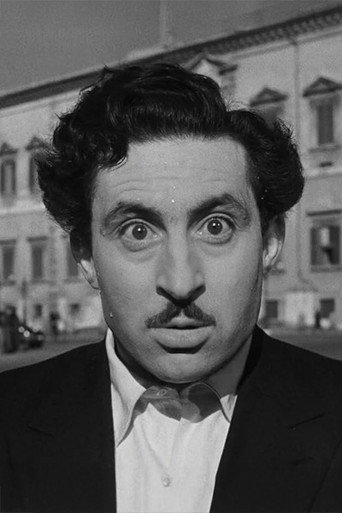 Leopoldo TriesteFather Adelfio
Directing
- Giuseppe GigliettiAssistant Director
- Giuseppe TornatoreDirector
Writing
- Vanna PaoliCo-Writer
- Giuseppe TornatoreScreenplay
- Giuseppe TornatoreStory
Production
- Franco CristaldiProducer
- Giovanna RomagnoliProducer
Recommended by
Life Is Beautiful, The Wolfpack, The 400 Blows, The Purple Rose of Cairo, City Lights, Hugo, The Postman, The Last Picture Show, Hope and Glory, Life Itself, Good Bye, Lenin!, Radio Days, Field of Dreams, Millennium Actress, Fanny and Alexander, The Fabelmans, The Movies That Made Us, Belfast, Central Station, Bombay Talkies, Aparajito