
Film
Zorba the Greek
A collision between English restraint and Mediterranean abandon. An uptight writer arrives in Crete and meets Zorba, a man who seems to live every moment with unhinged joy. It's a character study disguised as a buddy story—funny, sad, alive with the question of how to actually live. For anyone who's ever felt too controlled or wondered what they're missing.
Should you watch it?
Watch it if you love a warm, sprawling character study where a larger-than-life talker pulls a reserved man out of his shell, and you don't mind a story that wanders through food, dancing and small human disasters.
Skip it if you want a tight plot that keeps moving; this is leisurely, talky in its middle stretch, and its humour and sentiment can feel broad to viewers who prefer restraint.
What it asks of you: Settle in for just over two hours at an unhurried pace, with long conversations and scenic stretches, and let the mood build rather than expecting constant forward momentum.
Not sure? Find tonight's pick in a minute.
If you liked this
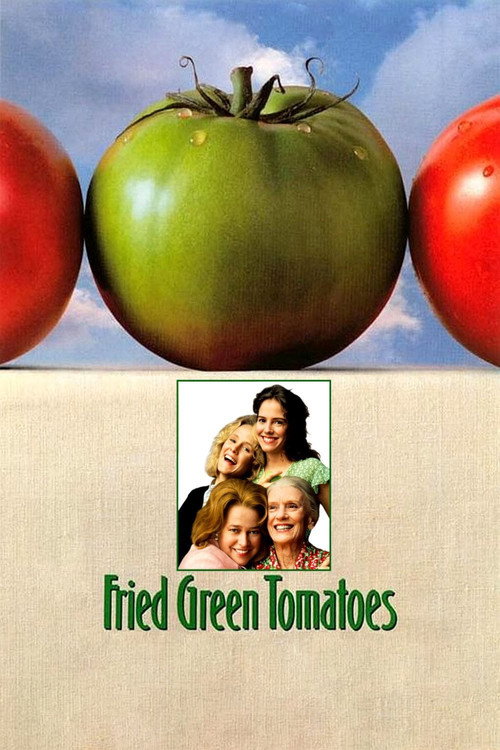
Fried Green Tomatoes1991
Two women in a diner find in each other permission to be fully themselves, just as Basil finds it in Zorba. A film about the transformative power of an unexpected friendship that teaches you who you could be.
But It wears its sentimentality openly and some of the plotting feels engineered. The framing device can feel cutesy when the real story is being told.
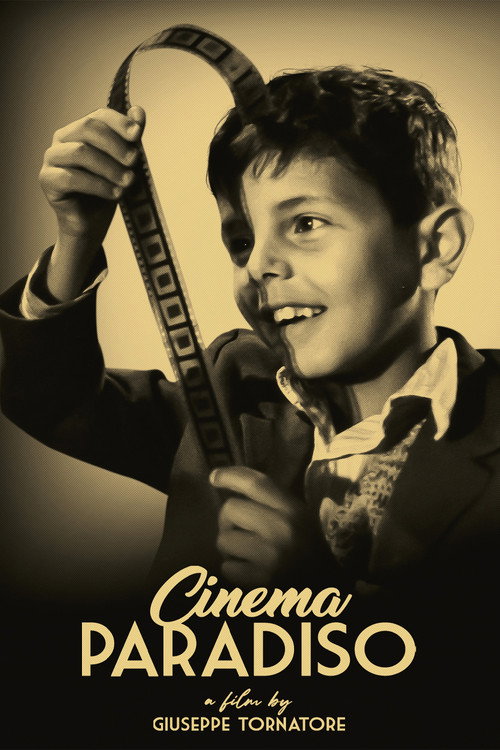
Cinema Paradiso1988
A meditation on mentorship and memory where an older man teaches a younger one how to live with passion and generosity. It shares Zorba's conviction that life is meant to be felt, not just observed.
But It's deeply nostalgic to the point of ache, which some find manipulative. The restoration added scenes that dilute the original's power.
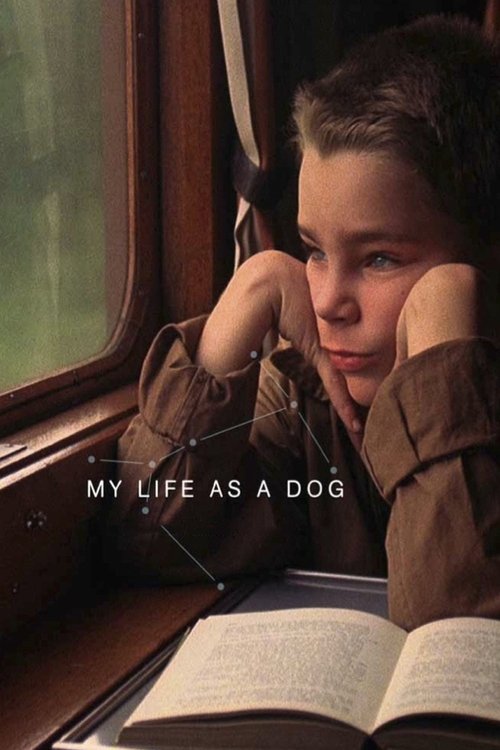
My Life as a Dog1985
A boy learns from the kindly, eccentric adults around him that pain and humiliation are survivable, even instructive. It has Zorba's faith that life's roughness teaches you something true about living.
But The tone shifts between whimsy and genuine suffering, which some viewers find disorienting. It's more melancholic than joyful, despite its philosophy.
Not sure tonight? Get a pick in a minute, starting from Zorba the Greek
The wildcard
Something you would not have found on your own.
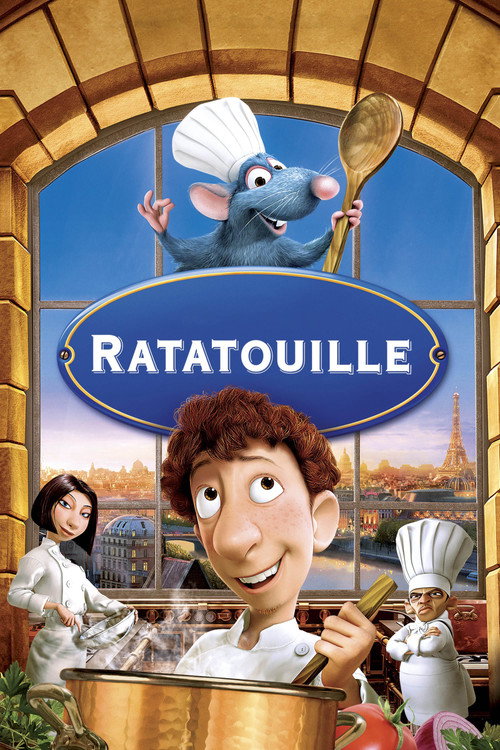
Ratatouille2007
Both are about transformation through the arrival of an unteachable teacher. Both say the point of life is to do the thing with full commitment and joy, consequences be damned.
An animated film about a rat who wants to cook and the cynic he teaches to care. It's Zorba translated into the language of pure enthusiasm—a complete stranger arrives and transforms someone's entire understanding of what's possible. It has the same philosophy: the secret is to stop controlling and start feeling.
But It's a Pixar film, so you may expect it to be slight. The emotional sophistication hides inside jokes about food and kitchen hierarchy.
More like this (8)
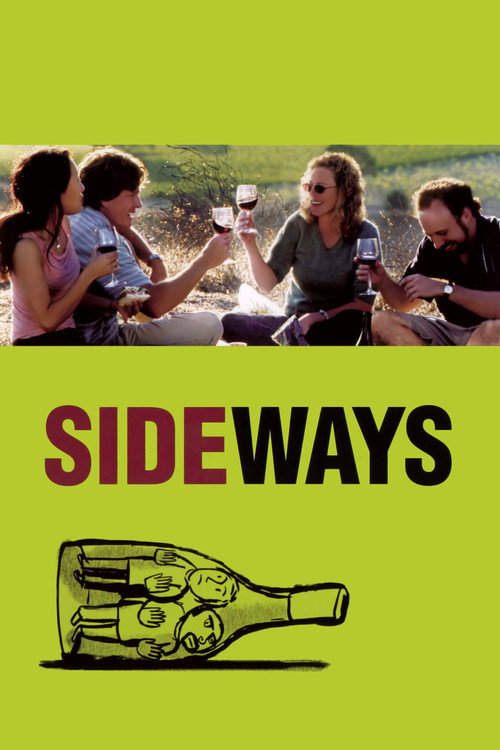
Sideways2004
Two men on a road trip, one rigid and one hedonistic, discover that the other's way of seeing the world has value. It's a modern, wry take on the same collision of temperaments.
But The characters are often unlikeable and self-pitying. If you don't find wine-country pretension amusing, you'll find the whole thing tedious.
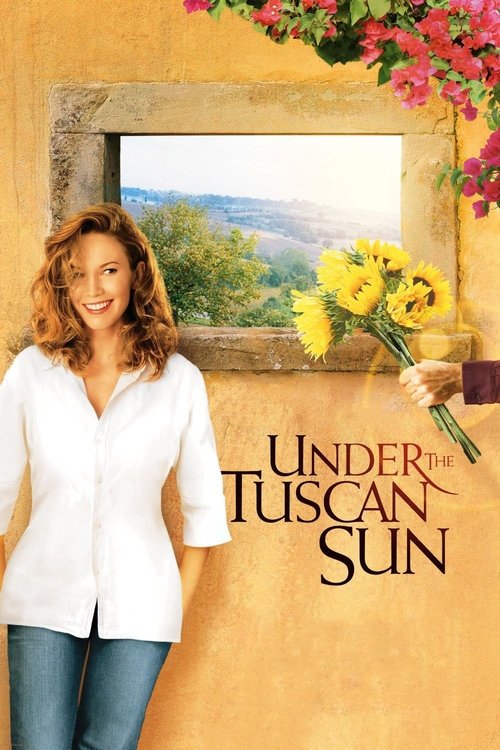
Under the Tuscan Sun2003
A woman rebuilds her life in Italy by saying yes to the unknown, embracing spontaneity and community. It captures the same sense of being reborn through place and people.
But It's unabashedly sentimental and tailors its chaos to be palatably romantic. There's no real friction or cost to the transformation.
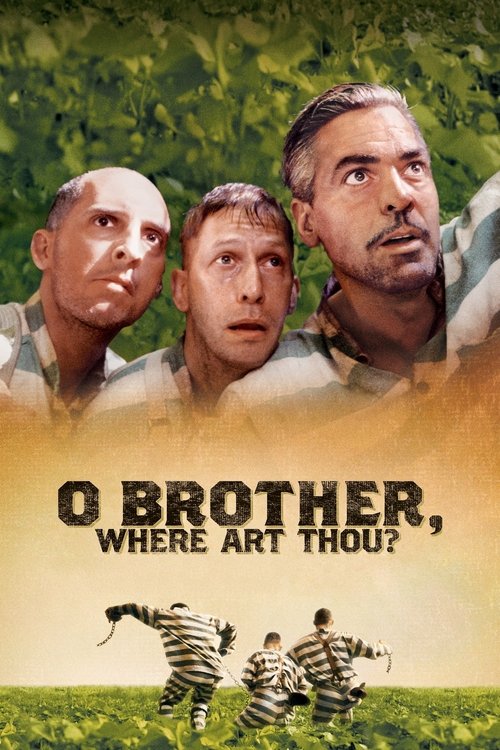
O Brother, Where Art Thou?2000
Two men navigate a world that confounds them, learning something about faith, loyalty, and the music in ordinary life. It hums with the same life-force as Zorba, though filtered through American folk tradition.
But The plot is loose and the tone lurches. If you need a straightforward narrative, you'll find it maddening.
Moonlight2016
A portrait of a man shaped by the people who loved him despite the world trying to crush him. It's Zorba's opposite—restraint and silence instead of exuberance—but equally profound about how we become ourselves.
But It moves slowly and refuses to explain itself. The non-linear structure frustrates viewers who want clarity and plot momentum.

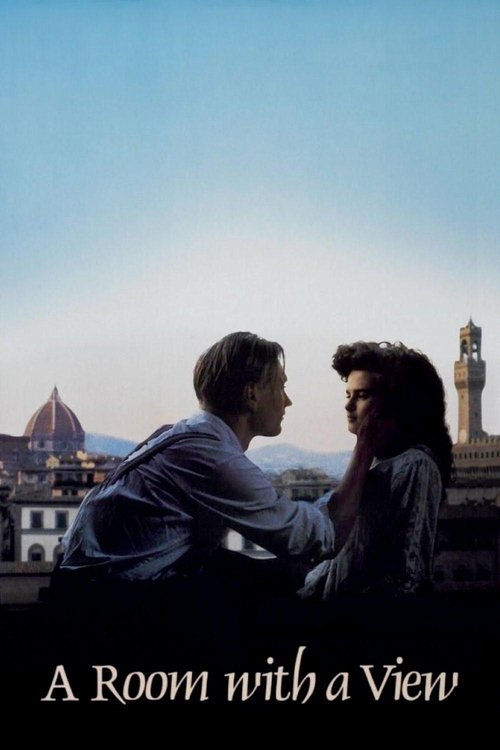
A Room with a View1986
A young woman chooses passion and authenticity over respectability, discovering that she's been living in a cage. It's the same liberation story, phrased in English manners and Italian sunshine.
But It's very British and very of its Merchant-Ivory moment. If you find period manners comedy precious, this won't move you.
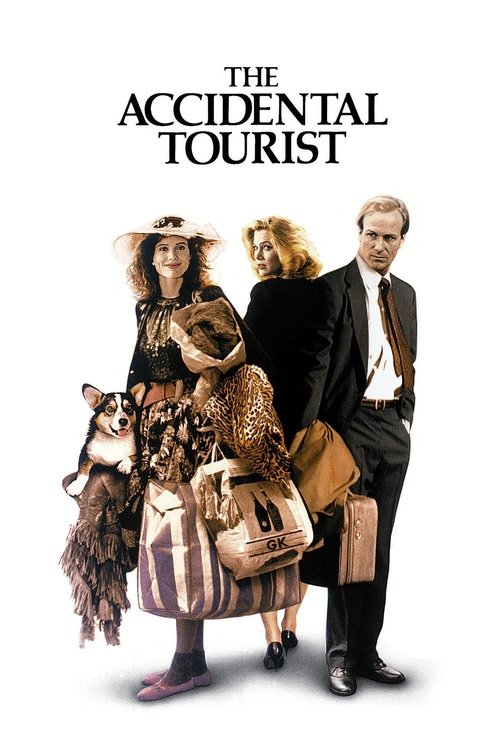
The Accidental Tourist1988
A man paralyzed by routine learns to live again through unlikely relationships. It's Zorba played as comedy-drama with an American accent, more reserved but asking the same vital question.
But It's deliberately small and interior, with little dramatic payoff. Some find it self-indulgent navel-gazing about comfortable people's comfortable sadnesses.
The Seventh Seal1957
Both refuse the comfortable lie. Both characters choose to live fully even knowing the answer to 'what's the point?' is ultimately silence. Zorba does it with ouzo and dancing; the knight does it with questions and chess. Different languages for the same decision.
Bergman's knight plays chess with Death itself, asking what makes life worth living when it all ends. It's Zorba's opposite in tone—austere, medieval, utterly serious—but it's asking the same final question about authenticity and presence in the face of meaninglessness.
But It's heavy, symbolic, sometimes cryptic. If you want entertainment rather than philosophy, it will feel airless and pretentious.

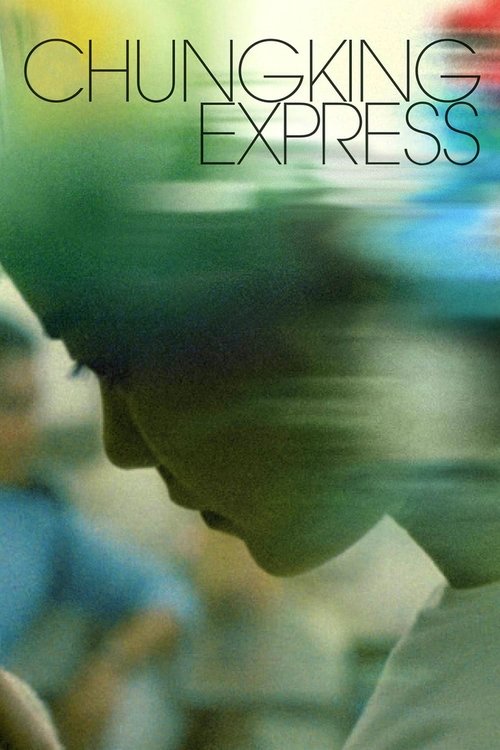
Chungking Express1994
Both celebrate sensory immersion—taste, color, sound, touch—as the substance of living. Both say that connection with another person can crack you open. Both are formally alive in ways that mirror their characters' aliveness. The style IS the philosophy.
Wong Kar-wai's kaleidoscopic film about two policemen in Hong Kong who find unexpected connection and meaning in the midst of urban loneliness. It's bursting with life and sensory detail, and it treats the everyday—food, music, other people—as sacred.
But The plot is elliptical and the style is maximalist. The image overwhelms narrative clarity, and if you need to follow a clear story, you'll be lost.
People
Cast
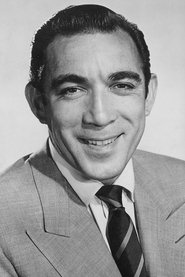 Anthony QuinnAlexis Zorba
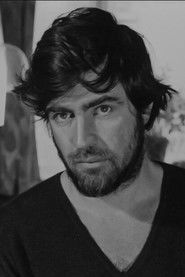 Alan BatesBasil
 Irene PapasWidow
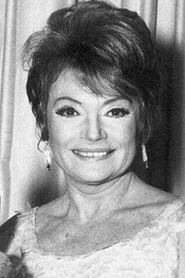 Lila KedrovaMadame Hortense
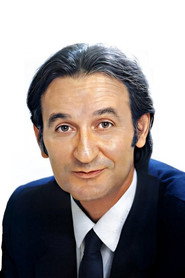 Sotiris MoustakasMimithos
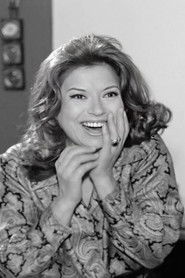 Anna KyriakouSoul
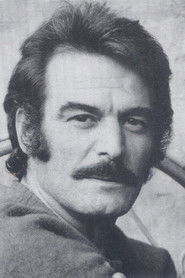 Takis EmmanuelManolakas
 Eleni AnousakiLola
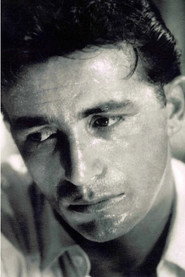 George FoundasMavrandoni
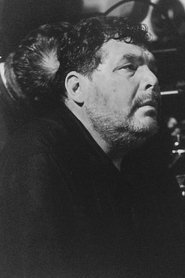 George P. CosmatosAcne Faced Boy
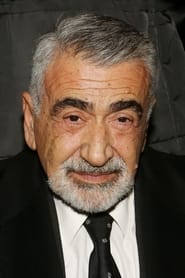 Yorgo VoyagisPavlo
Directing
- Mihalis KakogiannisDirector
Writing
- Nikos KazantzakisNovel
- Mihalis KakogiannisScreenplay
Production
- Anthony QuinnAssociate Producer
- Mihalis KakogiannisProducer