
Film
The Hand of God
Paolo Sorrentino's love letter to 1980s Naples follows a gangly teenager whose life cracks open when he narrowly escapes death and discovers football—and Maradona—at the exact moment his family implodes. It's tender, chaotic, deeply felt, and suffused with the director's signature visual intoxication. For anyone who has ever felt like the wrong shape in their own life.
Should you watch it?
Watch it if you love coming-of-age stories built from small domestic moments, family chaos and a teenager's restless daydreaming, with sudden shifts from giggles to grief that feel earned.
Skip it if you need a plot that drives forward, since this drifts through episodes, scenes of Neapolitan family life and long stretches of teenage longing with little urgency.
What it asks of you: It runs two hours ten minutes at a loose, wandering pace, asking you to sit with a boy's daydreams and a noisy household rather than chase a story.
Not sure? Find tonight's pick in a minute.
If you liked this
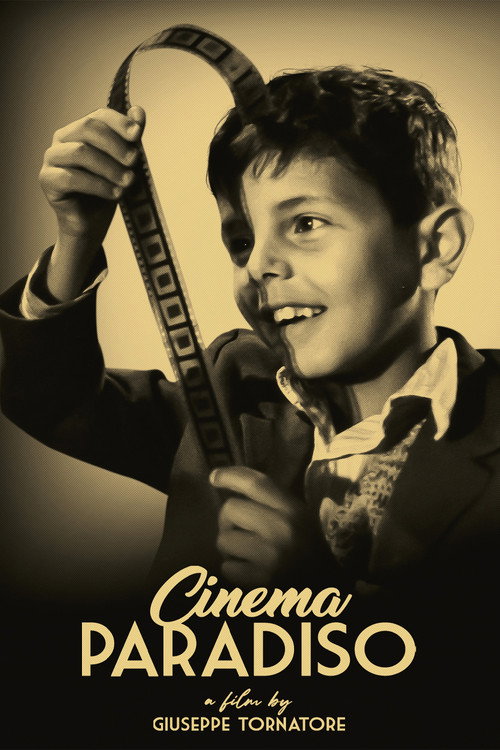
Cinema Paradiso1988
Captures that same bittersweet ache about growing up in a particular place at a particular time, with the same visual poetry and nostalgic warmth. A film about becoming yourself through art and accident.
But The pacing is leisurely; if you want plot momentum, this will test your patience. Also deeply sentimental, which either moves you or doesn't.
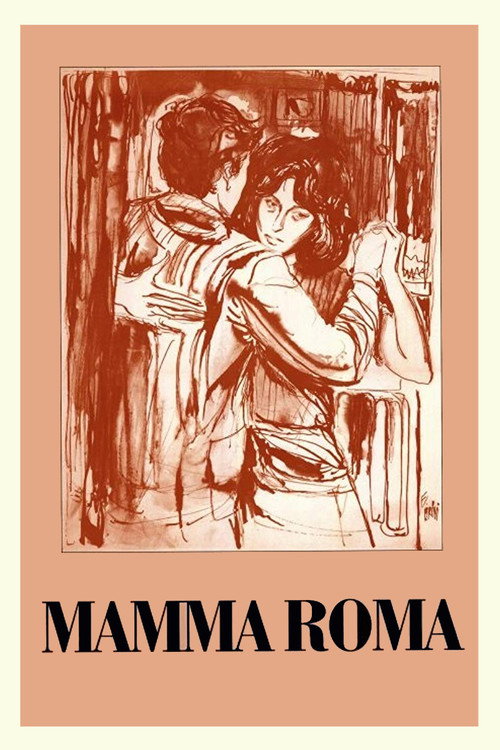
Mamma Roma1962
Pier Paolo Pasolini's portrait of a mother and son in Naples, raw and unsparing about class, desire, and family damage. Shows you where Italian cinema's soul comes from—the grit beneath Sorrentino's elegance.
But It's in Italian without subtitles in some prints. The tragedy is not softened; it lands hard and stays there.
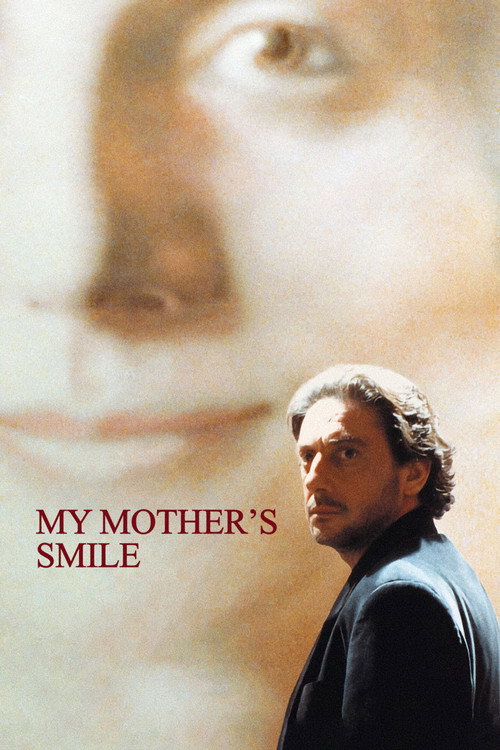
My Mother's Smile2002
Another Sorrentino film about a boy coming of age in a chaotic household, equally drenched in sensory detail and family dysfunction. If you want more of this specific emotional frequency, this is it.
But It's less focused than The Hand of God, sometimes meandering. And it's darker without quite earning that darkness.
Not sure tonight? Get a pick in a minute, starting from The Hand of God
The wildcard
Something you would not have found on your own.
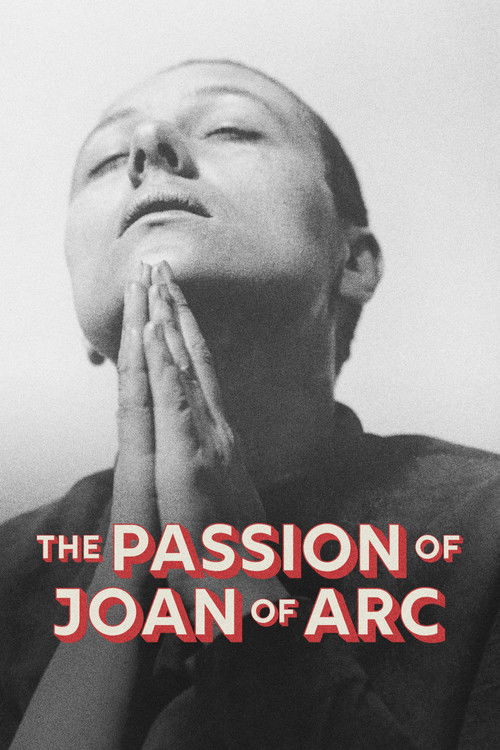
The Passion of Joan of Arc1928
Both are intensely focused on the inner life of a young protagonist in an extreme moment, using the camera and visual language to communicate what words cannot. Both films believe in the sacred power of the human face.
Carl Theodor Dreyer's silent masterpiece about a young person facing an impossible moment, shot entirely in close-ups of the actor's face. Pure emotion, pure cinema. Maradona appears in The Hand of God as an almost divine figure; here Joan herself becomes that impossible god.
But It's a 1928 silent film in French. The frame rate will feel strange, the pacing glacial. If you need dialogue and plot to anchor you, this will feel like watching paint dry.
More like this (8)
Moonlight2016
A film about a young man's secret self, told through three eras. Like Sorrentino's work, it trusts silence and beauty to carry meaning. Both films understand that becoming yourself is a quiet, sideways process.
But The narrative is fragmented and reflective rather than propulsive. If you need conventional story structure, this won't provide it.

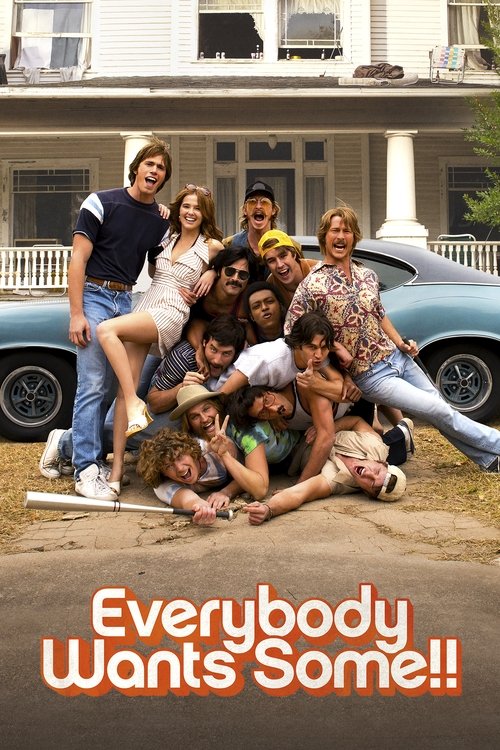
Everybody Wants Some!!2016
Richard Linklater's film about college baseball players capturing that specific moment when you're loose and alive and possibility still feels infinite. The same joyful, digressive spirit as The Hand of God's best sequences.
But It's episodic to the point of plotlessness; some find that liberating, others find it aimless. Also fundamentally American, which loses some of the Catholic weight.
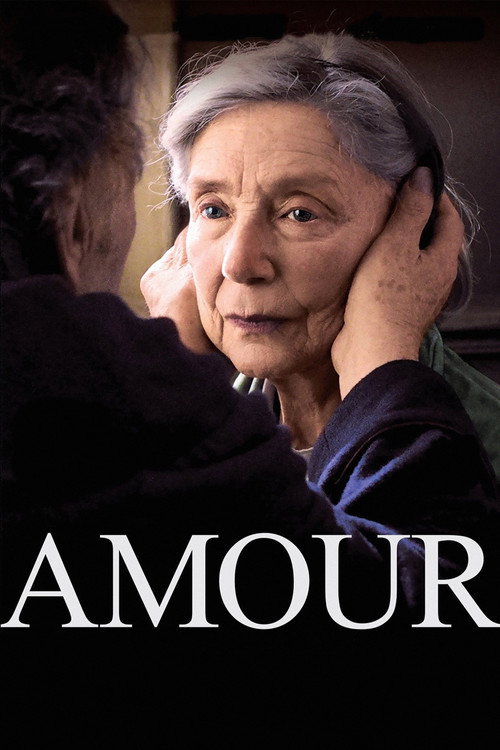
Amour2012
Michael Haneke's portrait of a marriage and a family under siege. Like Sorrentino, he photographs domestic space as if it were sacred, and finds profound emotion in small gestures and silences.
But It's about aging and terminal illness; emotionally devastating rather than cathartic. Not a film that makes you feel better about being alive.
A Prophet2009
Jacques Audiard's film about a young man shaped by forces beyond his control, learning to navigate systems and betrayals. That same combination of visual style and genuine moral inquiry about how we become who we are.
But It's set in a French prison and is often brutal. The tone is colder than Sorrentino's work, and some viewers find it exhausting rather than moving.

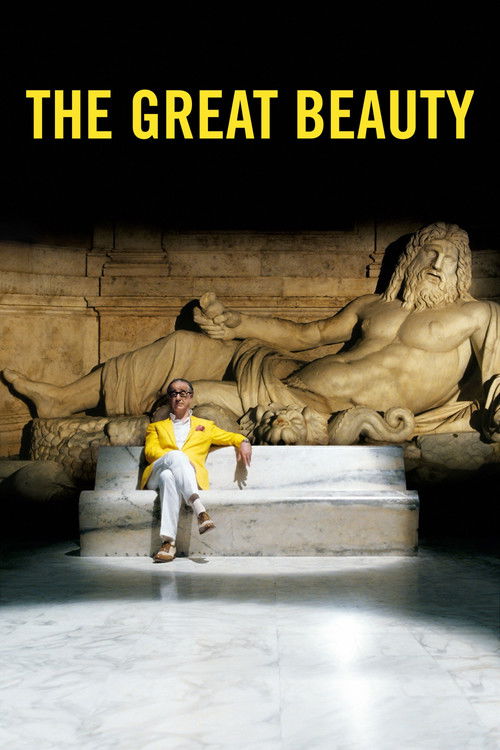
The Great Beauty2013
Sorrentino's own film about Rome and memory and the search for meaning in beauty. If The Hand of God enchanted you, this shows the full power of his visual and philosophical vision.
But It's considerably more abstract and less grounded in character. The beauty can feel self-conscious, and the story is deliberately slippery.
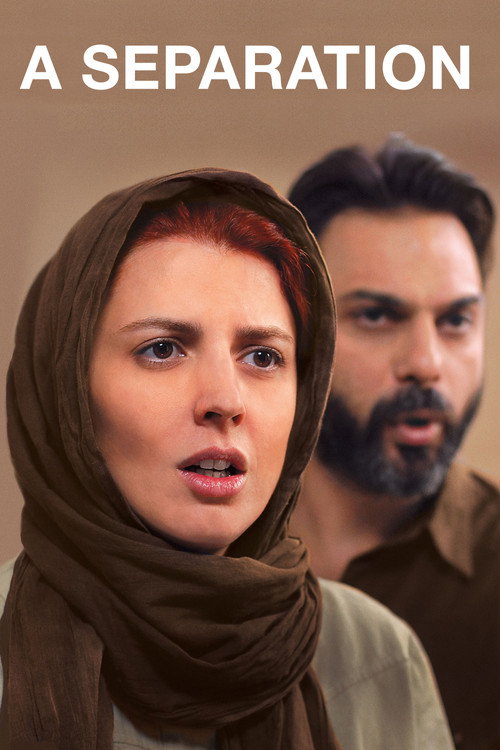
A Separation2011
Asghar Farhadi's film about a family fractured by irreconcilable choices. Both films use domestic space and family relationships to ask questions about morality and survival that don't have easy answers.
But It's Iranian cinema, so the cultural codes may feel unfamiliar. The film becomes increasingly claustrophobic, and there's no catharsis—only complications.
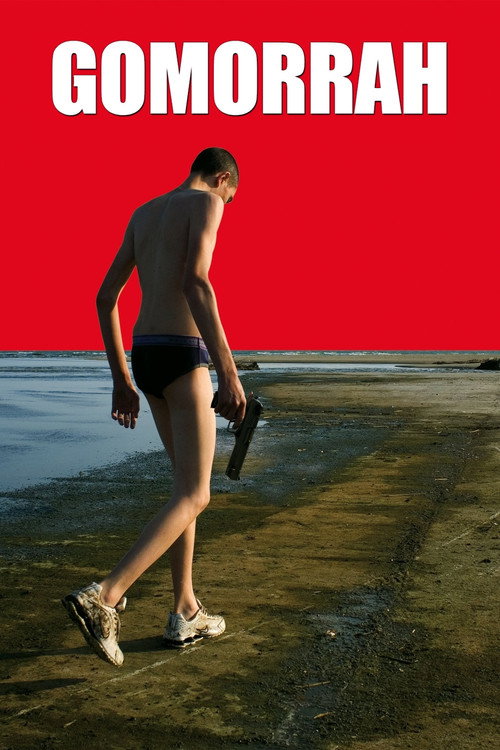
Gomorrah2008
Both films are obsessed with Naples as a character, a place where beauty and corruption are inseparable. Where The Hand of God finds ecstasy, Gomorrah finds only ruin—but they're looking at the same city.
Matteo Garrone's documentary-like film about Naples and the Camorra, shot with the same visual precision as Sorrentino's work but from the opposite angle—not nostalgia, but unflinching witness. A different Naples, but the same blood.
But It's violent, deeply pessimistic, and absolutely without mercy. There are no redemptive moments. Watching it feels like being punched repeatedly in the stomach.
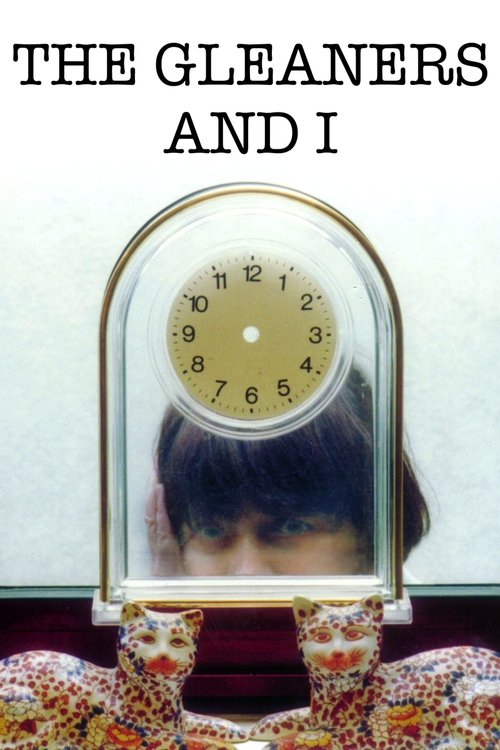
The Gleaners and I2000
Both films are about seeing—really seeing—the world around you, and finding meaning and beauty in what most people walk past. Both trust the viewer's attention and reward it with unexpected emotion.
Agnès Varda's essayistic documentary about people who collect what's left behind. A completely different form, but it shares Sorrentino's attention to the overlooked, the marginal, the grace in ordinary life. Hypnotic and profound without ever raising its voice.
But It's a documentary essay, not a narrative. There's no plot, no conventional structure. Some viewers find that contemplative approach meditative; others find it self-indulgent.
People
Cast
 Filippo ScottiFabietto Schisa
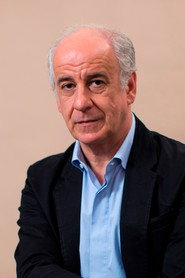 Toni ServilloSaverio Schisa
 Teresa SaponangeloMaria Schisa
 Luisa RanieriPatrizia
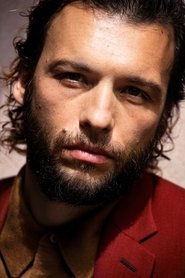 Marlon JoubertMarchino Schisa
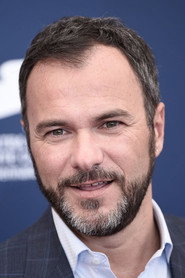 Massimiliano GalloFranco
 Betti PedrazziBaronessa Focale
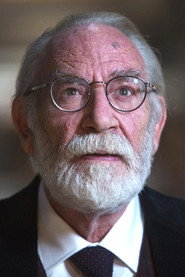 Renato CarpentieriAlfredo
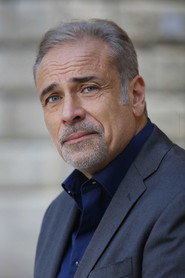 Enzo De CaroSan Gennaro
 Sofya GershevichYulia
 Lino MusellaMarriettiello
- Biagio MannaArmando
Directing
- Paolo SorrentinoDirector
Writing
- Paolo SorrentinoScreenplay
Production
- Annamaria SambuccoCasting
- Massimo AppolloniCasting
- Elena RecchiaExecutive Producer
- Riccardo NeriExecutive Producer
- Lorenzo MieliProducer
- Paolo SorrentinoProducer