
Film
The Great Beauty
- Social drama
- Slow-burning
Paolo Sorrentino's rhapsody on aging, beauty, and the long con of living beautifully. A 65-year-old Roman hedonist wakes to find his decades of seduction and spectacle hollow, and wanders through the city's contradictions—sacred and profane, authentic and performed—searching for something that matters. Visually intoxicating, structurally loose, unafraid of digression and melancholy.
Should you watch it?
Watch it if you love a wandering, rueful portrait of a man cataloguing his own vanity, where Rome's gorgeous decay gets as much attention as any plot and every party scene carries a sting of melancholy.
Skip it if you need a story that moves forward, since this drifts through set pieces and long conversations, and its 142 minutes can feel indulgent when glitter starts to repeat itself.
What it asks of you: Nearly two and a half hours of loose, talkative wandering, where mood carries the story more than plot does and you have to surrender to its rhythm.
Not sure? Find tonight's pick in a minute.
If you liked this
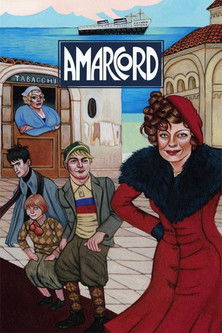
Amarcord1973
Fellini's memory-opera of fascist Italy finds the same beauty in small absurdities and social theatre. A kindred spirit in how it treats a society as a grand, ridiculous performance.
But Episodic and dreamlike to the point of shapelessness; demands patience with tangent and repetition.
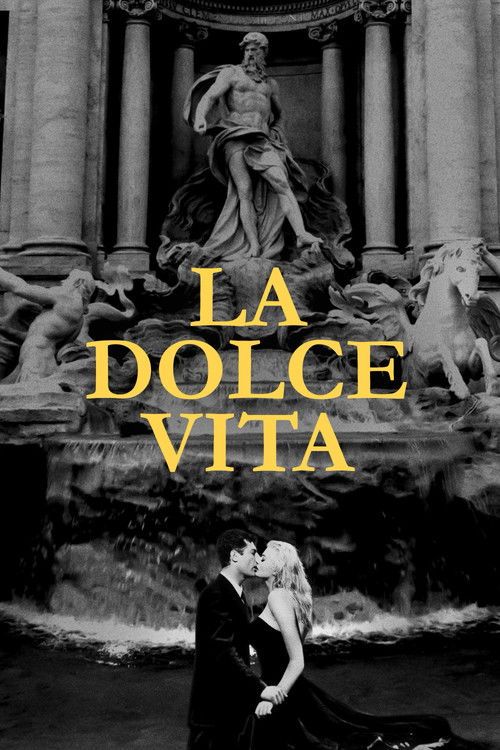
La Dolce Vita1960
The direct ancestor: another Fellini Rome, another beautiful man adrift in shallow glamour, another film asking what beauty costs when it's all there is. Sorrentino clearly learned from it.
But Nearly three hours and even slower-paced than The Great Beauty. Some find it dated.
In the Mood for Love2000
Wong Kar-wai's obsession with surface, colour, geometry, and the melancholy beneath desire. Both films treat looking—at beauty, at people—as the real subject, not plot.
But Plot is minimal and deliberately thwarted. If you need incident and resolution, this will frustrate you.

Not sure tonight? Get a pick in a minute, starting from The Great Beauty
The wildcard
Something you would not have found on your own.
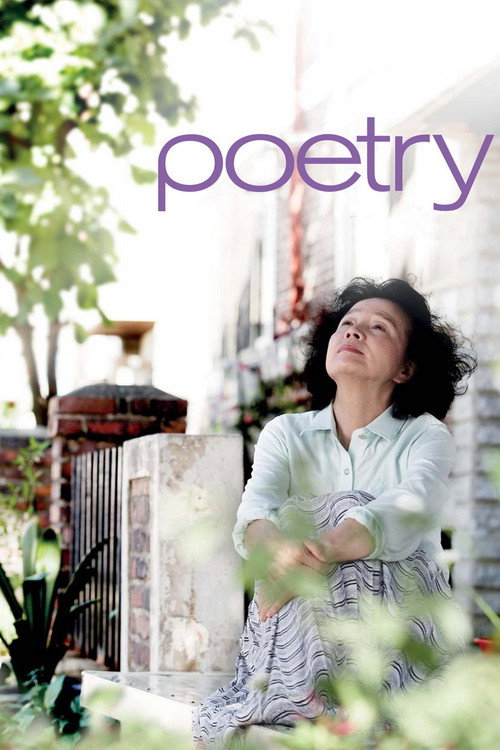
Poetry2010
Both films are about waking up late in life to beauty and recognizing it might have been the point all along. Sorrentino finds it in excess; Lee finds it in deprivation. Same hunger, opposite mirrors.
Lee Chang-dong's film about an aging woman discovering poetry and beauty in the everyday. Not Roman decadence but rural Korean modesty—yet that same awakening to the exquisite in what surrounds you. A moral opposite that arrives at the same wonder.
But Quiet to the point of invisibility; deals with real tragedy and loss without softening or resolution.
More like this (8)
Synecdoche, New York2008
Charlie Kaufman's spiral into middle-age disorientation and the impossible task of making meaning from chaos. Shares that vertigo of watching your own life become unreal.
But Deliberately confusing and exhausting; the sadness is relentless and offers no comfort.

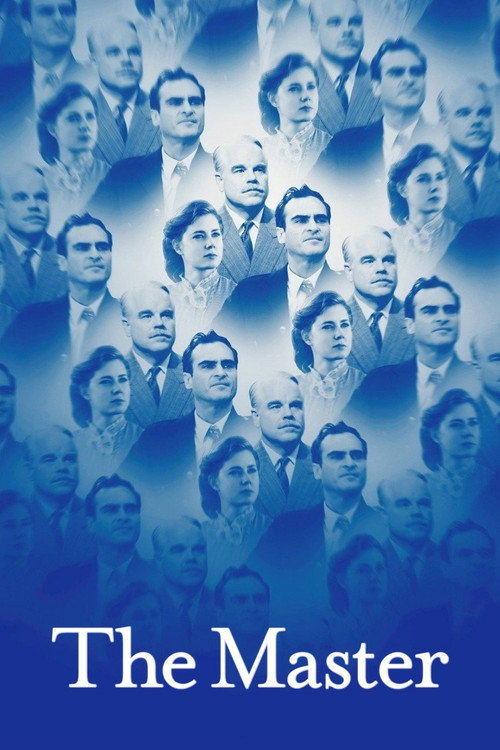
The Master2012
Paul Thomas Anderson's study of two men performing themselves, performance as a substitute for identity. That same fascination with how people wear their lives like costumes.
But Glacially paced, emotionally withholding, and the narrative logic is obscure. Some will feel manipulated rather than moved.
Stalker1979
Tarkovsky's meditation on desire, meaning, and what we actually want when we think we want transcendence. A film about spiritual emptiness that moves with the pace of genuine thought.
But Extraordinarily slow, in Russian, and there is no conventional climax or resolution. Tests patience severely.

The Leopard1963
Visconti on a dying aristocrat watching his world end. That same elegiac tone, the same feeling that beauty and decay are the same thing, watched by someone too conscious to pretend otherwise.
But A film about immobility and acceptance that moves at a funeral march. The famous ballroom scene is magnificent but takes its time about it.

Personal Velocity2002
Parisian longing and the performance of self in daily life, shot with visual intensity. Understands that cities are stages and that people are always half-aware they're being watched.
But Deliberately fractured narrative; some find it precious rather than profound.
The Passenger1975
Antonioni's tale of a man discarding his identity to become someone else. That same question: if beauty and freedom are what we chase, what happens when we catch them?
But Plotless meditation on alienation; the ending is ambiguous to the point of being opaque. Demands surrender rather than engagement.
Come and See1985
The same director asking what beauty means, but Klimov concludes it is obscene in the face of suffering. One film's visual rapture is the other's vision of hell. They are the same question screamed and whispered.
Elem Klimov's Belarusian masterpiece on war—the anti-beauty, the inversion of everything Sorrentino celebrates. If The Great Beauty asks what we owe to loveliness, this asks what loveliness owes us when the world is atrocity.
But Unwatchable in the truest sense. A film designed to damage you. Among the most disturbing ever made.

Mulholland Drive2001
A city as a character, performance as identity, beauty as a lie you tell yourself so well you believe it. But where Sorrentino's Rome is strangely forgiving, Lynch's Los Angeles is predatory. Same engine, opposite moral.
Lynch's Hollywood nightmare structured as a seduction. Like Sorrentino's Rome, it treats a city and a world as theatre where people perform their own myths until the myths eat them. Both are about surfaces that become unbearably real.
But Deliberately narrative-hostile; the 'solution' some fans propose is speculation, not canon. Some watch it twice and still can't follow it.

People
Cast
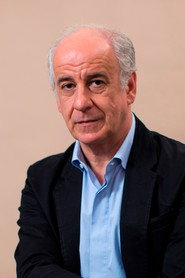 Toni ServilloJep Gambardella
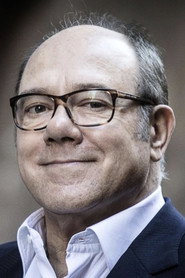 Carlo VerdoneRomano
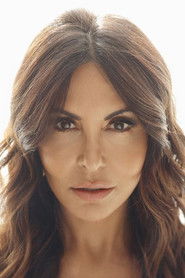 Sabrina FerilliRamona
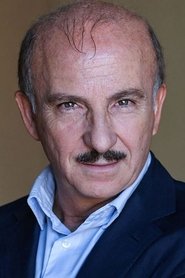 Carlo BuccirossoLello Cava
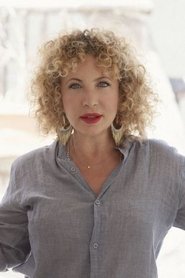 Iaia ForteTrumeau
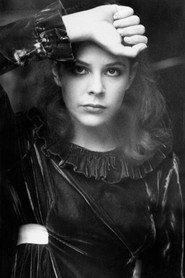 Pamela VilloresiViola
 Galatea RanziStefania
 Franco GraziosiConte Colonna
 Sonia GessnerContessa Colonna
 Giorgio PasottiStefano
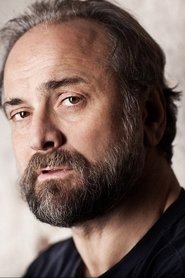 Massimo PopolizioAlfio Bracco
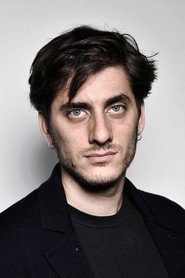 Luca MarinelliAndrea
Directing
- Jacopo BonviciniAssistant Director
- Paolo SorrentinoDirector
Writing
- Paolo SorrentinoScreenplay
- Umberto ContarelloScreenplay
Production
- Annamaria SambuccoCasting
- Viola PrestieriExecutive Producer
- Fabio ConversiProducer
- Francesca CimaProducer
- Jérôme SeydouxProducer
- Nicola GiulianoProducer
- Lara LucchettaResearcher
Recommended by
8½, Fat, Sick & Nearly Dead, Distant Voices, Still Lives, Rang De Basanti, Around the World in 80 Gardens, The Third Generation, Coco Chanel & Igor Stravinsky, Ed è subito commedia, The Hand of God, Still Processing, Bab El Oued City