
Film
La Dolce Vita
Fellini's masterpiece follows a journalist drifting through Rome's glittering nightlife, caught between glamour and emptiness. Episodic and hypnotic, it's a portrait of a man who wants to belong to a world that offers no real belonging. Essential cinema: the film that invented what we think Rome looks like.
Should you watch it?
Watch it if you love episodic, wandering portraits of a restless mind, where glamour and melancholy sit side by side and you don't need a plot to carry you from one lavish set-piece to the next.
Skip it if the nearly three-hour running time is a real test; if a drifting structure with little forward pull wears on you, the wandering will feel like padding.
What it asks of you: Settle in for a long, loosely stitched evening: scenes drift, episodes end without tidy resolution, and the mood shifts between bright and bruised, so it rewards patience over pursuit.
Not sure? Find tonight's pick in a minute.
If you liked this
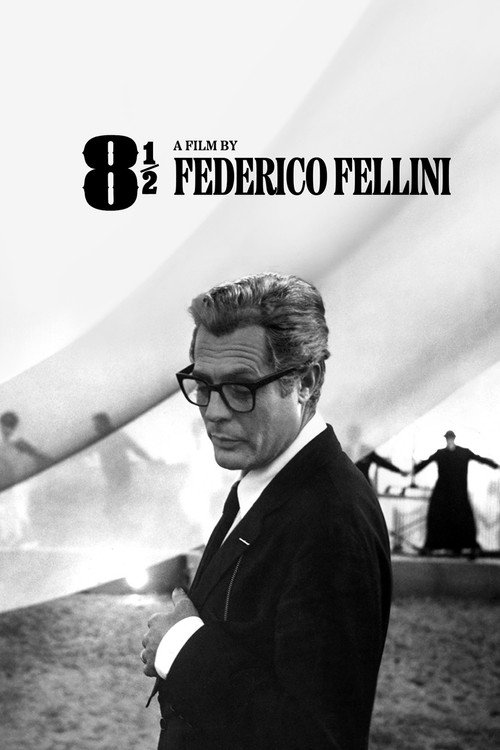
8½1963
Fellini's follow-up deepens the theme: a film director's creative crisis spiralling into carnival-like chaos. If you loved the texture and dreaminess of Dolce Vita, this pushes further into the surreal and personal.
But Nearly three and a half hours, deliberately oblique, and the circus of it all can feel indulgent rather than illuminating on first viewing.
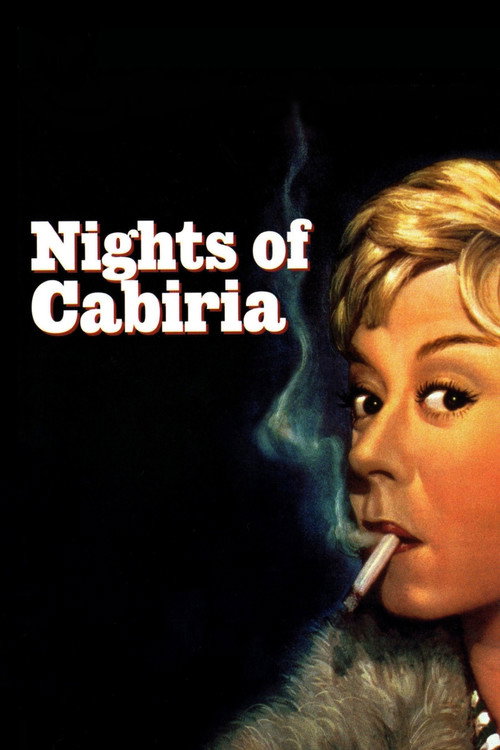
Nights of Cabiria1957
Also Fellini, also Rome, also a protagonist adrift—but Cabiria is a vulnerable woman navigating the same streets with more desperation and less irony. Heartbreaking and gorgeous.
But Darker and sadder than Dolce Vita, with less glamour to soften the blow. Not a comfort watch.
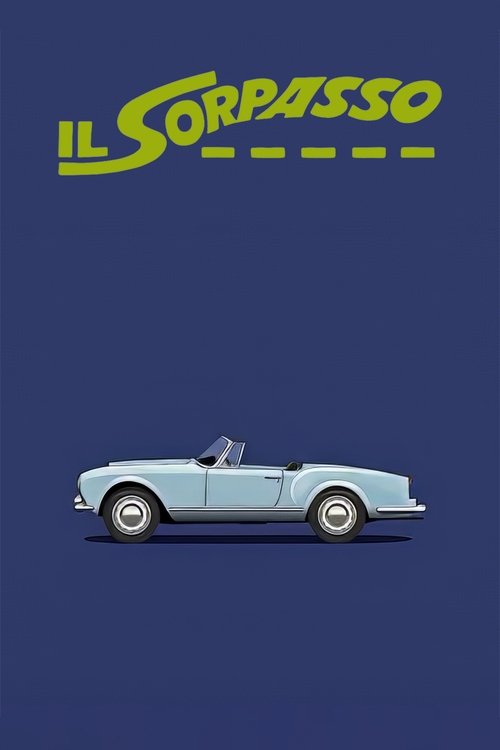
Il Sorpasso1962
A joyride through Italy with two men of different generations discovering each other. It's lighter than Dolce Vita but shares its fascination with how Italians live, love, and perform for each other.
But More of a buddy comedy than a meditation. If you want philosophical weight, look elsewhere.
Not sure tonight? Get a pick in a minute, starting from La Dolce Vita
The wildcard
Something you would not have found on your own.
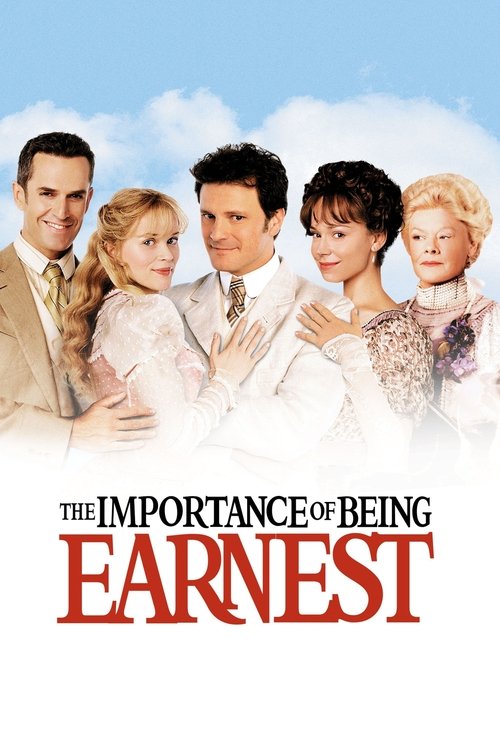
The Importance of Being Earnest2002
Both are about men performing versions of themselves for society. Marcello's nightclub odysseys and Algernon's double life are the same problem dressed in different decades: how much of yourself do you sacrifice to belong?
Wild Card: Oscar Wilde on the same frequency as Fellini—performance, pretense, and the exhaustion of maintaining appearances. Mastroianni does *theatre* beautifully; here it's Wilde's wit doing the heavy lifting instead of Fellini's camera.
But It's theatrical artifice, not cinema. If you want the visual and sensory immersion of Dolce Vita, you lose that entirely.
More like this (7)
Contempt1963
Godard's film-within-a-film stars Mastroianni as a screenwriter watching his marriage collapse against the colours of Capri. It's Dolce Vita's shadow: glamour, ego, and the impossibility of genuine connection.
But Self-consciously modernist and fractured. Godard's style will feel cold and cerebral if you came for Fellini's warmth.

The Leopard1963
Visconti's epic tracks Italian society in upheaval through the eyes of an aristocrat. Grand in scale but intimate in observation—the same mixture of beauty and decay that defines Dolce Vita.
But A three-hour historical drama in period costume. If you want contemporary Rome and spontaneity, this is structured and ceremonial.

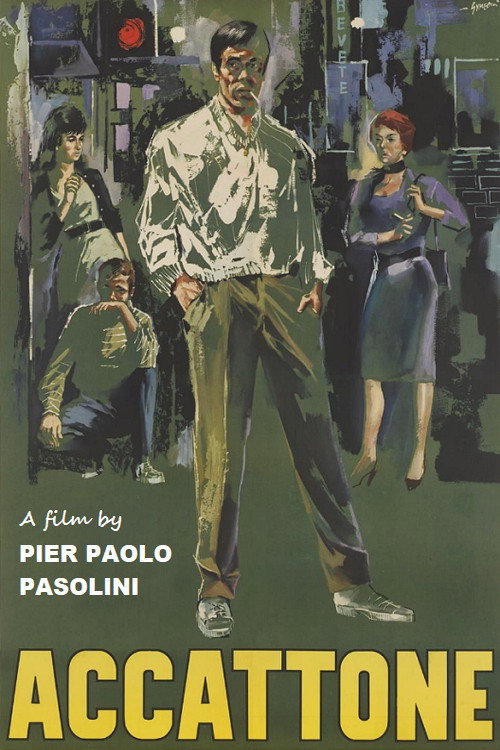
Accattone1961
Pasolini's debut follows a pimp and thief in Rome's underworld with a poet's eye. It's the Dolce Vita of the streets—same city, opposite class, equally mesmerizing.
But Unsentimental and harsh, with no irony to distance you from desperation. A difficult watch if you came for elegance.
Bicycle Thieves1948
Neorealist Rome before the dolce vita set in. A father and son hunt through the city for a stolen bicycle. It's humane, funny, and devastating in a way that throws Marcello's petty crises into sharp relief.
But Black and white, postwar austerity, a working-class father figure instead of a glamorous journalist. Utterly different in tone and setting.

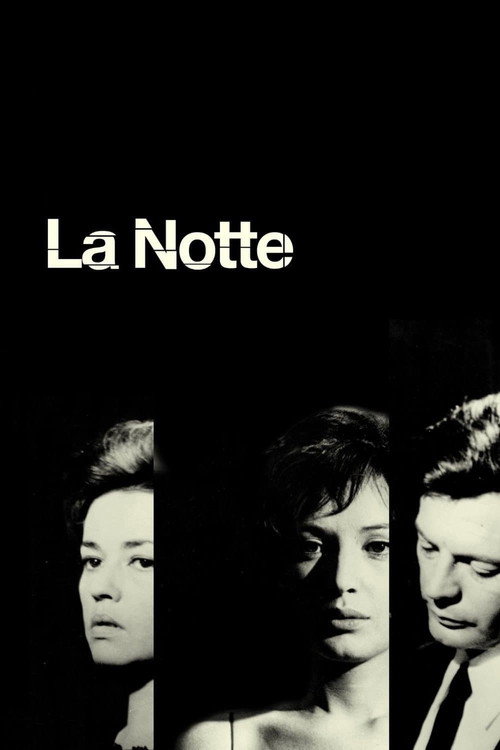
La Notte1961
Antonioni's study of a marriage dissolving in Milan's modern cityscape. Like Dolce Vita, it's about surfaces concealing voids, but colder and more geometrical. Essential for understanding the era.
But Austere and glacial, with a pace that can feel like nothing is happening. Not for anyone seeking engagement or warmth.
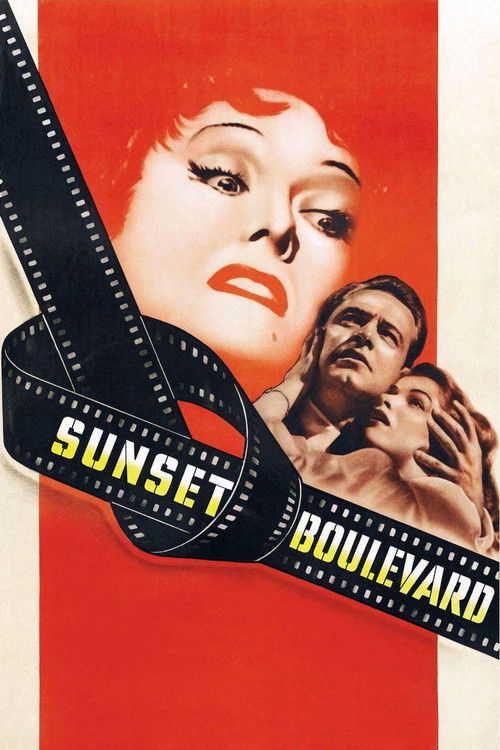
Sunset Boulevard1950
Both track a man sinking deeper into a world that promises everything and delivers only mirrors. Rome's nightclubs and Hollywood's studios are the same machine.
Hollywood's version of the same descent: glamour, parasitism, and the death of authenticity. Wilder's cynicism is American to Fellini's Italian romanticism, but the anatomy of emptiness is identical. Mastroianni's aimlessness echoes Joe Gillis everywhere.
But Black and white and older, with a noir thriller structure that makes it feel like a murder mystery rather than a meditation. Very different visual and tonal language.
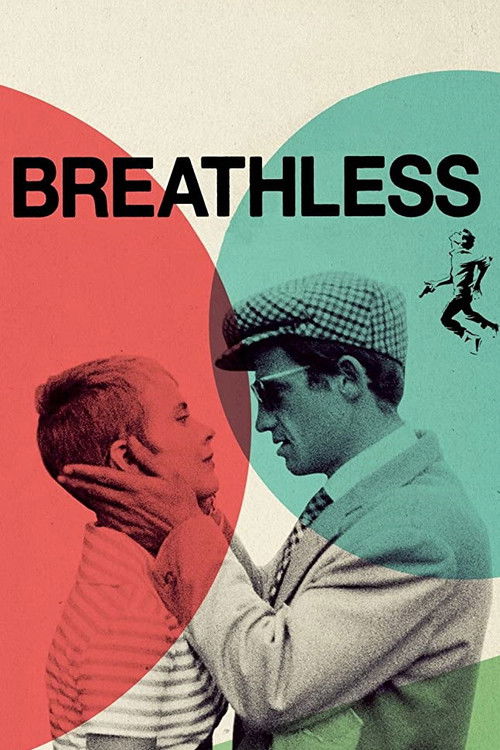
Breathless1960
Both films ask: what do you do when you're beautiful and smart and the world doesn't require anything of you? Marcello wanders Rome; Michel wanders Paris. Both are unforgettable because they can't help being themselves, even as themselves is insufficient.
Released the same year as Dolce Vita, Godard's French New Wave manifesto is Marcello's chaos condensed into two hours. A drifter in Paris instead of Rome, but the same beautiful uselessness and the same refusal to resolve into meaning.
But Jump-cuts, breaking the fourth wall, a handheld aesthetic that looks deliberately cheap. If you loved Dolce Vita's sensuous precision, this is aggressively rough and self-aware.
People
Cast
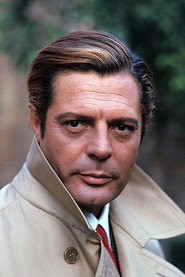 Marcello MastroianniMarcello Rubini
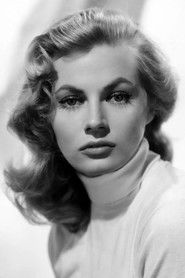 Anita EkbergSylvia
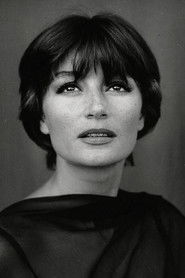 Anouk AiméeMaddalena
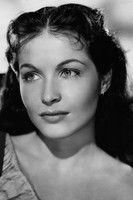 Yvonne FurneauxEmma
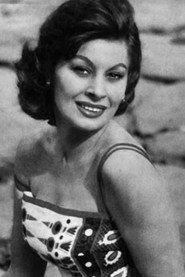 Magali NoëlFanny
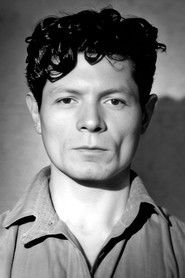 Alain CunySteiner
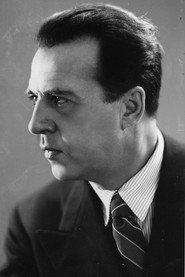 Annibale NinchiMarcello's father
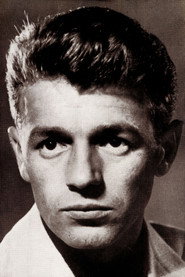 Walter SantessoPaparazzo
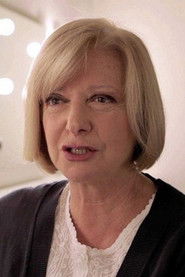 Valeria CiangottiniPaola
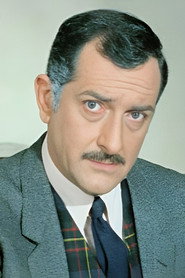 Riccardo GarroneRiccardo
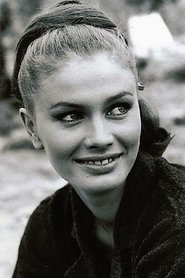 Ida GalliDebutante of the year
- Audrey McDonaldJane
Directing
- Federico FelliniDirector
- Dominique DeloucheFirst Assistant Director
- Guidarino GuidiFirst Assistant Director
- Paolo NuzziFirst Assistant Director
- Isa MariScript Supervisor
- Giancarlo RomaniSecond Assistant Director
- Gianfranco MingozziSecond Assistant Director
- Lili RademakersSecond Assistant Director
Writing
- Brunello RondiScreenplay
- Ennio FlaianoScreenplay
- Federico FelliniScreenplay
- Pier Paolo PasoliniScreenplay
- Tullio PinelliScreenplay
- Ennio FlaianoStory
- Federico FelliniStory
- Tullio PinelliStory
Production
- Franco MagliExecutive Producer
- Clemente FracassiLine Producer
- Angelo RizzoliProducer
- Giuseppe AmatoProducer
- Manlio MorelliProduction Manager
- Nello MeniconiProduction Manager
- Mario BasiliProduction Secretary
- Mario Di BiaseProduction Secretary
- Osvaldo De MicheliProduction Secretary
- Alessandro von NormanUnit Manager
Recommended by
L'Avventura, Amarcord, Theorem, The Mindy Project, Saiunkoku Monogatari, The Great Beauty, La Strada, Il Posto, Valley of the Dolls, Satyricon, House of Gucci, Boccaccio '70, L'Eclisse, Two Weeks in Another Town, Darling, Three Coins in the Fountain, The Salt of Life, The Great War, The Barefoot Contessa, Laughter in the Dark, The Best Pair of Legs in the Business, The Skin, The World of Apu, Phaedra, Career, Swann in Love, The Roman Spring of Mrs. Stone, Bye Bye Baby, The Caiman, Marriage Italian Style, Tropicana, Taking Off, Youth, Identification of a Woman, Up Pompeii, The Magnificent Seven Deadly Sins, The Gold of Naples, My Sex Life... or How I Got Into an Argument, A Place for Lovers, Prêt-à-Porter, The Pigeon That Took Rome, Sex and Lucía, Yesterday, Today and Tomorrow, The Seduction of Mimi, Valentino, The Gendarme Takes Off, Alex in Wonderland