
Film
Accattone
- Social drama
- Street-gang crime
- Very dark
Pasolini's debut is a portrait of Rome's lumpenproletariat shot with documentary precision and baroque soul. Accattone is a pimp watching his livelihood disappear, adrift in the city's margins. It's visually gorgeous and morally unflinching—Pasolini loves his characters without excusing them. For those ready to sit with discomfort and beauty at once.
Should you watch it?
Watch it if you care more for a film built from sharp, unvarnished street faces and stark compositions than for plot, and you like a portrait of a drifting small-time hustler that refuses to flatter him.
Skip it if you need a steady narrative engine and warmth in your characters, since this drifts episodically and its people stay hard to like.
What it asks of you: At 117 minutes, it moves at a loose, wandering pace and holds on faces and cramped streets longer than is comfortable.
Not sure? Find tonight's pick in a minute.
If you liked this
Bicycle Thieves1948
A masterpiece about dignity and desperation in postwar Rome. Like Accattone, it finds humanity in the dispossessed and refuses easy sentiment. Essential viewing.
But The pacing is deliberate. It asks you to sit with loneliness and failure without the relief of plot momentum.

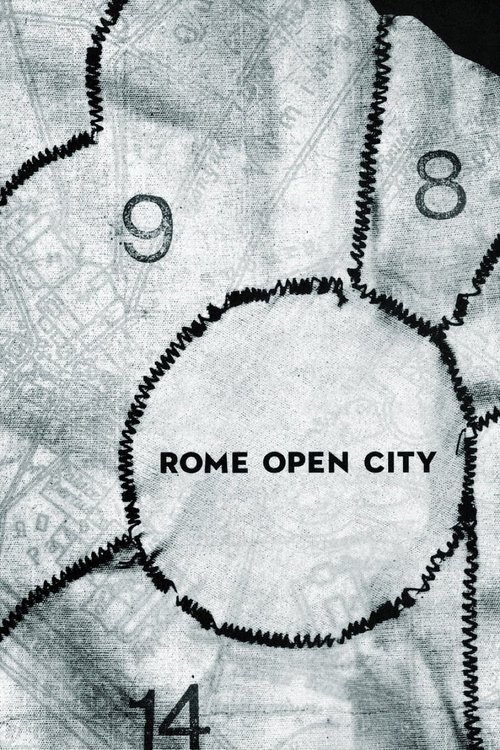
Rome, Open City1945
Rossellini's foundational neorealist work about resistance and survival in occupied Rome. Shares Accattone's commitment to showing the city's underside with unadorned power.
But The print quality varies; some versions are grainy. The wartime setting feels distant compared to Pasolini's contemporary Rome.
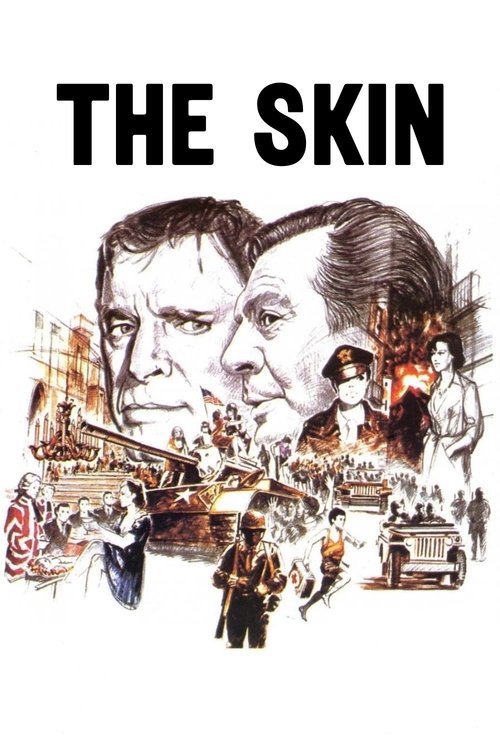
The Skin1981
Cavani's raw, unflinching look at desire and survival in Naples during WWII. Like Accattone, it refuses to prettify its characters or their circumstances, finding beauty in abjection.
But Sexually explicit and emotionally brutal. Not interested in reassurance or moral clarity.
Not sure tonight? Get a pick in a minute, starting from Accattone
The wildcard
Something you would not have found on your own.
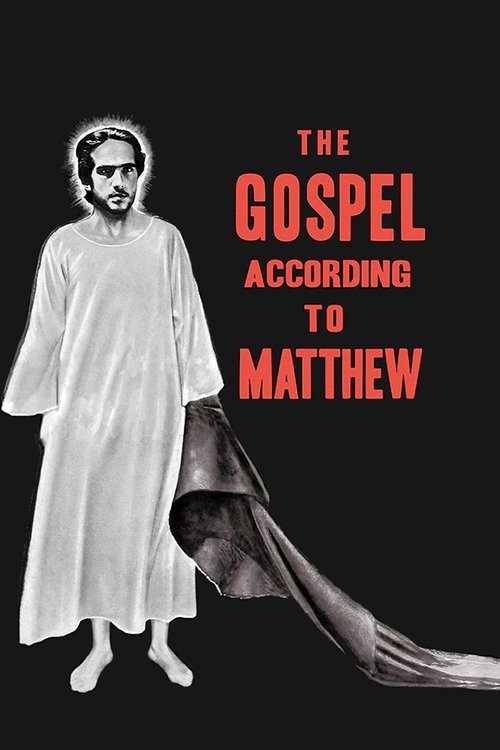
The Gospel According to St. Matthew1965
Pasolini directing the same material—urban marginality—but through sacred rather than secular narrative. Both films are acts of radical love disguised as objectivity.
Pasolini's own film, shot on the streets of southern Italy with non-professional actors from the lumpenproletariat. Uses the same faces and locations as Accattone but in service of spiritual rather than criminal desperation. Revolutionary as cinema and theology.
But Treating scripture as material for radical art offends believers. The non-naturalistic staging can feel alienating.
More like this (7)
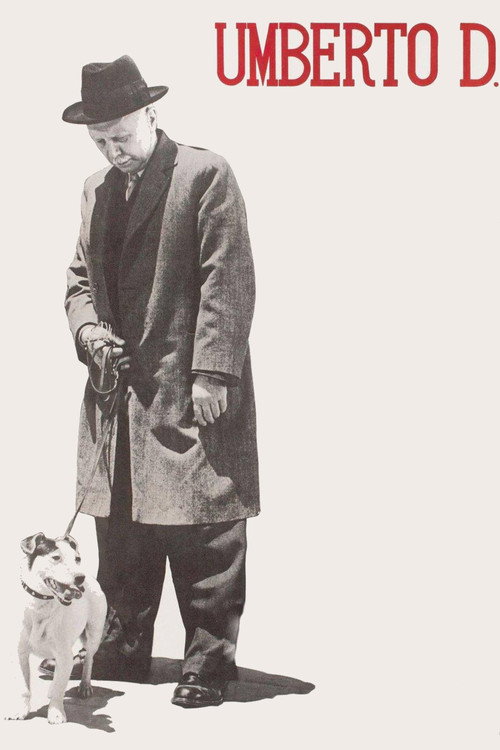
Umberto D.1952
De Sica's portrait of an old pensioner facing destitution. The same neorealist DNA as Accattone—intimate, unsentimental, and quietly devastating about survival.
But The protagonist is passive. Nothing dramatic happens; the tragedy is in the waiting and the slow erosion of dignity.
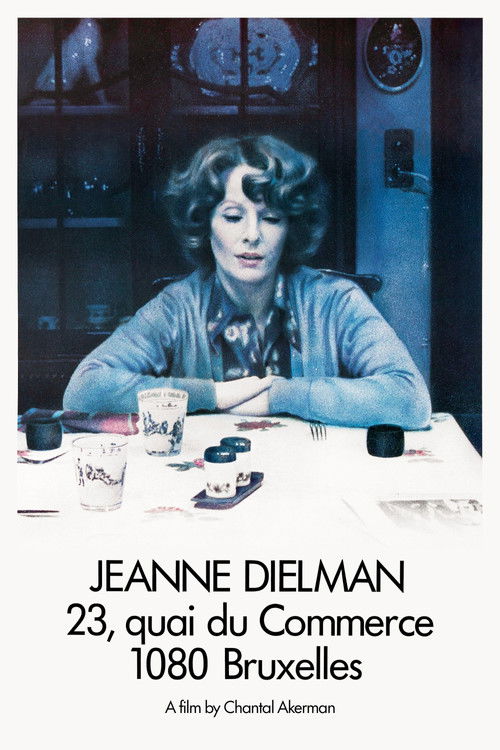
Jeanne Dielman, 23, quai du Commerce, 1080 Bruxelles1976
Chantal Akerman's radical film about domestic labour and routine. Like Accattone, it finds cinema in the quotidian and refuses spectacle. Completely original.
But Three hours of a woman doing housework. The deliberate slowness will feel punitive if you're not ready for it.
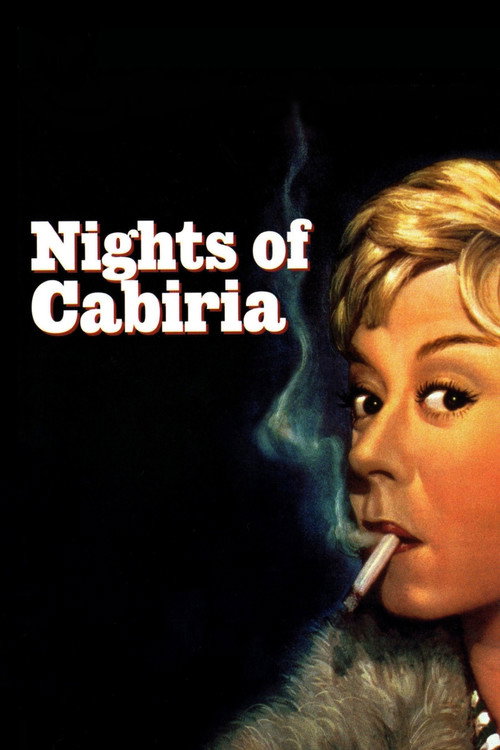
Nights of Cabiria1957
Fellini's portrait of a prostitute navigating Rome's streets with resilience and hunger. More tender than Accattone, but equally committed to dignity among the dispossessed.
But Fellini's romanticism will feel like a different film entirely. Less austere, more inclined toward redemption narratives.
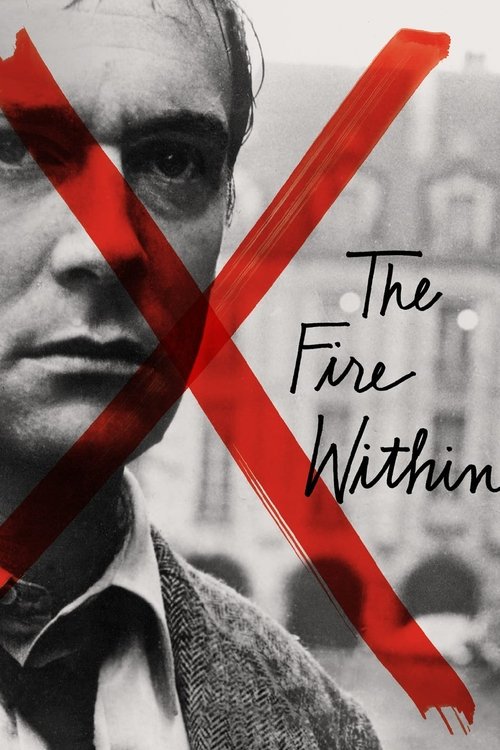
The Fire Within1963
Malle's unflinching portrait of depression and alienation in Paris. Like Accattone, it observes marginal consciousness without judgment, finding poetry in despair.
But Relentlessly bleak. The ending is determined from the start. Offers no hope or catharsis.
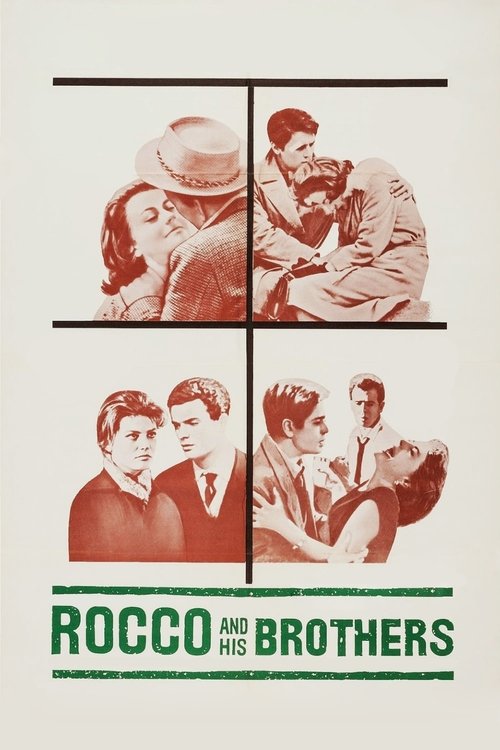
Rocco and His Brothers1960
Visconti's sweeping family saga set among Calabrese migrants in Milan. Contemporary with Accattone and equally invested in the lives of the poor, though more melodramatic.
But Nearly three hours. The family dynamics can feel soap-operatic compared to Accattone's austerity.
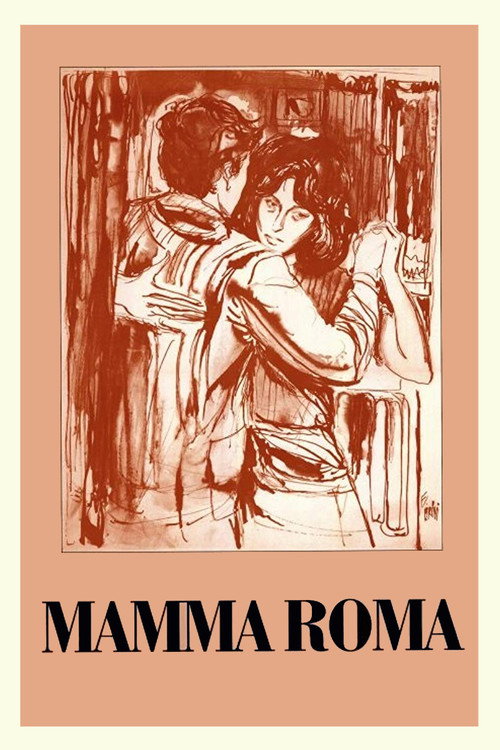
Mamma Roma1962
Structural mirror: same Rome, same poverty, inverse position. Mamma Roma is what happens when you have someone to lose.
Pasolini's second film, following an ex-prostitute trying to go straight in Rome. Returns to the exact world of Accattone—same city, same underclass—but from a woman's perspective, with a mother's desperation. A perfect second viewing.
But If Accattone felt bleak, this compounds it. The ending is darker still. Better watched after Accattone rather than before.
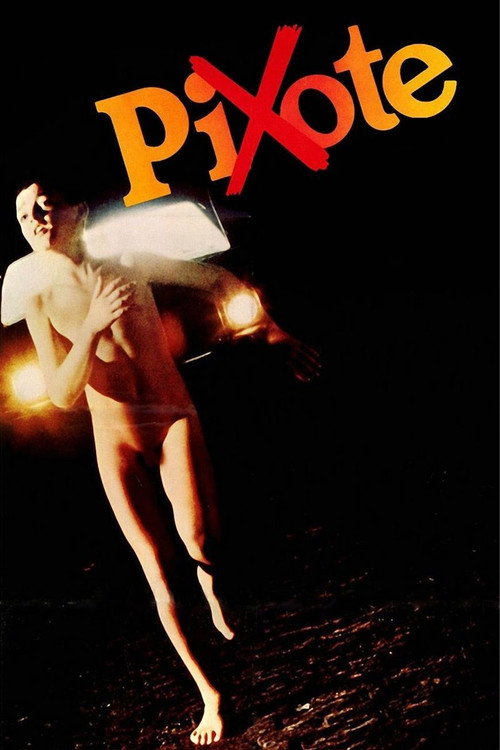
Pixote1980
Both films are structured as moral indictments disguised as observation. Both use non-professional actors from the actual underclass. Both argue that cinema has an obligation to the invisible poor.
Hector Babenco's Brazilian film about a ten-year-old hustler and thief in São Paulo's streets. Imported Pasolini's aesthetic into another language and continent—the same unflinching commitment to showing childhood abandoned to survival, beauty amid desolation. Raw and necessary.
But The exploitation of child characters is uncomfortable, intentionally. Deeply difficult to watch. You will feel complicit in the act of viewing.
People
Cast
 Franco CittiVittorio 'Accattone' Cataldi
 Franca PasutStella
 Silvana CorsiniMaddalena
- Paola GuidiAscenza
 Adriana AstiAmore
 Luciano ContiIl Moicano
- Luciano GoniniPiede d'Oro
- Renato CapognaIl Capogna
- Alfredo LeggiPupo Biondo
- Galeazzo RiccardiIl Cipolla
- Leonardo MuragliaMommoletto
- Giuseppe RistagnoPeppe il Folle
Directing
- Bernardo BertolucciAssistant Director
- Leopoldo SavonaAssistant Director
- Pier Paolo PasoliniDirector
- Lina D'AmicoScript Supervisor
Writing
- Pier Paolo PasoliniScreenplay
- Pier Paolo PasoliniStory
Production
- Alfredo BiniProducer
- Cino Del DucaProducer
- Marcello BolleroProduction Manager
- Eliseo BoschiProduction Supervisor
Recommended by
The Executioner, Il Posto, Il Sorpasso, La Dolce Vita, In the Mirror of the City, Pigs and Battleships, Welcome to Norway!, Mamma Roma, Amour Fou, Planet B-Boy, Bellissima, The War Is Over, The Caiman, The Onion Field, Bedrag, The Naked Edge, Song of Love, Never Mind the Quality, Feel the Width, Padre Padrone, La bestia humana, Divorce Italian Style, Thou Shalt Not Kill, Three Brothers, My Mother's Smile, As You Like It, Colossal Youth, A Child Is Waiting, Yesterday, The Escort, Dostoevsky's Travels