
Film
My Mother's Smile
- Drama
- Slow-burning
A celebrated Italian painter confronts mortality, faith, and family legacy when a cardinal's assistant arrives with unexpected news: his late mother might be canonized. Sergio Castellitto anchors this intimate drama about ordinary people caught in the machinery of the sacred, where private memory meets institutional judgment. It's contemplative, slightly wry, and movingly real.
Should you watch it?
Watch it if you enjoy satire that sharpens its knife on institutions and family hypocrisy, and you don't mind a story where faith and cynicism argue on the same screen.
Skip it if you want the momentum of a plot, since this is a talky, static piece where most of the friction plays out in cramped rooms and long exchanges.
What it asks of you: An unhurried hour and three-quarters, mostly indoors, with the bite arriving in long conversations rather than set pieces.
Not sure? Find tonight's pick in a minute.
If you liked this
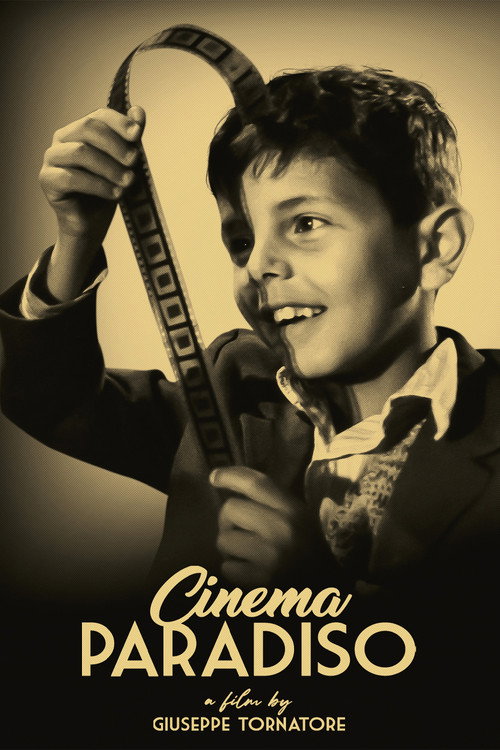
Cinema Paradiso1988
A tender meditation on how cinema and memory shape identity across generations. Like My Mother's Smile, it's about the weight of the past and what we inherit—emotional rather than material. Both films trust quietness and specificity.
But The nostalgia can feel thick and heavy-handed if you're not in the mood for sentimentality. Some find it saccharine rather than moving.
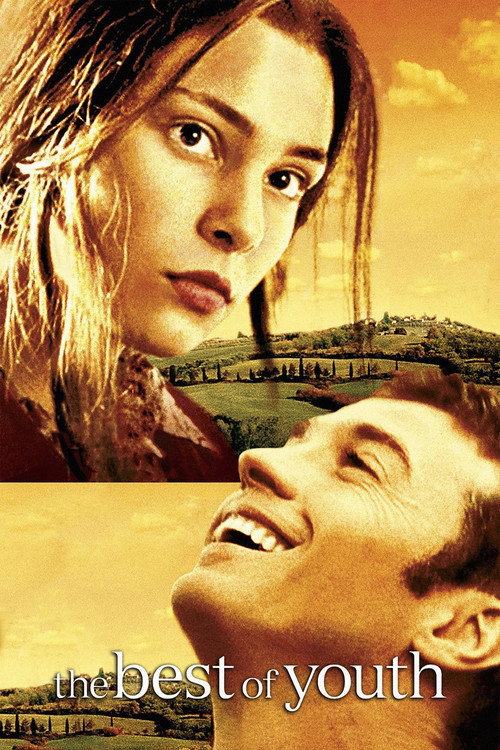
The Best of Youth2003
An Italian family saga that spans decades, following how choices and losses ripple through time. It has the same immersive attention to how ordinary lives contain profound moral and spiritual questions as My Mother's Smile does.
But At over six hours, it demands serious commitment. The scope can feel exhausting rather than expansive if you prefer tighter narratives.
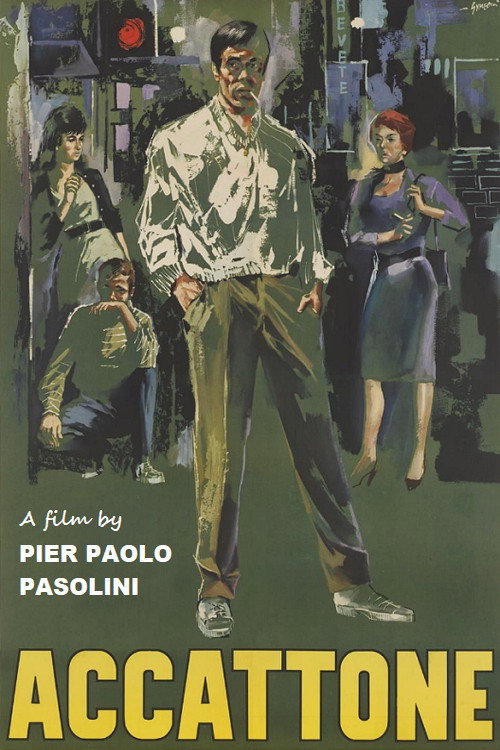
Accattone1961
Pasolini's Roman drama finds dignity and spiritual weight in working-class life. Both films share an eye for how faith and doubt live in the same breath, and how institutional religion can feel distant from actual human experience.
But It's deliberately austere and visually stark—some scenes feel slow even by art-film standards. The worldview is unsparing.
Not sure tonight? Get a pick in a minute, starting from My Mother's Smile
The wildcard
Something you would not have found on your own.
The Seventh Seal1957
Both center on how personal mortality and family legacy force a reckoning with faith and institutional religion, and both conclude that the answer lives in individual conscience, not doctrine.
Bergman's knight playing chess with Death might seem remote from a contemporary family drama, but both films ask the same question: what does faith mean when institutional religion can't answer the questions that actually matter? Both refuse easy answers.
But The existentialism can feel theatrical and dated. It's a different aesthetic register entirely—stark, symbolic, deliberately artificial.

More like this (8)
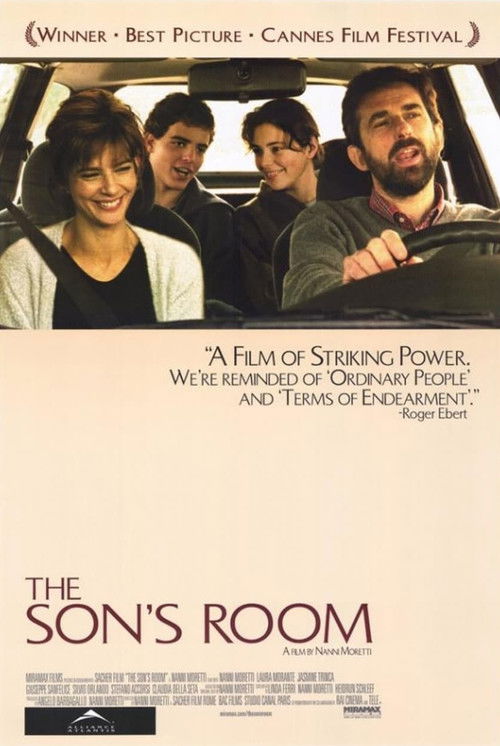
The Son's Room2001
A family fractured by sudden death must reckon with faith, grief, and whether forgiveness is possible. It has the same quiet intensity and refusal to sentimentalize pain that makes My Mother's Smile so affecting.
But It's genuinely difficult to watch—the emotional devastation doesn't lift. Not a film you feel restored by afterward.
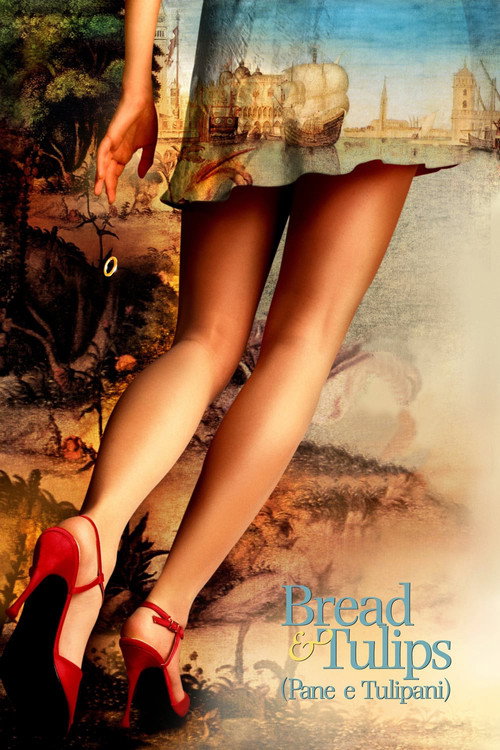
Bread and Tulips2000
Another Italian gem about reinvention and escaping inherited roles. It shares a warmth and slight magical realism with My Mother's Smile, plus an eye for how family expectations can quietly suffocate.
But The whimsy doesn't work for everyone—it veers toward Hallmark-adjacent at moments. Some find it too light for the themes it's handling.
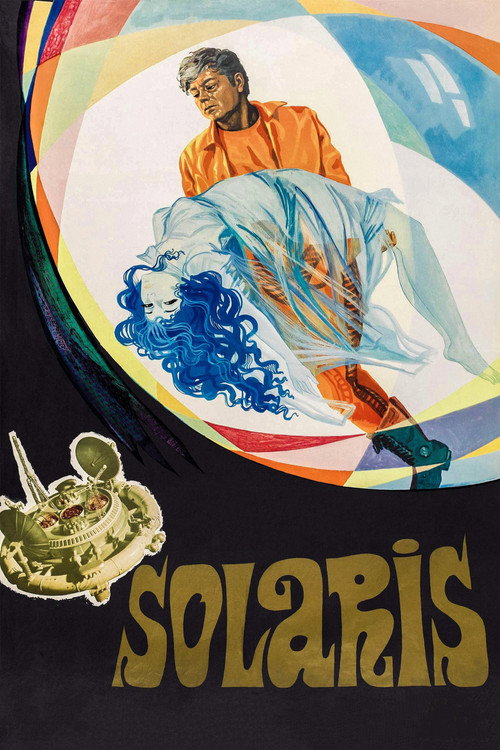
Solaris1972
A science-fiction meditation on memory, identity, and whether the past can truly be reckoned with. Like My Mother's Smile, it's more interested in what ghosts mean than in plot mechanics.
But It moves at a deliberate pace that tests patience. Tarkovsky's style won't appeal to anyone wanting momentum or conventional drama structure.
The Leopard1963
Visconti's epic about an aristocratic family navigating institutional change mirrors the way My Mother's Smile treats personal faith within larger religious structures. Both luxuriate in small domestic moments.
But Three and a half hours of measured Italian melodrama. The pace can feel mannered if you're not surrendering to Visconti's rhythms completely.

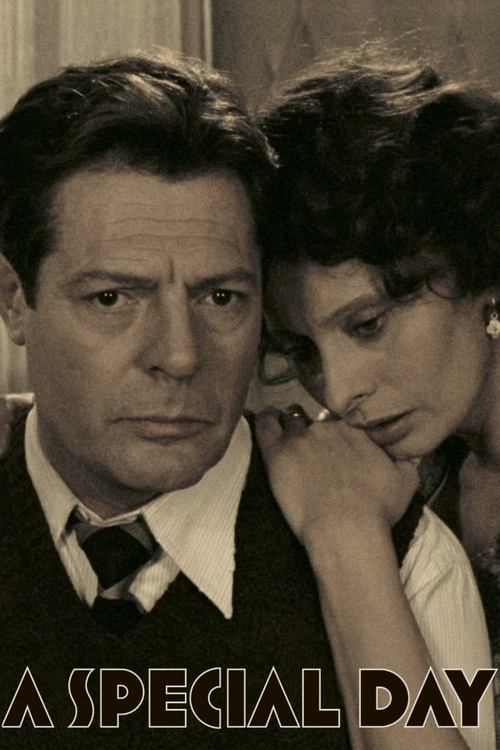
A Special Day1977
An intimate two-character drama about hidden lives and quiet connection. It shares My Mother's Smile's gift for finding emotional complexity in constrained situations and ordinary exchanges.
But The emotional restraint extends to the direction—nothing blazes. Some viewers find it too restrained, even for a quiet film.
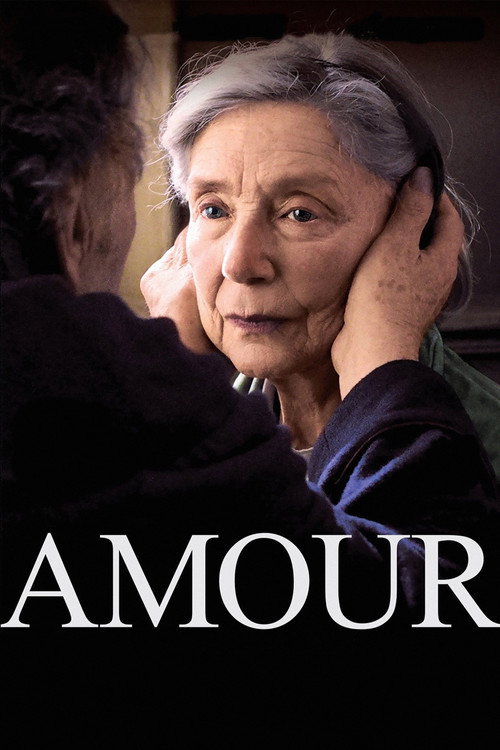
Amour2012
Haneke's portrait of a couple facing mortality and decay is unflinching about aging and memory. Both films refuse to offer easy consolation, and both find their power in fidelity to actual human experience.
But It's relentlessly bleak. This is not comfort viewing—it's difficult cinema about deterioration without redemption or metaphysical escape.
A Prophet2009
Both trace how a person develops a moral or spiritual identity through proximity to systems (family, religion, prison) that claim authority but often obscure truth.
A prison drama about a young man's moral education and spiritual transformation. It shares My Mother's Smile's interest in how faith operates outside official channels, and how character is forged through constraint and observation.
But It's violent and claustrophobic—a carceral drama, not a domestic one. The tone is cold and procedural where My Mother's Smile is warm.

Tokyo Story1953
Both are elegies disguised as domestic dramas, both trust that the smallest gestures carry the greatest meaning, and both find the sacred in the ordinary without ever invoking religion directly.
Ozu's masterpiece about elderly parents visiting their son in postwar Tokyo is perhaps cinema's most perfect film about how families contain multitudes and how memory outlasts circumstance. It's about the same thing My Mother's Smile is—the weight of continuity across generations.
But Shot in static frames with rhythms that feel more like painting than cinema. Its pace is glacial. If you need plot momentum or visual dynamism, this will feel impenetrably slow.

People
Cast
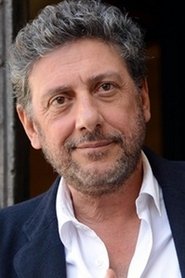 Sergio CastellittoErnesto Picciafuoco
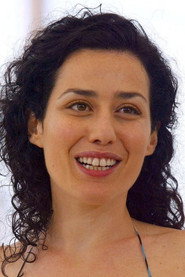 Jacqueline LustigIrene Picciafuoco
 Chiara ContiDiana Sereni
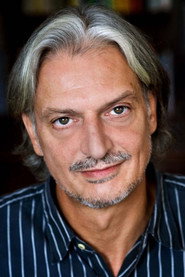 Gigio AlbertiEttore Picciafuoco
- Alberto MondiniLeonardo Picciafuoco
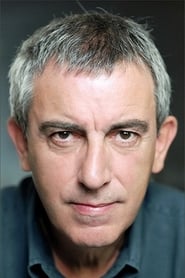 Gianfelice ImparatoErminio Picciafuoco
- Gianni SchicchiFilippo Argenti
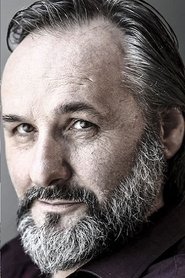 Maurizio DonadoniCardinal Piumini
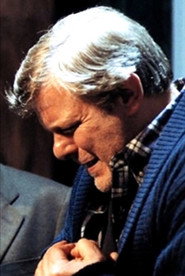 Donato PlacidoEgidio Picciafuoco
 Renzo RossiBaldracchi
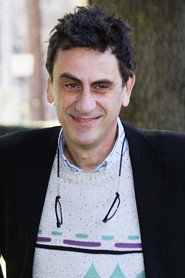 Pietro De SilvaCurzio Sandali
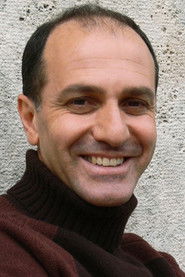 Bruno CarielloDon Pugni
Directing
- Marco BellocchioDirector
- Daniela CeselliFirst Assistant Director
- Iole NatoliScript Supervisor
- Emanuela TomassettiSecond Assistant Director
- Giuseppe EusepiSecond Assistant Director
Writing
- Marco BellocchioScreenplay
Production
- Béatrice KrugerCasting
- Luigi LagrastaLine Producer
- Marco BellocchioProducer
- Sergio PeloneProducer
- Gianluca ChiarettiProduction Manager
- Alessandro SogliuzzoProduction Secretary
- Massimiliano PisechiProduction Secretary
- Renata MoroProduction Secretary
- Sandra BonacchiUnit Manager