
Film
The Son's Room
- Family drama
- Very dark
- Slow-burning
A psychoanalyst's family implodes after their teenage son drowns in a diving accident. Nanni Moretti's *The Son's Room* is a masterwork of restraint—grief rendered through silences, glances, the weight of ordinary moments. It's for anyone who's ever wondered how people actually survive loss, not in movies but in kitchens and cars and the spaces between conversations.
Should you watch it?
Watch it if you want a quiet, observant study of how an ordinary routine of listening and caring cracks under grief, rendered with patience rather than melodrama.
Skip it if you need a plot that keeps moving, since much of the running time is spent in ordinary domestic rhythm and talk, and sadness here is slow rather than cathartic.
What it asks of you: Long unhurried stretches of everyday life, a slow build of attention, and a willingness to stay with discomfort for ninety-nine minutes without the story rushing to comfort you.
Not sure? Find tonight's pick in a minute.
If you liked this
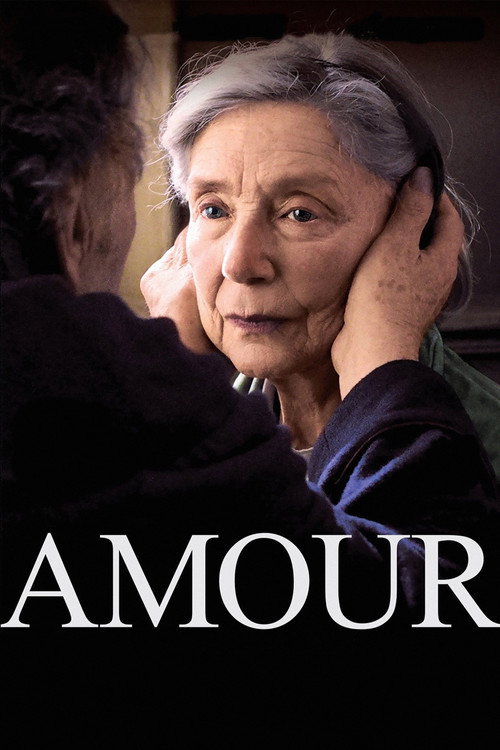
Amour2012
Haneke's portrait of a couple facing mortality has the same unflinching gaze at suffering. No melodrama, no shortcuts—just the texture of endurance and the small mercies of companionship.
But It's deliberately austere and moves with funeral pacing. If you need plot momentum or emotional catharsis, this will feel punishing.
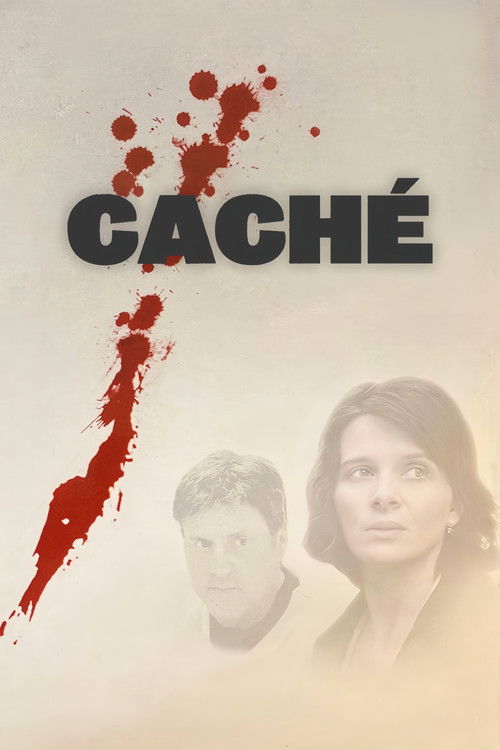
Caché2005
Another Haneke film about families fractured by guilt and secrets. The dread builds slowly, the camera holds steady, and nothing is resolved the way you'd want it to be.
But It's an intellectual puzzle that refuses to snap into place. Some find it brilliant; others find it maddening.
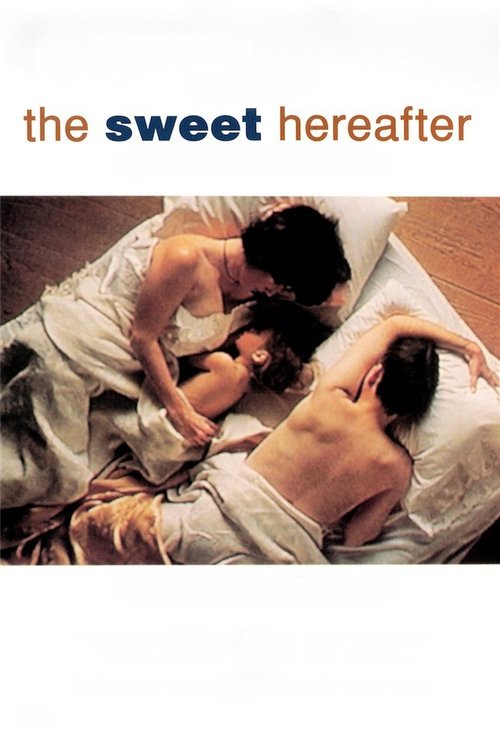
The Sweet Hereafter1997
A small town grieves after a school bus accident kills children. Atom Egoyan captures how collective trauma splits people apart rather than bringing them together—the fractures are moral and invisible.
But It's structured in fractured time and requires patience to piece together. The tone is bleak in ways that can feel exhausting.
Not sure tonight? Get a pick in a minute, starting from The Son's Room
The wildcard
Something you would not have found on your own.
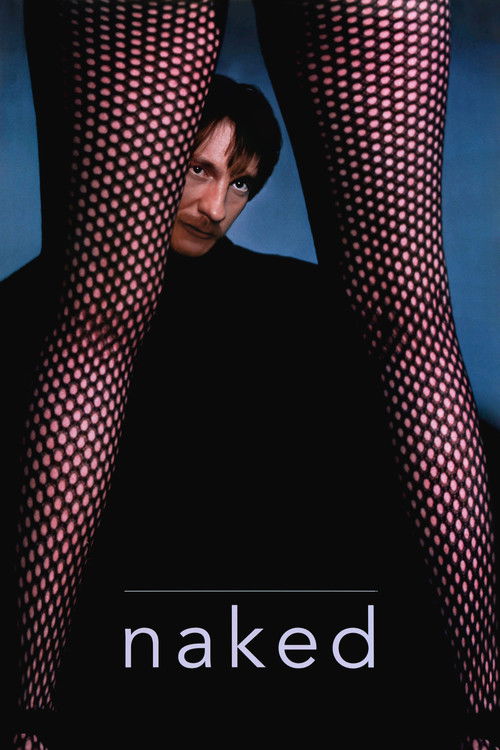
Naked1993
Both films understand that families and lives don't heal in narrative arcs. Both trust the audience to sit with irreversible damage. Leigh screams it; Moretti whispers it.
Mike Leigh's bleak, volcanic film about a man wandering London after his life collapses. It's grief and rage and philosophy colliding in real time—the emotional opposite of *The Son's Room*'s silence, but the same wound underneath.
But It's punishing and sexually frank. The protagonist is often repugnant, and there's little warmth or hope. Leigh doesn't comfort you.
More like this (7)
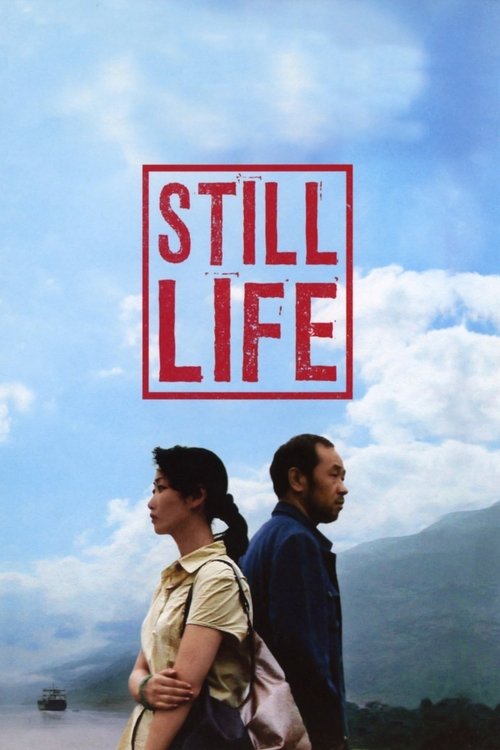
Still Life2006
Jia Zhangke observes a man returning to his flooded hometown with documentary-like precision. It shares *The Son's Room*'s belief that grief is shown through what people *don't* say and *don't* do.
But Nearly three hours of quiet observation. If you prefer narrative propulsion, this will test you severely.
Another Year2010
Mike Leigh's portrait of a stable marriage observed over twelve months, surrounded by the wreckage of other people's lives. It has the same anthropological eye for how people actually behave under stress.
But It's deliberately provincial and repetitive. The rhythms are real but not dramatically satisfying.

In the Mood for Love2000
Wong Kar-wai's film about two neighbors discovering an affair uses mise-en-scène and color to convey longing and paralysis. Like Moretti, Wong trusts images over explanation.
But It's visually baroque and emotionally opaque. The plot is thin and the pacing glacial.

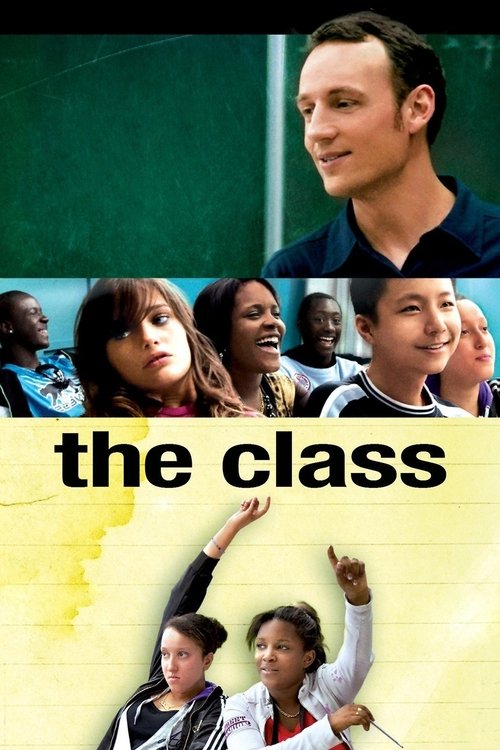
The Class2008
Laurent Cantet's Palme d'Or winner is a year in a Parisian classroom—no score, naturalistic performances, conflicts that don't resolve. It has Moretti's faith in observation over intervention.
But It's nearly three hours of classroom friction. If you want a feel-good teacher story, you've come to the wrong place.
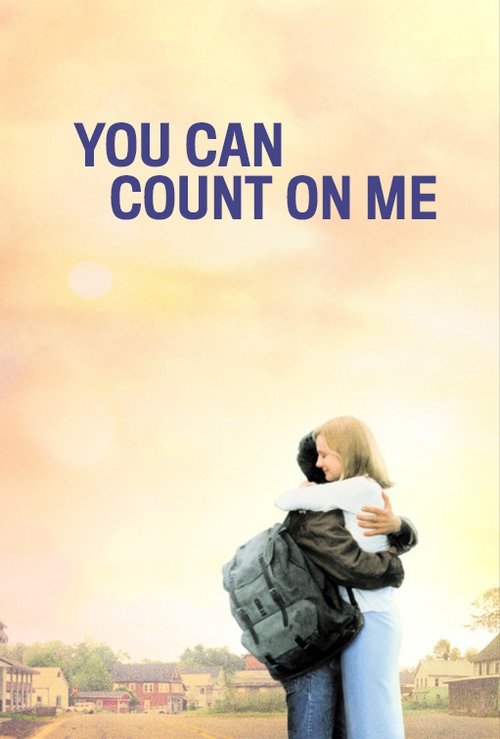
You Can Count on Me2000
Kenneth Lonergan's film about siblings navigating adulthood and old wounds is tender without being sentimental. The performances have Moretti's restraint and the emotional truth runs deep.
But It's small-scale and domestic. The drama is internal; not much happens that a plot summary would capture.
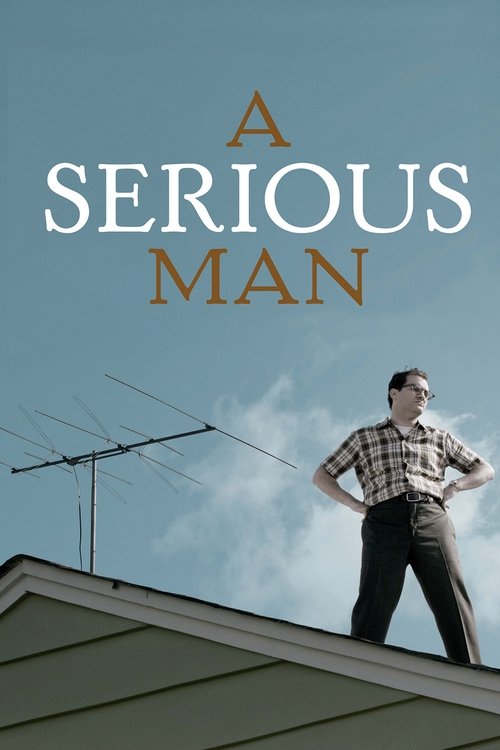
A Serious Man2009
The Coen Brothers' meditation on a man's life falling apart while he seeks cosmic meaning. It has the same dark comedy lurking at the edges of despair, the same refusal to offer easy answers.
But It's deliberately frustrating and absurd. If you want catharsis or clarity, you won't find either one.
The Turin Horse2011
Both films mourn in silence. Both believe that loss is the fundamental condition and that dignity means enduring without complaint. Where Moretti is intimate, Tarr is cosmic—but the acceptance is identical.
Béla Tarr's final film is a metaphysical declension—a man and woman and horse in a cottage as the world seems to be ending. It's formally experimental and deeply elegiac, grief abstracted into landscape and ritual.
But It's in black-and-white, 146 minutes long, and has almost no plot. It's more like a philosophical tone poem than a drama. Patience required.

People
Cast
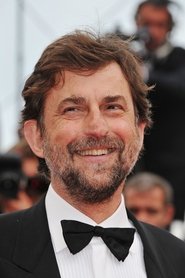 Nanni MorettiGiovanni
 Laura MorantePaola
 Jasmine TrincaIrene
 Giuseppe SanfeliceAndrea
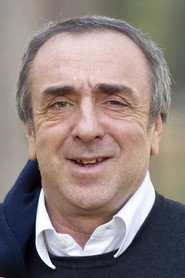 Silvio OrlandoOscar - a Patient
 Stefano AccorsiTommaso - a Patient
- Claudia Della SetaRaffaella - a Patient
 Eleonora Dancoa Patient
 Sofia VigliarArianna
 Renato ScarpaHeadmaster
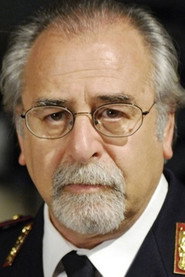 Roberto NobilePriest
 Paolo De VitaLuciano's Father
Directing
- Nanni MorettiDirector
Writing
- Heidrun SchleefScreenplay
- Linda FerriScreenplay
- Nanni MorettiScreenplay
- Nanni MorettiStory
Production
- Jean LabadieCo-Producer
- Angelo BarbagalloProducer
- Federico FabrizioProducer
- Lorenzo LuccariniProducer
- Nanni MorettiProducer
- Vincenzo GalluzzoProducer
Recommended by
My Father's Glory, Muriel, or the Time of Return, No One Writes to the Colonel, My Mother's Smile