
Film
Muriel, or the Time of Return
- Drama
- Slow-burning
A 1963 French drama about people haunted by Algeria—a mother and her stepson, an old lover returning with secrets. Set in a seaside town of elegant surfaces and buried shame, it moves like a puzzle watched through frosted glass. For viewers who like their plots elliptical and their unease psychological rather than explosive.
Should you watch it?
Watch it if you like films where meaning hides in what people leave unsaid and in overlapping conversations, and you don't mind piecing the past together from scraps.
Skip it if you need a story that moves, since this drifts through meandering talk and long silences, and its stillness can feel like a test of patience more than a reward.
What it asks of you: Settle in for a long, unhurried two hours, with attention to catch small glances, and a tone that stays cool and wary rather than warm.
Not sure? Find tonight's pick in a minute.
If you liked this
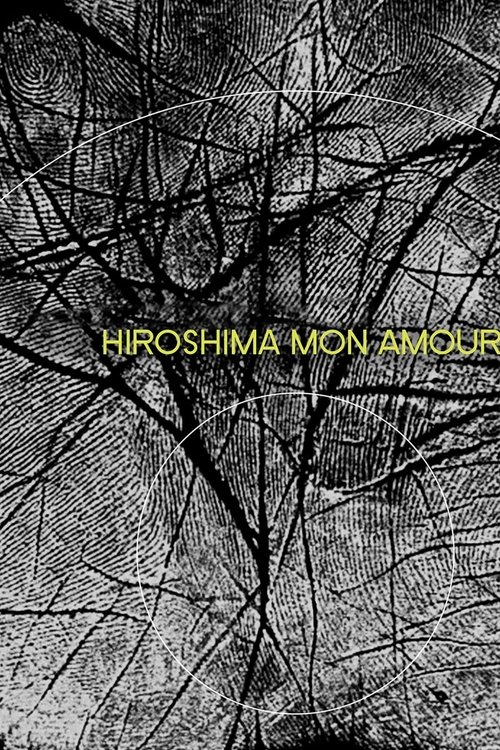
Hiroshima Mon Amour1959
Resnais's masterpiece about two people unable to speak what they feel, about war's invisible aftermath. If you love Muriel's fractured time and emotional opacity, this is essential—they share a director's sensibility about memory as betrayal.
But Eighteen minutes of opening nudity and erotics might read as period provocation rather than artistic choice. The narrative loops deliberately; patience is not optional.
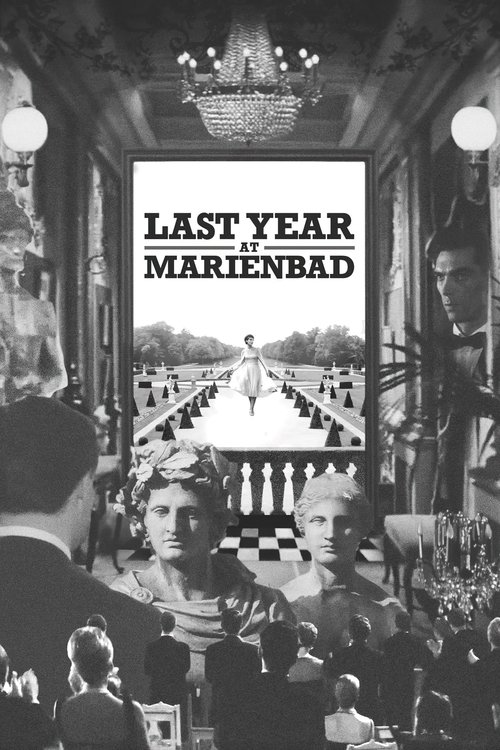
Last Year at Marienbad1961
Another French New Wave enigma: a man confronts a woman who may or may not remember him. Like Muriel, it refuses to confirm what happened, trading plot for mood, repetition, and the pleasure of not being sure.
But It's nearly as abstract as cinema gets. If you need clear storytelling, this will feel like watching someone else's dream.
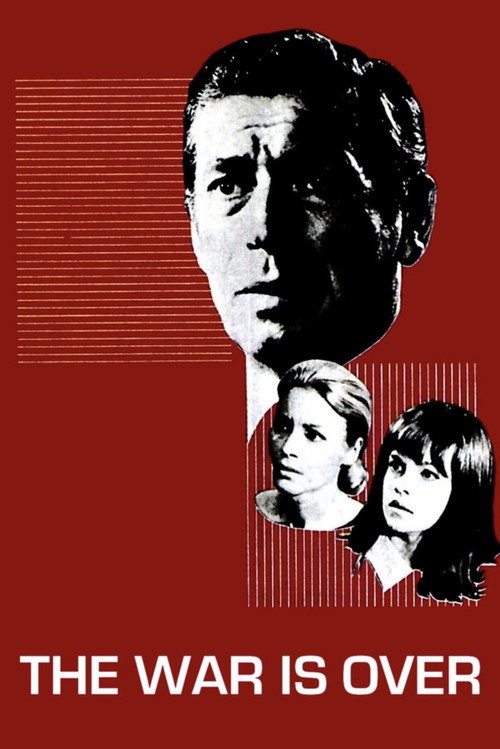
The War Is Over1966
Resnais again, now with Yves Montand as a Spanish Civil War exile in Paris, caught between competing versions of his own past. Same director, same obsession with how we lie to ourselves about history and desire.
But It's slower than you'd expect and sadder. The political dimension may feel dated if you're unfamiliar with the Spanish context.
Not sure tonight? Get a pick in a minute, starting from Muriel, or the Time of Return
The wildcard
Something you would not have found on your own.
Cléo from 5 to 71962
Both explore how time behaves when you're afraid—fractured, repetitive, the same moments looping. Both trust the viewer to find drama in emotional texture rather than plot.
Agnès Varda's real-time feature: ninety minutes in a woman's life as she waits for test results. Like Muriel, it's about anxiety beneath surface—but where Muriel is fragmented and ghosted, this is intimate and immediate, shot in Paris streets. You see time passing differently.
But Nothing crisis-sized happens. It's a film about waiting and mood; some viewers find it tedious rather than meditative.

More like this (8)
Contempt1963
Godard's film about a marriage collapsing during the making of a film—surfaces gleaming while everything underneath rots. The same era, the same French sensibility about performance and authenticity.
But It's aggressively stylish in ways that can feel more like watching Godard show off than like watching a story unfold.

The Leopard1963
Visconti's masterwork about an aristocratic family watching their world end. Released the same year as Muriel, it shares that sense of social collapse observed from a distance, beauty masking grief.
But It's 205 minutes and almost painfully elegant. The pacing is deliberate; modern viewers sometimes find it exhausting.

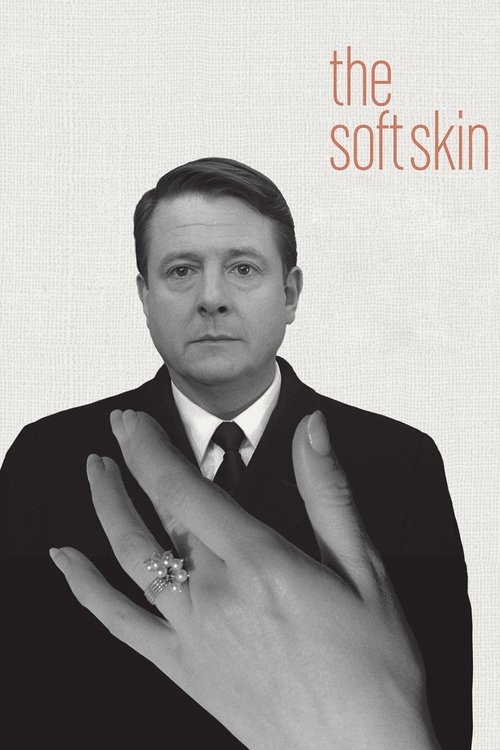
The Soft Skin1964
Truffaut's portrait of infidelity and the lies we tell ourselves—intimate, sometimes unbearably so. Another French film about desire and deception, but warmer and more character-focused than Muriel.
But The protagonist is not sympathetic. Some viewers resent spending two hours with someone behaving badly.
La Haine1995
A later French film about social fracture and young men returning from trauma, unable to integrate back home. Different era and style, but the same DNA about alienation and the gap between how things look and how they are.
But It's shot in black-and-white and feels more aggressive. If you want Muriel's elegance, this rawness might feel jarring.

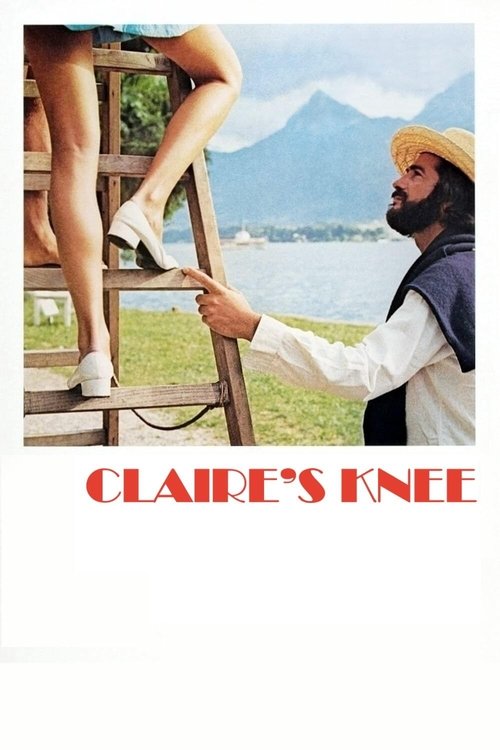
Claire's Knee1970
Rohmer's film about a man watching a woman, obsessing over desire as abstraction. Lighter than Muriel but from the same world—the French Riviera, bourgeois life, and the gap between thought and feeling.
But Almost nothing happens. If you need plot momentum, this will feel like watching someone overthink a casual friendship.
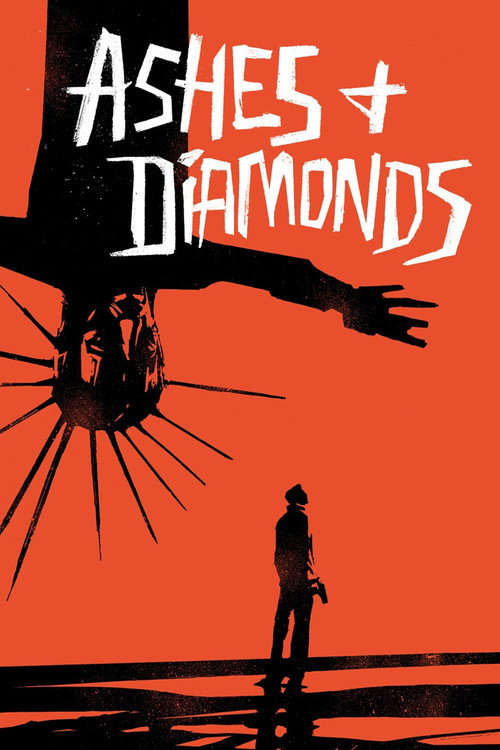
Ashes and Diamonds1958
Andrzej Wajda's Polish masterpiece about a young soldier at war's end, caught between past and future. International, but shares Muriel's postwar exhaustion and the impossibility of simply moving on.
But It's in Polish with subtitles, and the political context is unfamiliar to many. The ending is ambiguous and bleak.
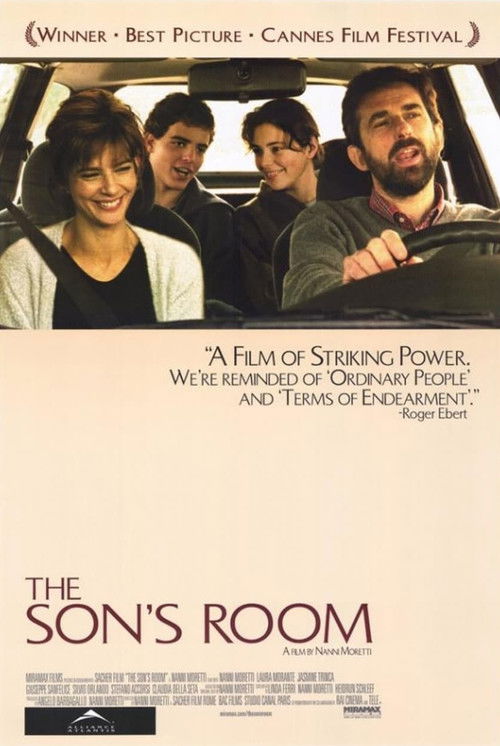
The Son's Room2001
Both understand that guilt and misunderstanding are more corrosive than confrontation. Both move with that halting, awkward rhythm of people unable to say what they mean.
Nanni Moretti's Italian film about a therapist whose son dies, and his family's inability to grieve normally. Thirty years after Muriel but operating in the same register: how people fail each other quietly, how the unspeakable shapes everything.
But It's about grief in a family. If you're in that grief yourself, it will be unbearable rather than cathartic.
A Prophet2009
Both films measure the cost of an undiscussed history—Algeria in Muriel, the prison system and colonialism in Audiard. Both show how trauma moves through men who can't articulate it.
Jacques Audiard's film about a young man imprisoned, rising through prison hierarchy. Modern and brutal where Muriel is elegant, but it's about men shaped by institutional violence—Algeria's shadow across French cinema, visible here as prison. Same wound, different decade.
But It's violent and long (155 minutes). The French-Corsican and Arabic dialogue without English subtitles in some editions makes it harder to access.

People
Cast
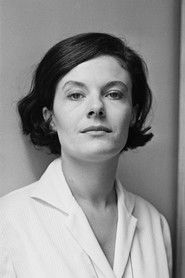 Delphine SeyrigHélène Aughain
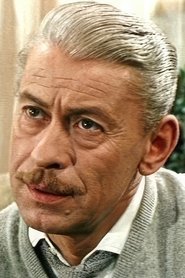 Jean-Pierre KérienAlphonse Noyard
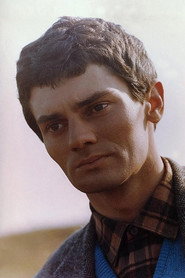 Jean-Baptiste ThiérréeBernard Aughain
- Nita KleinFrançoise
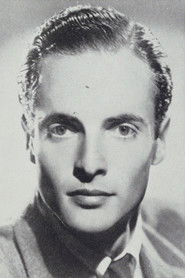 Claude SainvalRoland de Smoke
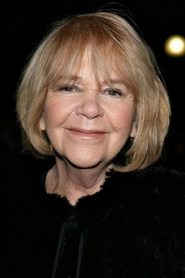 Laurence BadieClaudie
- Martine VatelMarie-Dominique, aka Marie-Do
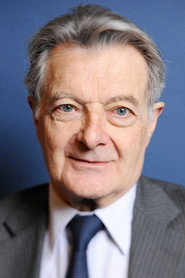 Philippe LaudenbachRobert
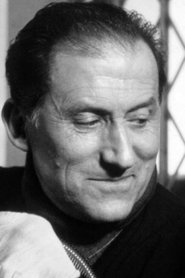 Jean ChampionErnest
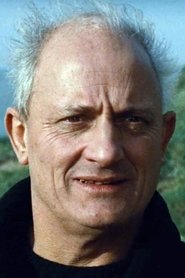 Jean DastéL'homme à la chèvre / The Goat Man
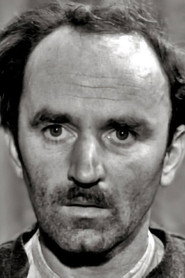 Julien VerdierLe loueur de chevaux / The Stableman
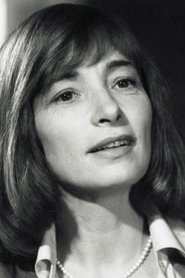 Nelly BorgeaudLa femme du couple d'acheteurs
Directing
- Jean LéonAssistant Director
- Pierre GrunsteinAssistant Director
- Alain ResnaisDirector
Writing
- Jean CayrolDialogue
- Jean CayrolScenario Writer
- Jean CayrolWriter
Production
- Pierre BraunbergerCo-Producer
- Anatole DaumanProducer
- Philippe DussartProduction Manager
- Michel ChoquetUnit Manager