
Film
Claire's Knee
- Drama
- Slow-burning
Rohmer's playful masterpiece about a diplomat obsessed with a stranger's knee on the eve of his wedding. It's talky, philosophical, and funny in ways that sneak up on you—less interested in what happens than in how desire works when it's abstract and impossible. For anyone who enjoys watching smart people think out loud.
Should you watch it?
Watch it if you enjoy talky, precise films about grown men deceiving themselves, where the pleasure lies in watching a rationalising mind circle its own desire with elegant, almost comic seriousness.
Skip it if you want a story that moves, since very little happens and the conversations do most of the work; the fixation on one small body part can feel thin across a whole film.
What it asks of you: It runs about an hour and forty-five minutes at a patient, unhurried pace, and it wants you to listen closely to dialogue and notice what the characters leave unsaid.
Not sure? Find tonight's pick in a minute.
If you liked this
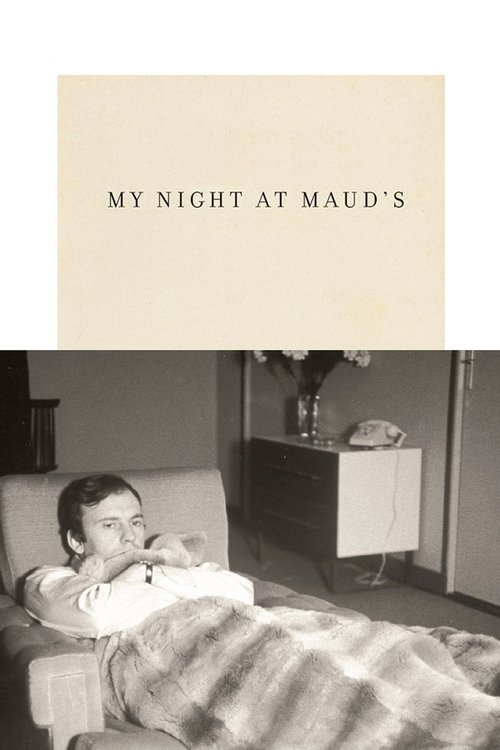
My Night at Maud's1969
Rohmer's earlier film with the same intelligence and warmth, using conversation and proximity to explore faith, attraction, and what we tell ourselves we believe. A perfect entry point to his method.
But Even slower than Claire's Knee, and the philosophical debates won't appeal to anyone allergic to characters who think before they speak.
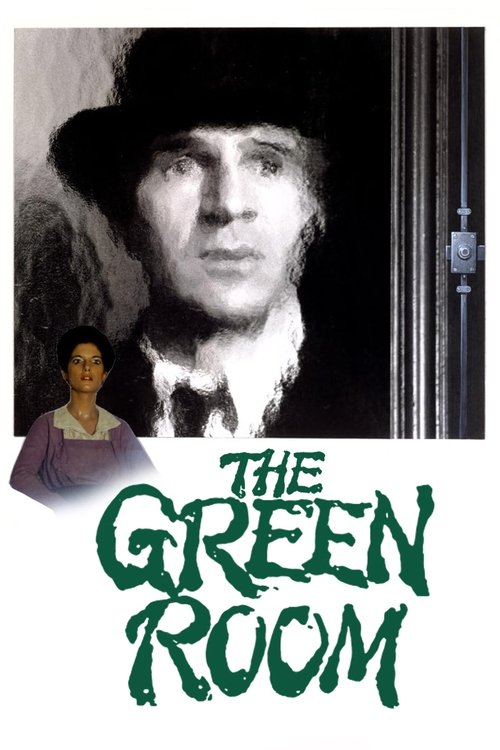
The Green Room1978
Truffaut's exquisite chamber piece about a group of people preserving memory in a shrine to the dead. Like Rohmer, it prizes nuance and conversation, and finds emotional depth in small gestures and unspoken things.
But Very quiet and interior. If you need plot momentum or a clear emotional arc, this will feel static.
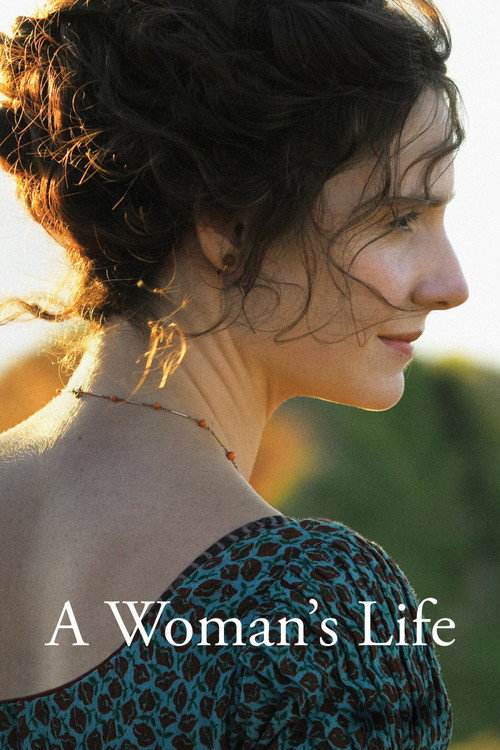
A Woman's Life2016
Gentle, attentive chronicle of a woman's marriage and motherhood across decades. Rivette's late film shares Rohmer's belief that nothing is too small to examine, and that everyday life contains real drama.
But Nearly three hours and almost nothing happens in the conventional sense. Patience is not optional.
Not sure tonight? Get a pick in a minute, starting from Claire's Knee
The wildcard
Something you would not have found on your own.
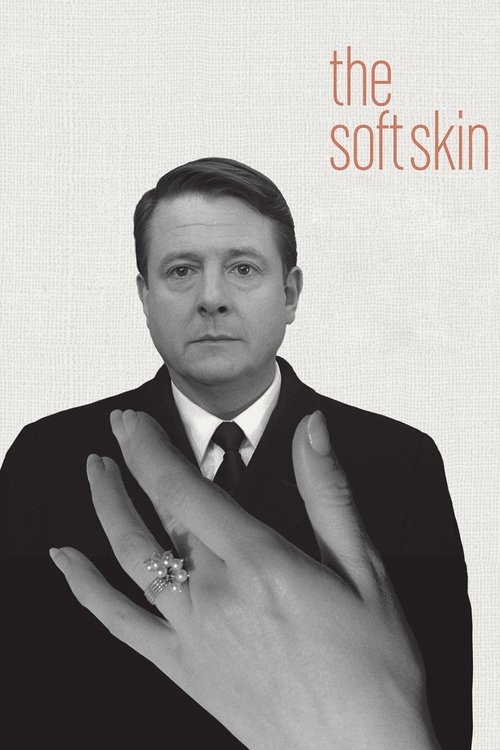
The Soft Skin1964
Both films understand that desire is often most intense when it's forbidden and abstract, and that the respectable man is sometimes the most dangerous—to himself and others. Both trust us to judge without moralizing.
Truffaut's unflinching film about a respectable man undone by a casual affair—obsession in plain daylight, told with sympathy but without excuses. It's what happens when Jérôme actually does something about it.
But Much bleaker than Rohmer, and the infidelity is real rather than fantasy. The tragedy will feel uncomfortably close.
More like this (8)
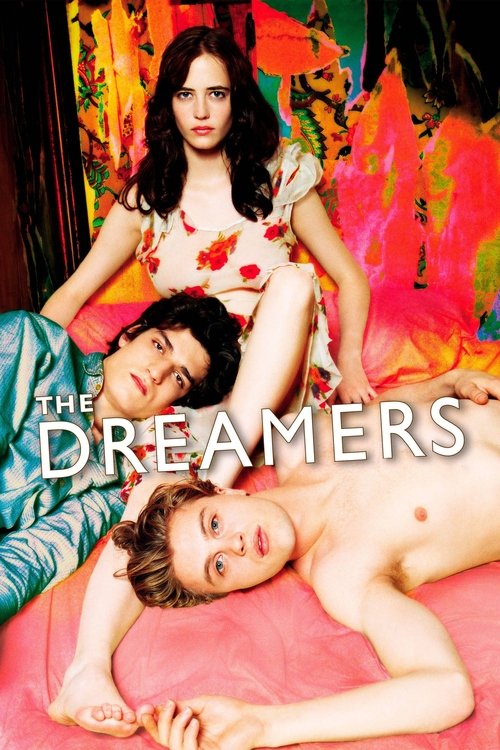
The Dreamers2003
Bertolucci's sensual film about cinephiles and desire in 1960s Paris, built on talk and ideas and the erotics of proximity. It understands the attraction of being intellectually possessed by someone.
But Much more explicit than Rohmer—erotically and politically. The tone swings between playfulness and something darker.
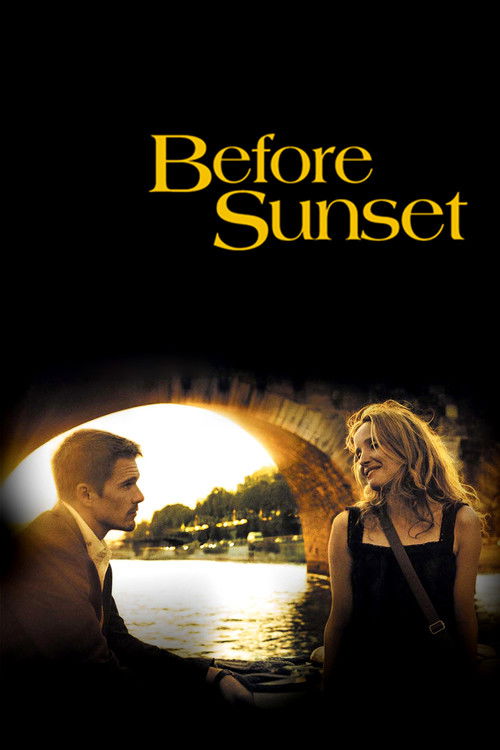
Before Sunset2004
Linklater's film is almost entirely conversation between two people walking through a city, circling around what they feel. It trusts dialogue the way Rohmer does, and finds intensity in restraint.
But No plot, no music, no production value in the traditional sense. It lives entirely in the space between two people talking.
Moonlight2016
Jenkins' film about desire, identity, and the way attraction can rewrite your sense of self. Like Rohmer, it's interested in the interior life and what we're afraid to admit to ourselves.
But Fragmented structure and heavy atmosphere. If you want lightness or clarity, this will feel oblique.

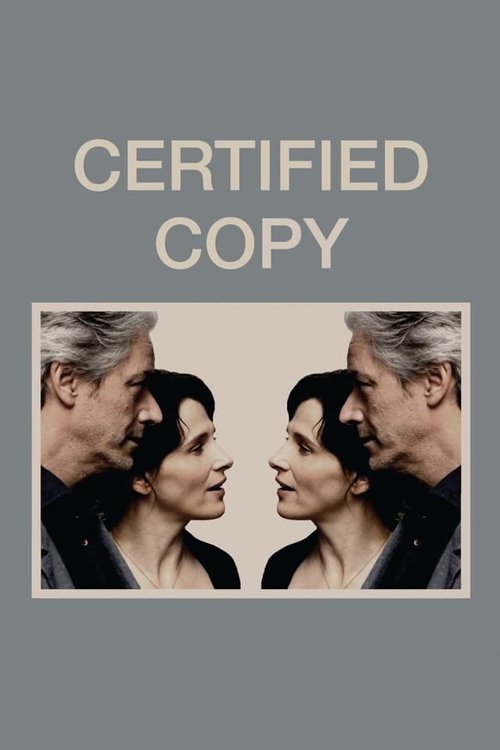
Certified Copy2010
Kiarostami's playful meditation on authenticity and desire between two strangers in Italy. Philosophical, flirtatious, impossible to pin down—it thinks the way Rohmer thinks.
But Deliberately ambiguous. It won't explain itself, and some will find that coy rather than clever.
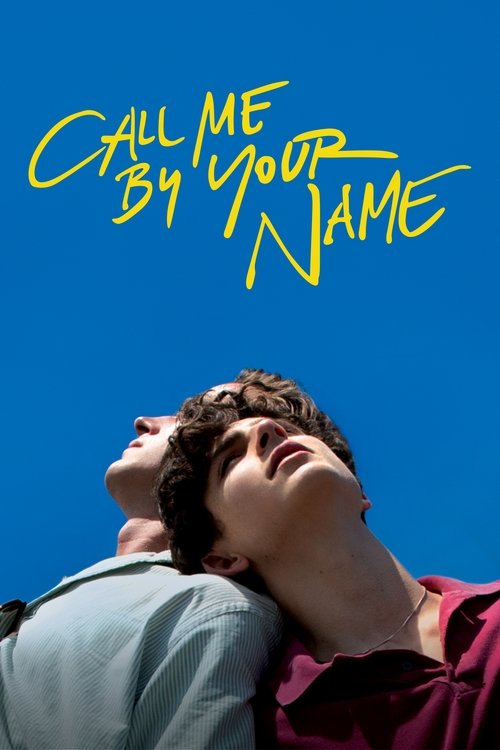
Call Me by Your Name2017
Guadagnino captures the vertigo of desire for someone impossible—the way fantasy and reality blur, and how a small gesture can contain an ocean of feeling. It knows what Jérôme knows.
But More sensual than cerebral. If you prefer your cinema to be about thinking rather than feeling, it might seem self-indulgent.
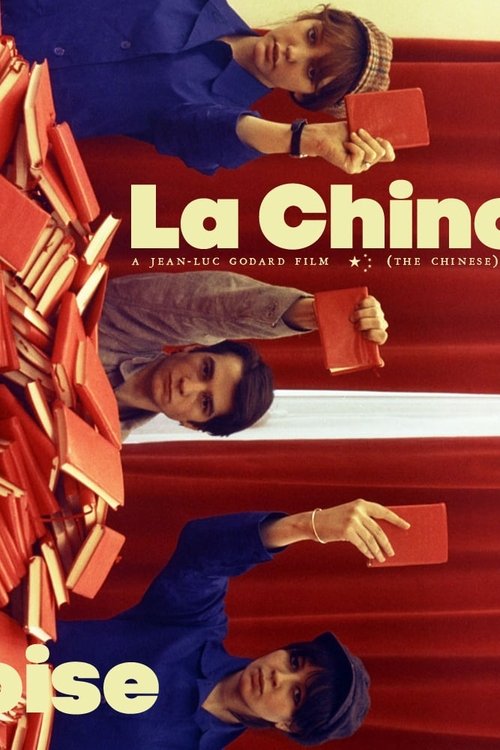
La Chinoise1967
Godard's agitprop film about young Maoists in Paris, shot through with colour and style. It shares Rohmer's interest in how ideology shapes desire and self-deception, but refuses his gentleness.
But Abrasive and formally fractured. Godard's playfulness reads as cold, and the politics are dated.
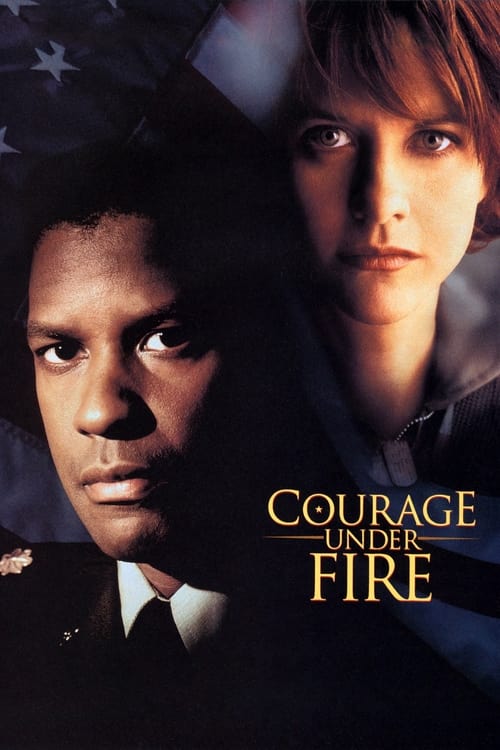
Courage Under Fire1996
Both films understand that the most transgressive thing isn't the act but the feeling, and that self-knowledge arrives through observing what you want. Both insist on women's interiority and desire as real.
Deepa Mehta's stunning film about two women in Delhi discovering desire for each other while trapped in marriages. Luminous, tender, and brave. Like Rohmer, it finds the erotic in conversation and proximity.
But Addresses same-sex desire in a conservative context, which made it genuinely dangerous to make. Some will find the pacing slow; others will feel the political weight makes that irrelevant.
Mulholland Drive2001
Both films are about the eroticism of the imagined person, and both understand that obsession is a story we tell ourselves. Rohmer sees it with wry gentleness; Lynch sees it as psychological horror. Same mirror, opposite light.
Lynch's baroque fever dream about Hollywood, desire, and the fictions we tell ourselves. It's obsessed with the same things as Rohmer—fantasy, projection, the person who exists in your head versus the real one—but in a nightmare register.
But Wilfully obscure, formally difficult, and bleak. If you want clarity or comfort, this will feel like punishment. The tonal whiplash is intentional and relentless.

People
Cast
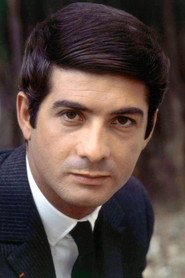 Jean-Claude BrialyJérôme
 Aurora CornuAurora, the novelist
 Béatrice RomandLaura
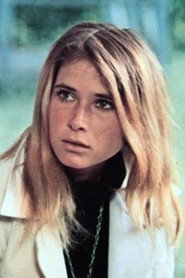 Laurence de MonaghanClaire
 Michèle MontelMadame Walter
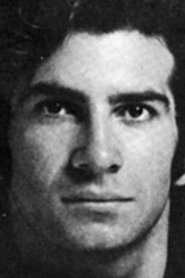 Gérard FalconettiGilles
 Fabrice LuchiniVincent
Directing
- Michel FleuryContinuity
- Éric RohmerDirector
Writing
- Éric RohmerWriter
Production
- Barbet SchroederProducer
- Pierre CottrellProducer
- Alfred de GraffProduction Supervisor
Recommended by
A Summer's Tale, A Sunday in the Country, Late Autumn, My Night at Maud's, Bed and Board, The Salt of Life, Boyfriends and Girlfriends, Love in the Afternoon, The Year My Voice Broke, A Stolen Life, The Mother and the Whore, The Green Room, Muriel, or the Time of Return, The Room, Two English Girls, Five Days One Summer, Bilitis, Les Bonnes Femmes, The Aviator's Wife, Goodbye Solo, Cousin, Cousine, Daughter Rite