
Film
The Room
Other titles called The Room: the 2003 film, the 2019 film.
A Japanese noir about a hitman searching Tokyo's urban decay for a mysterious room, guided by a blank-faced real estate agent. Spare, methodical, deeply strange—less interested in plot than in surfaces, silence, and what remains unsaid. For viewers who prefer atmosphere over narrative momentum.
Should you watch it?
Watch it if you are drawn to images that linger and strange, dreamlike wanderings through a half-ruined city, and you'd rather sink into a mood than follow a tidy mystery.
Skip it if you need a story that moves forward, since this one drifts in deliberate stillness and its unhurried pace can feel like an endurance test.
What it asks of you: Ninety-two minutes is brief, but the pace is slow and the dialogue sparse, so attention settles on stillness and small gestures rather than momentum.
Not sure? Find tonight's pick in a minute.
If you liked this
Branded to Kill1967
Seijun Suzuki's yakuza masterpiece shares the same hypnotic logic: crime as ritual, style as story. Gorgeously composed shots of Tokyo underworld that mesmerize through repetition and constraint.
But Abstract in structure and visually demanding. The plot is thin and the pace deliberate; if you need clear story beats, you'll find it frustrating.

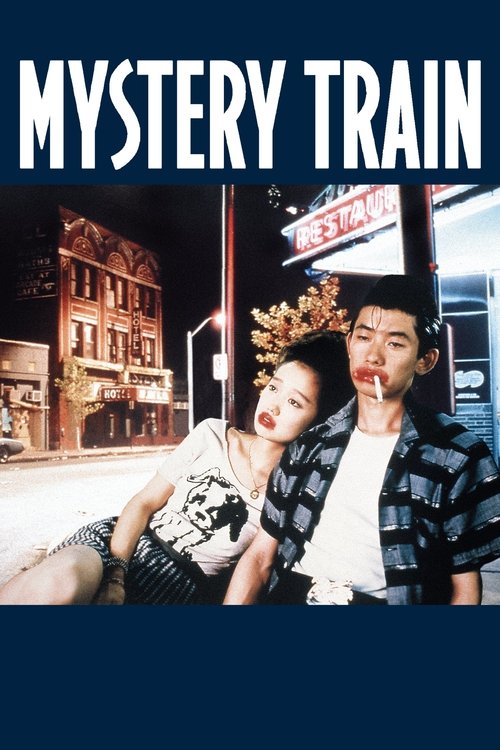
Mystery Train1989
Jarmusch's film about three strangers in Memphis has the same deadpan poetry—ordinary people in cheap rooms, conversations that circle meaning rather than state it. Stranger encounters become philosophical.
But Almost nothing happens. Long static takes, minimal dialogue, a rhythm that prizes mood over event. Patience required.
Stalker1979
Tarkovsky's pilgrimage through a mysterious zone mirrors the hitman's search: a journey that's really about what you bring to empty space. Meditative, hypnotic, structurally perfect.
But Over three hours long and the slowest three hours of cinema ever made. Asks everything of your attention and gives nothing back quickly.

Not sure tonight? Get a pick in a minute, starting from The Room
The wildcard
Something you would not have found on your own.
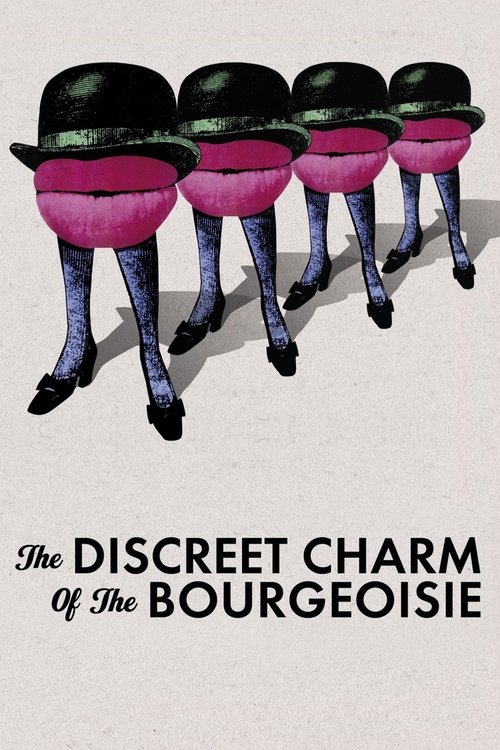
The Discreet Charm of the Bourgeoisie1972
Both films use repetition and formal constraint to create a kind of hypnotic unease; both suggest that surfaces are all we have, and that looking closely at them reveals nothing.
Buñuel's surrealist masterpiece shares The Room's dreamlike obsession with repetition and confined social spaces. A dinner party that never happens, endlessly. The logic is absurd but feels inevitable.
But Surrealist, non-linear, deliberately elusive. If you expect conventional narrative or symbolic clarity, you'll leave frustrated. It means to unsettle.
More like this (8)
In the Mood for Love2000
Wong Kar-wai's Hong Kong romance uses confined spaces and repetition to create meaning from surfaces. Gorgeous, mannered, about desire expressed through gesture rather than words.
But Plot is gossamer-thin. If you need narrative drive or character backstory, this will feel self-indulgent and cold.

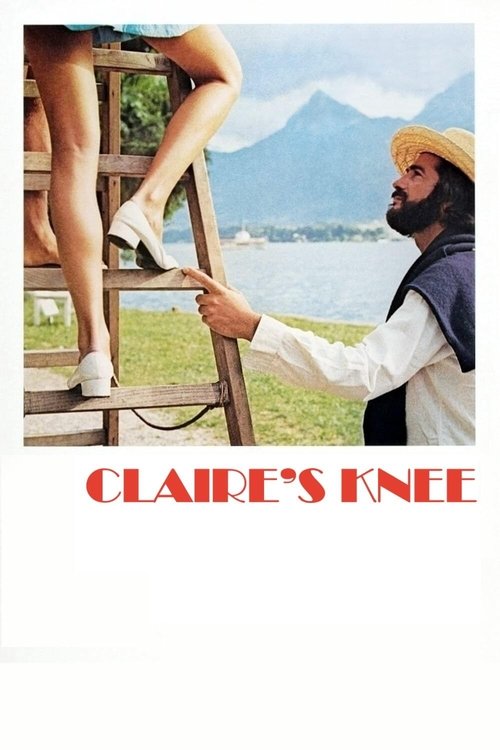
Claire's Knee1970
Rohmer's film about a man's obsession with touching a girl's knee is deceptively philosophical—about desire, ethics, the gap between intention and action. Talky but penetrating.
But Entirely driven by dialogue and internal debate. No action, no drama, just conversation about small things that somehow matter enormously.
A Ghost Story2017
A haunting meditation on time, death, and rooms themselves. Uses constraint (a white sheet, a single house) to unlock cosmic questions. Genuinely unsettling despite its simplicity.
But Moves at a funeral pace. Contains a scene that feels like punishment. Bleak beyond what some viewers will tolerate.

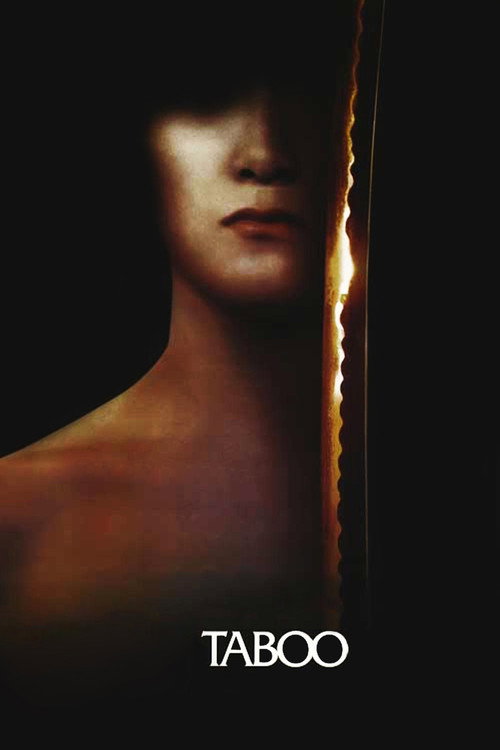
Taboo1999
Nagisa Oshima's final film is an ice-cold study of desire and power within a closed space. Baroque in style but disciplined in structure; sexuality and violence intertwined.
But Extremely sexual and violent. Deliberately provocative and cold; designed to disturb rather than please. Not mainstream Oshima.
Harakiri1962
Masaki Kobayashi's samurai film uses ritual and repetition to devastating effect. A ceremony becomes tragedy; the form itself becomes a weapon. Visual perfection.
But Relentless and bleak. The beauty is in the composition, not the story—if you want emotion or character development, you'll find it withheld.

Red Beard1965
Kurosawa's late work is slower, more philosophical than his earlier films. A young doctor apprentices under an old one; the story is really about learning to see clearly, to sit with suffering.
But Nearly three and a half hours. Episodic structure means it meanders; patience is not optional. Some find it sentimental.

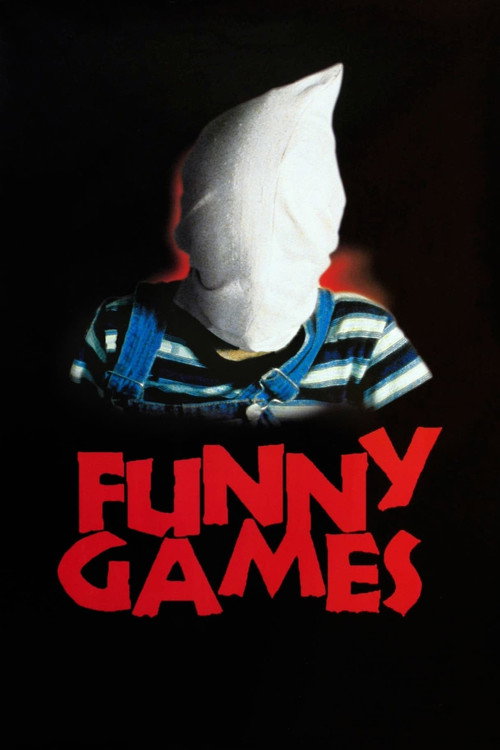
Funny Games1997
Both treat the room as a philosophical problem rather than a setting. Both ask what it means to be trapped in a space with strangers. Both are colder than comfort allows.
Haneke's brutal home invasion film uses the room itself as protagonist. Two men, a family, one space—the film is about cinema's complicity in violence. Coldly intellectual but devastating.
But Genuinely difficult to watch. Graphic violence, meta-commentary that feels alienating, a rejection of catharsis. Designed to make you hate yourself for watching.
The Seventh Seal1957
Both films pit a figure against an inexorable search (for a room, for escape from Death) that cannot be won. Both use sparseness and repetition to suggest cosmic indifference.
Bergman's knight playing chess with Death while plague ravages the land is cinema's most perfect expression of futility meeting ritual. Black-and-white compositions that haunt decades later.
But Religious allegory masquerading as entertainment. Bleak, metaphysical, and its famous scenes have been quoted so often they've lost power. Some find it pretentious.

People
Cast
 Akaji MaroThe Hitman
 Yoriko DoguchiReal Estate Agent
 Shiro SanoThe Dying Man
- Sayoko TakahashiThe Stranger
Directing
- Kunifumi YoshidaAssistant Director
- Sion SonoDirector
Production
- Takaharu YasuokaProducer