
Film
Branded to Kill
Branded to Kill is Seijun Suzuki's gloriously deranged riff on yakuza noir — the film so defiantly incomprehensible it got him fired from his own studio. It follows Japan's third-ranked hitman as his life unravels after one botched job, but plot is barely the point: this is cinema as fever dream, all jazz, sex, rice-cooker fetish, and images that refuse to resolve into sense. For anyone who wants style over story.
If you liked this
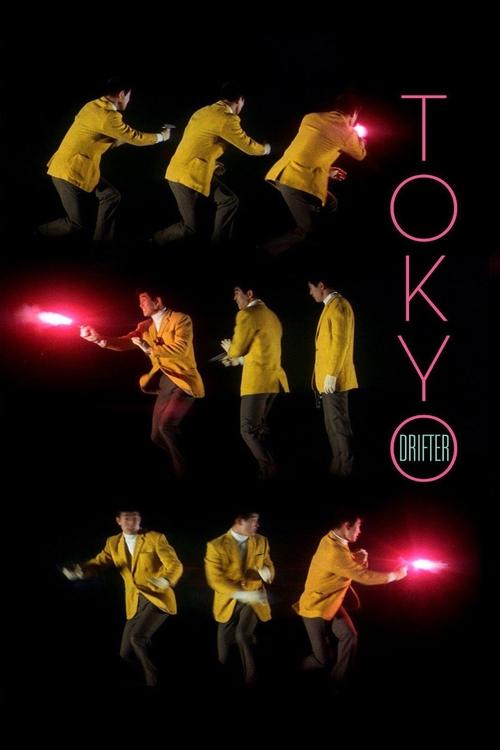
Tokyo Drifter1966
Suzuki's other, even more candy-coloured yakuza fever dream, made the year before this one — same anarchic visual wit, same disregard for plot logic, but with a pop-art palette that makes Branded to Kill look almost restrained.
But If Branded to Kill's plotlessness already tested your patience, this one is even looser and brighter, practically a musical at times.
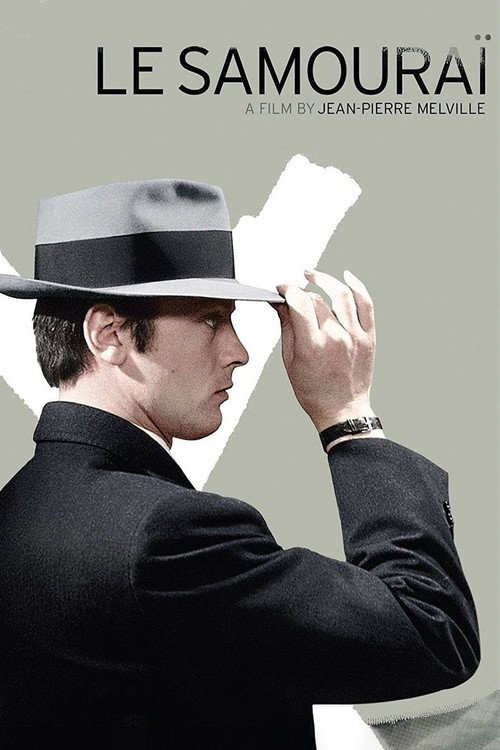
Le Samouraï1967
Melville's icy Parisian hitman drama, released the same year, strips the genre down to trench coat, silence, and ritual — the opposite temperature of Suzuki's chaos but obsessed with the same dying code of the professional killer.
But Expect near-total silence and minimalism; if you loved Suzuki's manic energy, this restraint might feel like a comedown.
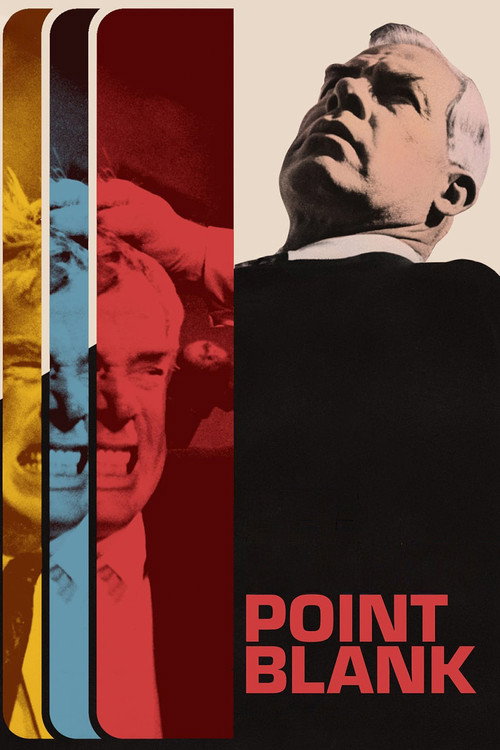
Point Blank1967
Lee Marvin as a fractured, near-mute assassin hunting his own betrayers, told through jump cuts and abstract time — Boorman's answer to the same era's appetite for breaking the hitman movie apart at the seams.
But Its cool detachment can read as chilly rather than thrilling if you want more of Suzuki's outright weirdness.
The wildcard
Something you would not have found on your own.
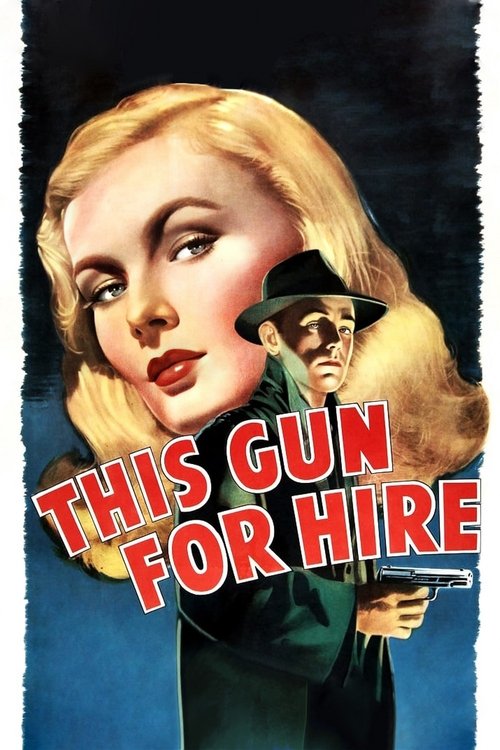
This Gun for Hire1942
Both films build their entire structure around a hyper-competent assassin whose private code starts to fracture under the job's absurd demands — Suzuki just pushed that fracture into full surrealism twenty-five years later.
Alan Ladd's icy, limping contract killer in this 1942 noir basically invented the archetype Suzuki would later blow apart — a professional whose code of honor curdles into something stranger the longer you watch him work.
But It's a product of its era: stagier dialogue, tamer violence, and a moral framework the ratings board would have insisted on.
More like this (8)
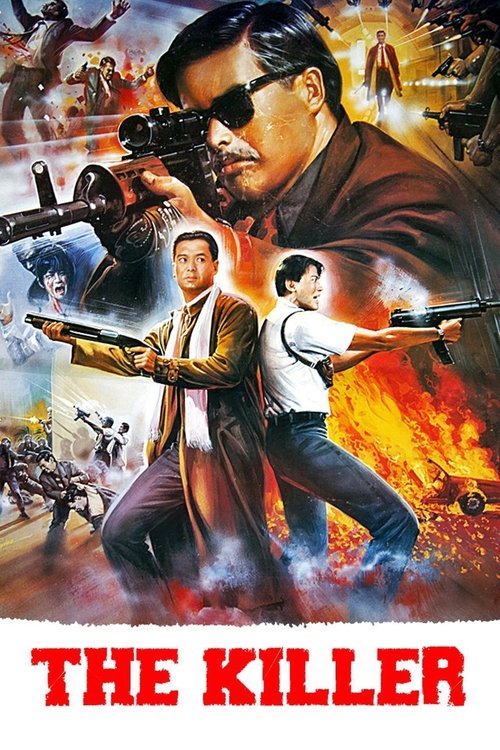
The Killer1989
John Woo's operatic Hong Kong classic takes the doomed-assassin-with-a-code idea and cranks it to full melodrama, all slow-motion gunfights and tragic honor — a direct descendant of the genre Suzuki helped mutate.
But It's sincere where Suzuki is ironic; if you want detachment and dark comedy, this earnestness might grate.
Battles Without Honor and Humanity1973no page yet
Fukasaku's brutal, handheld, almost documentary-style yakuza saga is the gritty realist counterpoint to Suzuki's surrealism — same criminal underworld, same era, utterly different temperature.
But Long, sprawling, and grim rather than stylish; don't expect Suzuki's visual playfulness.
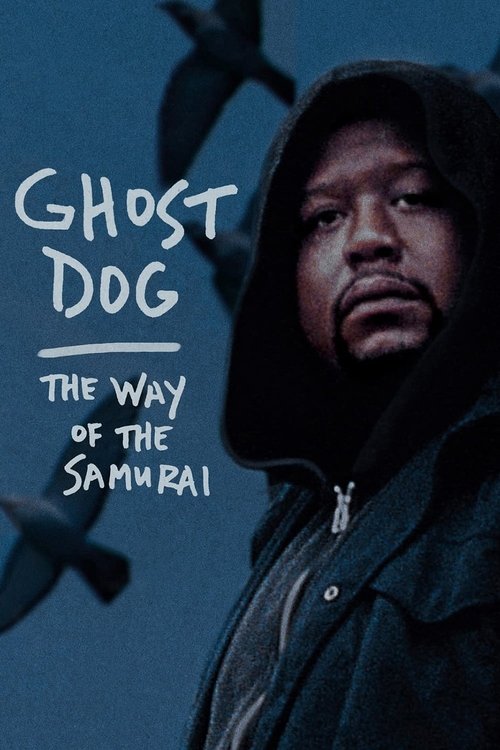
Ghost Dog: The Way of the Samurai1999
Jarmusch's deadpan hip-hop hitman movie is soaked in the same samurai-code obsession and dry humor, filtered through a Black American gangster in New Jersey rather than a yakuza in Tokyo.
But Its slow, meditative pace and hip-hop soundtrack are a different rhythm than Suzuki's frantic energy.
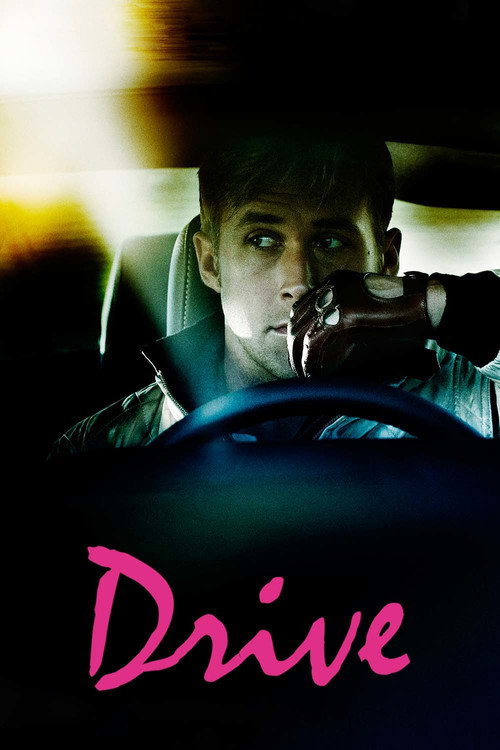
Drive2011
Refn's neon-soaked, near-silent getaway driver drama channels the same fetish for cool surfaces and sudden ultraviolence, proof the style Suzuki pioneered never really went away.
But It's slicker and more polished — some of Suzuki's rough anarchic charm gets sanded down here.
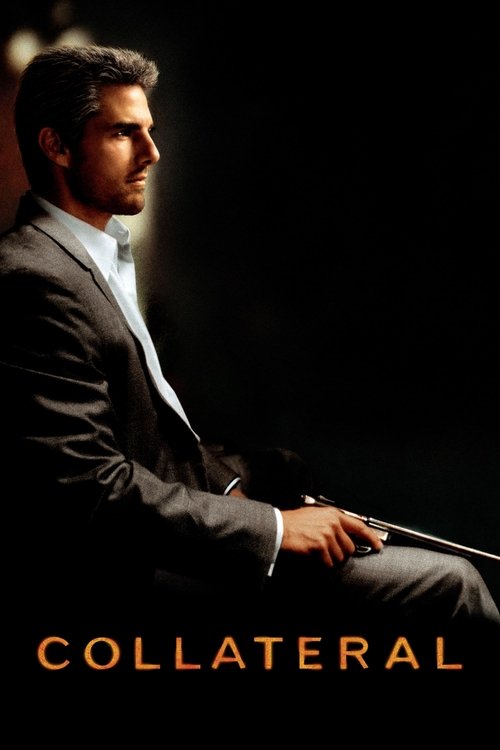
Collateral2004
Michael Mann's LA-noir thriller, with Tom Cruise as a chillingly professional hitman working through one long night, gives you the genre's mechanics played dead straight and gorgeously shot.
But It's a conventional thriller at heart; anyone hoping for Suzuki's surrealism will find this comparatively grounded.
The American Friend1977no page yet
Wim Wenders' loose, moody adaptation of Patricia Highsmith folds Nicholas Ray and Dennis Hopper into a story about amateurs drawn into professional killing — a weirder, more European cousin to the genre.
But Deliberately slow and elliptical; it rewards patience more than it delivers thrills.
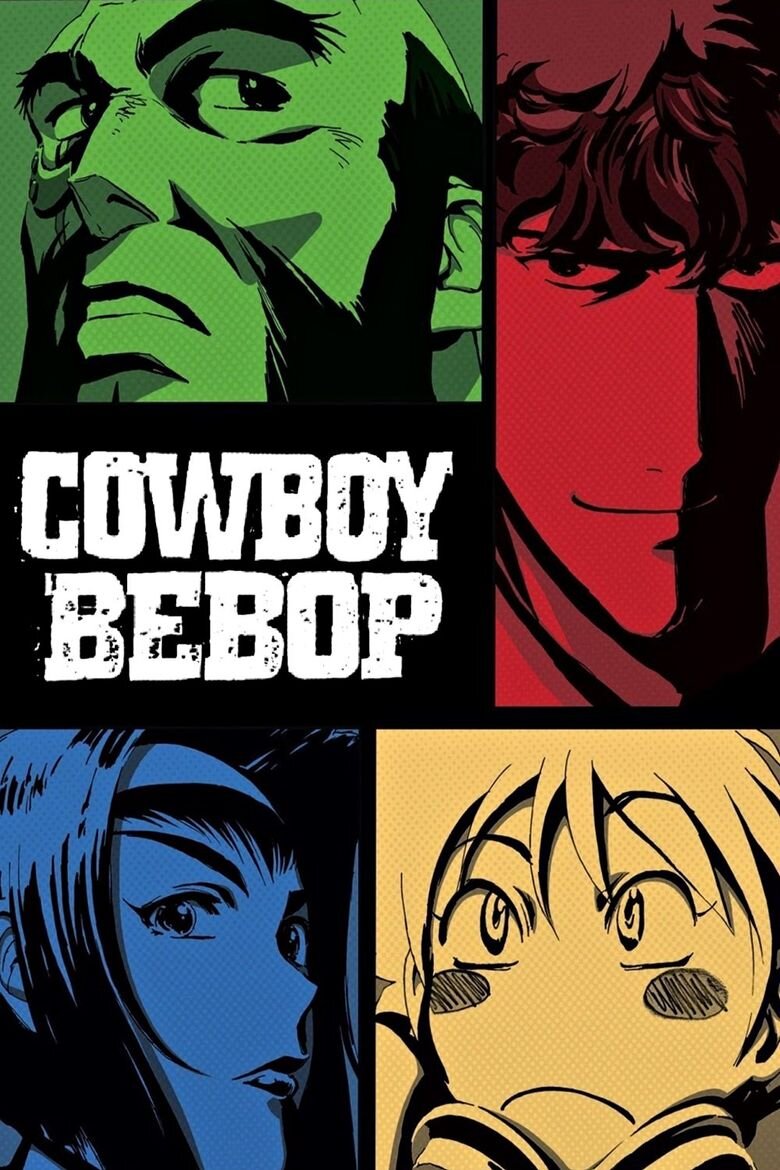
Cowboy Bebop1998
Both descend from the same postwar Japanese pop-crime lineage — jazz-soaked cool, deadpan violence, doomed antiheroes who know their code is already obsolete — Bebop just carries that DNA into episodic animation decades later.
This jazz-scored anime about bounty hunters drifting through space carries the same cool-killer melancholy and surreal comic detours as Suzuki's assassins, just stretched across twenty-six episodes instead of ninety minutes.
But It's a full anime series with its own pacing and tonal shifts; if you want something self-contained, the commitment might not suit you.
In Bruges2008
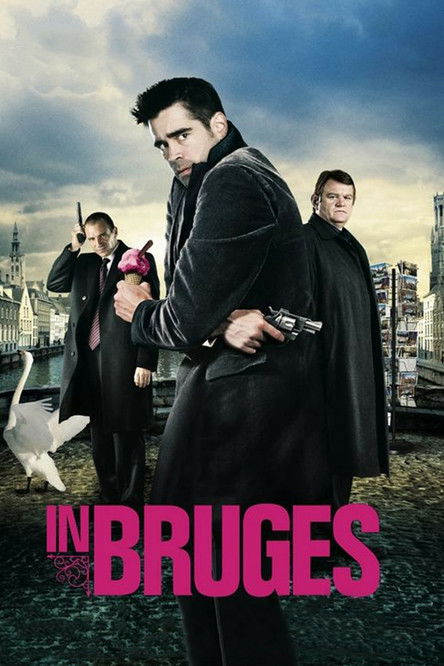
Suzuki treats his killer's collapsing code as absurdist tragedy; McDonagh does the same move but leans all the way into comedy, using laughs to get at the same guilt and moral rot underneath the profession.
Martin McDonagh's pitch-black comedy sends two hitmen to hide out in a Belgian tourist town, mixing slapstick, guilt, and sudden brutal violence — the same tonal whiplash Suzuki works in, pushed fully into comedy.
But The jokes are dark enough to alienate anyone wanting a straight thriller, and the sentimentality at its core is very different from Suzuki's detachment.
People
Cast
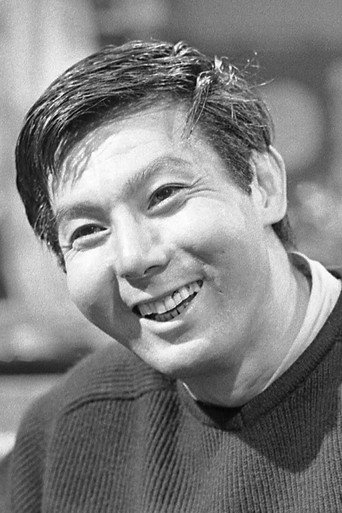 Joe ShishidoGorô Hanada
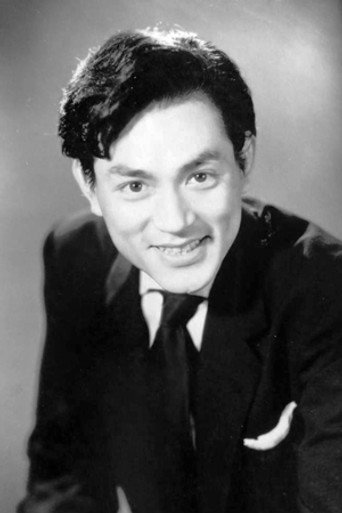 Kōji NanbaraNo. 1
 Isao TamagawaMichihiko Yabuhara
 Annu MariMisako Nakajô
 Mariko OgawaMami Hanada
 Hiroshi MinamiGihei Kasuga
- Hiroshi ChōBartender
 Atsushi YamatoyaNo. 4 Killer Ko
- Hiroshi MidorikawaOptometrist
- Kosuke HisamatsuJeweler
Directing
- Masami KuzūAssistant Director
- Seijun SuzukiDirector
- 熊野煕子Script Supervisor
Writing
- Atsushi YamatoyaScreenplay
- Chūsei SoneScreenplay
- Seiichirō YamaguchiScreenplay
- Seijun SuzukiScreenplay
- Takeo KimuraScreenplay
- Yasuaki HangaiScreenplay
- Yōzō TanakaScreenplay
- Yutaka OkadaScreenplay
Production
- Kaneo IwaiProducer
- Takiko MizunoeProducer
- Akira YamashitaProduction Manager
Recommended by
Lady Snowblood, Breathless, Sin City, Pale Flower, Ghost Dog: The Way of the Samurai, Tokyo Drifter