
Film
Ghost Dog: The Way of the Samurai
Jim Jarmusch's deadpan urban fable casts Forest Whitaker as a solitary hitman who lives by the Hagakure, serving an aging mobster as a modern samurai retainer while the mob decides he's a liability worth erasing. RZA's hazy score and Jarmusch's unhurried camera turn hits and rooftops into meditation. Violent, funny, and melancholy by turns, it's less a thriller than a tone poem about honor in a world that's forgotten the word.
If you liked this
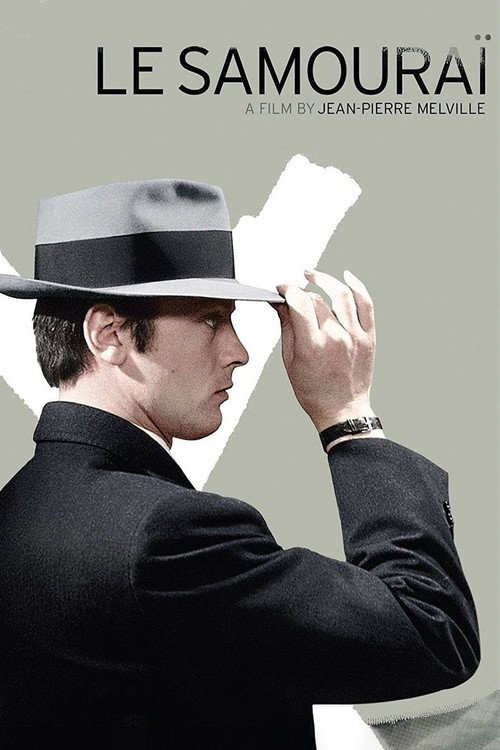
Le Samouraï1967
Melville's ice-cold Paris hitman thriller is the direct blueprint Jarmusch borrowed from — same trench coat, same fatalism, same idea that a killer's code is the only religion he has left.
But Glacially slow by design, almost wordless, and its 1967 Paris setting feels a world away from Jarmusch's Jersey rooftops.
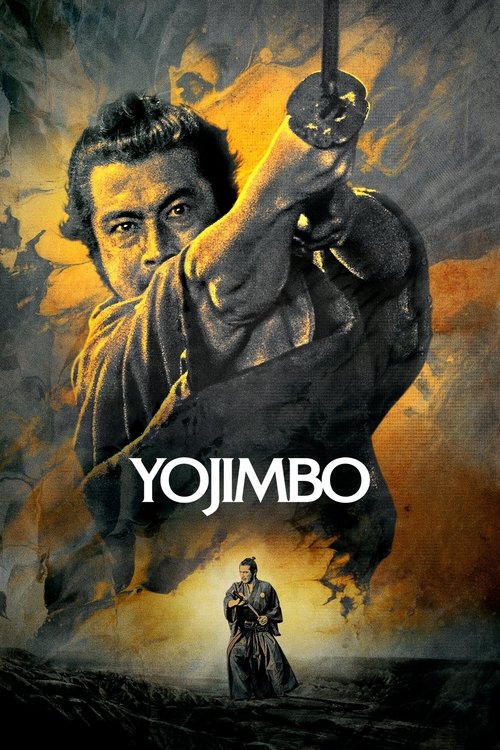
Yojimbo1961
Kurosawa's wandering ronin plays two rival gangs against each other with a wink and a sword, establishing the lone-warrior-for-hire template Ghost Dog transplants into modern crime. Mifune is magnetic and dangerous.
But Black-and-white, subtitled, and more comic caper than meditation — brisker and funnier than the stillness you might be craving.
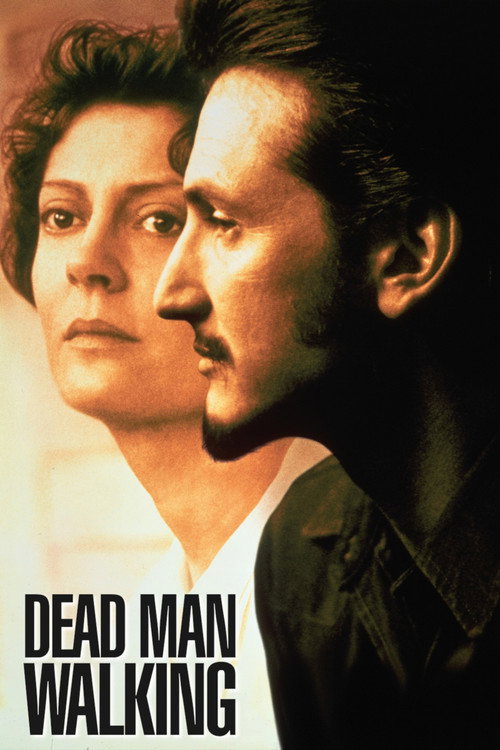
Dead Man Walking1995
Jarmusch's other great genre experiment: a Western where a dying man is guided toward death by a Native American who quotes William Blake. Same hypnotic pacing, same interest in dying with dignity in a corrupt world.
But Even slower and stranger than Ghost Dog, shot in scratchy black-and-white — patience is not optional here.
The wildcard
Something you would not have found on your own.
Wu-Tang Clan: Of Mics and Men2019no page yet
RZA composed Ghost Dog's score and shaped its samurai-meets-hip-hop cosmology; this series is where that philosophy comes from, straight from the source.
This four-part documentary lets RZA explain, in his own words, the kung-fu philosophy and samurai obsession he poured into Ghost Dog's score and mythology — hearing the real source is like getting the film's DNA under a microscope.
But It's a music documentary, not a crime story, and assumes at least casual interest in Wu-Tang's history and internal drama.
More like this (8)
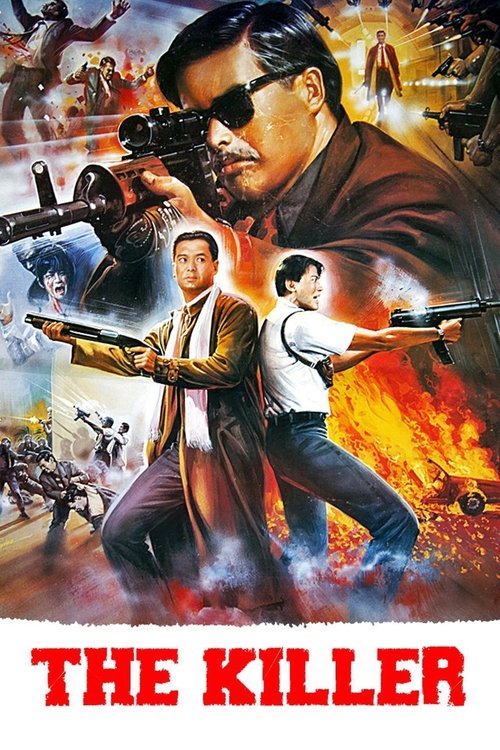
The Killer1989
John Woo's balletic Hong Kong classic gives its hitman hero a samurai-adjacent code of loyalty and honor, then explodes it into operatic gunfights. If Ghost Dog's restraint left you wanting more spectacle, this delivers.
But The tone swings from tender melodrama to over-the-top action in ways Ghost Dog never does — less deadpan, more heart-on-sleeve.
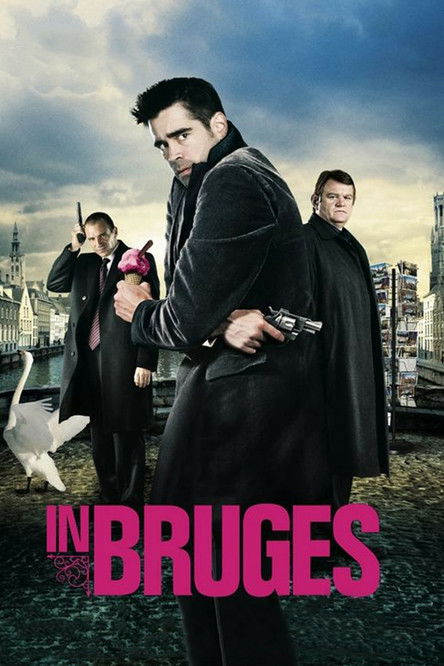
In Bruges2008
Two hitmen hide out in a fairy-tale Belgian town while a moral reckoning catches up with them — darkly funny, unexpectedly tender, and just as curious about what a killer owes the universe.
But Far more talkative and jokey than Jarmusch's near-silent hero; the comedy is broader and the violence sharper.
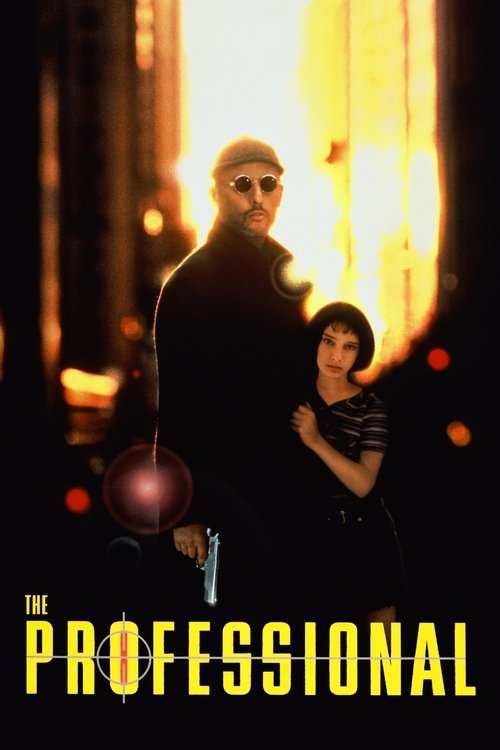
Léon: The Professional1994
A solitary hitman with a rigid personal code takes in a child and finds something like family — the same tension between discipline and buried humanity that powers Ghost Dog.
But Sentimental in ways Jarmusch resolutely avoids, and the central relationship has aged uncomfortably for some viewers.
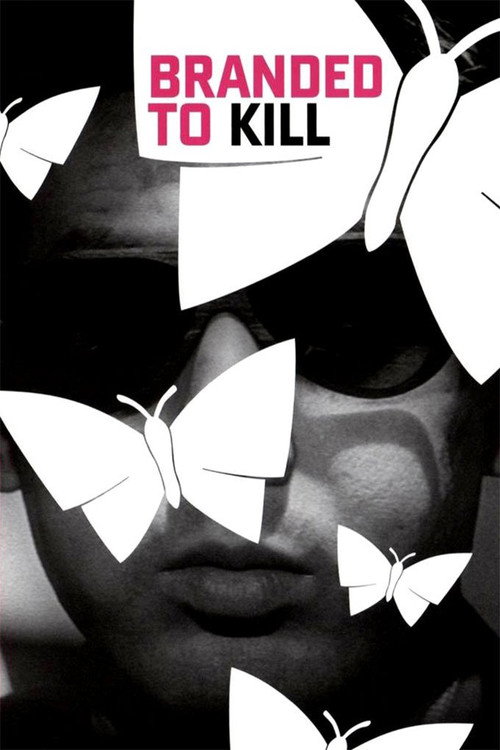
Branded to Kill1967
Seijun Suzuki's berserk, jazzy yakuza thriller follows a hitman obsessed with the smell of rice as his professional code curdles into madness. Pure style, pure strangeness, same DNA of honor-bound killers losing their grip.
But Deliberately incoherent and absurdist — a cult object, not a straightforward crime film, and some will find it baffling.
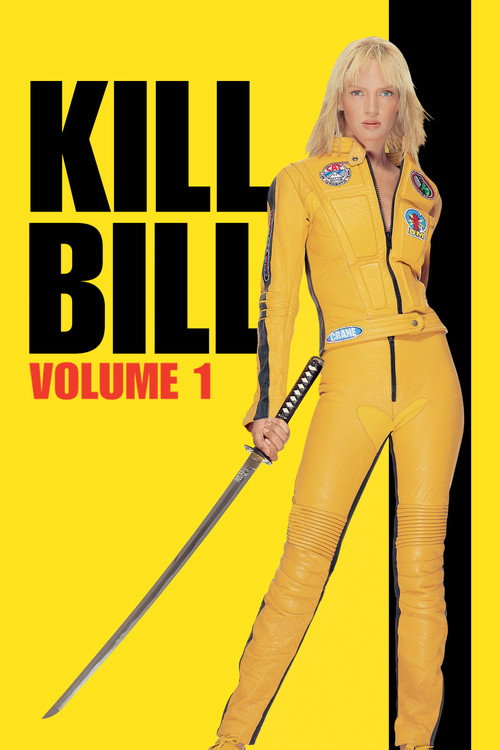
Kill Bill: Vol. 12003
Tarantino's love letter to samurai cinema turns the code-of-honor assassin into pure pop spectacle, with a stylistic playfulness that rhymes with RZA's score for Ghost Dog — he scored this one too.
But Maximalist where Ghost Dog is minimalist — loud, gory, and referential rather than meditative.
The Limey1999no page yet
Soderbergh's fractured revenge thriller, released the same year as Ghost Dog, follows another quiet man moving through Los Angeles with his own unbending code and a past he won't explain.
But Its jumbled, nonlinear editing is a different kind of challenge than Jarmusch's steady calm — more puzzle than meditation.
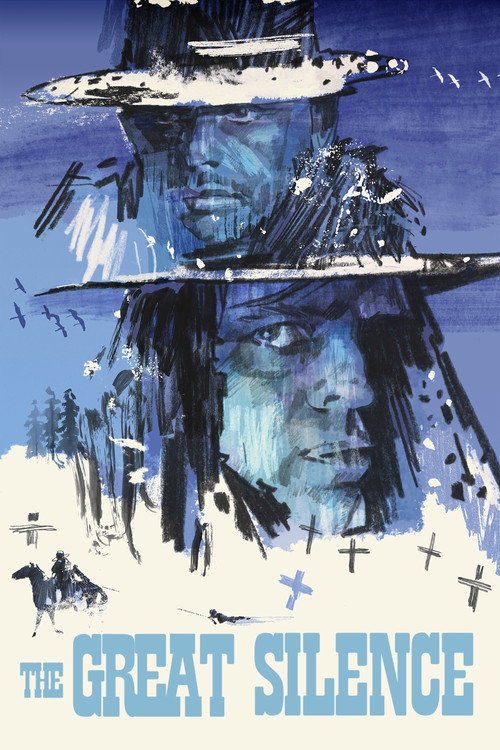
The Great Silence1968
Both films strip a genre hero down to pure code and inevitability, asking what honor is worth once the world around it has none left.
Same engine, wildly different costume: a mute gunslinger lives by his own bleak code in a snowbound Western where the good guys don't win. Corbucci's ending is one of the most devastating in genre cinema.
But There is no irony or humor here at all — a punishingly grim, nearly silent film that offers none of Ghost Dog's playfulness.
Belly1998no page yet
Both films arrived in 1998-99 fusing hip-hop culture with crime cinema's oldest myths about doomed men and their codes — one arthouse, one pure pulp.
Directed by music-video legend Hype Williams the same year as Ghost Dog, this hip-hop crime saga starring DMX and Nas is the trashier, glossier cousin — all neon, fashion, and fatalism, from the same cultural moment.
But Style frequently outruns substance and the plotting is thin — an image-maker's film first, a screenwriter's film a distant second.
People
Cast
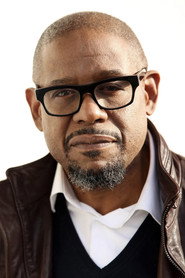 Forest WhitakerGhost Dog
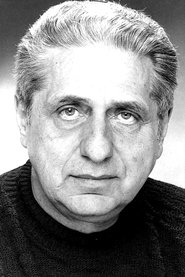 John TormeyLouie
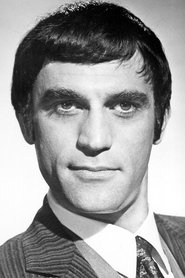 Cliff GormanSonny Valerio
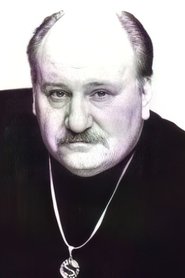 Frank MinucciBig Angie
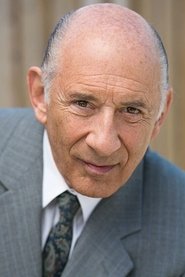 Richard PortnowHandsome Frank
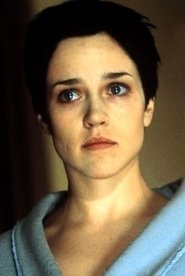 Tricia VesseyLouise Vargo
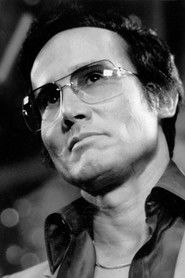 Henry SilvaRay Vargo
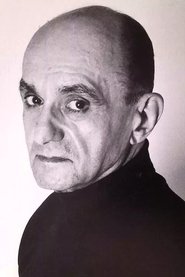 Gene RuffiniOld Consigliere
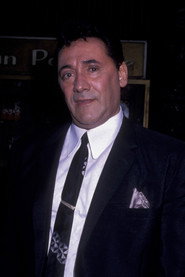 Frank AdonisValerio's Bodyguard
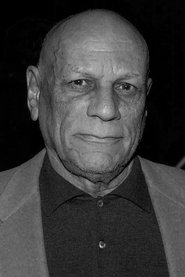 Victor ArgoVinny
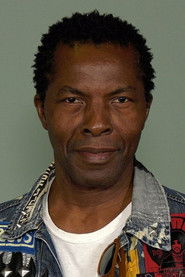 Isaach de BankoléRaymond
 Camille WinbushPearline
Directing
- Jim JarmuschDirector
- Jude GorjancFirst Assistant Director
- Chiemi KarasawaScript Supervisor
- Cindy CraigSecond Assistant Director
- Jessica PiscitelliSecond Second Assistant Director
Writing
- Sara DriverStory Consultant
- Jim JarmuschWriter
Production
- Aaron DouglasAccountant
- Michele SoddanoAssistant Accountant
- Suk Yi MarAssistant Location Manager
- Vanessa JacobsAssistant Production Coordinator
- Ellen LewisCasting
- Jeanne McCarthyCasting
- Laura RosenthalCasting
- Blythe CappelloCasting Associate
- Gayle KellerCasting Associate
- Jeanne McCarthyCasting Director
- Diana SchmidtCo-Producer
- Anthony OrtizExtras Casting
- Jessy TerreroExtras Casting
- Ulysses TerreroExtras Casting
- Alfonso TrinidadKey Set Production Assistant
- Carl ArchibaldLocation Assistant
- Demond StaffordLocation Assistant
- Kevon MurphyLocation Assistant
- Ged DickersinLocation Manager
- Jen CoxPayroll Accountant
- Peter PhillipsPost Production Coordinator
- Jim JarmuschProducer
- Richard GuayProducer
- Gabrielle MahonProducer's Assistant
- Susan LawlorProduction Secretary
- Lonnie KandelProduction Supervisor
- Victor De JesusProduction Supervisor
- Reid RosefeltPublicist
- Diana SchmidtUnit Production Manager