
Film
Yojimbo
Kurosawa's blackly funny samurai film follows a filthy, itch-scratching ronin who wanders into a town owned by two rival gangs and, mostly for his own amusement, decides to burn the whole rotten arrangement down. Mifune is magnetic—lazy, lethal, permanently unimpressed. Part western, part heist movie, all style: the template for a thousand cool loners who came after him.
If you liked this
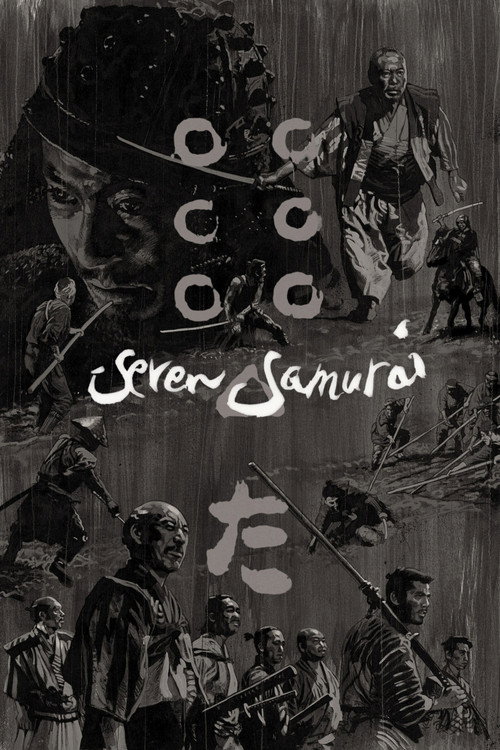
Seven Samurai1954
The film that made Kurosawa and Mifune legends before Yojimbo did. Same director, same star, same fascination with professional violence—but epic, communal, and heartbreaking where Yojimbo is lean and sardonic.
But Three and a half hours is a real commitment, and the tone is far more solemn than Yojimbo's shrug.
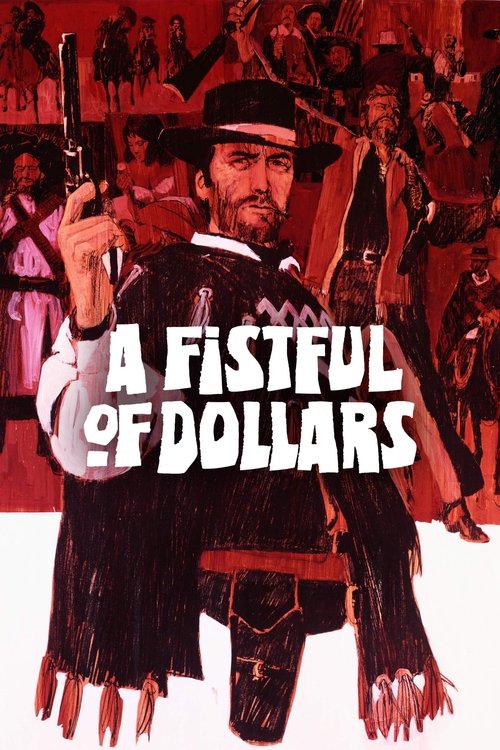
A Fistful of Dollars1964
Sergio Leone lifted Yojimbo's plot almost scene for scene and dressed it in dust and ponchos, launching Clint Eastwood and the entire spaghetti western genre in the process.
But Kurosawa sued for a reason—it's close enough to feel like watching the same joke told twice.
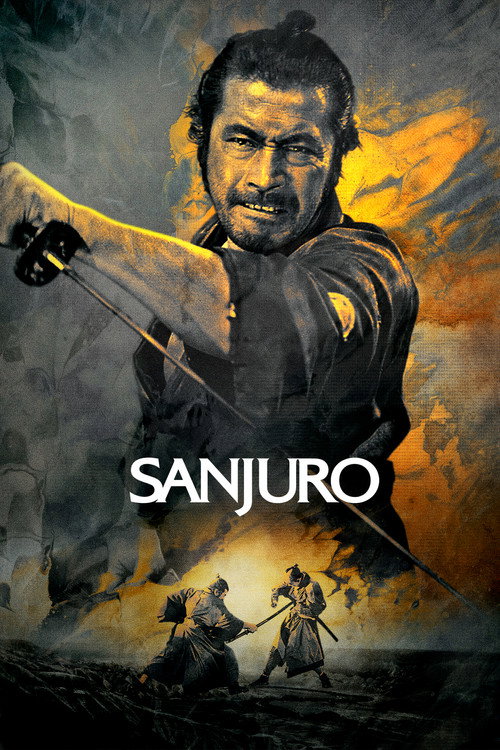
Sanjuro1962
The direct sequel, same character and weary genius, but looser and funnier—Mifune finally gets to be openly delighted with himself instead of just quietly amused.
But It leans comic where Yojimbo stayed cool and detached, so some of the original's bite is gone.
The wildcard
Something you would not have found on your own.
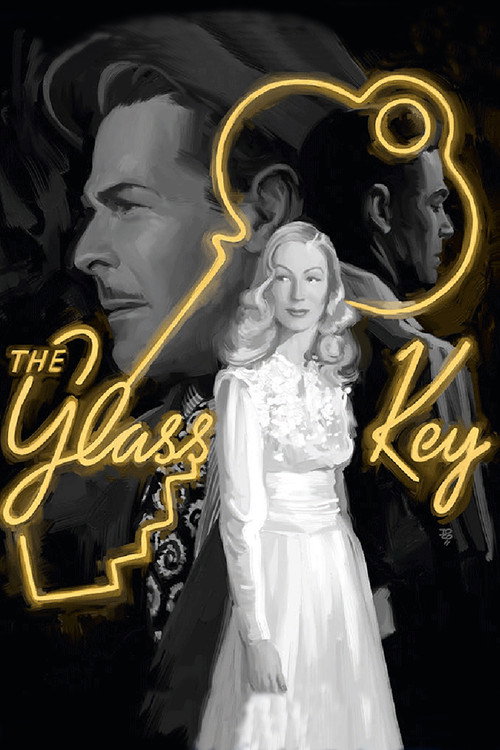
The Glass Key1942
Kurosawa cited Dashiell Hammett's plotting, filtered through this noir adaptation, as the direct model for Sanjuro's trick of turning two crime bosses against each other.
A lean, shadowy noir starring Alan Ladd as a fixer caught between a corrupt political boss and the gangster gunning for him—reportedly the very story Kurosawa reworked into Yojimbo's game of playing two sides against each other.
But It's stagey, dated, and moves at 1940s Hollywood pace—no samurai, no swagger, just clipped dialogue.
More like this (8)
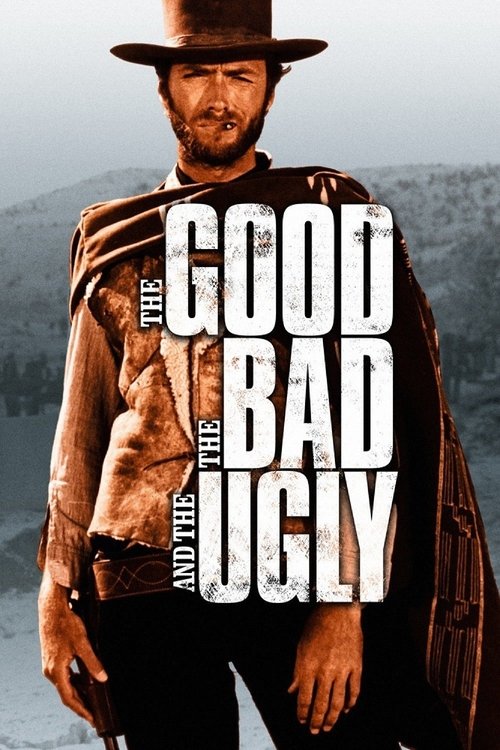
The Good, the Bad and the Ugly1966
Leone's masterpiece takes the three-way con at the heart of Yojimbo and blows it out to operatic, three-hour scale, with Eli Wallach as the greasiest opportunist in cinema.
But It's a very different rhythm—expansive, mythic, and considerably longer than Kurosawa's lean original.
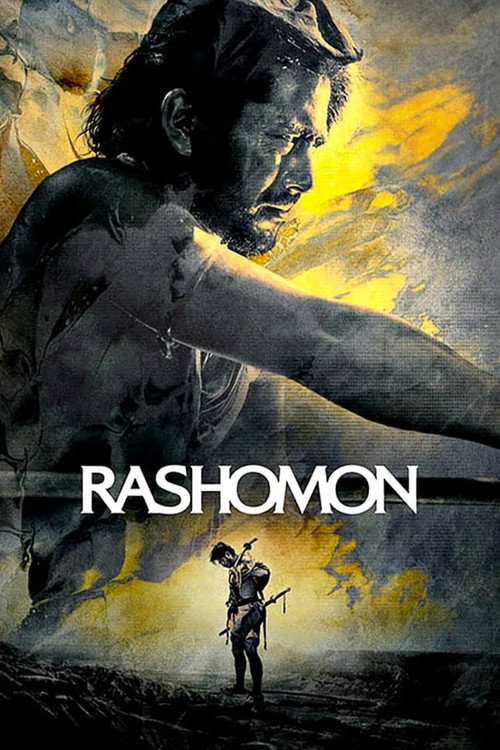
Rashomon1950
Kurosawa and Mifune again, this time picking apart truth itself through four contradictory accounts of one crime—proof the director could be formally daring as well as cool.
But There's no swaggering antihero to enjoy here, just a puzzle about how unreliable people are.
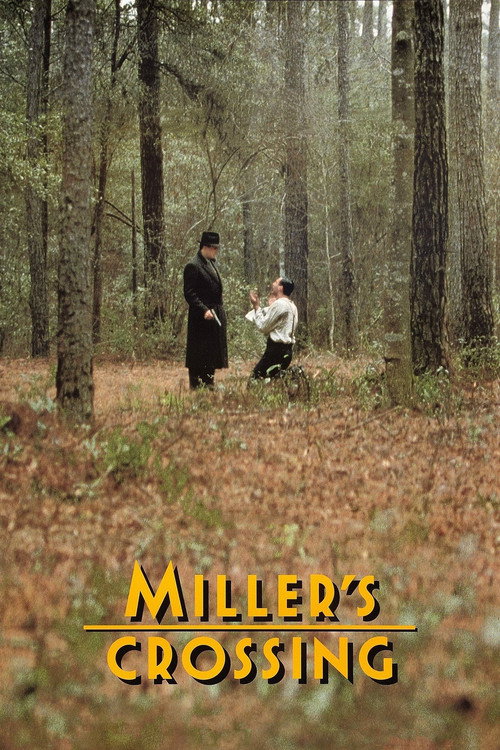
Miller's Crossing1990
The Coen brothers' gangster noir runs on the same engine as Yojimbo—a sharp operator manipulating two warring crime bosses—filtered through Prohibition slang and expensive hats.
But The plotting is dense and talky where Yojimbo just watches things burn; you'll want to pay close attention.
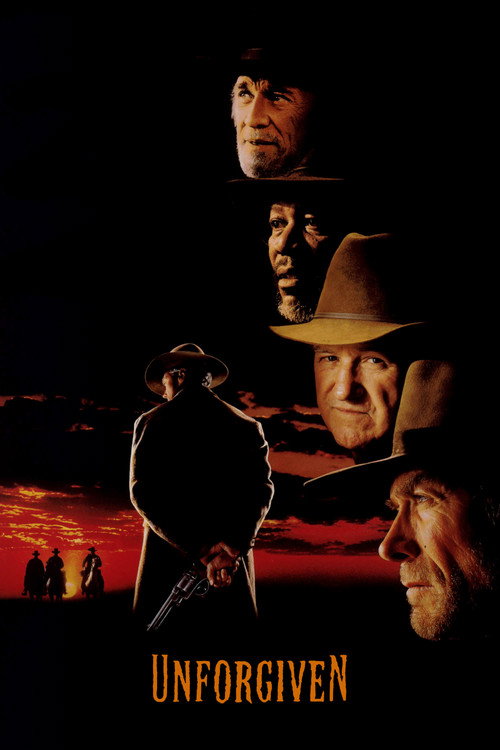
Unforgiven1992
Eastwood's late-career western argues with the cool violence he once embodied, asking what killing actually costs a person—the exact question Yojimbo shrugs off with a smile.
But It's mournful and deliberately slow, arguing against the very cool violence that Yojimbo so plainly enjoys.
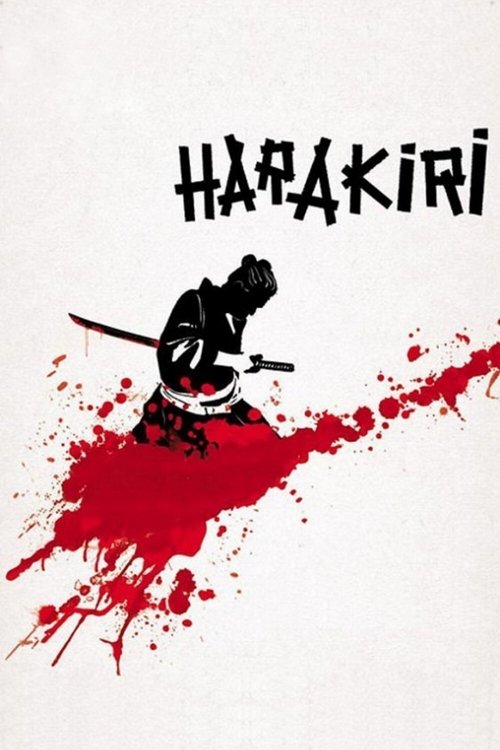
Harakiri1962
Kobayashi's samurai film came out the same year as Sanjuro and answers Yojimbo's swagger with fury—a devastating attack on the whole samurai code Mifune's ronin treats as a joke.
But It's slow-burning and genuinely upsetting, with none of the wit that softens Yojimbo's violence.
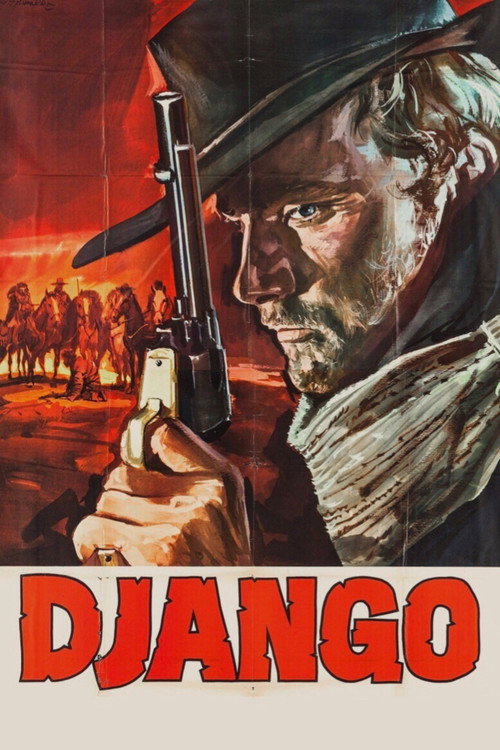
Django1966
One of the pulpiest, bloodiest spaghetti westerns Yojimbo's success made possible—mud, machine guns, and a coffin-dragging antihero with none of Kurosawa's restraint.
But It's cheap, violent, and gleefully trashy where Yojimbo stays controlled and precise throughout.
Sukiyaki Western Django2007no page yet
It's the lineage of Yojimbo run to its trashiest, most self-conscious extreme—the samurai-western fusion Kurosawa started, now fully aware of its own absurdity and having a blast with it.
Takashi Miike's berserk, English-language homage to spaghetti westerns and samurai films crams gunfights, sword duels, and Quentin Tarantino in a cowboy hat into a gloriously trashy, self-aware descendant of everything Yojimbo made possible.
But It's deliberately garish, often nonsensical, and played entirely for camp rather than coherence.
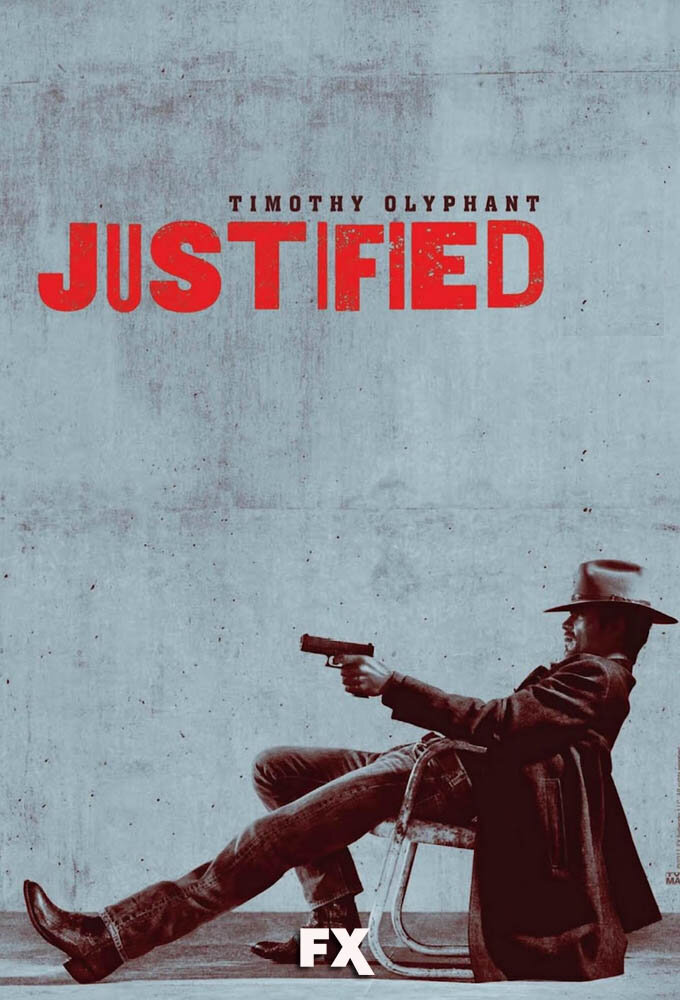
Justified2010
Same structural trick—a lone, skilled operator manipulating two rival criminal factions toward mutual destruction for his own reasons—stretched from one town and one afternoon into a whole modern crime saga.
Raylan Givens is a lawman with a hat, a code, and no patience for either of the crime families running his corner of Kentucky, so he plays them off each other with the same dry, dangerous cool Sanjuro brings to a village of thieves.
But It's six seasons long and serialized, a real commitment next to Yojimbo's tight two hours.
People
Cast
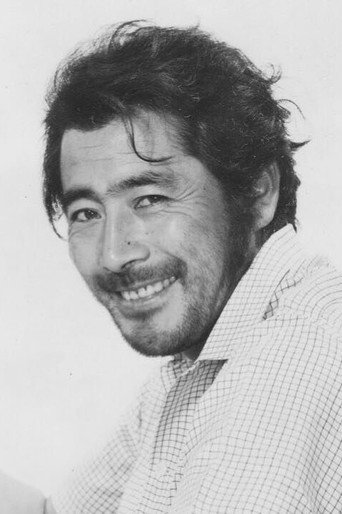 Toshirō MifuneSanjuro Kuwabatake / The Samurai
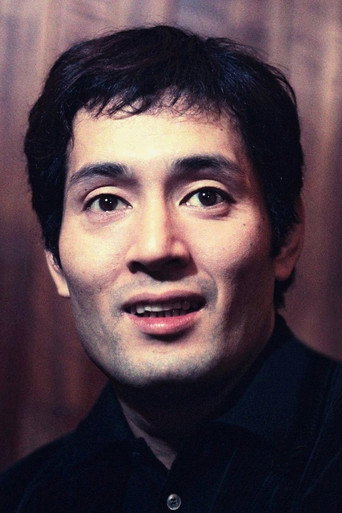 Tatsuya NakadaiUnosuke, gunfighter
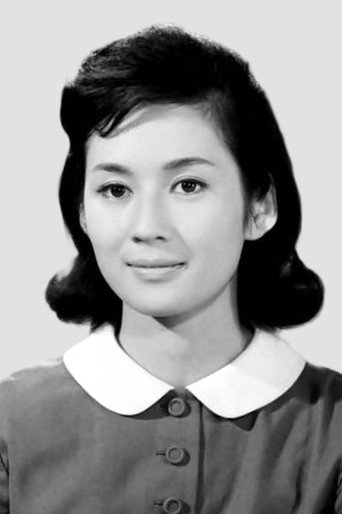 Yōko TsukasaNui
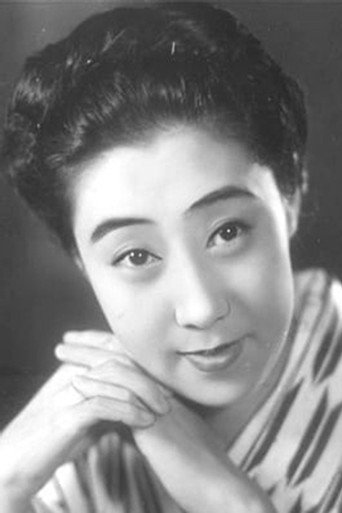 Isuzu YamadaOrin
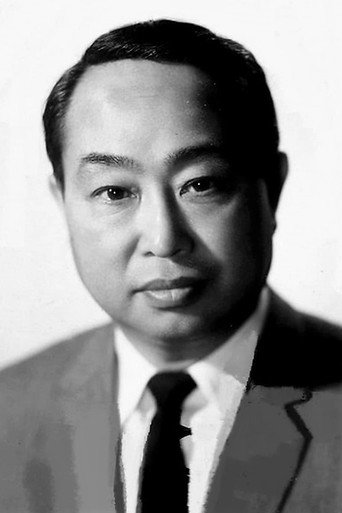 Daisuke KatōInokichi
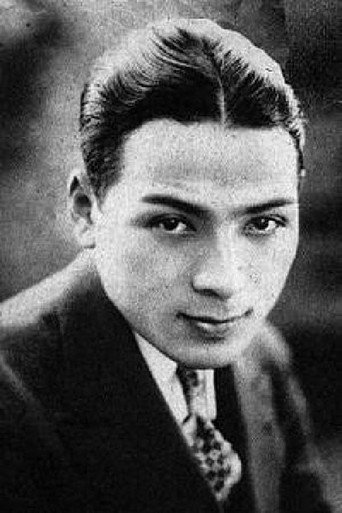 Seizaburō KawazuSeibê - brothel operator
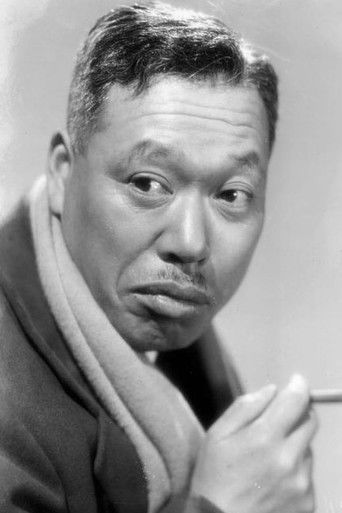 Takashi ShimuraTokuemon, sake brewer
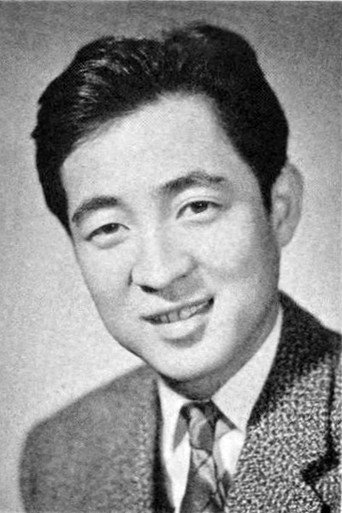 Hiroshi TachikawaYoichiro
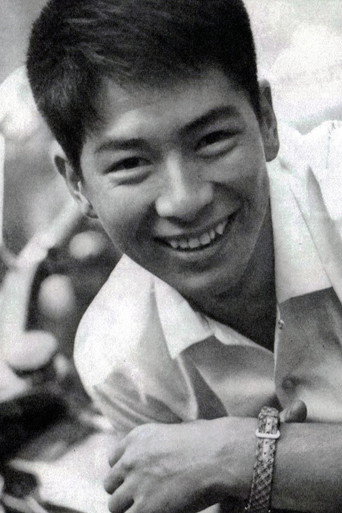 Yōsuke NatsukiKohei's Son
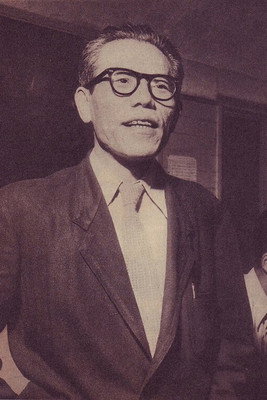 Eijirō TōnoGonji, Tavern Keeper
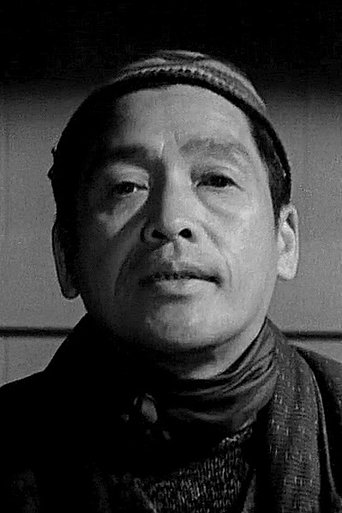 Kamatari FujiwaraTazaemon
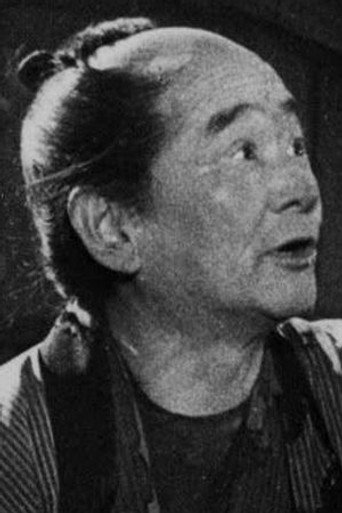 Ikio SawamuraHansuke
Directing
- Masanobu DemeAssistant Director
- Shirō MoritaniAssistant Director
- Akira KurosawaDirector
- Teruyo NogamiScript Supervisor
Writing
- Akira KurosawaScreenplay
- Ryuzo KikushimaScreenplay
Production
- Ryuzo KikushimaExecutive Producer
- Tomoyuki TanakaExecutive Producer
- Akira KurosawaProducer
- Hiroshi NezuProduction Supervisor
Recommended by
Lone Wolf and Cub: Sword of Vengeance, The Hidden Fortress, Seven Samurai, Le Samouraï, Gangs of New York, A Fistful of Dollars, Samurai Champloo, Sanjuro, Miller's Crossing, Army of Darkness, 13 Assassins, Sword of the Stranger, The Mark of Zorro, Kagemusha, The Man Who Shot Liberty Valance, Destry Rides Again, El Dorado, Tombstone, The Good, the Bad and the Ugly, For a Few Dollars More, Django, Man on Fire, Harakiri, The Tale of Zatoichi, The Great Silence, My Darling Clementine, 3:10 to Yuma, The Sword of Doom, Bad Day at Black Rock, Samurai Rebellion, A Bittersweet Life, Mad Max 2, Blue Eye Samurai, Ghost Dog: The Way of the Samurai, Rurouni Kenshin Part I: Origins