
Film
The Enforcer
Other titles called The Enforcer: the 1976 film.
A taut 1951 noir about an ADA racing to protect his star witness against a ruthless criminal organization. Bogart brings weary intensity to a procedural that's lean, unsentimental, and built on the texture of institutional power—how leverage works, how cases are made, how fragile justice can be when enemies control the streets.
If you liked this
In a Lonely Place1950
Bogart as a volatile Hollywood screenwriter accused of murder, navigating suspicion and paranoia. Ray's direction makes every room feel like a trap; the film trusts viewers to sit with ambiguity and psychological damage.
But The plot meanders by design. If you need propulsive momentum or clear answers, this will frustrate you.

The Killers1946
Burt Lancaster's boxer-turned-fugitive and the insurance investigator chasing him through a fractured narrative. Siodmak's visual language influenced every noir that followed—this is where the grammar comes from.
But The non-linear structure was innovative in 1946 but now feels familiar. Some viewers find the frame story dated.

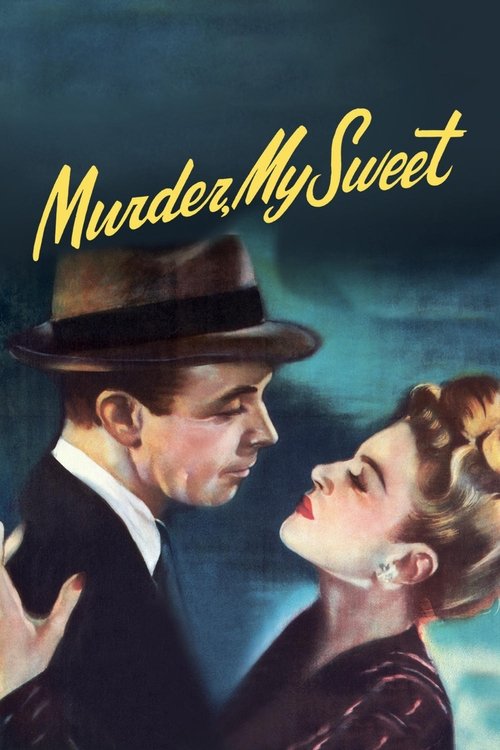
Murder, My Sweet1944
Dick Powell—a former song-and-dance man—as a cynical private eye in Dmytryk's masterwork. The twisting plot, the femme fatale, the moral quicksand: this is noir at its most intoxicating and cruel.
But It's a puzzle that demands attention. Look away and you'll lose the thread.
Not sure tonight? Get a pick in a minute, starting from The Enforcer
The wildcard
Something you would not have found on your own.
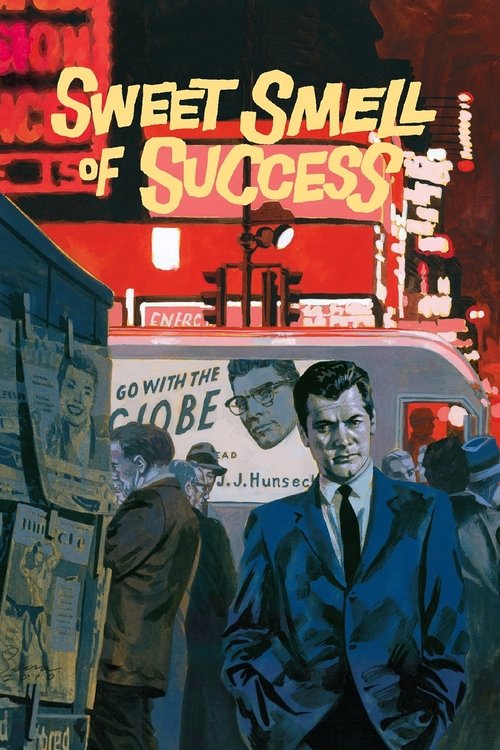
Sweet Smell of Success1957
Both films examine how power operates through institutions—law, crime, media—and how individuals become pawns in larger systems indifferent to their humanity.
Mackendrick's coruscating portrait of power in New York: a gossip columnist and a press agent locked in mutual destruction. The dialogue is baroque and poisonous; every character is rotten in a different shade. It's *The Enforcer*'s spiritual successor—institutional corruption but filtered through pure venom.
But The worldview is nihilistic and claustrophobic. Nobody wins or grows. If you need moral clarity or redemption, this will feel suffocating.
More like this (6)
The Asphalt Jungle1950
Huston's heist template—focused, professional, doomed. A methodical look at criminals as blue-collar workers, flawed and human. Launched a dozen film types and still moves like a piston.
But Some '50s attitudes toward women and race haven't aged gracefully. The pacing is deliberate, not kinetic.

The Killing1956
Kubrick's fractured chronology and cold-eyed view of a racetrack job that falls apart. Small budget, vast ambition, and Elmer Bernstein's score cuts like a knife. Everyone involved feels desperate.
But The low budget shows in the performances; some scenes feel flat. The fractured timeline can seem like affectation on first viewing.

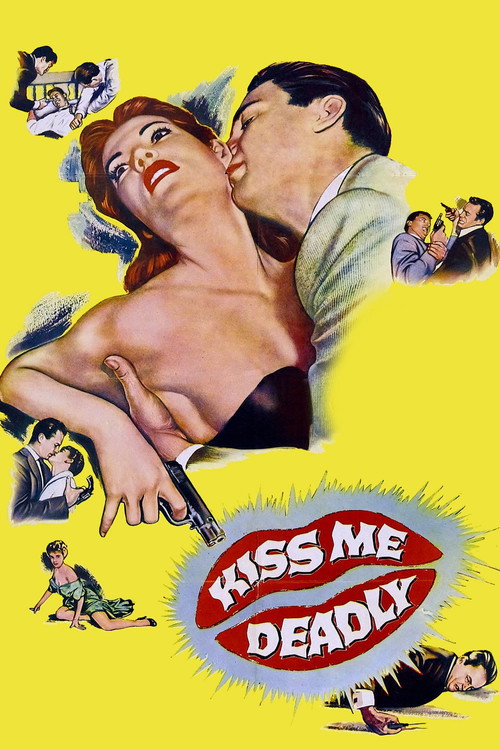
Kiss Me Deadly1955
Aldrich's savage Mike Hammer, Vivian Vosper as the sultry mystery, and a finale that spirals into atomic-age dread. It corrupts the detective formula into something genuinely unsettling and strange.
But Hammer is an oaf and often repellent. The ending's apocalyptic tone feels misaligned with the pulp setup.
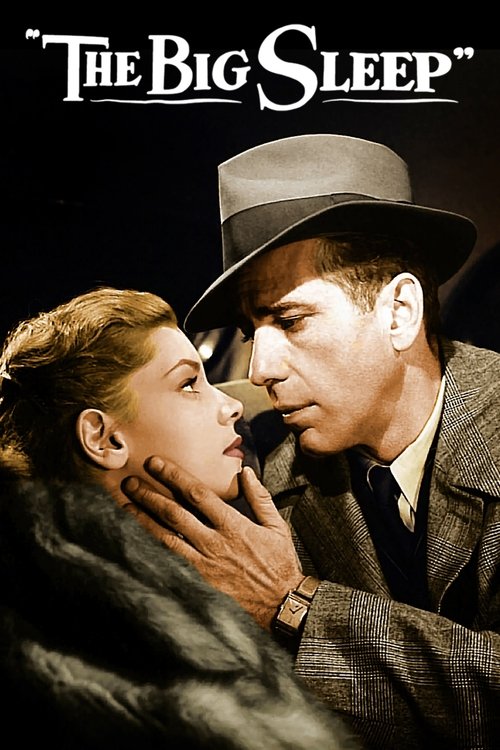
The Big Sleep1946
Bogart and Bacall again, but this time the plot barely matters. Hawks' direction is pure rhythm; it's about banter, attraction, and two actors who understand the camera better than they understand the script.
But The mystery is genuinely incoherent—nobody, including Hawks, knows who killed the chauffeur. If plot clarity matters to you, this is maddening.
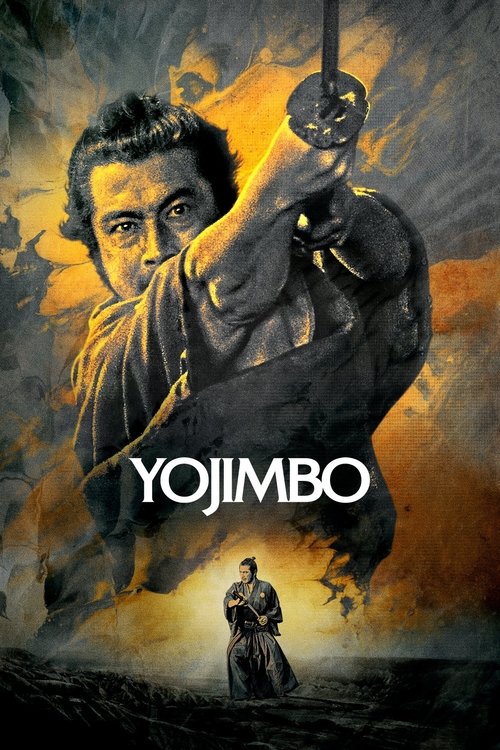
Yojimbo1961
Both center on a lone operator moving through a landscape controlled by criminals, using bureaucratic or physical leverage to survive without being corrupted. Both ask: can you stay clean by playing dirty?
Kurosawa's samurai-as-mercenary plays two criminal gangs against each other in a corrupt village. Toshiro Mifune's swagger and cynicism, the economy of violence, the refusal to pick sides. Transplants the noir's moral exhaustion to feudal Japan with startling clarity.
But Subtitles; the pacing is deliberate. Kurosawa's compositions demand patience. If you want violence, not meditation on violence, this won't satisfy.
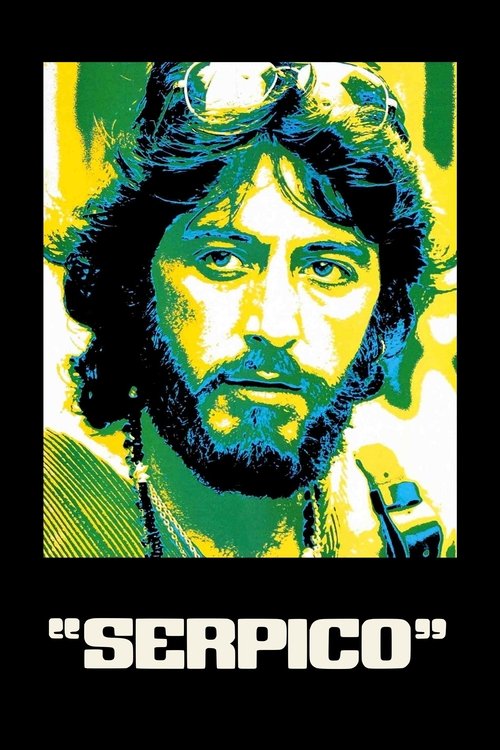
Serpico1973
Both are about men trying to make cases against institutional power, but Serpico shows what happens when the institution fights back. Where Ferguson's ADA succeeds, Serpico learns that winning in court means losing in the city.
Pacino's Serpico is *The Enforcer*'s inversion: a cop inside a corrupt system who refuses to compromise, forced to testify against his own department. Lumet's New York is grimy and exhausted. It's a procedural that becomes a tragedy.
But It's a 1970s film with a 1970s pace—long and political. Pacino's idealism can read as self-righteous. The system wins anyway, which some find depressing rather than clarifying.
People
Cast
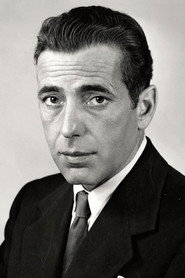 Humphrey BogartADA Martin Ferguson
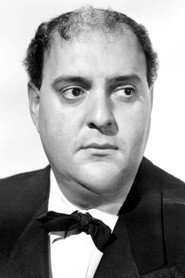 Zero Mostel'Big Babe' Lazich
 Ted de CorsiaJoseph 'Joe' Rico
 Everett SloaneAlbert Mendoza
 Roy RobertsCaptain Frank Nelson
 Michael TolanJames 'Duke' Malloy
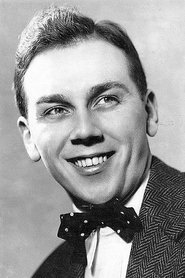 King DonovanSergeant Whitlow
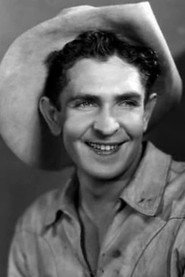 Bob SteeleHerman
 Adelaide KleinOlga Kirshen
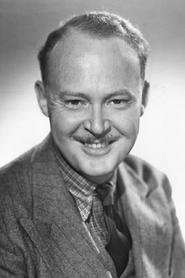 Don BeddoeThomas O'Hara
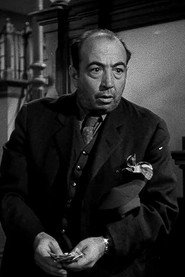 Tito VuoloTony Vetto
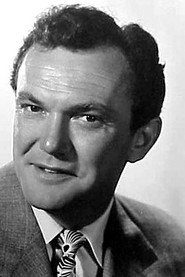 John KelloggVince
Directing
- Bretaigne WindustDirector
- Raoul WalshDirector
Writing
- Martin RackinScreenplay
Production
- Milton SperlingProducer