
Film
Serpico
Sidney Lumet's 1973 film is the origin story for every alienated-cop drama that followed: Al Pacino, all beard and righteous fury, as the real-life officer who refused to take bribes and paid for it in isolation rather than bullets. It's less thriller than slow-burn character study — the corruption is procedural, the courage is exhausting, and nobody claps at the end.
If you liked this
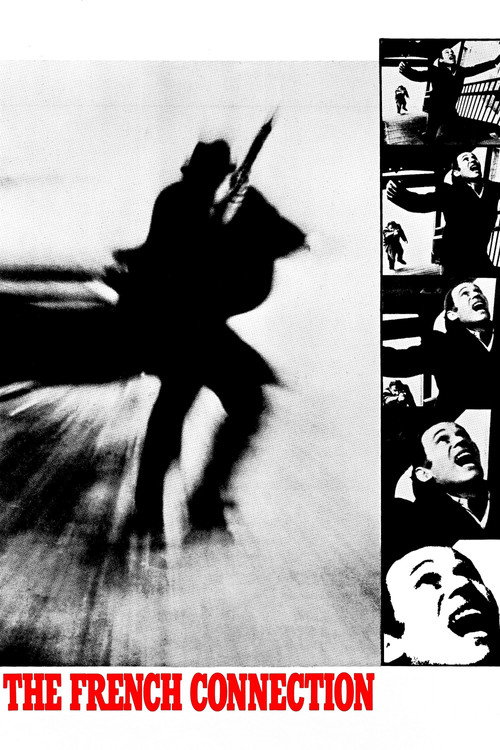
The French Connection1971
Same city, same decade, same moral rot — but here the cops are the ones cutting corners rather than exposing them, all shot with documentary grit and a chase scene that still terrifies.
But Popeye Doyle is charismatic but genuinely unpleasant; there's little of Serpico's moral clarity to root for.
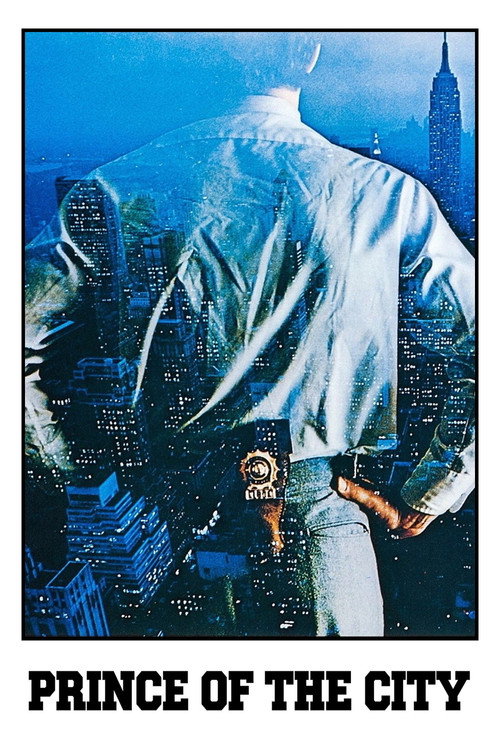
Prince of the City1981
Lumet returns to the same terrain with a real NYPD informant, stretching the story to nearly three hours of bureaucratic dread — the closest thing to a spiritual sequel to Serpico.
But It's long, talky, and deliberately unglamorous; the emotional payoff is quieter than Serpico's.
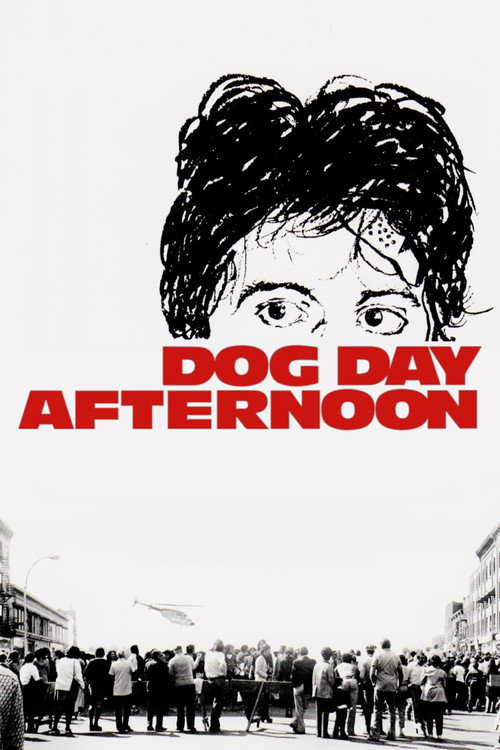
Dog Day Afternoon1975
Pacino and Lumet again, trading righteous anger for chaotic desperation in a bank robbery that spirals into a media circus — proof both men could do comedy-adjacent tragedy too.
But Its tone swings between farce and heartbreak in ways that can feel jarring if you want another straight drama.
The wildcard
Something you would not have found on your own.
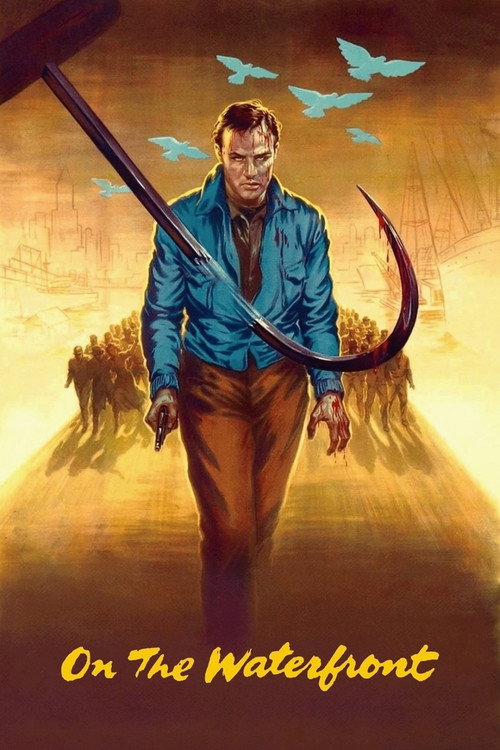
On the Waterfront1954
Both are stories of a man who breaks the code of silence within a corrupt institution he loves, and pays socially for choosing truth — On the Waterfront wrote that story first, in black and white, decades before Lumet filmed it as fact.
Brando's longshoreman turns informer against union corruption two decades before Serpico existed — the moral architecture is identical: one man's conscience versus the whole crooked brotherhood that raised him.
But The studio-era melodrama and Method-acting theatrics feel far more heightened than Serpico's gritty realism.
More like this (8)
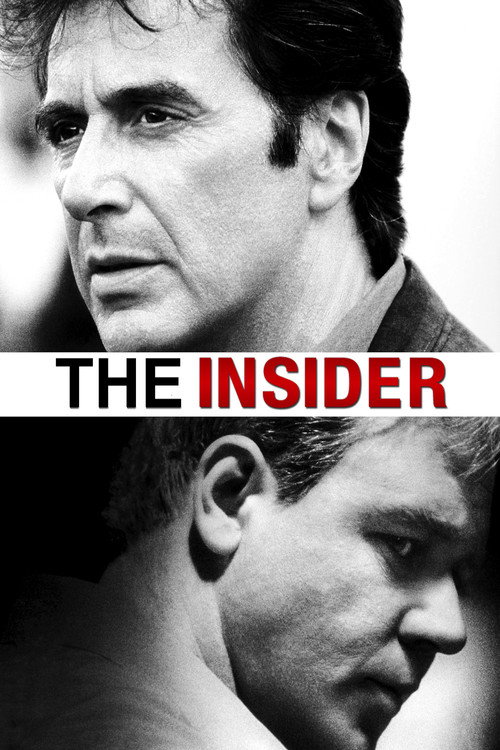
The Insider1999
Al Pacino again, this time as the journalist rather than the whistleblower, in a tense corporate thriller about an executive risking everything to tell the truth on television.
But It trades street-level grit for boardrooms and lawyers; the stakes are institutional rather than physically dangerous.
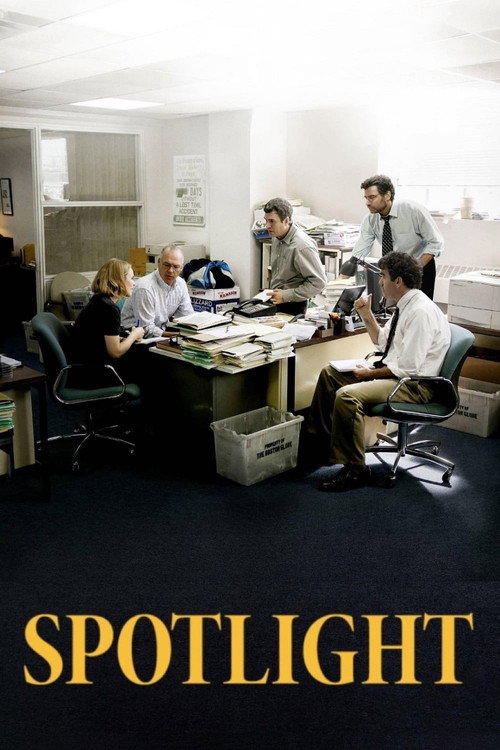
Spotlight2015
A quieter, more procedural whistleblower story — journalists instead of cops, uncovering institutional abuse with patience rather than confrontation, and it deservedly won Best Picture.
But There's no Pacino-style eruption here; it's methodical and low-key almost to a fault.
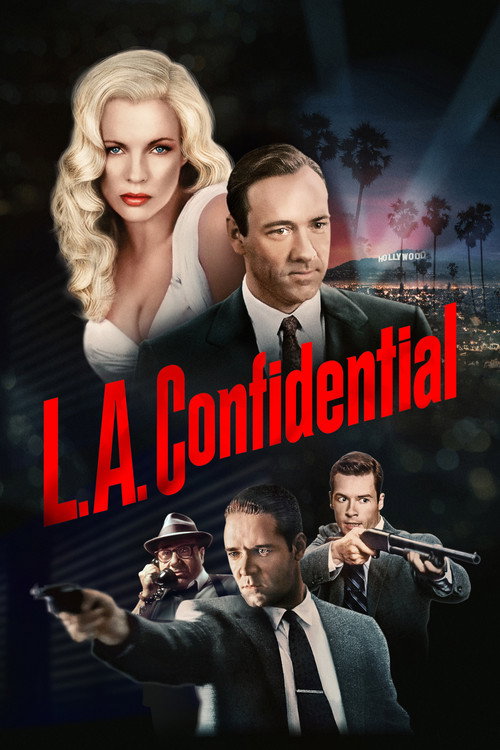
L.A. Confidential1997
A glossy, noir-soaked vision of police corruption in 1950s Los Angeles, with three cops navigating the same rotten system from wildly different angles.
But It's stylised and plot-heavy where Serpico is raw and character-driven — more puzzle box than character study.
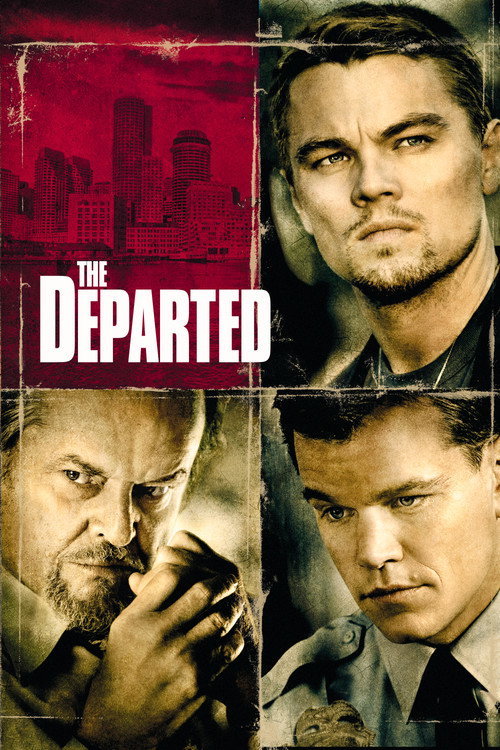
The Departed2006
Scorsese swaps whistleblowing for double agents, but the paranoia of not knowing who you can trust inside the department feels like Serpico's nightmare turned up to eleven.
But It's flashier and bloodier, with a plot-mechanics energy that's the opposite of Serpico's slow dread.
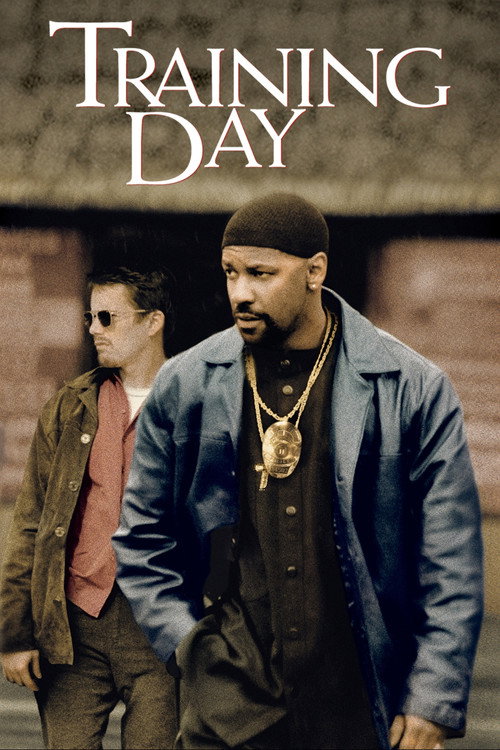
Training Day2001
Flip Serpico's premise: an idealistic young cop paired with a corrupt veteran who tries to pull him in, rather than push him out — a tense modern mirror.
But It's pulpier and more theatrical, closer to thriller than the sober realism of Serpico.
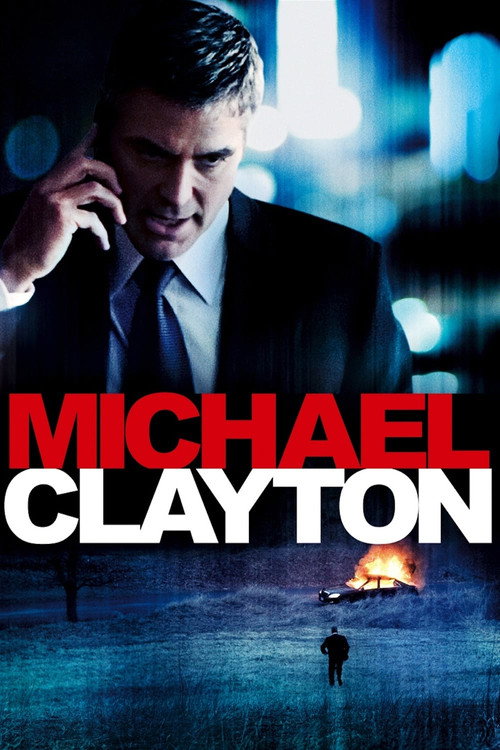
Michael Clayton2007
A lone man against a corrupt institution, but corporate law instead of policing — Clooney's fixer finds his conscience the same way Serpico did, just with better suits.
But It's cooler and more clinical; the danger here is legal and psychological rather than physical.
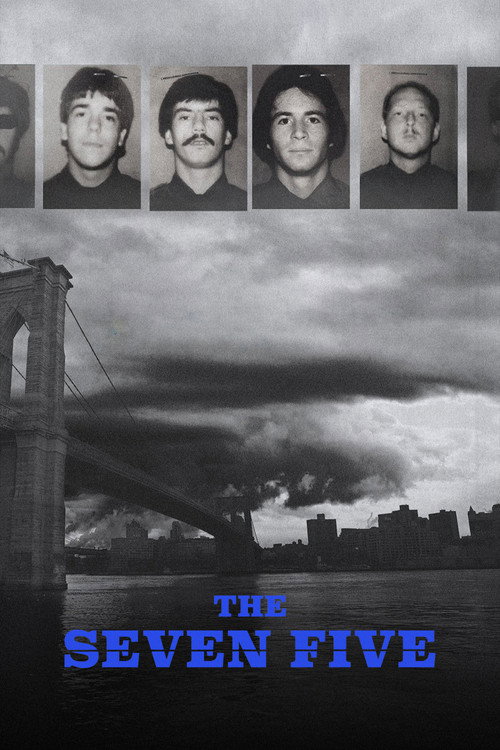
The Seven Five2015
Same world, same force, decades later — but flipped inside out: instead of watching a good cop expose bad ones, you watch a bad cop explain, cheerfully, exactly how it's done.
A documentary about the dirtiest cop in NYPD history, told almost entirely in his own unrepentant words — it's the corruption Serpico exposed, but narrated proudly by the man living inside it.
But There's no hero here, and the subject's charisma can feel uncomfortably close to admiration.
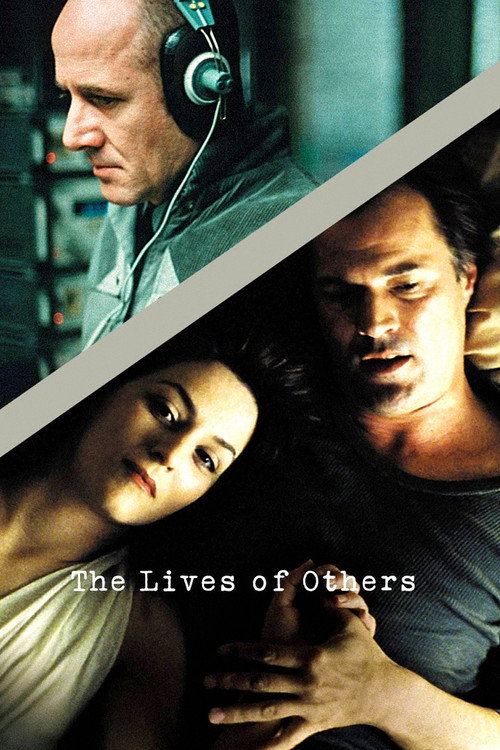
The Lives of Others2006
Where Serpico is one man risking everything to expose corruption from outside, this is a man inside a far more totalitarian system quietly choosing decency — the same question of conscience under institutional pressure, transplanted into an entirely different political register.
A Stasi surveillance officer in East Germany slowly develops a conscience about the people he's spying on — a colder cousin to Serpico's story of institutional betrayal, wrapped in Cold War dread.
But It's subtitled, slow-building, and asks patience rather than delivering Pacino-style fireworks — a very different rhythm.
People
Cast
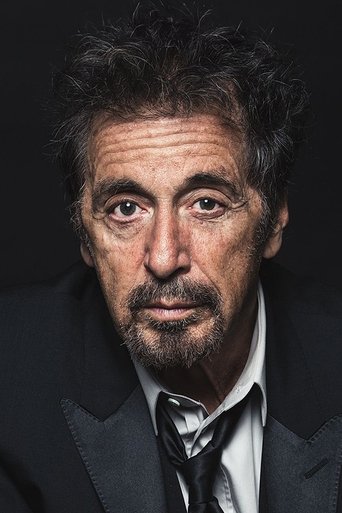 Al PacinoOfficer Frank Serpico
 John RandolphSidney Green
 Jack KehoeTom Keough
 Biff McGuireCaptain McClain
 Barbara Eda-YoungLaurie
 Cornelia SharpeLeslie Lane
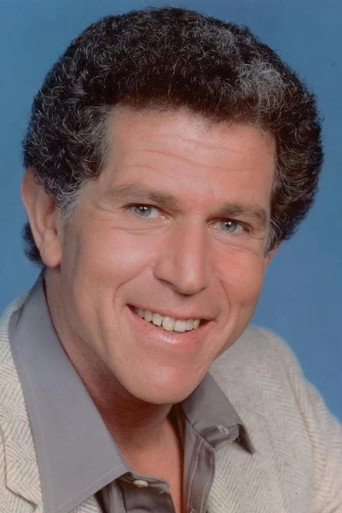 Tony RobertsBob Blair
- John MediciPasquale
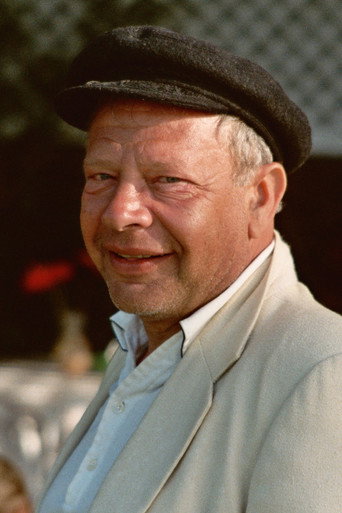 Allan RichD. A. Tauber
- Norman OrnellasRubello
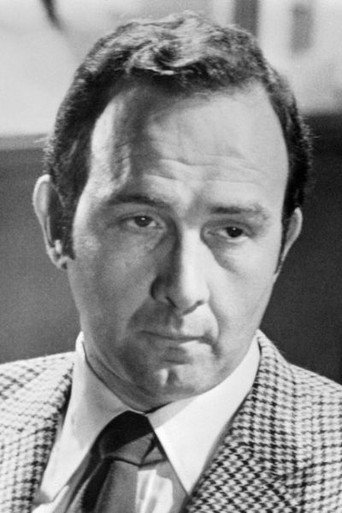 Edward GroverLombardo
 Albert HendersonPeluce
Directing
- Alan HopkinsAssistant Director
- Burtt HarrisAssistant Director
- Sidney LumetDirector
- B.J. BjorkmanScript Supervisor
Writing
- Peter MaasBook
- Norman WexlerScreenplay
- Waldo SaltScreenplay
Production
- Roger M. RothsteinAssociate Producer
- Shirley RichCasting
- Dino De LaurentiisExecutive Producer
- Dino De LaurentiisProducer
- Martin BregmanProducer
Recommended by
The Shield, Donnie Brasco, The Seven Five, Between the Lines, Bad Lieutenant, Dirty Harry, Training Day, The French Connection, Baretta, Kojak, On the Waterfront, The Infiltrator, Prince of the City, Dog Day Afternoon, Crime + Punishment, The Naked City, We Own This City, T-Men