
Television series
Baretta
A rumpled, cockatoo-owning undercover cop works Los Angeles' seediest corners in disguises and cheap suits, more street philosopher than badge-flashing tough guy. It's pure funky, synth-and-wah-wah '70s cop television: episodic, morally simple, occasionally goofy, but Robert Blake's twitchy, generous performance gives it real texture. Good for anyone nostalgic for pre-CSI policing or curious what television looked like before it got self-serious.
If you liked this
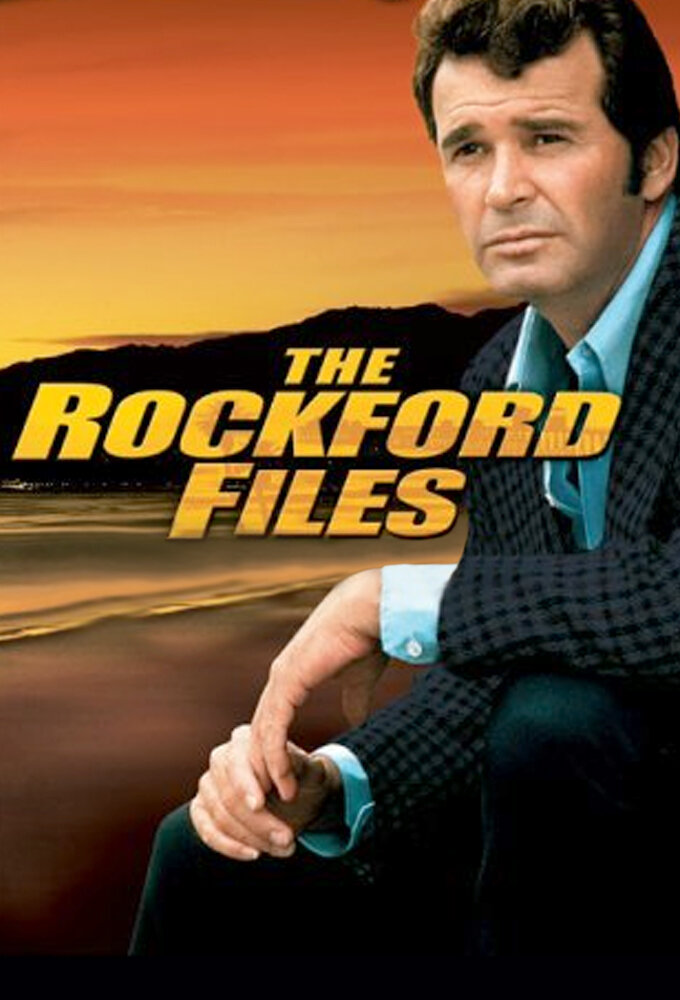
The Rockford Files1974
Same decade, same shabby apartments and rule-bent justice, but funnier and wearier — Jim Rockford is what Baretta would be if he'd been burned once too often and stopped pretending otherwise.
But Slower paced, more conversation than action; if you want fistfights every episode this isn't it.
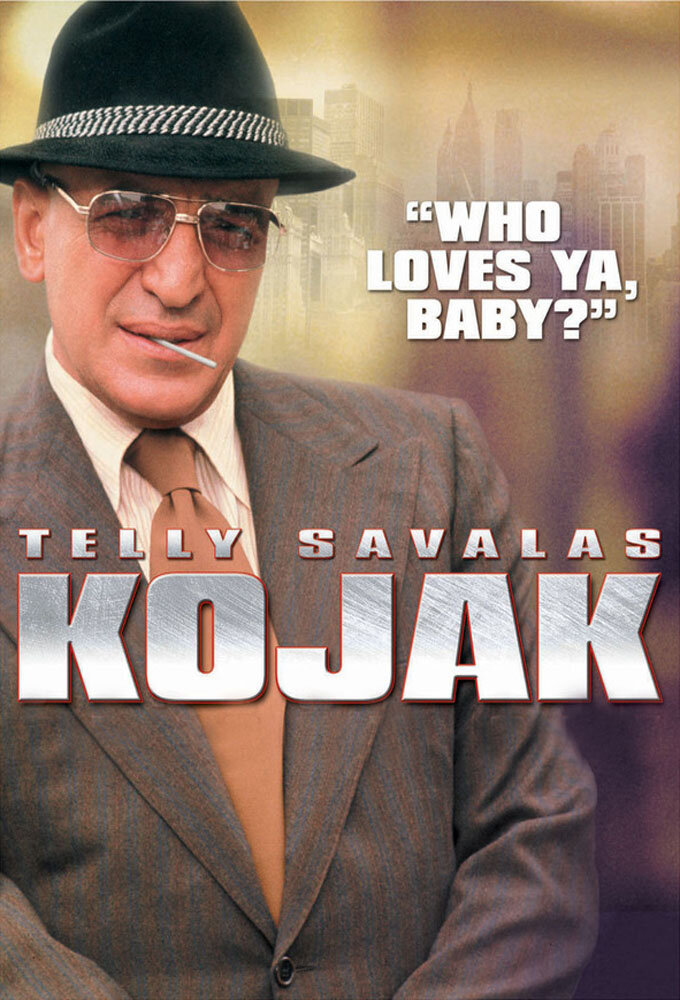
Kojak1973
Telly Savalas chewing lollipops and scenery in a grimier, more procedural New York cop show from the exact same TV moment — catchphrase-driven, streetwise, unapologetically pulpy.
But Kojak is slicker and more polished than Baretta's ragged charm; some of the grit gets sanded off.
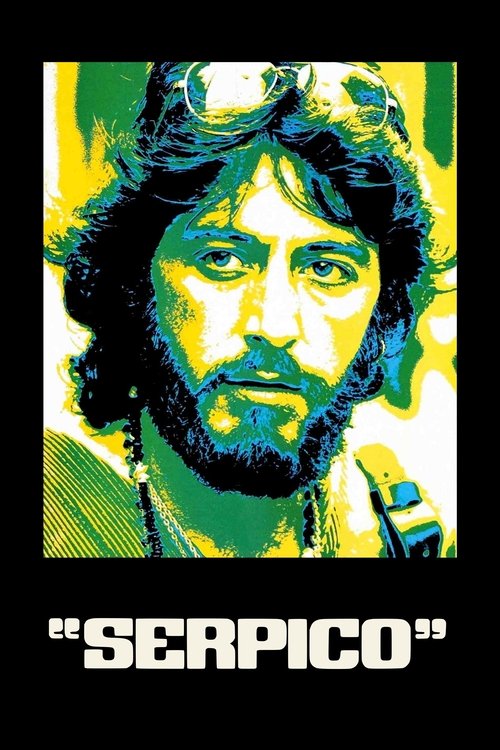
Serpico1973
The real-life undercover cop story that Baretta's whole persona is clearly borrowing from — Al Pacino, beard and all, going native inside a corrupt department.
But Far more serious and downbeat; no cockatoo, no quips, just institutional rot and a man alone in it.
The wildcard
Something you would not have found on your own.
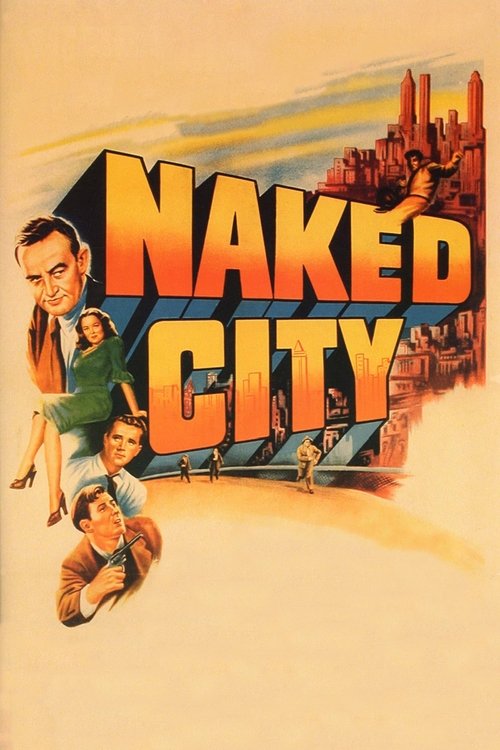
The Naked City1948
This is the ancestor of Baretta's whole aesthetic — the idea that a cop show's real star is the city itself, full of ordinary faces and 'eight million stories.' Baretta just added funk and a bird.
Shot on real New York streets with a documentary eye decades before that became fashionable, following a homicide investigation through the city's actual grime and crowds.
But Black-and-white, deliberately paced, and narrated in a style that now feels quaint and formal.
More like this (8)
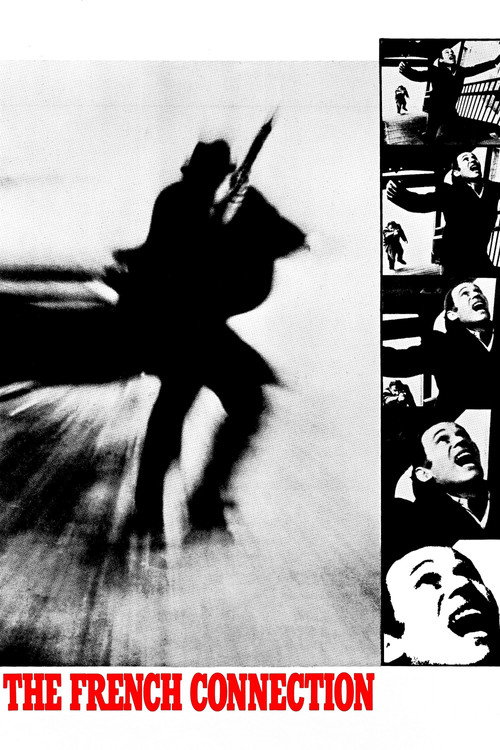
The French Connection1971
Gritty, sweaty, handheld New York policing that set the template every '70s cop show including this one was chasing — real streets, real exhaustion, no glamour.
But Cold and clinical where Baretta is warm; Gene Hackman's Popeye Doyle is far less likeable than Blake's hero.
Starsky & Hutch1975no page yet
The buddy-cop flipside of the same era — flashier car, brighter colours, more banter, less loneliness, but the same undercover street hustle and funk-driven momentum.
But Two cops instead of one changes the whole rhythm; less interior, more spectacle.
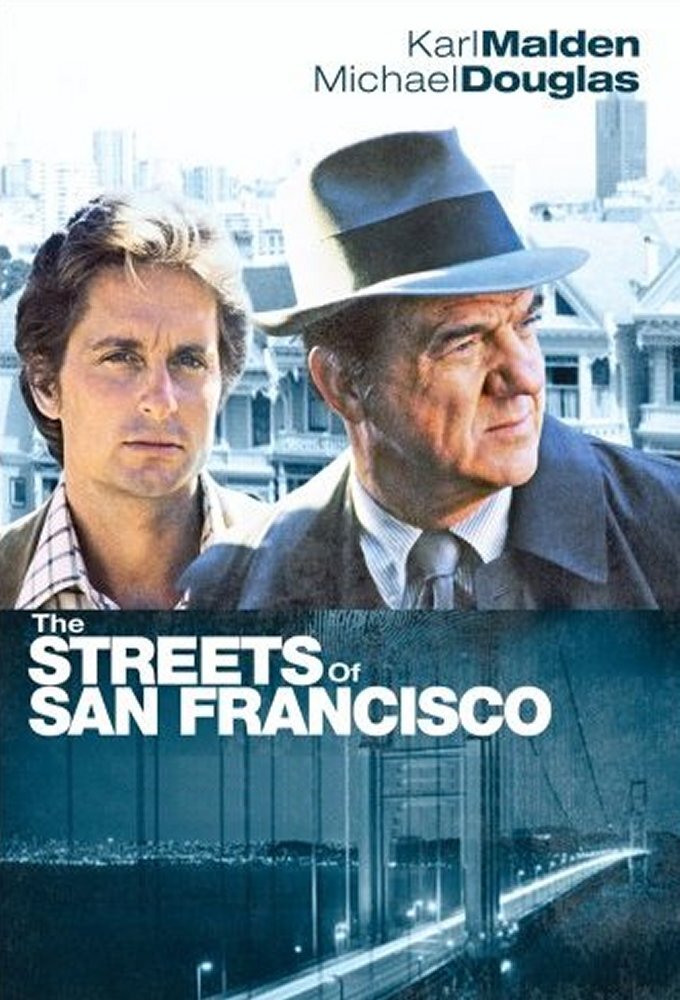
The Streets of San Francisco1972
A veteran-and-rookie detective pairing working the same kind of location-heavy, character-first cases, with Karl Malden anchoring things the way Blake does here.
But More conventional structure, less eccentric lead performance — steadier but less distinctive.
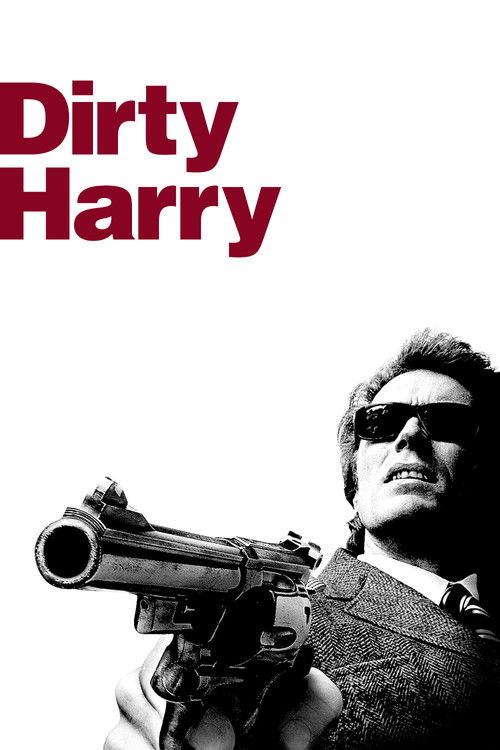
Dirty Harry1971
The blueprint for the rule-breaking loner cop who trusts his own instincts over the department — Eastwood colder and more violent than Blake, but the same DNA.
But Much harder-edged and politically blunt; none of Baretta's scrappy warmth or humour.
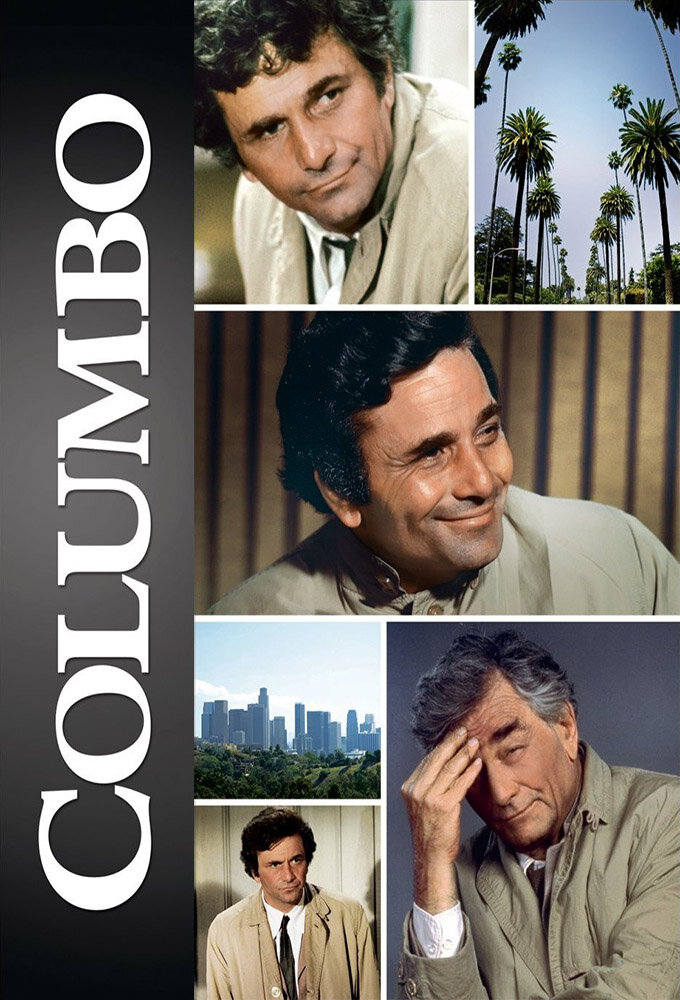
Columbo1968
Contemporary to Baretta but a total tonal swap — a rumpled, underestimated detective who wins by patience and psychology rather than fists, if you want the cerebral cousin.
But Almost no action and a fixed inverted-mystery format; very different pleasures entirely.
Hill Street Blues1981
Watch the loner-cop genre grow up — same streets and struggling precincts, but ensemble-driven, serialized, and far more interested in institutional mess than heroics.
But Slower, denser, more soap-operatic; loses the episodic simplicity that makes Baretta easy comfort viewing.
The Thin Blue Line1988
It's the sober underside of the maverick-cop myth Baretta sells nightly: what happens when the system's rule-bending goes wrong instead of righteously right.
Errol Morris's landmark documentary reconstructs a wrongful murder conviction, interrogating the same world of cops, informants, and street justice Baretta romanticizes — except this one is true and devastating.
But No heroics, no resolution to root for — it's a slow-burn indictment, not entertainment in any comfortable sense.
Reno 911!2003
Same beats, same posture, same episodic cop-of-the-week structure — just filmed as farce instead of drama, exposing how thin the line between the two always was.
A mockumentary sheriff's department show that skewers exactly the tropes Baretta plays straight — the radio chatter, the oddball partners, the improvised busts, the swagger.
But Broad, deliberately dumb comedy with no plots to speak of; if you want the genuine article played earnestly, this will feel like mockery.
People
Cast
Directing
- Art SeidelAssistant Director
- Carl BeringerAssistant Director
- John GaudiosoAssistant Director
- Larry PowellAssistant Director
- Ron MartinezAssistant Director
Writing
- Stephen J. CannellCreator
- Paul MagistrettiStory Editor
Production
- Alan GodfreyAssociate Producer
- Joseph D'AgostaAssociate Producer
- William F. PhillipsAssociate Producer
- Anthony SpinnerExecutive Producer
- Bernard L. KowalskiExecutive Producer
- Leigh VanceExecutive Producer
- Charles E. DismukesProducer
- Howie HorwitzProducer
- Jo Swerling, Jr.Producer
- Robert HarrisProducer
- Robert LewinProducer
- Howie HorwitzSupervising Producer