
Film
The Naked City
A murdered model, a wearied Irish cop, and New York City filmed as if it were the real suspect. This is the semi-documentary noir that invented a genre: real streets, a booming narrator, and a foot chase across the Williamsburg Bridge that still crackles. Watch it for the texture of 1948 Manhattan as much as the mystery — the city really is the star, and the film says so.
If you liked this
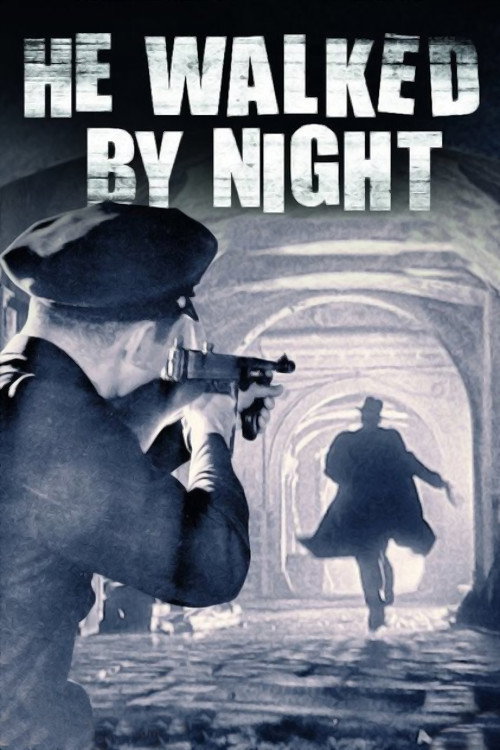
He Walked by Night1949
Same year, same semi-documentary voice-over trick, but colder and more paranoid — a manhunt for a cop-killer that quietly invented the LAPD-procedural template Dragnet would run with for a decade.
But Thinner on character than Naked City; it's more interested in method than in people.
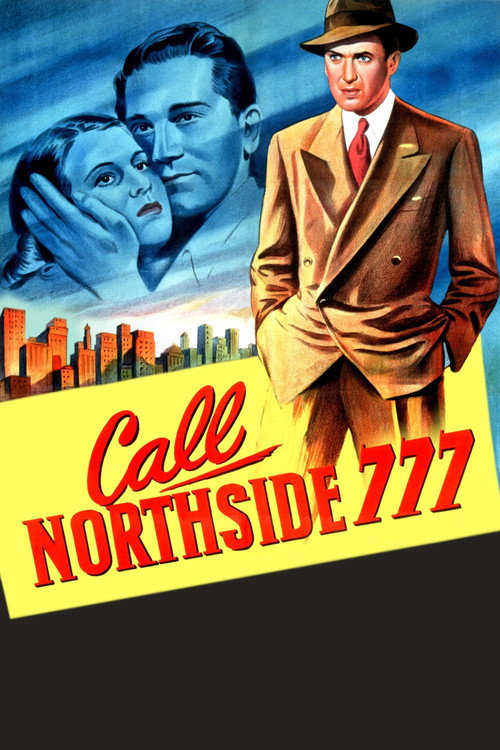
Call Northside 7771948
Jimmy Stewart as a reporter digging into a wrongful conviction, shot with the same location-heavy, ripped-from-the-files authenticity — a sibling film in the exact same postwar docu-noir wave.
But More earnest crusading drama than murder mystery; the pacing is stately rather than propulsive.
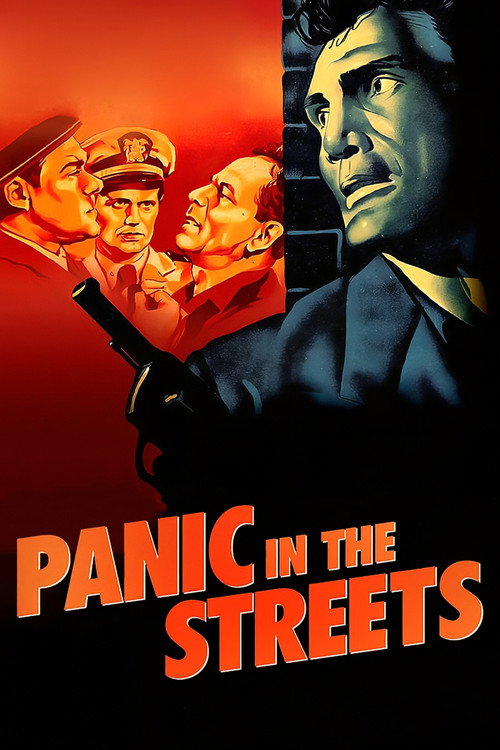
Panic in the Streets1950
Elia Kazan turns a New Orleans manhunt into something close to a public-health thriller, with the same sweaty, real-location urgency and a killer running out of time.
But The plague-outbreak angle gives it a different, more anxious engine than a straightforward whodunit.
The wildcard
Something you would not have found on your own.
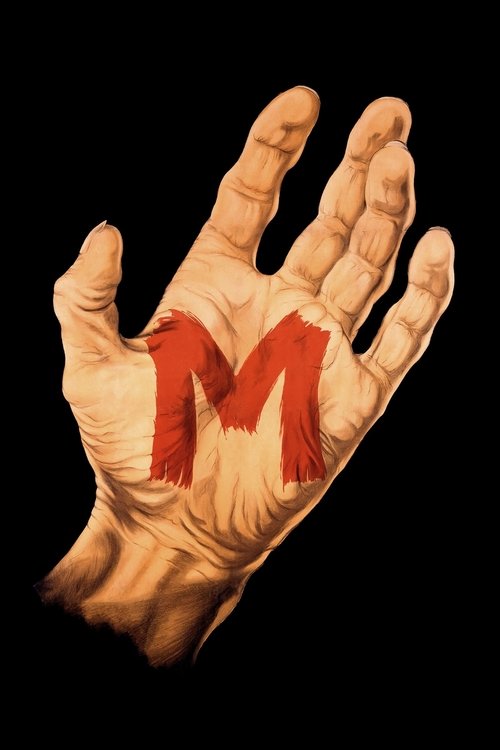
M1931
It's the blueprint: the first film to treat a city's police machinery and its criminal underworld as two organisms hunting the same man, which is exactly Naked City's structure two decades on.
Fritz Lang's manhunt for a child killer, seventeen years before Naked City, already has the citywide dragnet, the underworld and police working parallel tracks, and streets that feel lived-in rather than sketched.
But Silent-era pacing and a subject matter (child murder) that's genuinely grim, not entertainment-grim.
More like this (8)
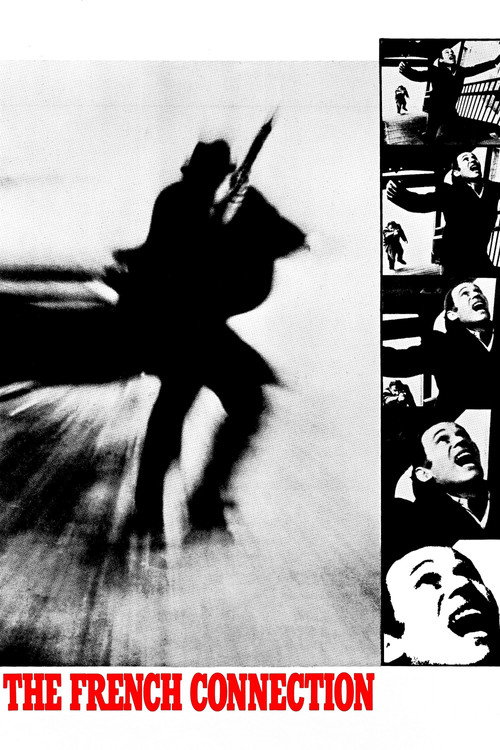
The French Connection1971
Take the location shooting and procedural grind of Naked City and crank the grime and speed up twenty years later — still New York, still cops walking pavement, now with the century's best car chase.
But Nastier and more amoral; there's little of the older film's warmth or narrator's fondness for the city.
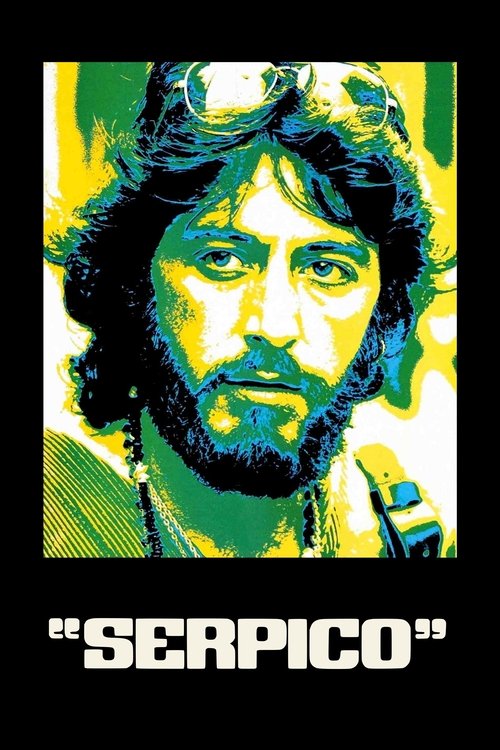
Serpico1973
Al Pacino as a real NYPD detective, shot on the actual streets, for anyone who wants the department procedure without the tidy resolution — messier, angrier, true.
But It's about corruption inside the force, not a single case, so the detective-story pleasures are secondary.
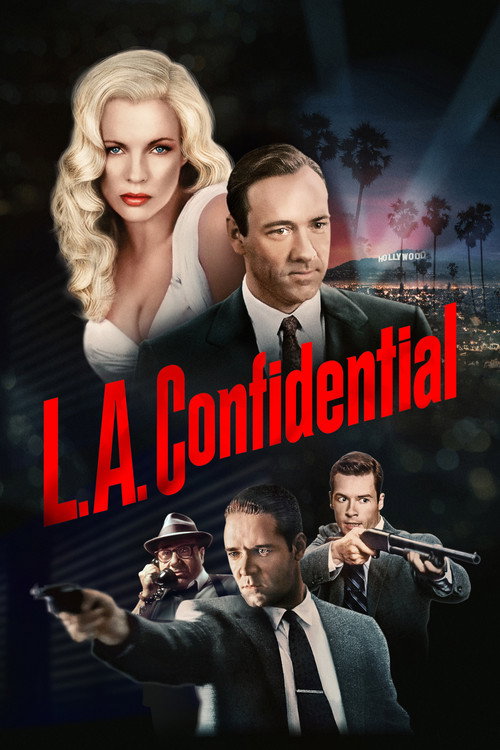
L.A. Confidential1997
A glossy, novelistic descendant that keeps the period-procedural DNA but layers in three cops, studio-era Hollywood corruption, and a plot that keeps folding back on itself.
But Much more baroque and plotted; the pleasure is intricacy, not the plainness Naked City prizes.
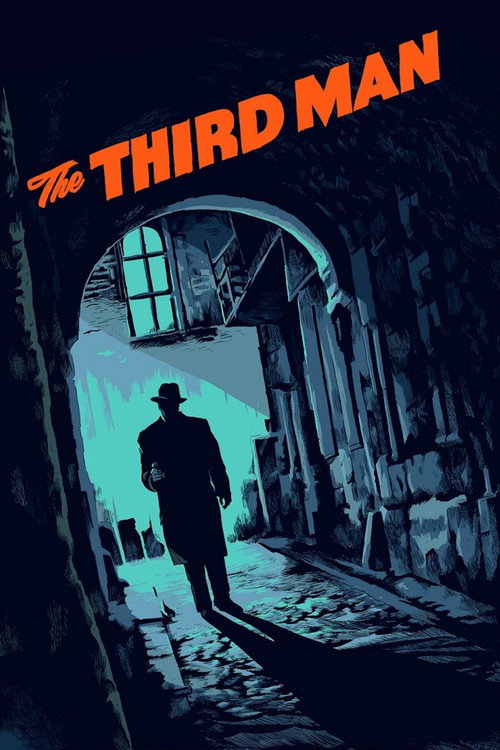
The Third Man1949
Another postwar city shot as a character — Vienna's rubble and sewers instead of Manhattan's rooftops — with the same sense that the setting is doing half the storytelling.
But Stranger and more expressionist; it's after atmosphere and betrayal more than procedural accuracy.
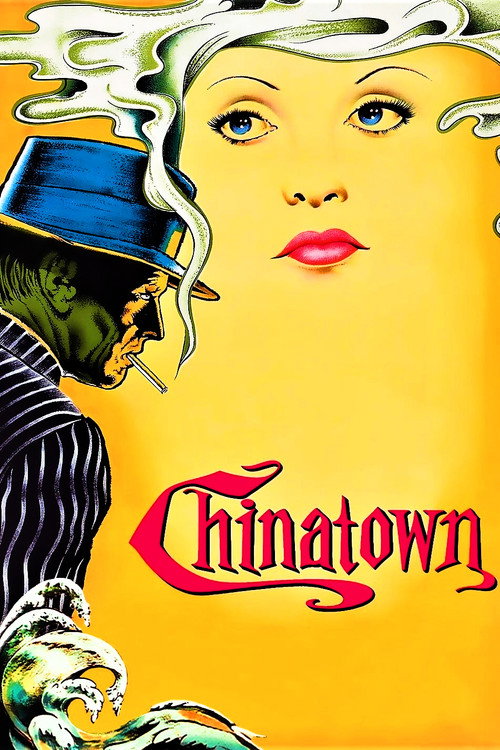
Chinatown1974
If you liked watching a detective peel back a city's polite surface to find rot underneath, here's the genre's most devastating version, set in 1930s Los Angeles.
But Far bleaker and more cynical about what investigation can actually fix.
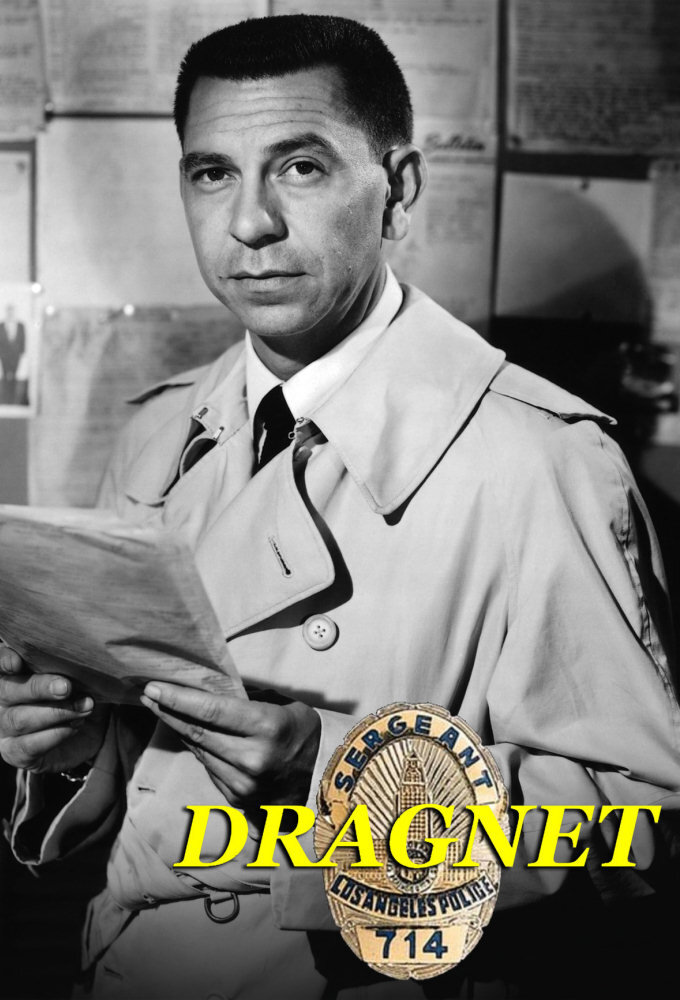
Dragnet1951
The direct TV descendant — flat, factual, badge-number narration lifted almost wholesale from Naked City's playbook, minus the poetry, plus real case files.
But Deliberately dry and repetitive by design; charm is not really on the menu.
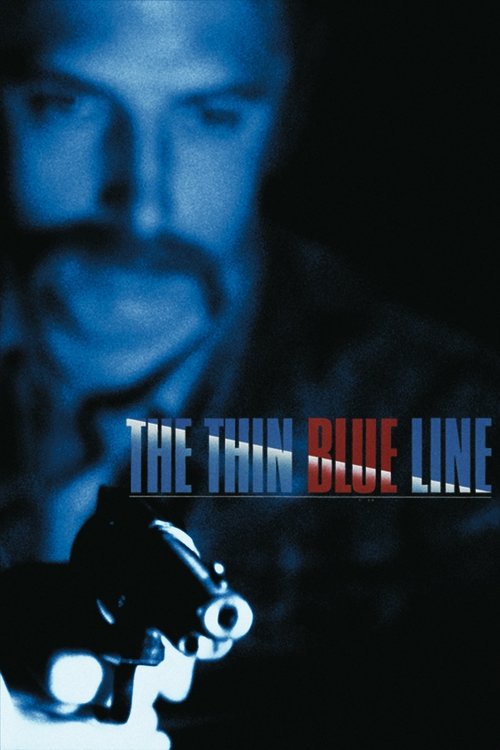
The Thin Blue Line1988
Naked City's stentorian narrator insists this could be true; this film actually is, and shows what happens when the documentary voice of the procedural is turned on a real miscarriage of justice.
Errol Morris's documentary reconstructs a real Texas murder case through interviews and eerie recreations, and ends up exposing a wrongful conviction — narration and reenactment used as investigative tools, not just style.
But No fiction, no cathartic chase — it's a slow, unsettling dismantling of a real case, closer to journalism than thriller.
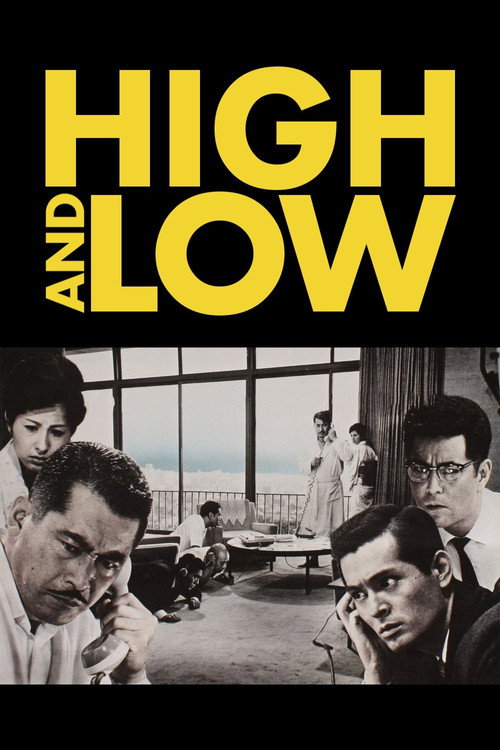
High and Low1963
Same engine — plainclothes detectives, street-level legwork, a city mapped block by block — rebuilt in a different language and decade to ask who a city actually protects.
Kurosawa's kidnapping thriller splits in two — a tense moral drama, then a meticulous, sweaty police procedural through Yokohama's back streets, cops and city working together just like Muldoon's Manhattan.
But Subtitled and nearly two and a half hours, with a slow, deliberate first act before the manhunt kicks in.
People
Cast
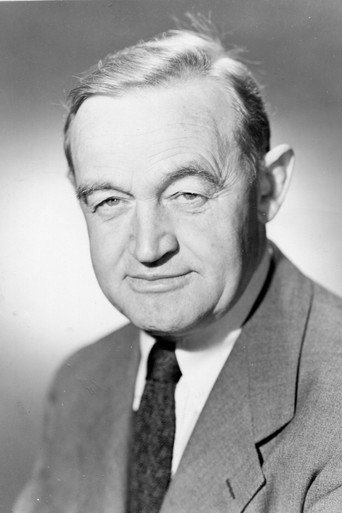 Barry FitzgeraldLt. Dan Muldoon
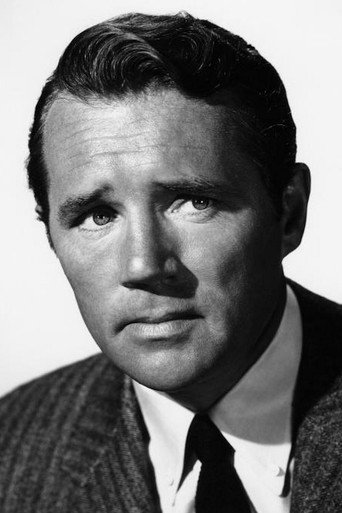 Howard DuffFrank Niles
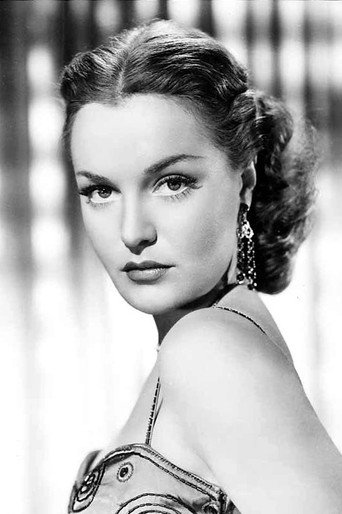 Dorothy HartRuth Morrison
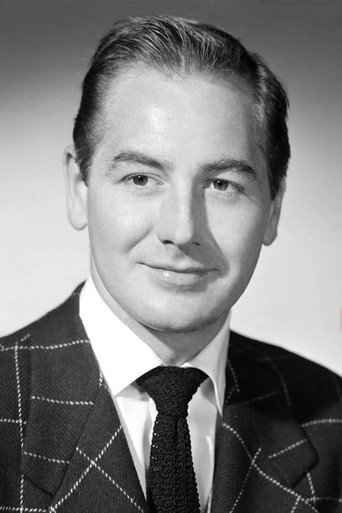 Don TaylorJimmy Halloran
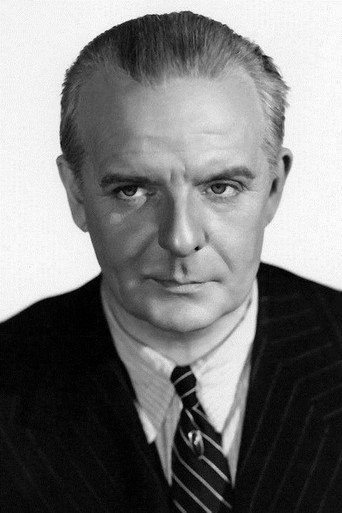 Frank ConroyCaptain Donahue
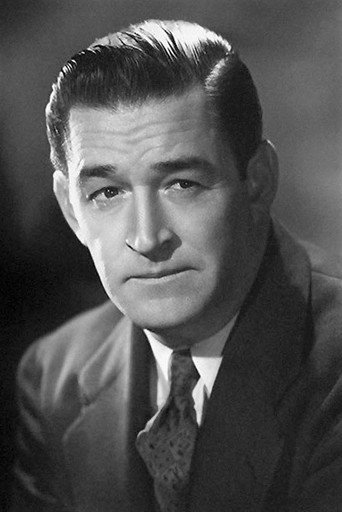 Ted de CorsiaWilly Garzah
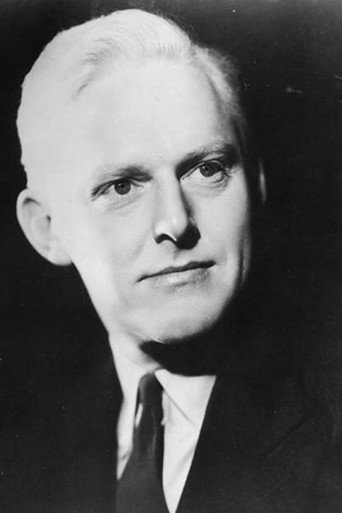 House JamesonDr. Lawrence Stoneman
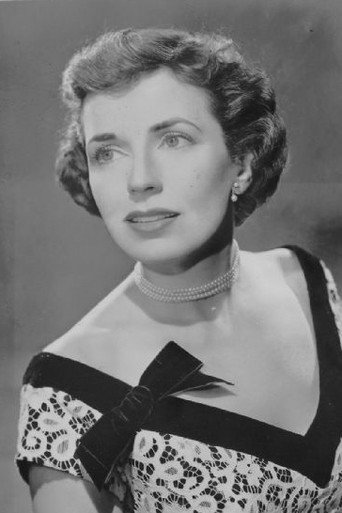 Anne SargentMrs. Halloran
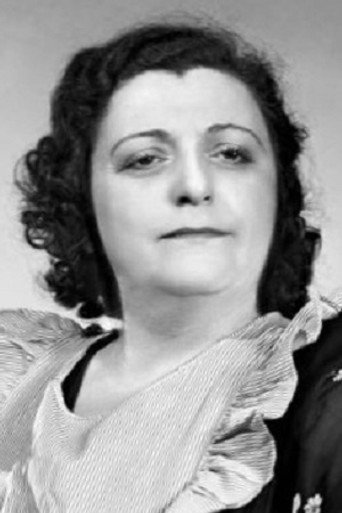 Adelaide KleinMrs. Batory
- Grover BurgessMr. Batory
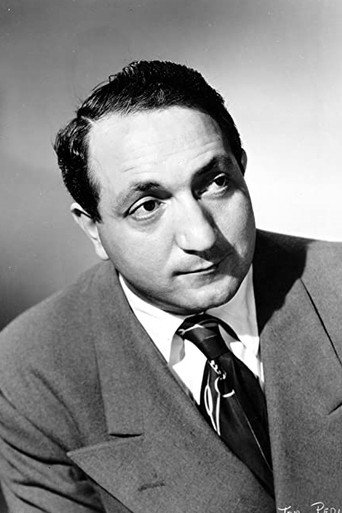 Tom PediDetective Perelli
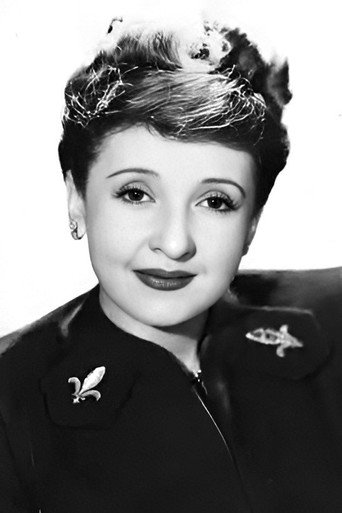 Enid MarkeyMrs. Hylton
Directing
- Jules DassinDirector
Writing
- Albert MaltzScreenplay
- Malvin WaldScreenplay
- Malvin WaldStory
Production
- Jules BuckAssociate Producer
- Mark HellingerProducer
Recommended by
The Wire, The French Connection, Panic in the Streets, Baretta, Kojak, Boomerang!, Naked City, The First 48, Crossfire, He Walked by Night, T-Men