
Film
Parade
Other titles called Parade: the 2015 film.
- Comedy
- Light-hearted
Jacques Tati's final film is a deliberately loose, almost plotless celebration of performance itself. Shot on video in a TV studio, it's a series of sketches, sight gags, and gentle chaos where Tati (as the ringmaster Monsieur Loyal) orchestrates an increasingly surreal party. It feels like watching someone you love think out loud, more interested in the texture of a moment than in delivering laughs on schedule.
Should you watch it?
Watch it if you love wordless physical comedy and the pleasure of watching a circus act unfold without a plot to chase, the kind of gentle gag that builds from a single well-timed glance.
Skip it if you need a story pulling you along, because this is a loose run of turns with no real arc, and some sketches land flatter than others.
What it asks of you: Ninety minutes of mostly silent, unhurried stage business, so it rewards patience and a willingness to let a gag arrive slowly rather than on schedule.
Not sure? Find tonight's pick in a minute.
If you liked this
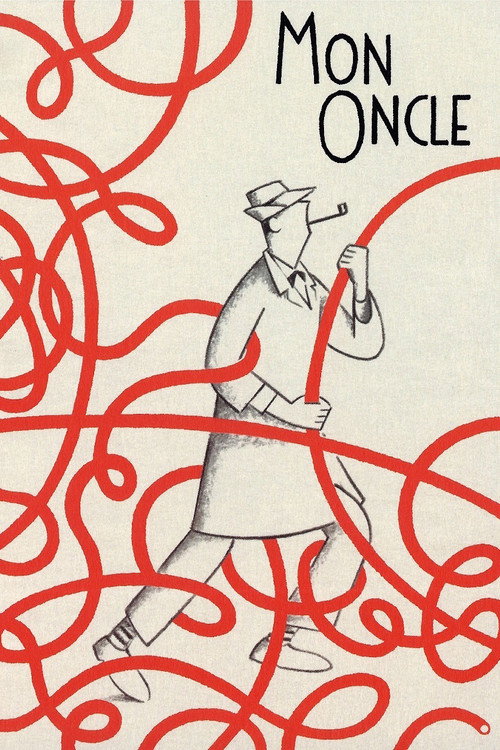
Mon Oncle1958
Tati at his peak: a masterly silent-comedy architect using sound sparingly, finding absurdity in modern suburban life. Every frame is composed like a painting. If you want proof of his genius, start here.
But It moves slowly and asks you to notice things rather than have them explained. The humour is cerebral, not obvious.
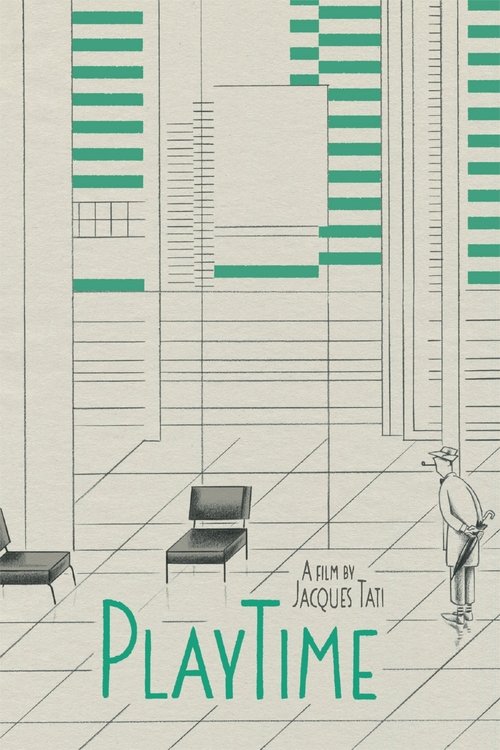
PlayTime1967
An astonishing, obsessive vision: Tati built an entire glass-and-steel city just to film in it. It's a symphony of visual jokes about modernity, commerce, and human connection. Overwhelming and deeply moving.
But Nearly three hours long, and the story is almost invisible. You need patience and a willingness to let it wash over you.
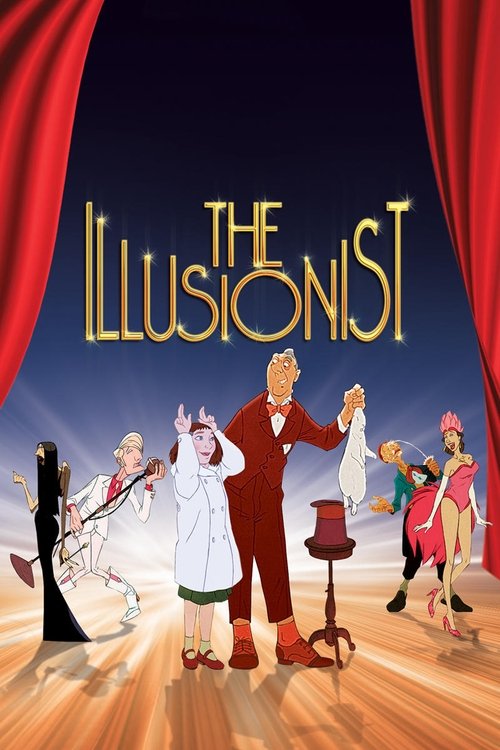
The Illusionist2010
A hand-drawn feature about a aging magician and a lonely girl, made as a love letter to Tati's unfinished screenplay. Melancholic, beautifully animated, and captures his particular sadness about the world changing around him.
But It's quiet and bittersweet rather than funny. Some find the animation style overly precious.
Not sure tonight? Get a pick in a minute, starting from Parade
The wildcard
Something you would not have found on your own.
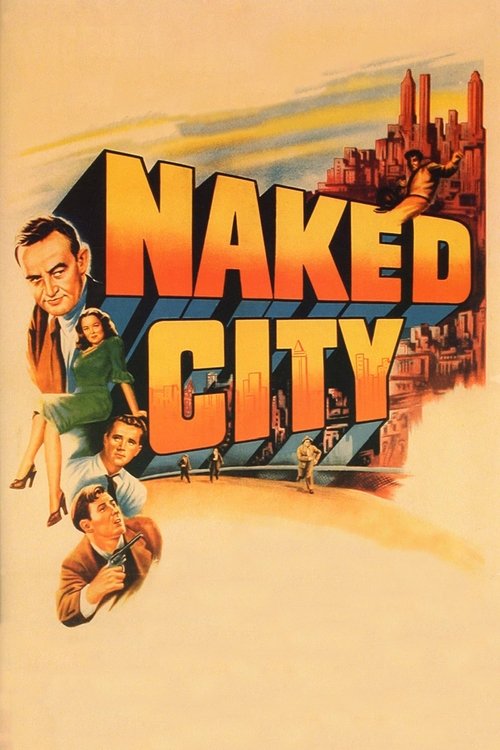
The Naked City1948
Both use the documentary impulse—real locations, real extras, the texture of actual life—to find humour and humanity that studio sets can't generate.
A police procedural filmed on the actual streets of New York with non-professional actors. It prefigures Tati's belief that real environments and ordinary people are funnier and more interesting than studio sets and famous faces.
But It's a conventional noir-ish thriller, not comedy. The pacing is 1940s-police-procedural-slow.
More like this (7)
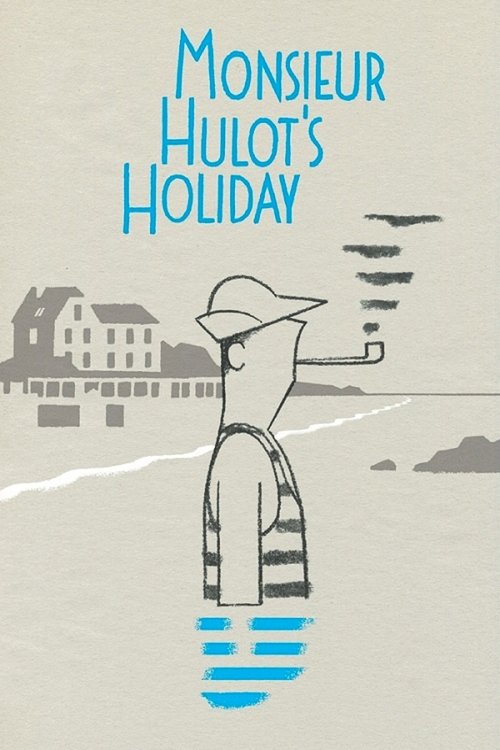
Monsieur Hulot's Holiday1953
Tati's first masterpiece: a bumbling tourist wreaks gentle chaos at a seaside resort. Dialogue barely matters. Every pratfall is perfectly timed, every sight gag a small miracle of choreography.
But The pacing is deliberately unhurried. If you need your comedy punchy and frequent, this will test your patience.
Singin' in the Rain1952
A different kind of physical comedy entirely, but shares Tati's belief that the body and environment tell stories better than words. Pure joy, technically perfect, endlessly rewatchable.
But Radically different tone: bright, energetic, crowd-pleasing rather than quietly observational.

Bicycle Thieves1948
Neorealist Italian cinema at its finest: a man searches Rome for his stolen bike. Like Tati, it finds poetry in everyday failure and uses the city as character. Deeply human without sentimentality.
But Bleak and heartbreaking. There are no real laughs, and it ends badly.

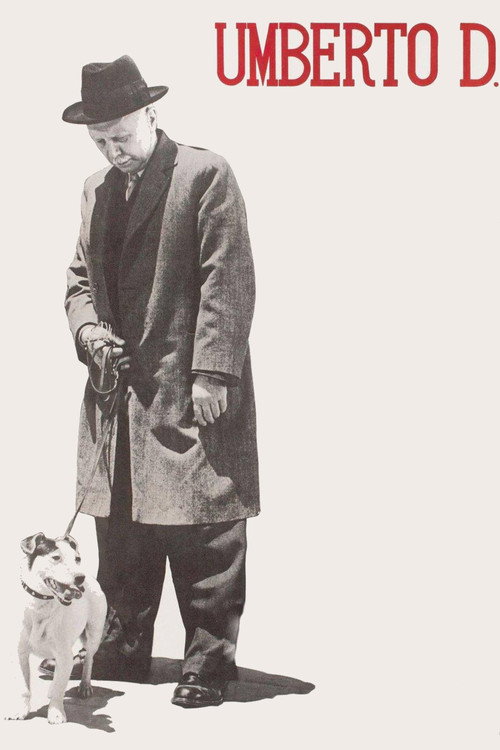
Umberto D.1952
An elderly pensioner navigating an indifferent Rome. Evoking Tati's interest in how ordinary people move through a world that doesn't care about them. Quietly devastating.
But Slow, sad, and offers no comfort. Depressing even by the standards of postwar Italian cinema.
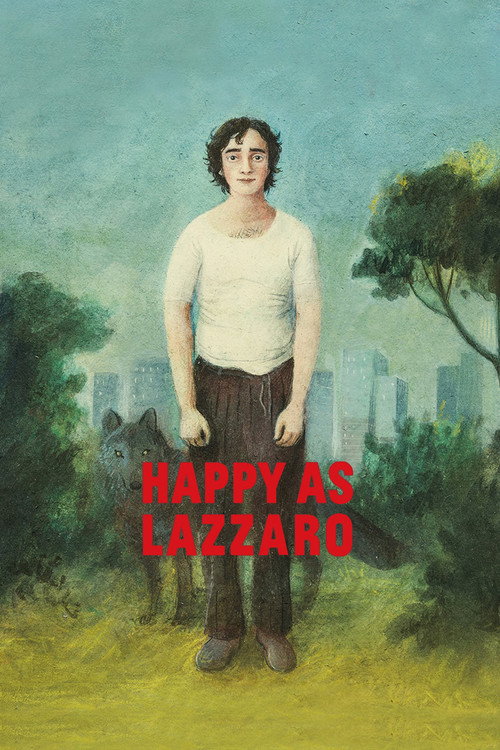
Happy as Lazzaro2018
Surreal, sly, and full of deadpan observation about how we fail to see each other. Italian cinema meets folk tale. It builds its own strange logic and commits to it completely.
But The story is deliberately opaque. It doesn't explain itself, and it rewards attention more than immediate enjoyment.
The Red Shoes1948
Immaculate technical filmmaking about the cost of performance and obsession. Powell and Pressburger create a world where every shot is deliberately composed. Art cinema that absolutely earns its reputation.
But Lush and theatrical rather than funny or light. Emotionally exhausting in places.

Stalker1979
Both filmmakers reject conventional storytelling for something closer to visual poetry. Both trust the camera to observe rather than explain. Both demand you meet them on their terms.
Tarkovsky's hypnotic, philosophical meditation on desire and meaning. Deliberately slow, filmed in real spaces, interested in how people move through and relate to their environment. Visual and patient rather than narrative-driven.
But Glacially paced, abstract, and deliberately withholding about plot. Some find it tedious rather than meditative.

People
Cast
 Jacques TatiMonsieur Loyal
- Michèle BraboElle-même
- Karl KossmayerLui-même
- Pierre BramaLui-même
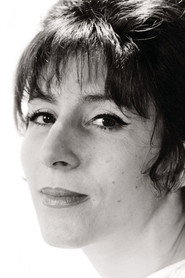 Pia ColomboElle-même
- Johnny LonnLui-même
- Jan SwahnCircus performer
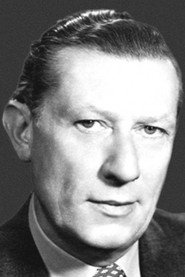 Bertil BerglundCircus performer
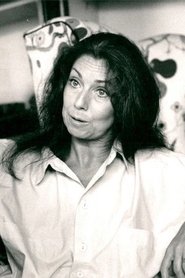 Moniqa SunnerbergCircus performer
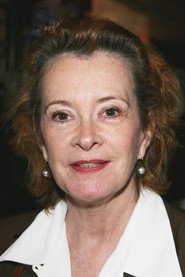 Dominique Lavanant(uncredited)
 Michael ManssonFlamenco Dancer (uncredited)
 Jan NygrenCircus Manager (voice) (uncredited)