
Film
Parade
Other titles called Parade: the 1974 film.
A four-minute animated short about six flute players in uniform journeying through a surreal, threatening landscape. Wordless and visually precise, it's a compact study of conformity, vulnerability, and what happens when individuals move together through hostile space. A film that trusts you to feel its unease.
Should you watch it?
Watch it if you like short animated pieces that trade a conventional plot for one striking idea, and don't mind a film that works through movement and image rather than characters you get to know.
Skip it if you need a story with people you can follow, since this is brief and abstract, and its restraint may feel thin if you want to settle into a narrative.
What it asks of you: Four minutes and nothing to rest on: it asks you to watch closely from the first frame, since there is no slow setup to ease you in.
Not sure? Find tonight's pick in a minute.
If you liked this
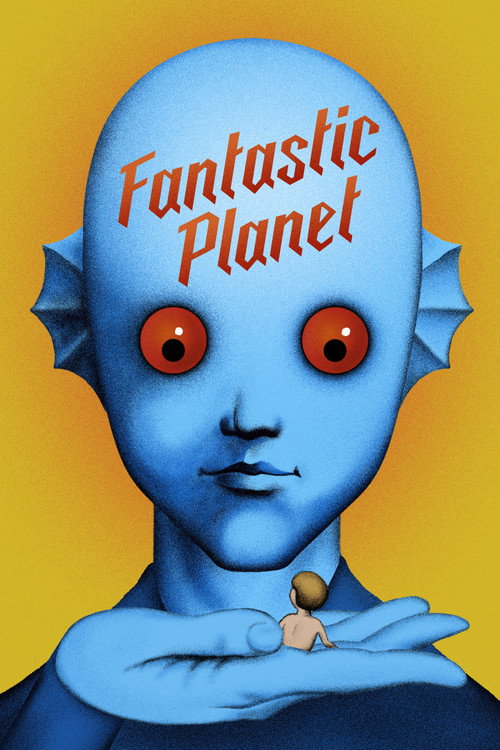
Fantastic Planet1973
A visually inventive sci-fi allegory about subjugation and resistance, told through stop-motion animation with a totally alien aesthetic. Every frame is strange and purposeful, like Parade but feature-length.
But The pacing is deliberate and dreamlike; it won't grab you with plot momentum. Some find the dubbed dialogue jarring.
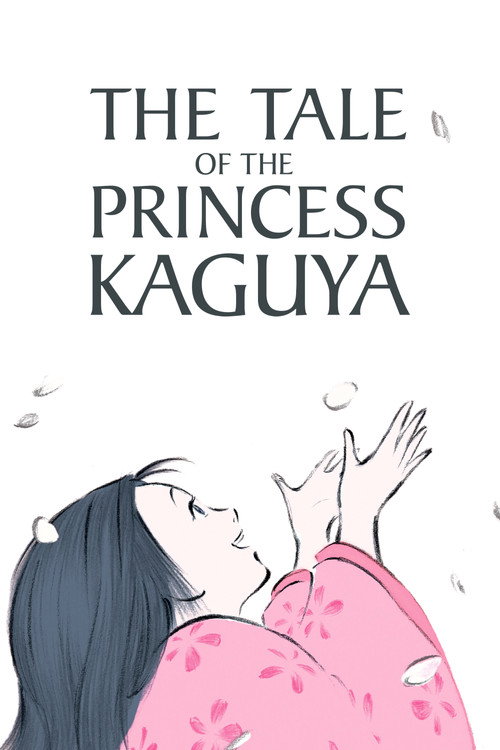
The Tale of The Princess Kaguya2013
Takahata's final film uses hand-drawn animation to trace a girl's journey from nature into rigid social constraint. Visually breathtaking and emotionally devastating. Shares Parade's interest in systems that wound.
But It's 2.5 hours and deeply melancholic. The watercolour style won't appeal to everyone.
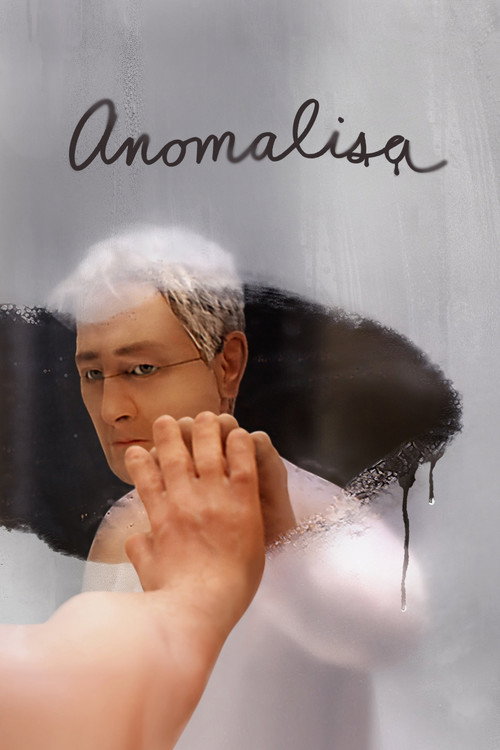
Anomalisa2015
Stop-motion about isolation and connection, with a formal style that makes you hyperaware of the characters' artificiality. Bleak, precise, and only 90 minutes. A perfect match in tone and era.
But It's a film about depression and disconnection. Some find it suffocating rather than moving.
Not sure tonight? Get a pick in a minute, starting from Parade
The wildcard
Something you would not have found on your own.
Come and See1985
Both compress an overwhelming system's impact on vulnerable individuals into a contained space. Parade does it in four minutes, Come and See in two hours. Same moral architecture.
Elem Klimov's live-action masterpiece about a boy soldier in WWII, filmed with documentary realism and apocalyptic intensity. In a completely different medium, but the same devastating exploration of innocence destroyed by systems.
But This is one of the most horrifying films ever made. It depicts mass atrocity, child suffering, and graphically portrays the aftermath of violence. It is not an easy evening.

More like this (8)
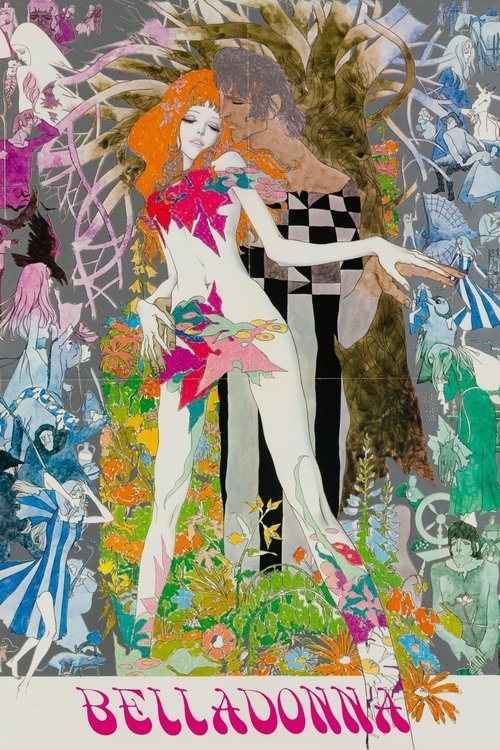
Belladonna of Sadness1973
A trippy, hand-painted horror film about a woman destroyed by systems of power and male violence. Visually stunning and genuinely disturbing. Similar moral weight to Parade, much longer commitment.
But It's sexually violent and graphic in its depiction of trauma. The rotoscoped animation takes adjustment.
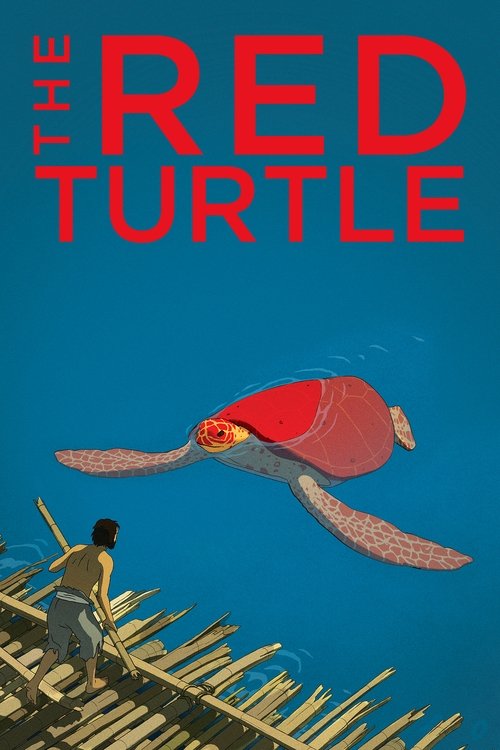
The Red Turtle2016
A silent, beautifully drawn film about a man shipwrecked on an island, encountering a mysterious turtle. Sparse dialogue, focus on landscape and solitude. Meditative where Parade is anxious.
But Almost nothing happens for long stretches. If you want narrative momentum, you'll be frustrated.
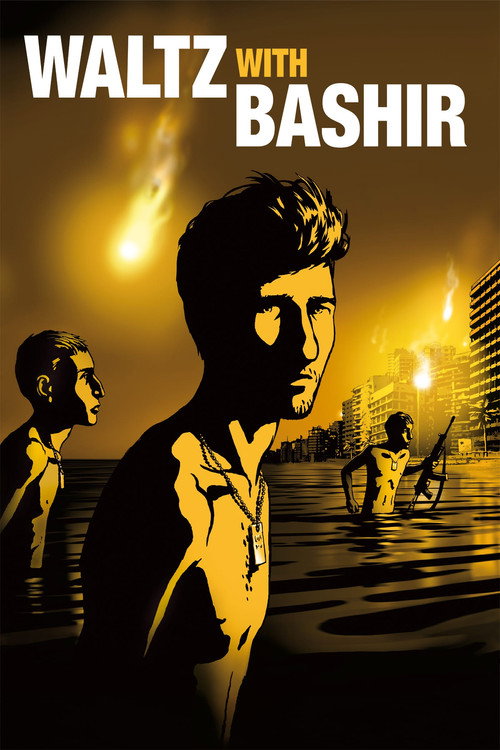
Waltz with Bashir2008
Animated documentary about an Israeli filmmaker investigating his own suppressed memories of the Lebanon War. Rotoscoped, hypnotic, and morally complex. Shares Parade's sense of complicity and aftermath.
But It's dense and politically contested. The rotoscoped realism can feel cold rather than moving.
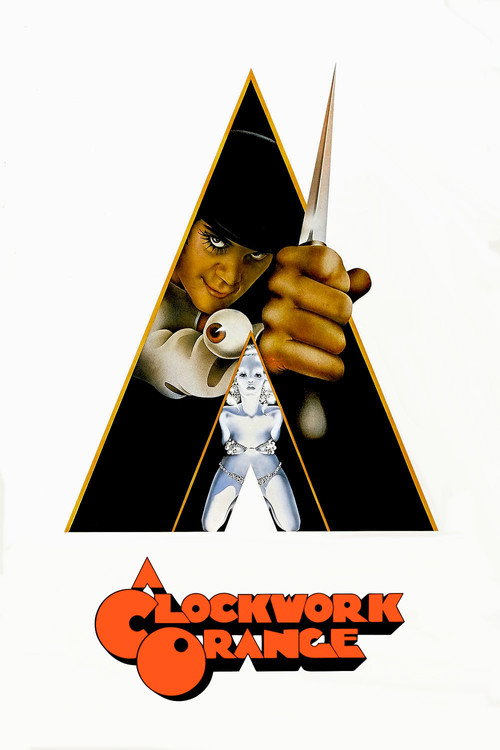
A Clockwork Orange1971
Kubrick's controversial study of violence, conformity, and state control. Every shot is meticulously composed. Thematically aligned with Parade's exploration of what happens to individuals under uniformity.
But The violence and sexual assault depicted are graphic and non-negotiable. It's intentionally nauseating.
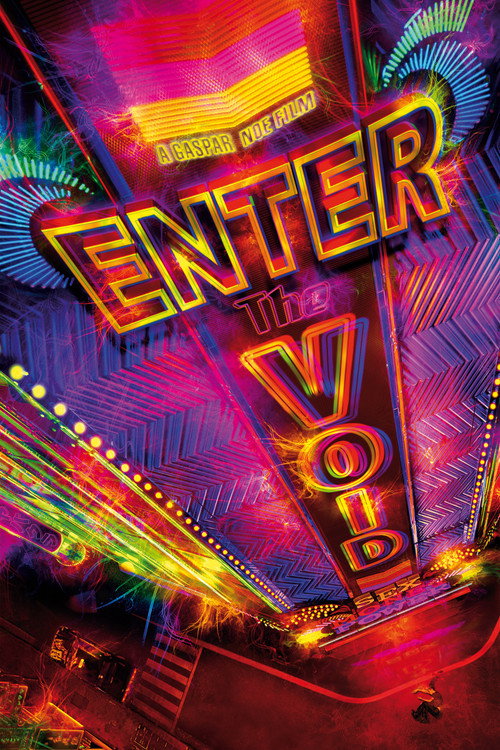
Enter the Void2010
A hypnotic, visually experimental film shot partly from a first-person perspective, tracing a spirit's journey through Tokyo. Trippy and immersive. Shares Parade's trust in mood over plot.
But It's 2.5 hours of psychedelic, fragmented imagery. The epilepsy warning exists for good reason.
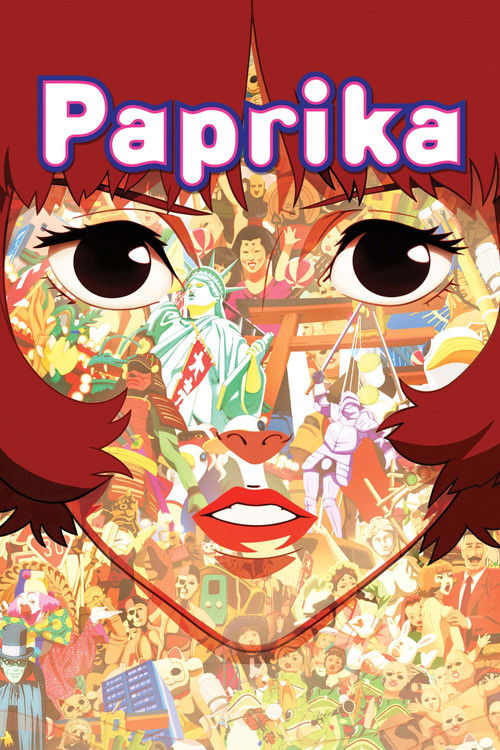
Paprika2006
Satoshi Kon's dazzling anime about dreams bleeding into reality, full of colour and motion. Genre-bending and playful where Parade is restrained. A different register, same animation artistry.
But The plot gets genuinely confusing. If you need everything to make narrative sense, this will frustrate you.
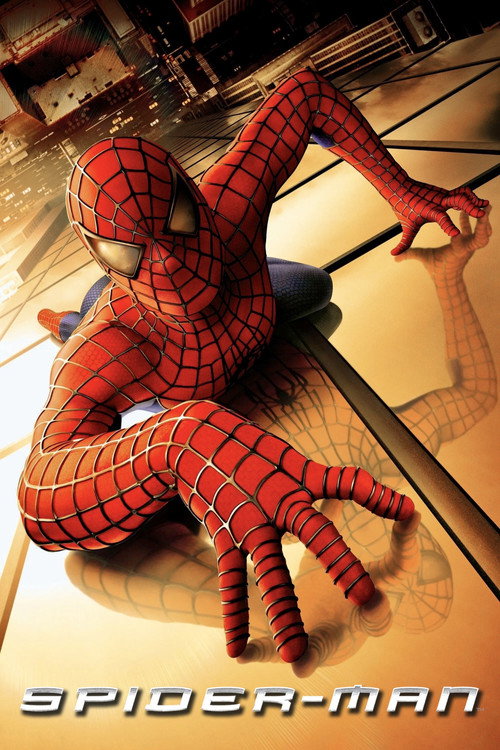
Spider-Man2002
Both use visual abstraction and formal restraint to convey psychological damage inflicted by external order. Parade exteriorizes it; Spider internalizes it.
Cronenberg's precise, claustrophobic study of a man reconstructing a traumatic childhood memory. Filmed almost entirely indoors, in shades of grey. Formal control turned inward—a study of how systems imprint themselves on bodies and minds.
But It's slow, repetitive, and deliberately difficult to follow. The payoff is psychological rather than narrative. Easy to find tedious.
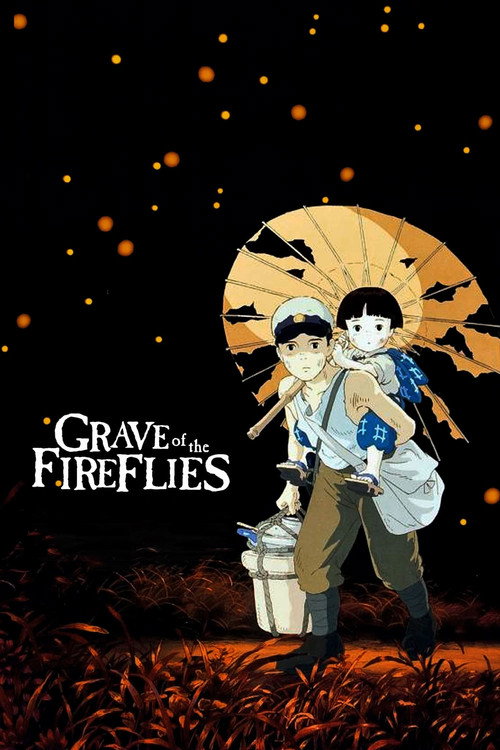
Grave of the Fireflies1988
Like Parade, it uses animation's formal control to strip away sentiment and show what systems do to people who cannot resist them. Both are small-scale, immense in feeling.
Isao Takahata's animated film about two siblings surviving Japan's firebombing in WWII. Beautifully drawn and utterly heartbreaking. Animation used not for spectacle but for precision—to make suffering unavoidable and intimate.
But It's a war film about children starving to death. There is almost no relief. Many find it unbearably sad rather than cathartic.
People
Directing
- Digna van der PutDirector
Writing
- Digna van der PutWriter