
Film
The Tale of The Princess Kaguya
Isao Takahata's final film tells a Japanese folk tale as a hand-painted fever dream — brushstrokes that blur and bloom instead of clean cel lines, a heroine who laughs, runs wild, and is slowly boxed into womanhood by a world eager to own her. It's gorgeous, sorrowful, and unhurried, closer to a watercolour scroll than a children's cartoon. For anyone patient enough to let beauty ache a little.
If you liked this
Spirited Away2001
Miyazaki's masterpiece shares the same studio DNA and the same trust that a young girl's inner life is worth an entire universe built around her. Visually intoxicating, emotionally precise.
But Busier and more plot-driven than Kaguya's spare, contemplative rhythm — a different kind of magic entirely.
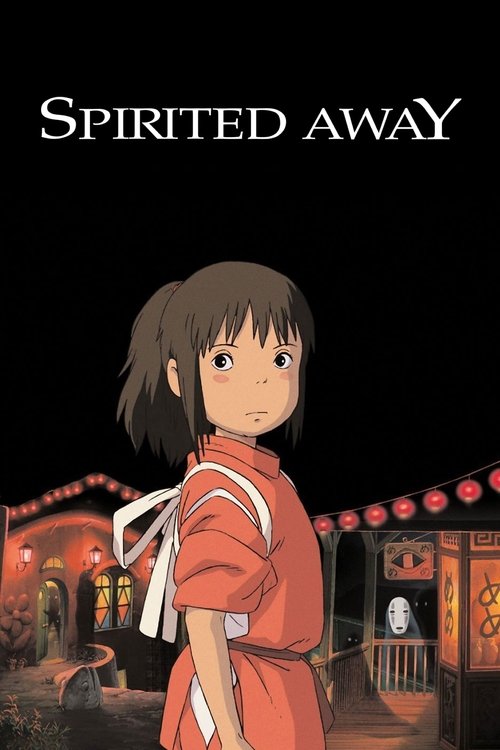
Grave of the Fireflies1988
Takahata's other landmark, and the film that proves he can devastate as thoroughly as he can enchant. Essential if you want to understand the full range of the man who made Kaguya.
But Genuinely harrowing wartime tragedy with almost none of Kaguya's lyricism or hope — go in prepared.
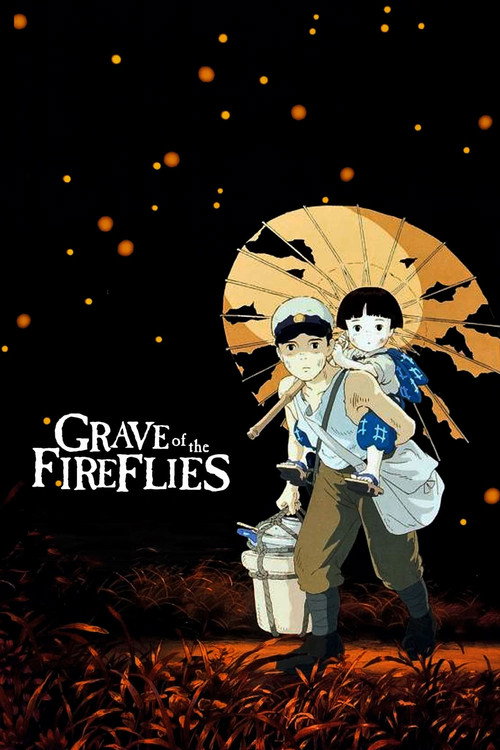
My Neighbor Totoro1988
The gentlest possible palate cleanser: rural Japan, childhood wonder, nothing bad really happens. A reminder of the tenderness underneath all this studio's ambition.
But Almost plotless by design — if you wanted Kaguya's emotional weight, this won't give it to you.
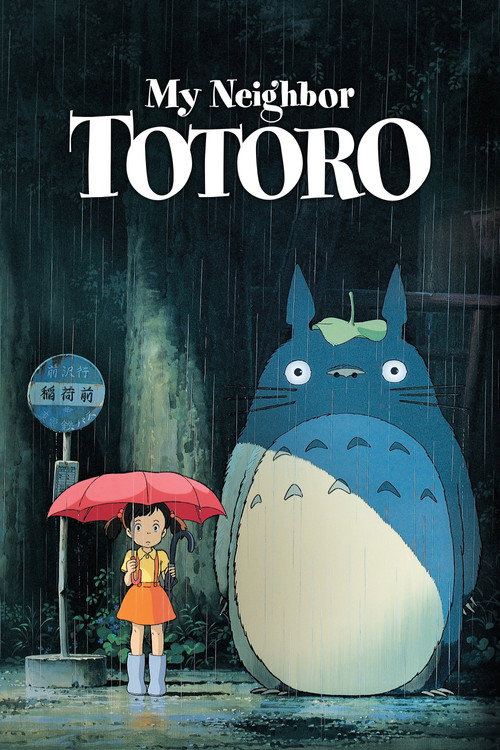
The wildcard
Something you would not have found on your own.
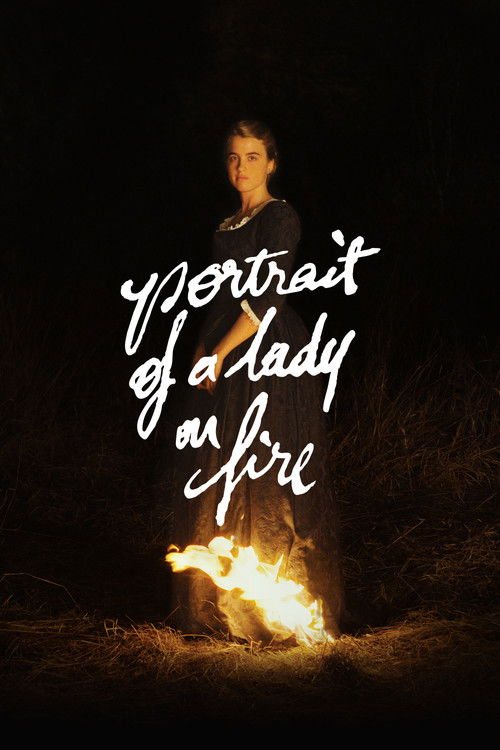
Portrait of a Lady on Fire2019
Both are about a woman displayed and promised to a life decided by others, and about the brief, luminous freedom stolen before that door shuts.
A French period romance about a woman being painted for a marriage she never chose, and the fleeting freedom she seizes before that fate closes in. Aches with the same suppressed rebellion.
But Live-action, subtitled, and glacially paced — a chamber piece with none of animation's escape valve.
More like this (8)
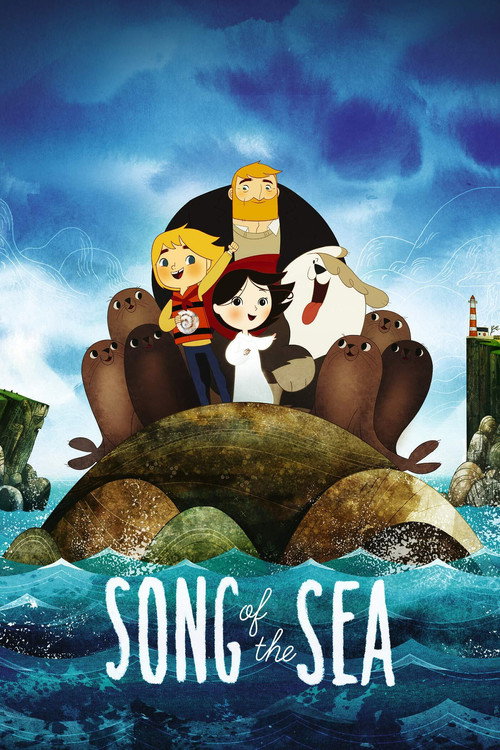
Song of the Sea2014
Irish folklore rendered in flat, painterly animation that owes an obvious debt to Ghibli's watercolour instincts. Myth, grief, and family told with real visual daring.
But Sweeter and more child-aimed than Kaguya, with a tidier emotional resolution.
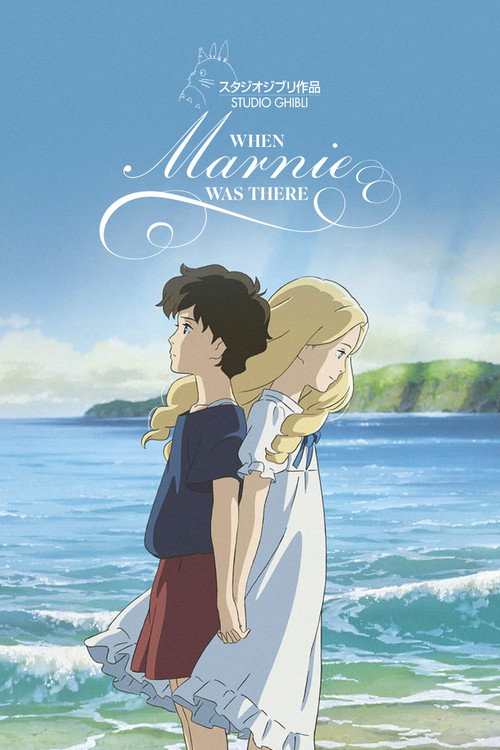
When Marnie Was There2014
Studio Ghibli's quiet, melancholic swan song about loneliness and identity, drawn with the same unshowy tenderness. A slow-burn mystery wrapped around real feeling.
But Muted and interior — closer to a character study than an adventure, which some find slow.
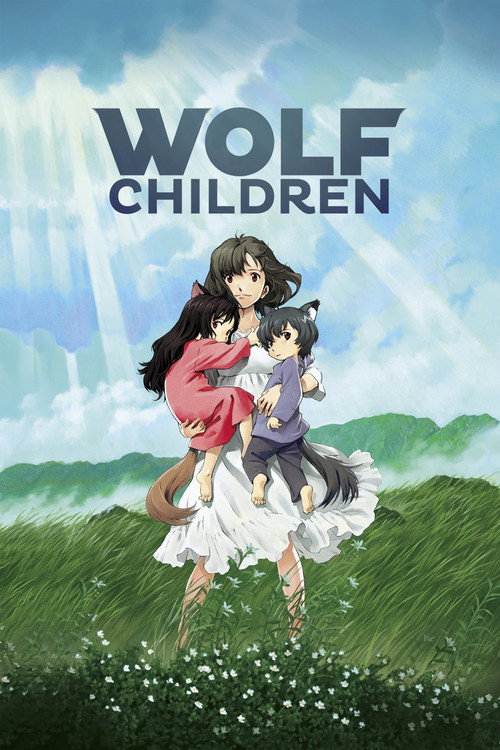
Wolf Children2012
Mamoru Hosoda's aching, beautifully drawn story of a mother raising children who don't quite fit the human world. Similar interest in growing up, nature, and impossible choices.
But More sentimental and less formally daring than Kaguya's brushwork experiment.
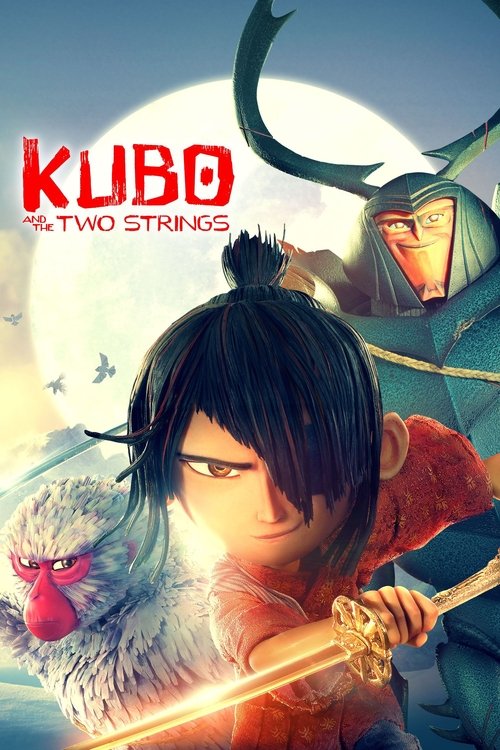
Kubo and the Two Strings2016
Stop-motion folklore with genuine visual invention and a story steeped in Japanese myth and mortality. Proof that Western animation can chase the same ambitions.
But More action-adventure paced, aimed squarely at a family audience Kaguya doesn't really court.
Mary and The Witch's Flower2017no page yet
Made by former Ghibli animators, it carries the studio's visual fingerprints into a lighter adventure about a girl briefly granted extraordinary power.
But Considerably more conventional and plot-forward — lacks Kaguya's melancholy and formal risk.
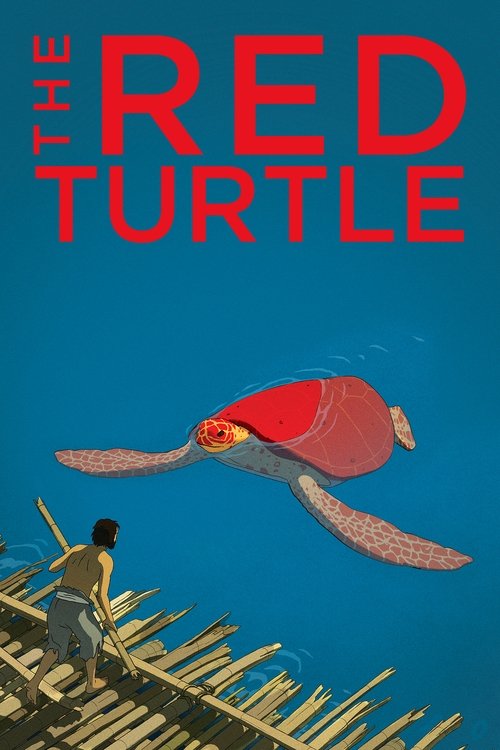
The Red Turtle2016
A wordless, painterly fable produced with Studio Ghibli that trusts image and silence over dialogue — the closest thing to Kaguya's patience and visual purity.
But No dialogue at all and a very slow, meditative pace; not for anyone wanting narrative momentum.
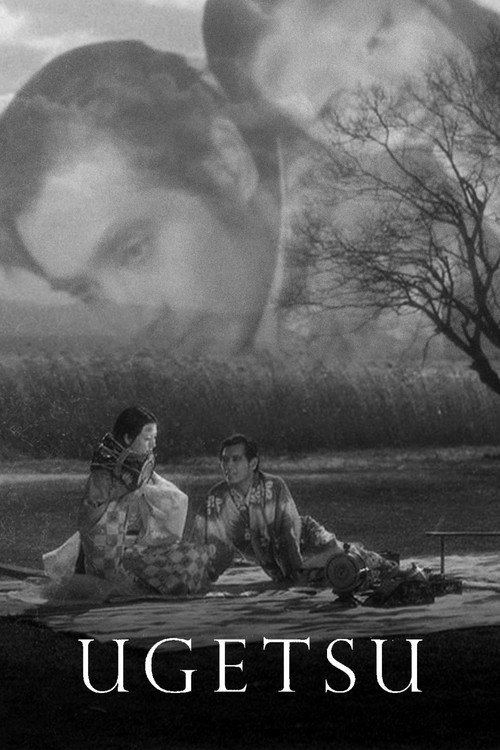
Ugetsu1953
A Japanese folk tale from six decades earlier built on the same bones: enchantment, fate, and a woman who cannot stay in the world that adores her.
Mizoguchi's ghostly, moonlit masterpiece of desire and consequence, shot with the same painterly stillness and folkloric dread. One of cinema's most beautiful meditations on longing and loss.
But Black-and-white, deliberately paced, and steeped in a formal classicism that modern viewers sometimes find slow going.
Kwaidan1965
Both dissolve realism deliberately, using painted backdrops and theatrical artifice to tell old Japanese stories about spirits, fate, and the cost of being desired.
Four eerie Japanese folk tales staged on theatrical, hand-painted sets that turn artificiality into pure atmosphere — a fellow traveller in treating beauty and myth as inseparable.
But An anthology with no single throughline, nearly three hours long, and a deliberately stagey unreality some find alienating.
People
Cast
 Aki AsakuraThe Princess Kaguya (voice)
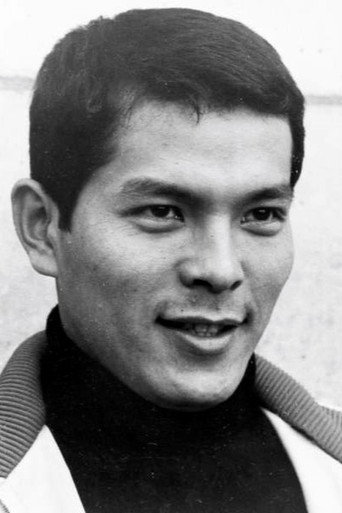 Takeo ChiiSanuki no Miyatsuko (voice)
 Nobuko MiyamotoŌna / Narrator (voice)
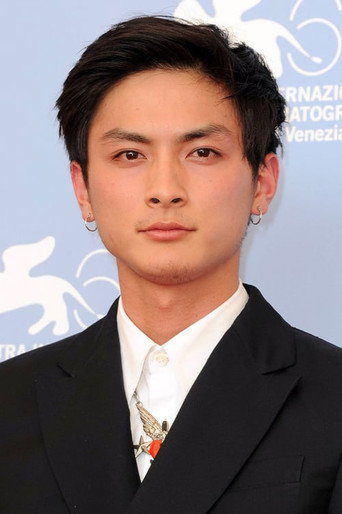 Kengo KoraSutemaru (voice)
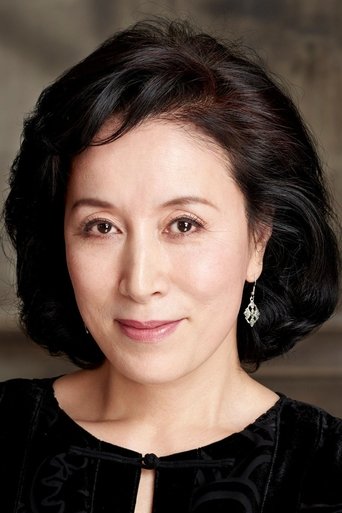 Atsuko TakahataLady Sagami (voice)
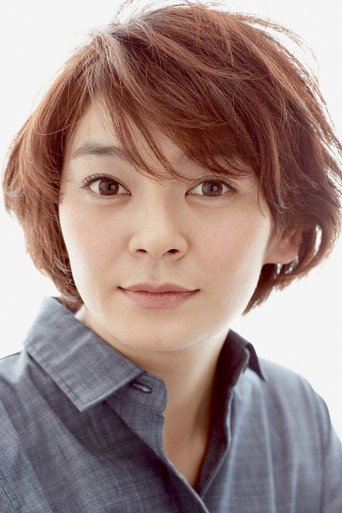 Tomoko TabataMenowarawa (voice)
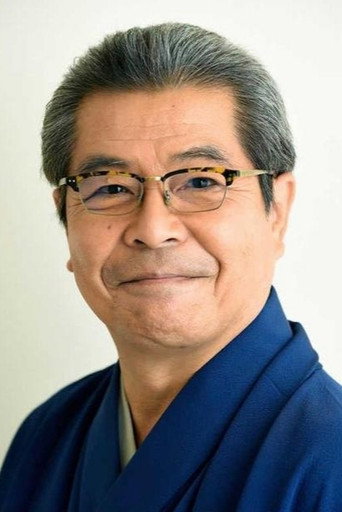 Shinosuke TatekawaLord Inbe no Akita (voice)
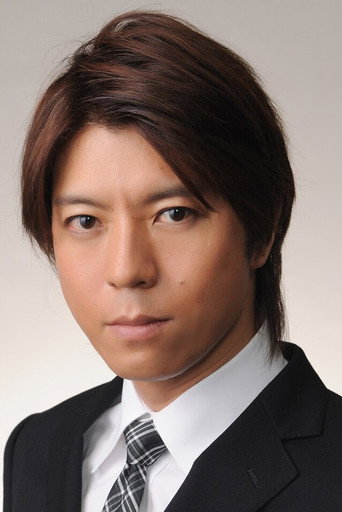 Takaya KamikawaPrince Ishitsukuri (voice)
 Hikaru IjūinMinister of the Right Abe (voice)
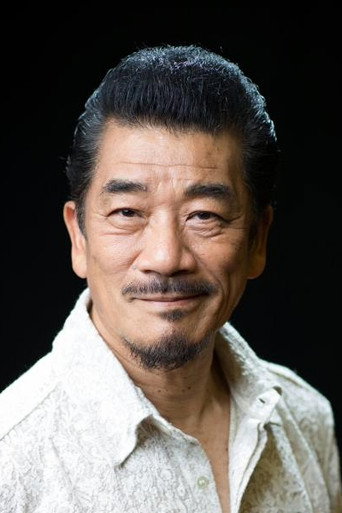 Ryudo UzakiGrand Counselor Otomo (voice)
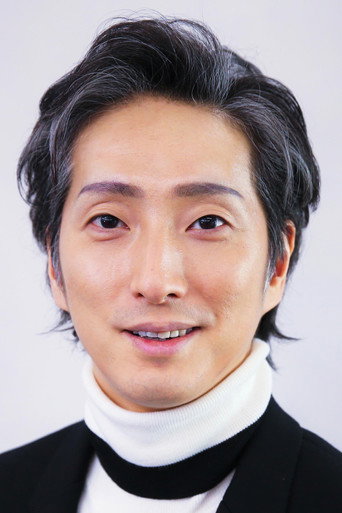 Shichinosuke NakamuraThe Emperor (voice)
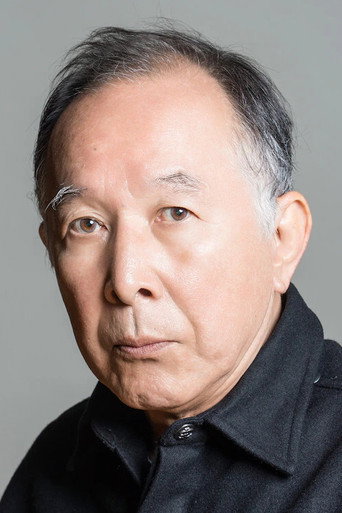 Isao HashizumePrince Kuramochi (voice)
Directing
- Isao TakahataDirector
Writing
- Isao TakahataOriginal Story
- Isao TakahataScreenplay
- Riko SakaguchiScreenplay
Production
- Naoya FujimakiAssociate Producer
- Ryoichi FukuyamaAssociate Producer
- Seiji OkudaAssociate Producer
- Koji HoshinoExecutive Producer
- Seiichiro UjiieExecutive Producer
- Toshio SuzukiOther
- Seiichiro UjiieProducer
- Yoshiaki NishimuraProducer
- Akio IchimuraProduction Accountant
- Takayasu ItoProduction Accountant
- Tomofumi OtsukaProduction Accountant
- Naoya FujimakiProduction Manager
- Ryoichi FukuyamaProduction Manager
- Seiji OkudaProduction Manager
Recommended by
Spirited Away, Sansho the Bailiff, Howl's Moving Castle, The Secret of Kells, Only Yesterday, Mushoku Tensei: Jobless Reincarnation, Wolf Children, The Red Turtle, When Marnie Was There