
Film
The Song-Catcher
- Tragic romance
- Very dark
- Slow-burning
A wordless 11-minute animated meditation on grief and memory. An old man pursues butterflies—each one a ghost of his lost love—through charcoal landscapes set to Gluck's music. Philippe Vaucher's film moves between dream and waking, past and present, building toward acceptance. For anyone who finds beauty in sorrow and doesn't need dialogue to feel deeply.
If you liked this
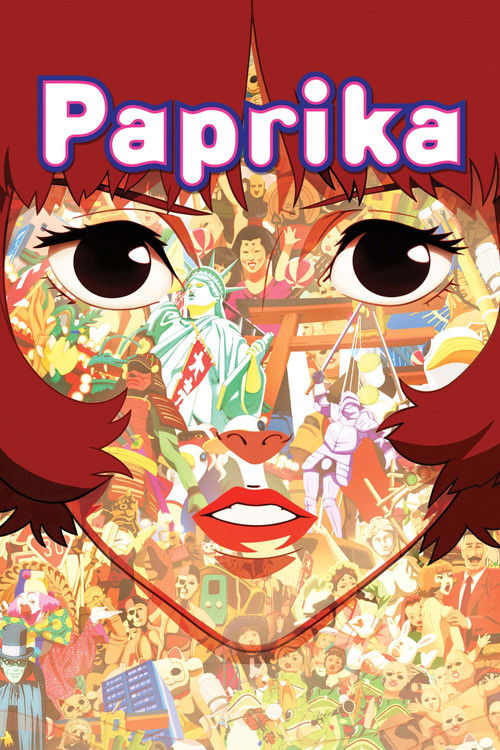
Paprika2006
Satoshi Kon's kaleidoscopic dream-logic animation blurs reality and fantasy with hypnotic precision. Like The Song-Catcher, it uses visual metamorphosis—here more frenetic—to explore the interior landscape of longing and loss.
But The style is deliberately disorienting; if you need clear narrative threads or literal storytelling, this will frustrate rather than transport you.
A Ghost Story2017
David Lowery's meditation on time, memory, and loss unfolds with deliberate, aching slowness. Like The Song-Catcher, it trusts silence and repetition to convey what dialogue cannot—the weight of staying behind.
But It moves at a glacial pace. Some viewers find this transcendent; others find it testing. You must surrender to its rhythm or it will feel like punishment.

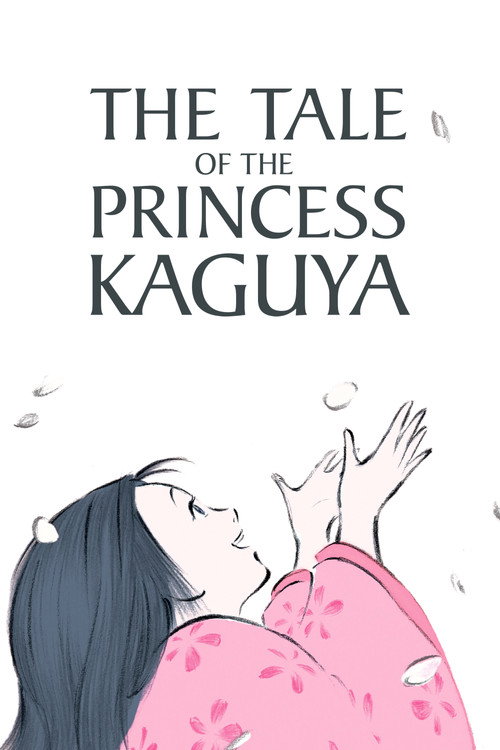
The Tale of The Princess Kaguya2013
Isao Takahata's hand-drawn masterpiece moves between ethereal beauty and devastating sadness. Like The Song-Catcher, it uses animation to capture the ineffable—here, the heartbreak of transience and duty colliding with love.
But At 137 minutes it demands patience, and its melancholy deepens rather than resolves. Not a film for when you need uplift.
Not sure tonight? Get a pick in a minute, starting from The Song-Catcher
The wildcard
Something you would not have found on your own.
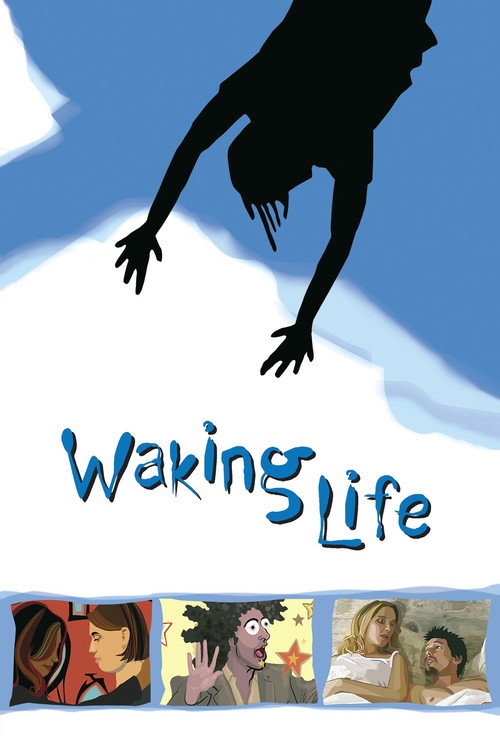
Waking Life2001
Both films from 2001 use animation specifically because live action cannot capture the logic of memory and dream. Both treat the screen as a space for ideas without narrative momentum.
Richard Linklater's rotoscoped animation explores dreams, consciousness, and what persists after death—the same core mystery as The Song-Catcher, but here interrogated philosophically. Both are wordless meditations made visible (though Waking Life uses dialogue as philosophical jazz).
But It's essentially a series of conversations about abstract ideas. If you need plot momentum or character development, it will feel like intellectual procrastination rather than cinema.
More like this (8)
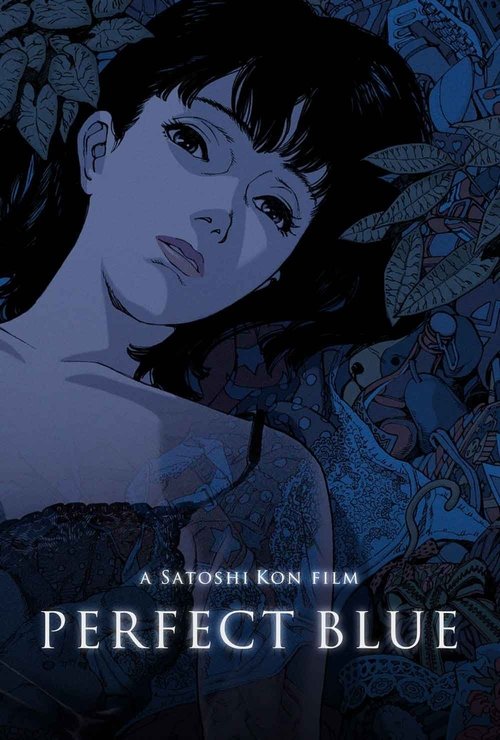
Perfect Blue1998
Satoshi Kon's psychological thriller uses animation to fracture reality and explore obsession. The fragmented narrative mirrors the protagonist's deteriorating mind, creating unease through visual disorientation rather than plot alone.
But It's deliberately unsettling and occasionally disturbing. The fractured editing may feel gimmicky if you're not attuned to its emotional purpose.
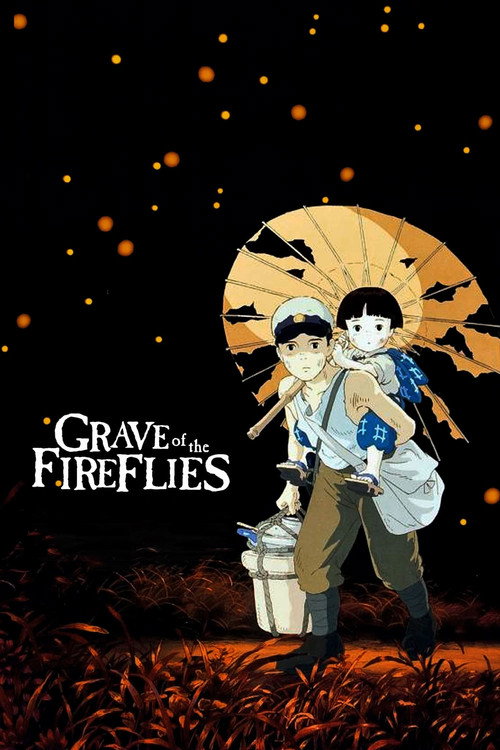
Grave of the Fireflies1988
Isao Takahata's haunting war drama uses animation to render loss and powerlessness in ways live action cannot. Like The Song-Catcher, it transforms unbearable emotion into something aesthetically arresting and unbearably tender.
But It's not entertainment; it's an ordeal in the best sense. This film will leave you grieving for days. Do not watch casually.
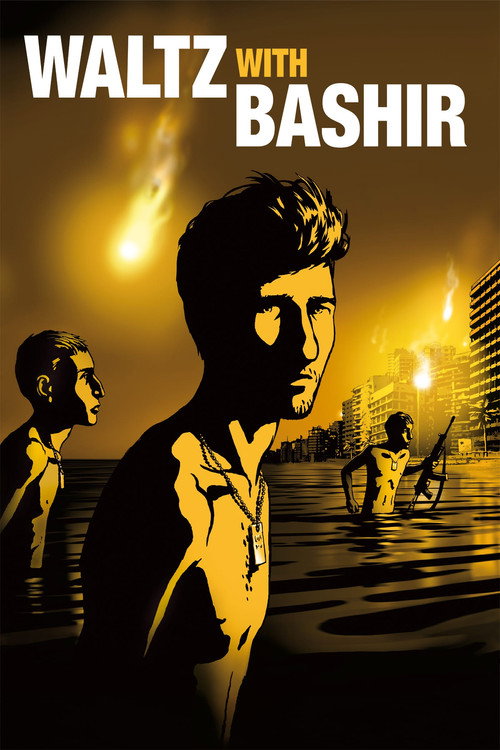
Waltz with Bashir2008
Ari Folman's rotoscoped animation documents trauma and memory as slippery, unreliable things. The dancing, dreamlike movement suits its subject—a filmmaker excavating buried guilt—in ways live action might trivialize.
But It's deliberately fragmentary and sometimes cryptic. The ending is devastating in ways that may feel deliberately withholding rather than cathartic.
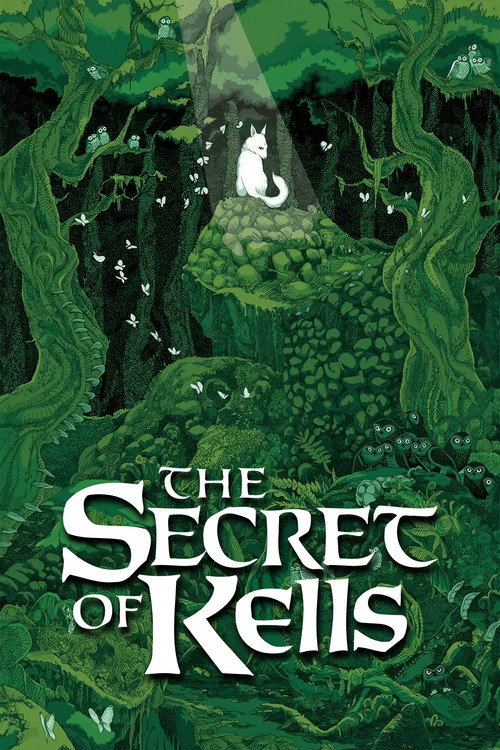
The Secret of Kells2009
Tomm Moore's visually ravishing film uses Celtic-inspired animation to explore wonder, art, and the courage to create amid darkness. The hand-drawn style recalls The Song-Catcher's craftsmanship while maintaining genuine narrative momentum.
But It's primarily a children's film; if you need adult complexity or narrative ambiguity, it may feel slight despite its beauty.
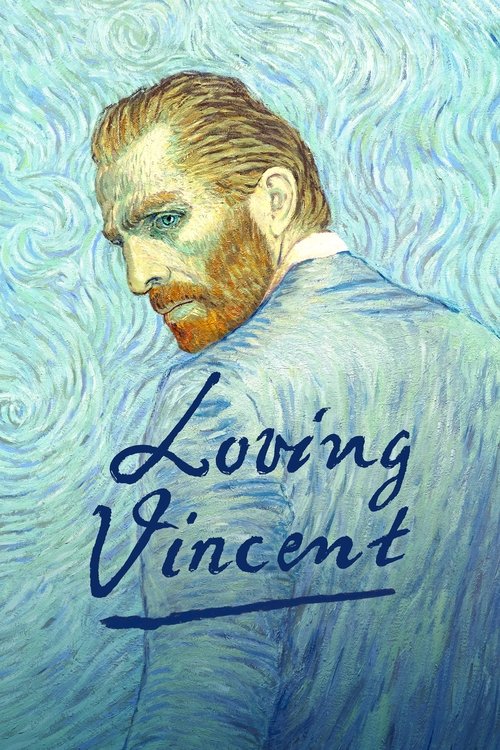
Loving Vincent2017
The entire film is oil paintings, each one animated to move like Van Gogh came alive. A murder mystery told through the artist's own visual language—ambitious in scale but grounded in intimate, character-driven investigation.
But The gimmick is the whole film. If you find the premise more interesting than the story itself, the two-hour runtime will strain your patience.
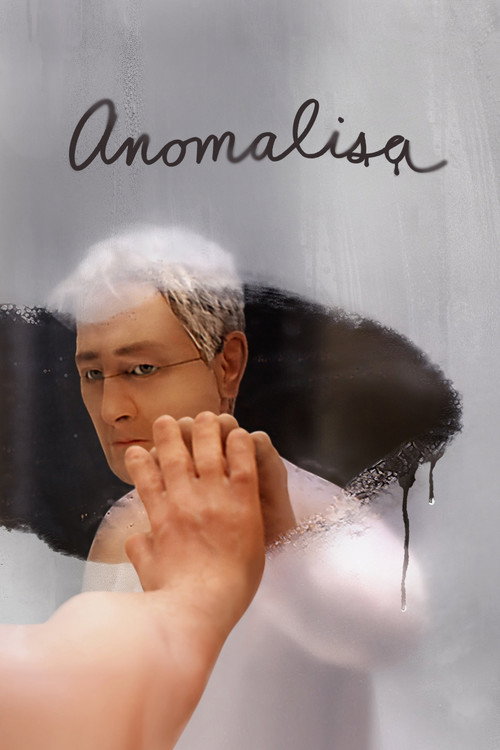
Anomalisa2015
Charlie Kaufman's stop-motion film captures modern loneliness and the desperate hunger for authentic connection. Its mundane locations—a hotel, an airport—become emotional monuments through Kaufman's tender, unsparing observation.
But It's small, sad, and unflinching about human pettiness and need. The stop-motion aesthetic may feel overly precious for its bleak emotional content.
Harakiri1962
Both use constraint—minimal movement, monochromatic aesthetics, repetition—to deepen emotional impact. Both are about being haunted by what cannot be recovered. Both treat death as resolution rather than tragedy.
Masaki Kobayashi's black-and-white masterpiece is a visual tragedy about honor, duty, and the crushing weight of the past. Like The Song-Catcher, it moves with balletic precision; every frame contains philosophy. A man consumed by historical memory, waiting for inevitable release.
But It's a three-hour samurai film in Japanese; no sword-fighting spectacle, just unbearable emotional architecture. The pacing is glacial and the film does not console.

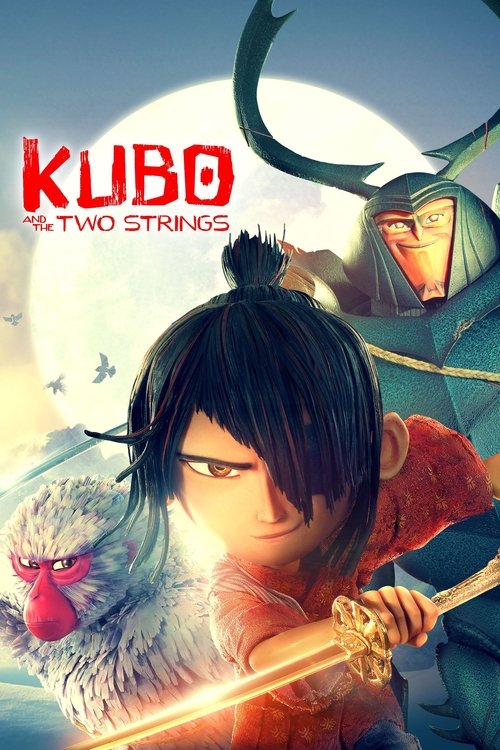
Kubo and the Two Strings2016
Both films use the *craft* of animation—the hand-drawn or hand-constructed frame-by-frame labor—as a metaphor for preserving what's been lost. Both understand that how we make art *is* the subject.
Travis Knight's stop-motion film uses origami-like visual sophistication to tell a story about storytelling, memory, and the power of art to transcend death. Its emotional center—a son preserving his father's memory through music—directly echoes The Song-Catcher's thematic heart in a more narrative context.
But The stop-motion can feel mannered; if you prefer looser, more gestural animation, this technical precision might read as cold. It's also primarily family entertainment, which may feel at odds with its darker emotional currents.
People
Directing
- Philippe VaucherDirector