
Film
Perfect Blue
Perfect Blue is Satoshi Kon's queasy, hyper-alert thriller about a pop idol who quits singing for acting and starts losing the line between her old self, her new roles, and something stalking both. Animated with a live-action thriller's tension, it's tight, paranoid, and unnervingly modern about fame and identity — not casual viewing, it wants your full, anxious attention.
If you liked this
Black Swan2010
Aronofsky's ballet nightmare mirrors Mima's split-self horror beat for beat — a woman warped by performance and the pressure to be perfect, told with the same feverish visual grammar and mounting dread.
But The body horror and melodrama are dialed up loud; if you want subtlety, this hits you over the head with it.

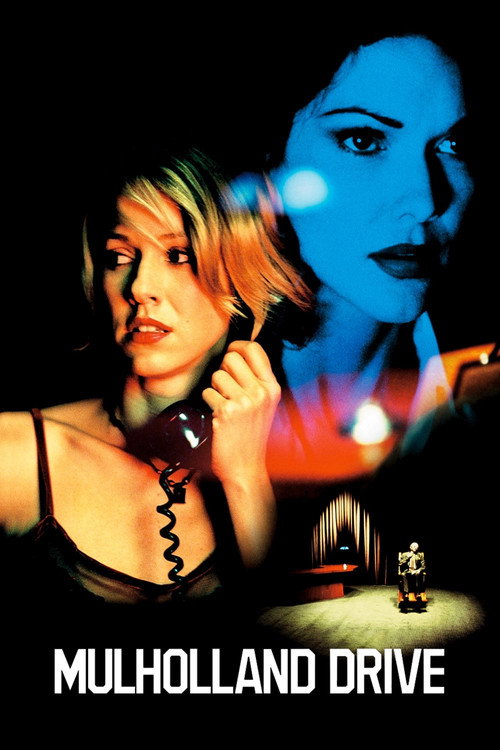
Mulholland Drive2001
Lynch's Hollywood fever dream trades pop stardom for film stardom but keeps the same slippery sense of two selves colliding, reality dissolving into performance and back again.
But Deliberately unresolved and dreamlike; if you need your ambiguity explained by the credits, this will frustrate you.
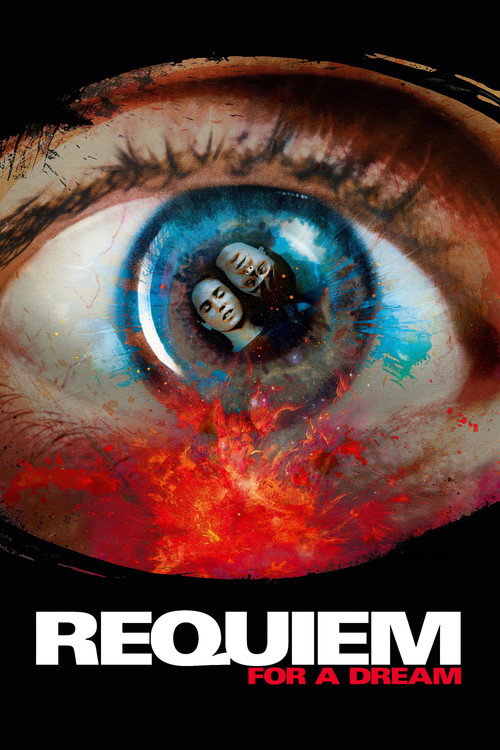
Requiem for a Dream2000
Aronofsky again, this time chasing addiction instead of fame, but the accelerating, claustrophobic editing rhythm is close cousin to Mima's spiral into paranoia and self-loss.
But Bleak with no relief valve; this is one of the most punishing watches in mainstream cinema.
The wildcard
Something you would not have found on your own.
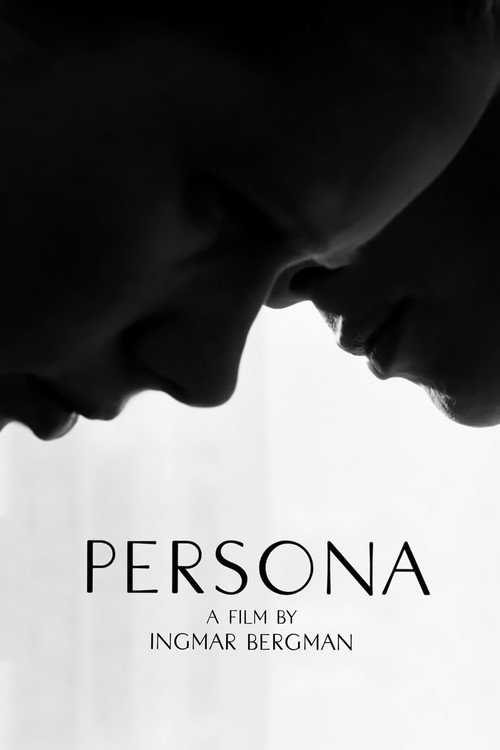
Persona1966
Every fractured-self film after this, Perfect Blue included, is answering to Bergman's original merging-identities nightmare — same idea, decades earlier, in stark black and white.
Bergman got here in 1966: two women's faces literally merge into one in the film's most famous shot, and identity itself becomes the horror.
But Austere, wordless stretches and Swedish art-house pacing demand a patience Perfect Blue's brisk 81 minutes never asks for.
More like this (8)
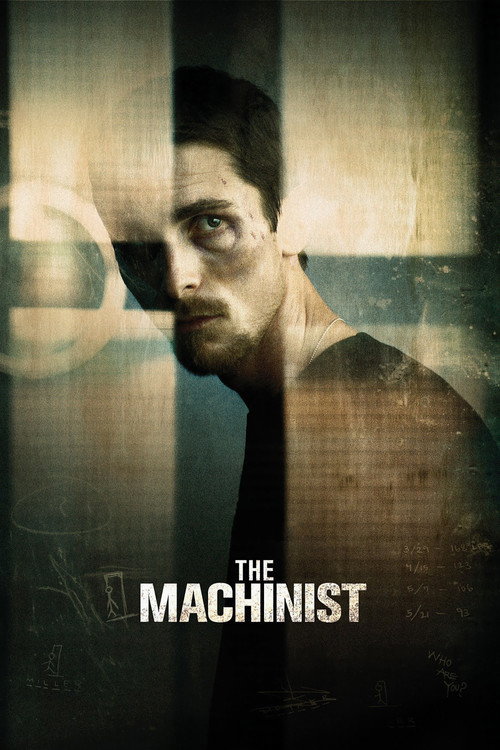
The Machinist2004
Christian Bale's skeletal insomniac lives the same paranoid arithmetic as Mima — is this happening, or is guilt building it? — in gaunt industrial noir instead of neon pop.
But Grim and one-note in tone, with little of Perfect Blue's visual invention or momentum.
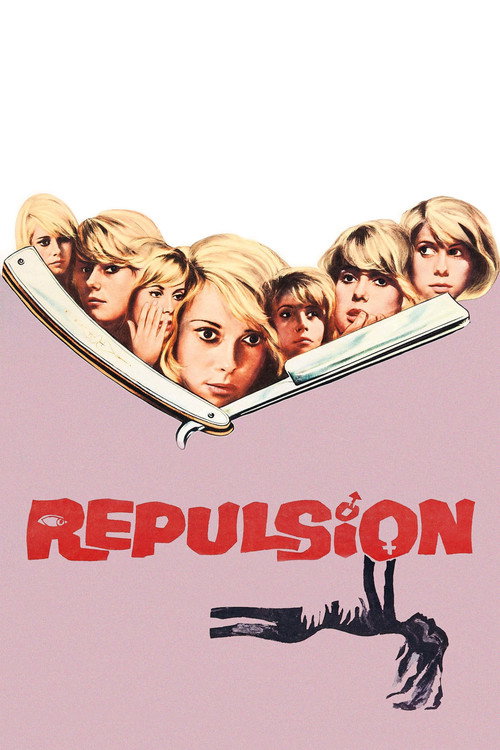
Repulsion1965
Polanski's black-and-white study of a woman alone in her apartment, mind fraying, predates Perfect Blue by three decades and originates much of its interior-horror playbook.
But Slow by modern standards, and its 1965 pacing asks for patience most thrillers no longer require.
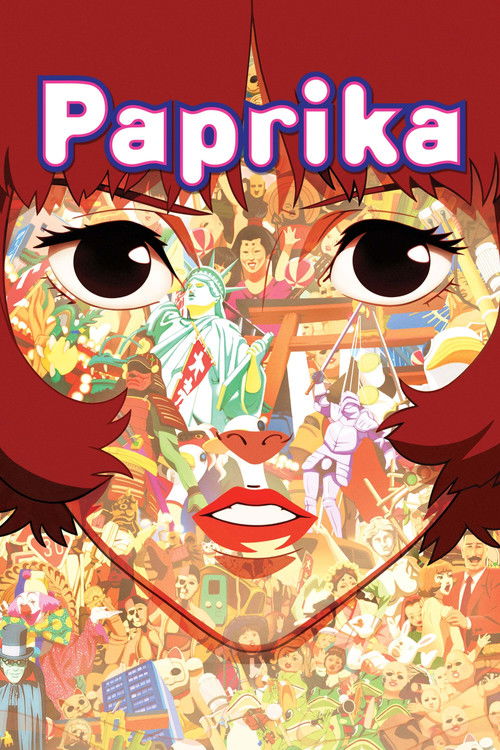
Paprika2006
Satoshi Kon's other great identity-blur, this time about dreams invading waking life, with animation even more unhinged and playful than Perfect Blue's.
But Looser plotting and a warmer tone; it trades dread for wonder, so don't expect the same knife-edge tension.
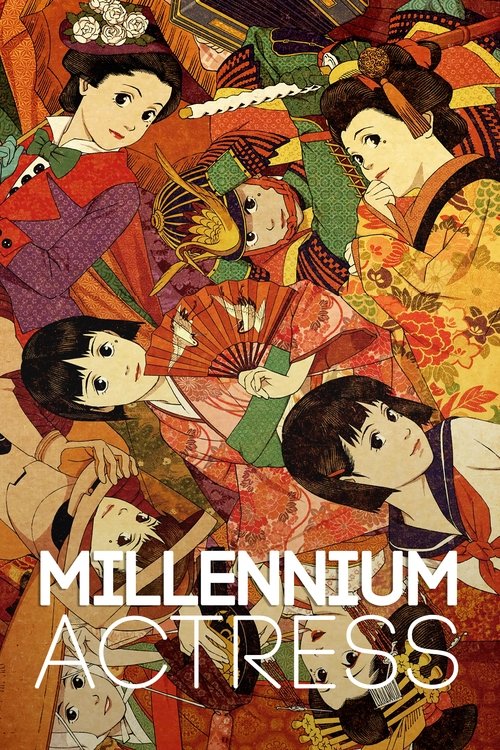
Millennium Actress2002
Kon's tender companion piece follows an aging actress whose life and roles blur together — the same fascination with performed identity, filtered through nostalgia instead of horror.
But Gentle and wistful rather than frightening; if you came for dread, this is the wrong temperature entirely.
Berberian Sound Studio2012no page yet
A sound engineer unravels while making a giallo horror film, and the movie becomes the thing it depicts — a slow, suffocating study of work eating a person's mind.
But Almost no plot in the conventional sense; it's mood and dread over story, which some will find maddening.
Enemy2014
Villeneuve's doppelganger thriller shares Perfect Blue's obsession with a person confronting a self they can't fully trust, wrapped in the same jaundiced, paranoid dread.
But Cryptic to the point of opacity; the ending offers interpretation, not answers, and that won't satisfy everyone.

Tokyo Idols2017no page yet
This is the actual machine Mima's story imagines — the same idol economy, minus the killer, showing you exactly what Kon was satirizing wasn't exaggerated much at all.
A documentary about real Japanese idol culture — the fans, the handlers, the girls aging out of an industry built on manufactured innocence — stranger and sadder than the fiction it resembles.
But No thriller mechanics, no catharsis; it's observational and quietly bleak, closer to sociology than suspense.
Starry Eyes2014no page yet
It takes Perfect Blue's central metaphor — ambition literally consuming the self — and drags it out of the subconscious into the open as a full-blown body-horror slasher.
Same bones — a young woman's hunger for stardom curdles into self-annihilation — but played as gruesome, practical-effects genre horror instead of restrained psychological dread.
But Gory and blunt where Perfect Blue is elliptical; if you want ambiguity, this spells everything out in blood.
People
Cast
 Junko IwaoMima Kirigoe (voice)
 Rica MatsumotoRumi (voice)
 Shiho NiiyamaRei (voice)
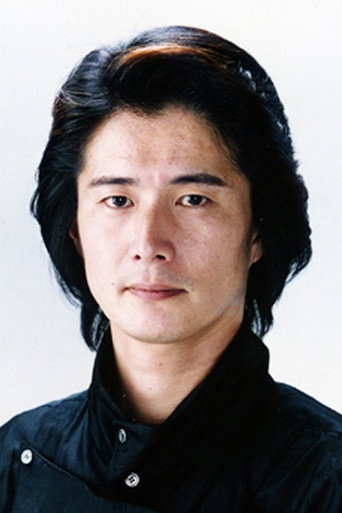 Masaaki OkuraMamoru Uchida (voice)
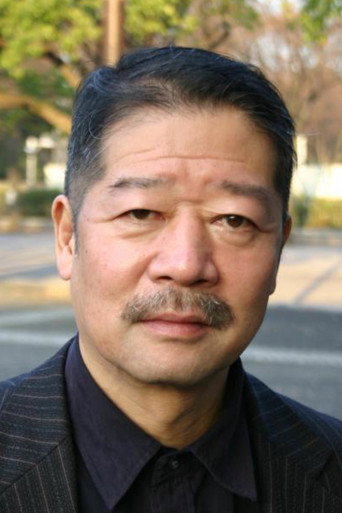 Shinpachi TsujiTadokoro (voice)
- Emiko FurukawaYukiko (voice)
 Yosuke AkimotoTejima (voice)
 Yoku ShioyaTakao Shibuya (voice)
 Hideyuki HoriSakuragi (voice)
 Emi ShinoharaEri Ochiai (voice)
 Masashi EbaraMurano (voice)
 Kiyoyuki YanadaKantoku (voice)
Directing
- Satoshi KonDirector
Writing
- Yoshikazu TakeuchiNovel
- Sadayuki MuraiScreenplay
Production
- Ken WashiyaExecutive Producer
- Koshiro KandaExecutive Producer
- Yuichi TsurumiExecutive Producer
- Hiroaki InoueProducer
- Hitomi NakagakiProducer
- Masao MaruyamaProducer
- Yoshihisa IshiharaProducer
- Yutaka TogoProducer
Recommended by
Rosemary's Baby, Black Swan, Shutter Island, Paprika, Mind Game, A Beautiful Mind, Run Lola Run, Repulsion, Fight Club, Your Name., The Vanishing, The Red Shoes, Ring, Network, Zelig, The Cabinet of Dr. Caligari, A Star Is Born, Videodrome, The Last Seduction, Audition, Plastic Beauty, My Dress-Up Darling, The Handmaiden, Eyes Without a Face, Showgirls, Face/Off, Serial Experiments Lain, You Were Never Really Here, Marvel's Jessica Jones, Jim & Andy: The Great Beyond, The Souvenir, Millennium Actress, The Nightmare, Deep Red, The Cable Guy, The Bling Ring, Lady Vengeance, A Tale of Two Sisters, Paranoia Agent, Possession, Cyberpunk: Edgerunners, The Tenant, The Substance, Belladonna of Sadness, Possessor