Television series
Devilman
- Dark fantasy
- Superhero
- Very dark
A 1972 anime landmark where a pure-hearted teenager is possessed by a demon to fight an invisible war against otherworldly threats. Devilman is visceral, bizarre, and utterly committed to its premise—a spiritual precursor to everything from Evangelion to modern magical-girl-trauma stories. For viewers who want their action with philosophical stakes and don't mind that it looks like nothing else.
Should you watch it?
Watch it if you like pulpy, sincere monster fights told with cheerful melodrama, and a hero whose good nature drives the story, the way early 1970s TV anime delivered it.
Skip it if you need tight pacing and restrained storytelling; at 39 episodes of about 25 minutes each, with dated, rough animation, its episodic set-pieces may wear thin.
What it asks of you: A long commitment: 39 short episodes of about 25 minutes, delivered in bursts of loud, quick action, so you settle in for many evenings rather than one.
Not sure? Find tonight's pick in a minute.
If you liked this
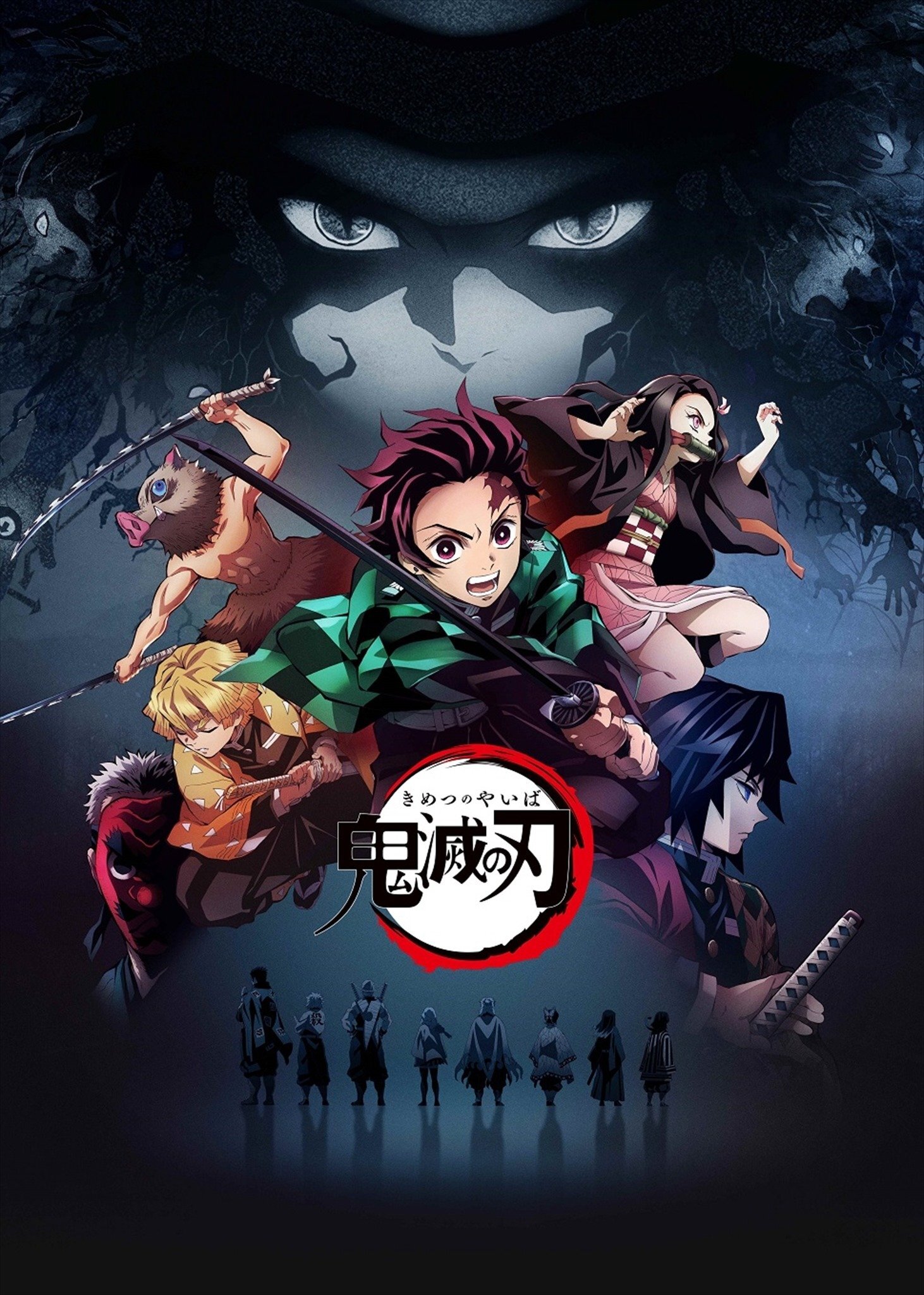
Demon Slayer2019
A more recent anime that learned from Devilman's playbook: gorgeous action, a world of hidden monsters, and a gentle protagonist forced into brutal combat. The animation is stunning and the emotional stakes feel real.
But It's far more polished and mainstream than Devilman, which means less experimental and less strange. If you want raw weirdness, this is the safe version.
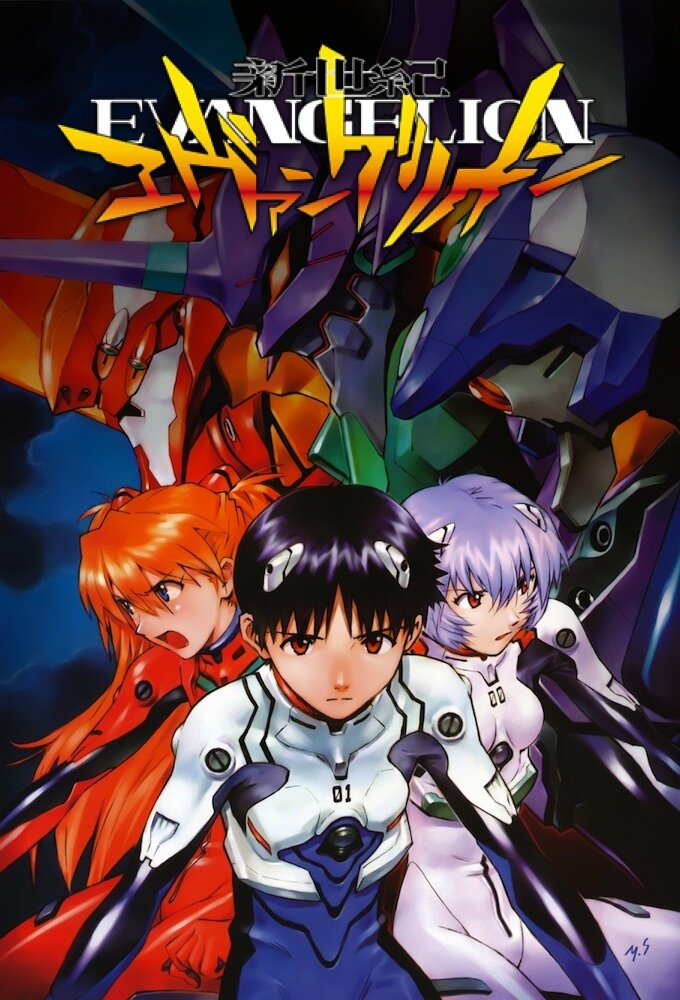
Neon Genesis Evangelion1995
Hideaki Anno's masterpiece directly inherits Devilman's DNA: ordinary teenagers become humanity's last defense, their bodies weaponized, their psyches shattered. It's haunting, audacious, and asks if saving the world is worth the cost.
But Episodes 25-26 are intentionally difficult and abstract. The pacing sags midway. Some find it self-indulgent rather than profound.
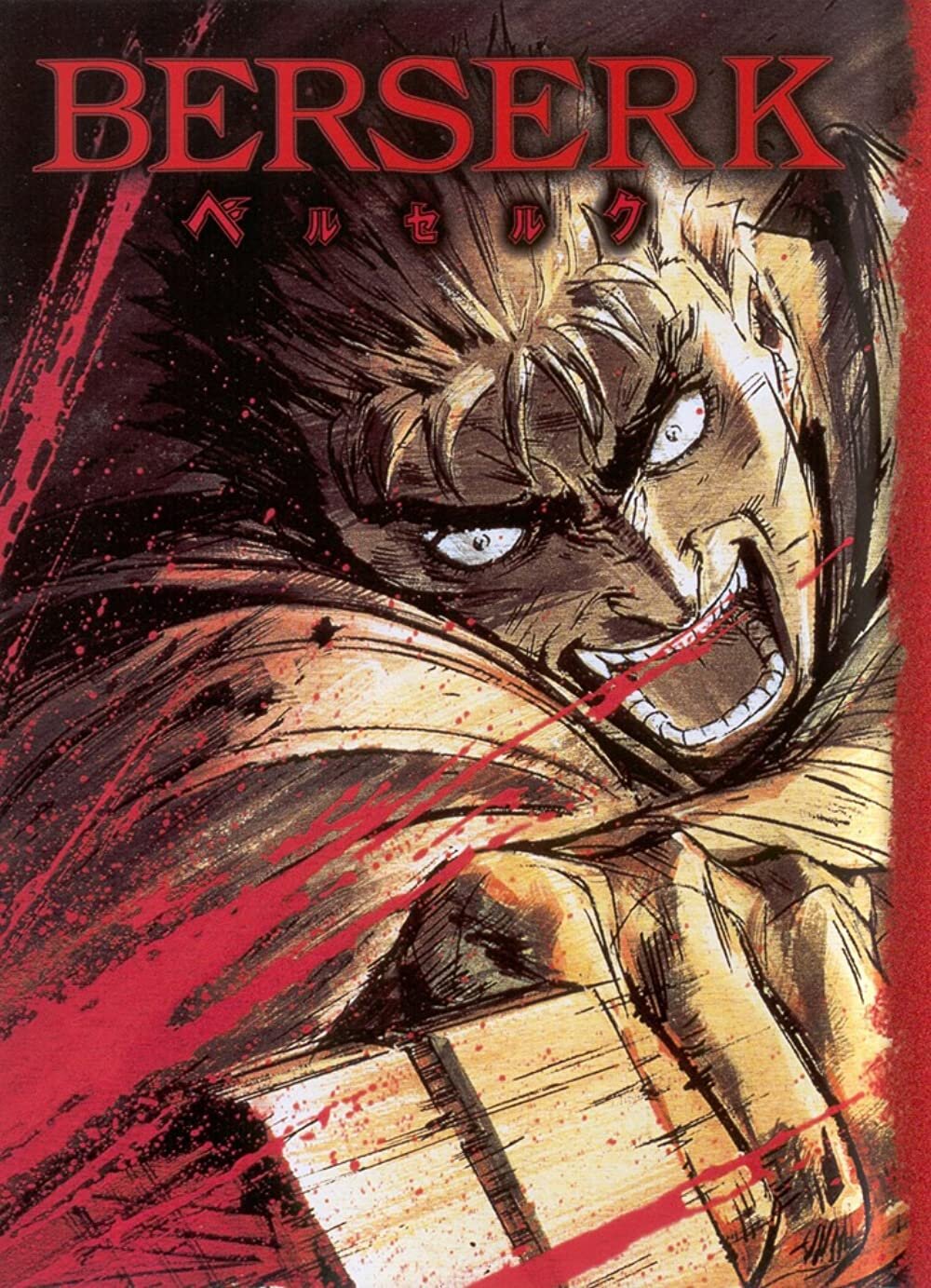
Berserk1997
Medieval fantasy that shares Devilman's obsession with transformation, sacrifice, and the cost of power. Raw, violent, morally complex. Guts' journey from soldier to instrument of fate echoes Akira's possession in disturbing ways.
But The animation is inconsistent and sometimes feels unfinished. The tone is relentlessly grim with few moments of relief. Later arcs in the manga leave major threads hanging.
Not sure tonight? Get a pick in a minute, starting from Devilman
The wildcard
Something you would not have found on your own.
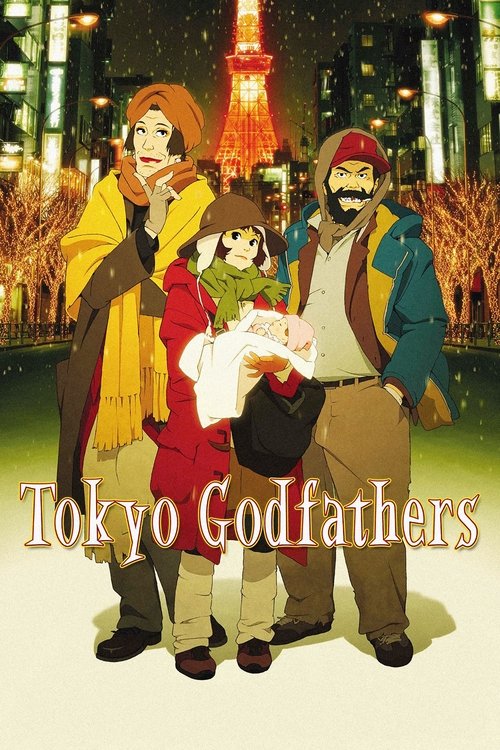
Tokyo Godfathers2003
Both grapple with whether humans and demons (or humans and the divine) can coexist. Both ask: who decides what's evil? Possession in Devilman is transgression; salvation in Tokyo Godfathers is also transgression. Both are about bodies and souls colliding with the sacred.
A three-day odyssey through Tokyo where three homeless people search for a baby's parents. On the surface it's miraculous and tender; underneath it's about damnation, redemption, and whether you can ever escape the role fate assigns you. The connection to Devilman runs through blood, grace, and the question of who's really monstrous.
But It's a Satoshi Kon film, so it takes tonal risks that might feel dissonant. The spiritual elements might read as sentimental if you're skeptical. It's quiet where Devilman is loud.
More like this (8)
Magia Record: Puella Magi Madoka Magica Side Story2020
A magical-girl show that inverts the genre the way Devilman inverts the demon-hunter story. Cute girls acquire world-saving powers and suffer unimaginable consequences. The third episode is a gut-punch you won't see coming.
But The art style is deliberately childish and might seem off-putting early on. The premise takes a while to reveal its teeth.

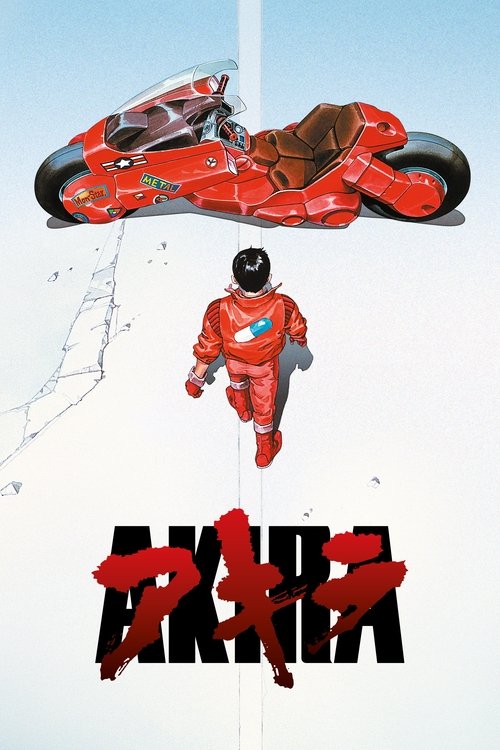
Akira1988
Katsuhiro Otomo's cyberpunk epic has Devilman's same energy: youth given god-like power they can't control, a city in chaos, and the question of whether they're savior or destroyer. Visually revolutionary and deeply unsettling.
But The plot is dense and sometimes unclear on first viewing. The film doesn't wrap everything up; it trusts you to sit with ambiguity.
Haibane Renmei2002
A quiet, philosophical anime about creatures discovering they're not what they thought they were, trapped in a world with unknowable rules. It has Devilman's DNA rearranged—less action, more existential dread.
But It's deliberately paced and cryptic. If you want things explained clearly, you'll be frustrated. Only 13 episodes means plot threads don't fully resolve.

Blue Exorcist2011
A boy learns he's half-demon and must train to fight demons—the premise is Devilman reframed as shonen adventure. It's got humor, heart, and the same core tension between nature and choice.
But The anime diverges from the manga partway through and then has to course-correct awkwardly. It's more straightforward, less daring than Devilman.

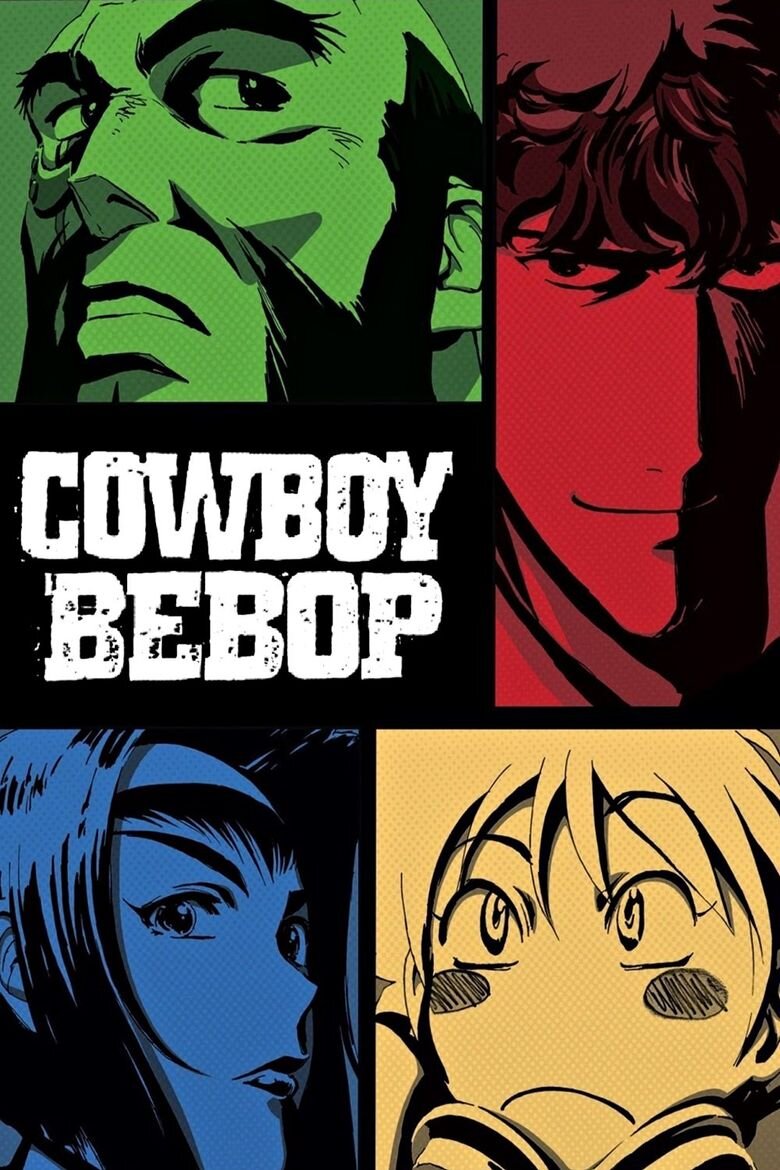
Cowboy Bebop1998
Not a demon story, but shares Devilman's fearlessness about tone-shifting and its willingness to let characters live in moral grey areas. Jazz-noir aesthetics, lost souls in a vast uncaring universe, action that means something.
But The plot is episodic and loose; the overarching narrative takes a backseat. The ending is deliberately incomplete, which some find unsatisfying.
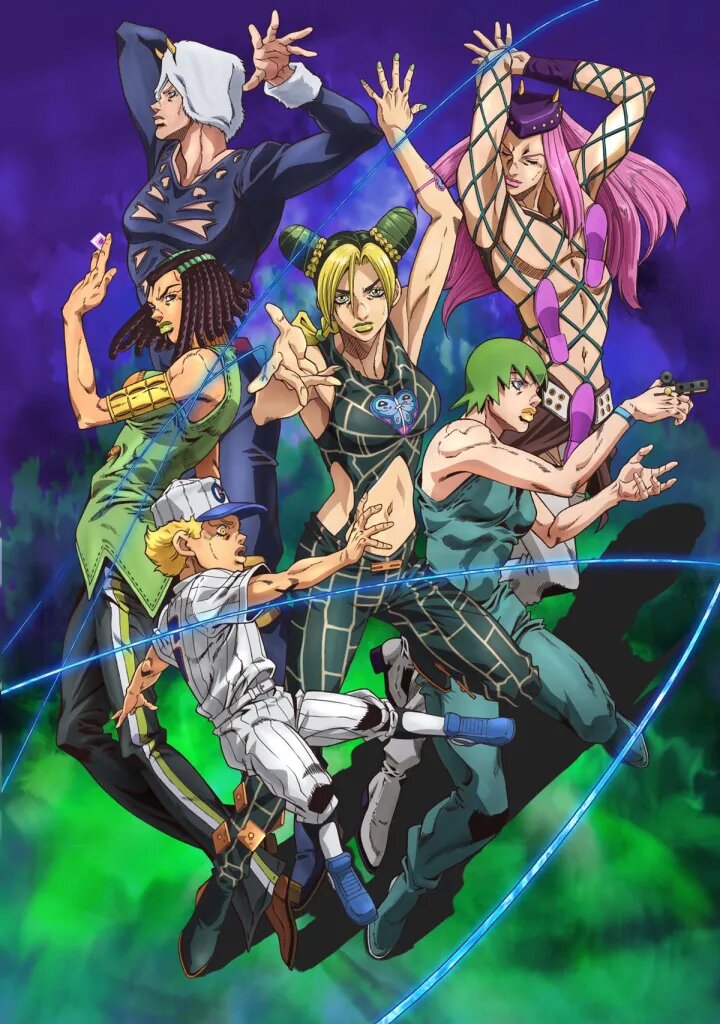
JoJo's Bizarre Adventure2012
A supernatural action series where ordinary people unlock incredible powers through their own will and spirit. Wildly imaginative, genre-bending, committed to the weird. Devilman fans appreciate anime that refuse to apologize for being strange.
But The early seasons have janky pacing and questionable animation. The five-episode formula feels repetitive at times. The tone is campy, which isn't for everyone.
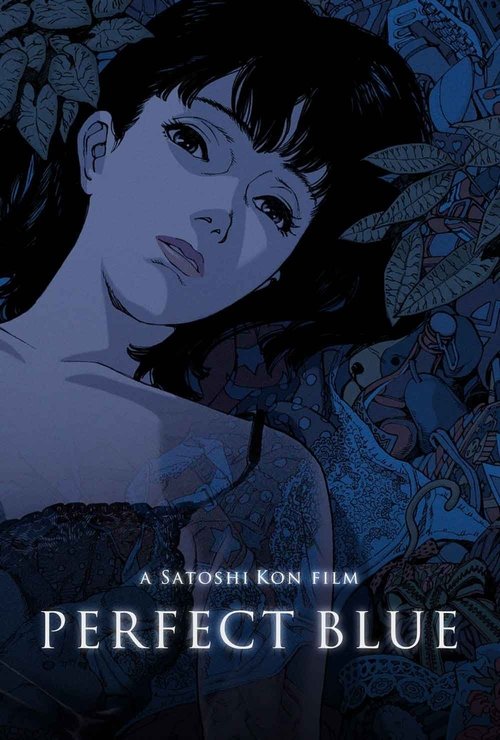
Perfect Blue1998
Devilman's Akira loses himself to Amon's power; Perfect Blue's Mima loses herself to the gap between who she is and who she must perform. Both explore the horror of being inhabited by something you can't eject.
Satoshi Kon's nightmare about identity fracture: a J-pop idol's image splinters from her self until she no longer knows which version is real. Like Devilman it's about possession by something other—a role, a persona, a demon. Psychologically devastating, visually inventive, relentless.
But It's abstract and surreal, sometimes incoherent by design. The sexual violence is disturbing, not cathartic. If you need clarity, this film will punish you.
Carrie1976
Both ask whether a good person can be a good thing. Carrie and Akira are the same story told in different registers: power emerges, society reacts with violence, the person with power decides whether to accept or reject the label of monster. Both end in tragedy not because the protagonist is evil, but because the world cannot tolerate what they've become.
A teenage girl discovers she has apocalyptic telekinetic powers. Like Devilman, it's about a pure person given monstrous strength, the world's cruelty triggering destruction, and the impossibility of returning to innocence. De Palma's operatic direction gives it the same baroque intensity Devilman reaches.
But It's a 1976 horror film, so the pacing is deliberate and the special effects dated. The ending veers into nihilism that might feel cheap. If you need heroes to win, look elsewhere.