
Television series
Demon Slayer
Demon Slayer is gorgeous, brutal, and unashamedly sincere: a boy hacks his way through folkloric horrors to save his monster-turned sister, and ufotable renders every sword-swing like a painting come alive. It swings from slapstick comic relief to genuinely upsetting tragedy without apology. Perfect for anyone who wants spectacle with an actual beating heart underneath it, and who doesn't mind crying between fight scenes.
If you liked this
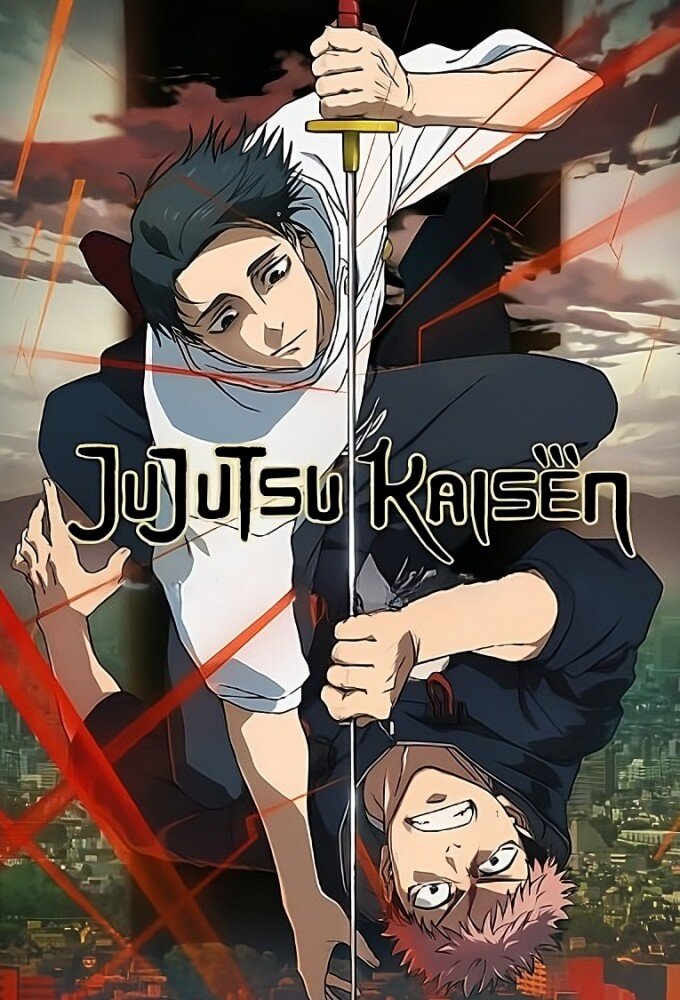
Jujutsu Kaisen2020
Same modern-shonen engine — doomed teens, monstrous curses, animation that treats combat like choreography — but with a nastier sense of humour and even higher stakes. Gojo alone is worth the runtime.
But Denser mythology and more characters to track early on; less emotionally streamlined than Demon Slayer's family-first story.
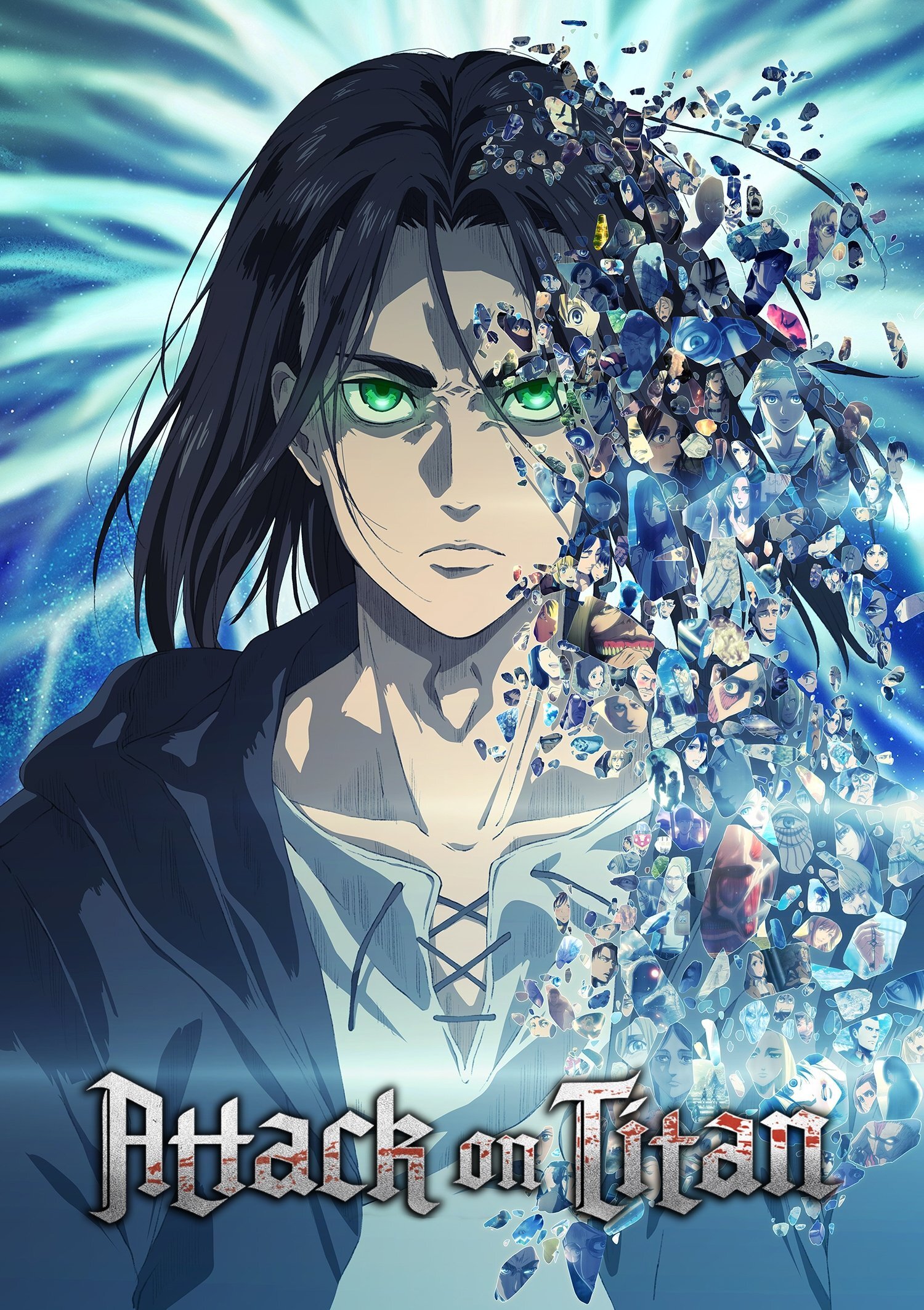
Attack on Titan2013
Trades demons for titans but keeps the dread, the grief, and the sense that the world is far crueler and stranger than the heroes first realised. Escalates relentlessly.
But Grimmer and more political over its run; the shonen comfort and warmth Demon Slayer offers largely disappears by the later seasons.
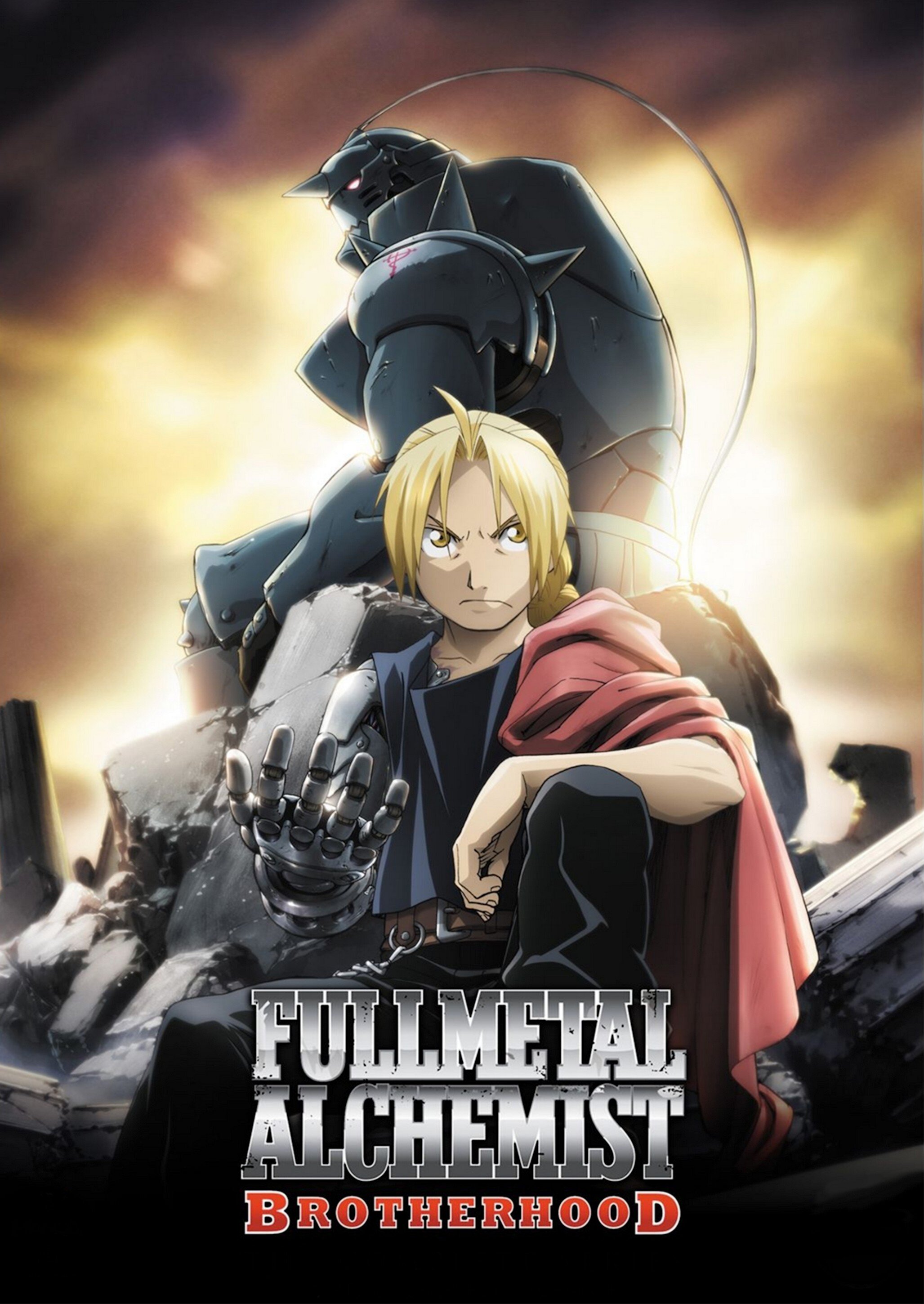
Fullmetal Alchemist: Brotherhood2009
Siblings, a body irreversibly changed by tragedy, a quest to undo it — the emotional skeleton is nearly identical, wrapped around one of anime's tightest, most satisfying plots.
But Longer commitment at 64 episodes, and the alchemy-based magic system takes patience to fully click into place.
The wildcard
Something you would not have found on your own.
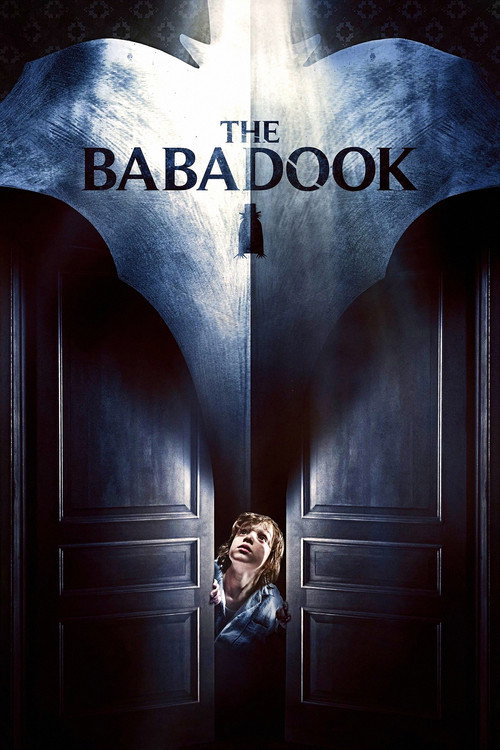
The Babadook2014
Demon Slayer dresses grief up as a demon you can fight and defeat; The Babadook refuses that comfort, showing the same metaphor played completely straight, with no catharsis on offer.
A grieving mother is stalked by a monster that's inseparable from her own trauma — the clearest, most serious version of what Nezuko's transformation is quietly about: grief made literally monstrous.
But No swordfights, no spectacle, and almost no comic relief — a slow, claustrophobic horror film that asks you to sit with dread rather than release it.
More like this (8)
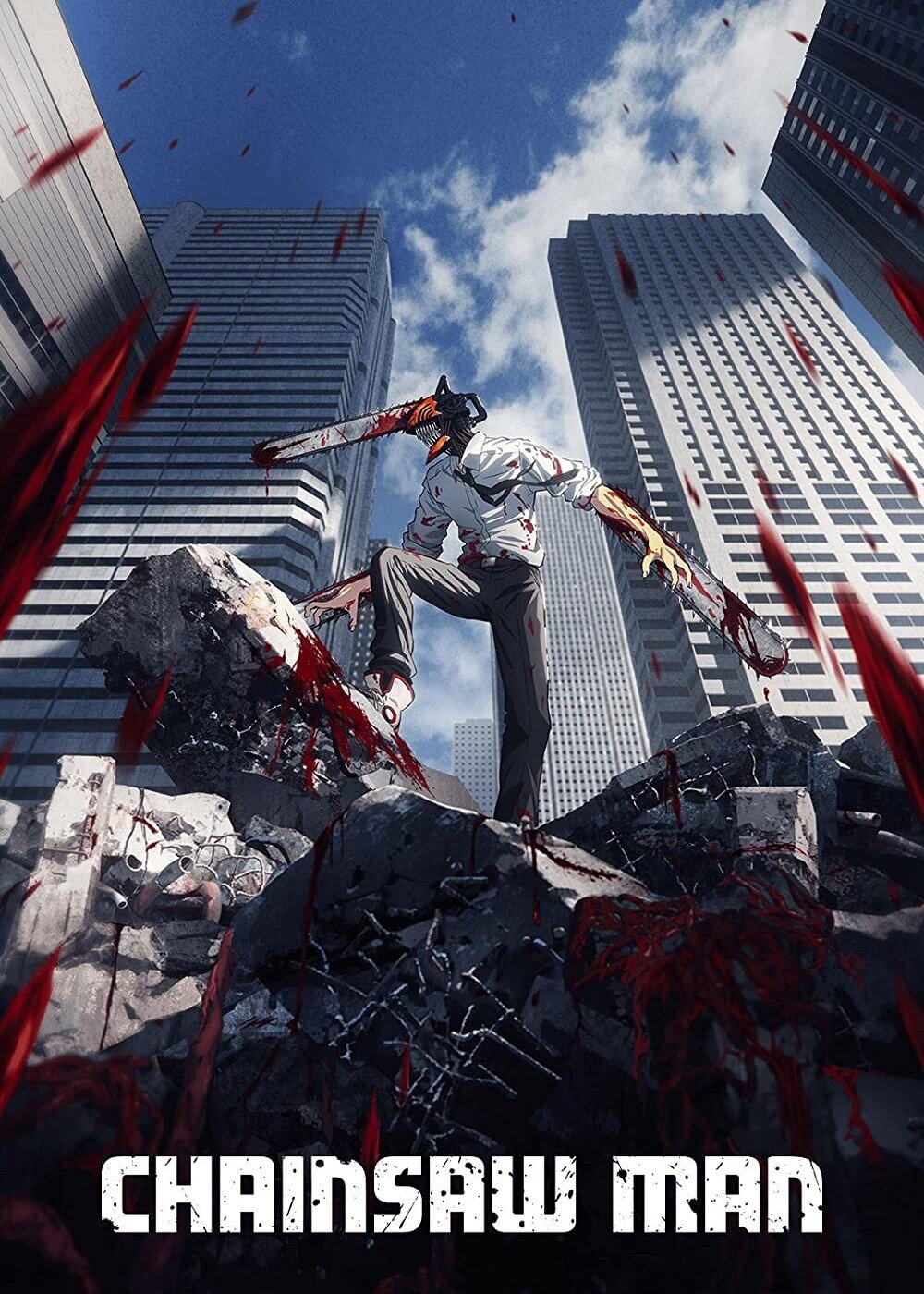
Chainsaw Man2022
Devil-hunting carnage from the same demon-adjacent lineage, but scuzzier, funnier, and far more willing to be gross. If you want the horror dialed up and the sincerity dialed down, start here.
But Deliberately ugly and chaotic in places; its nihilistic humour is a different flavour entirely from Tanjiro's earnestness.
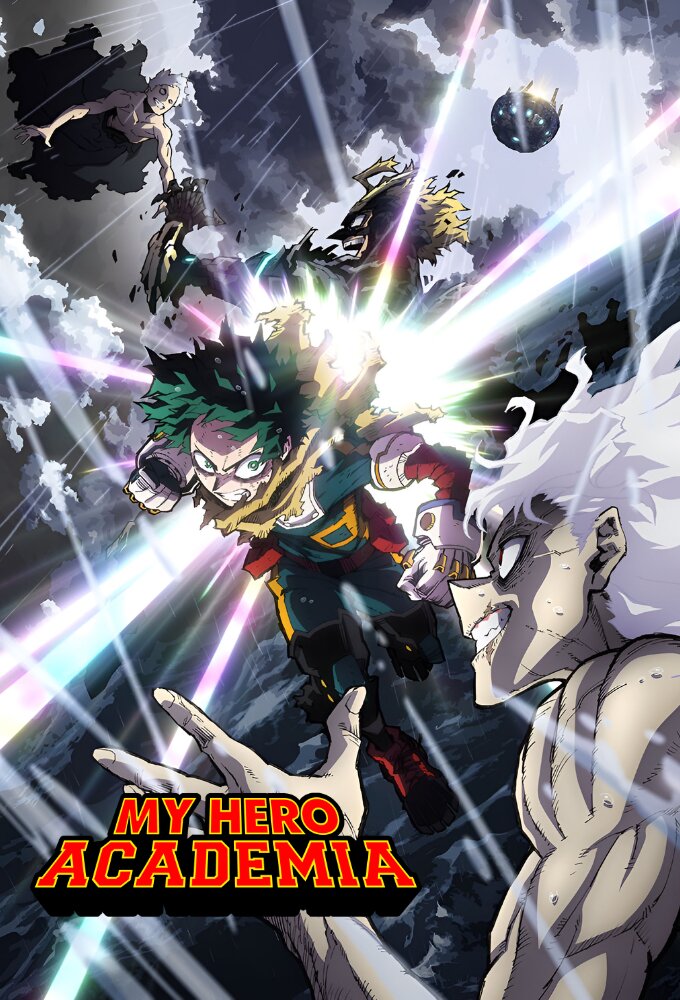
My Hero Academia2016
For the underdog-with-a-heart-of-gold structure and training-arc catharsis — a gentler, brighter shonen with the same belief that kindness is a kind of strength.
But Superhero trappings instead of horror, and a much larger ensemble cast that dilutes the tight family focus.
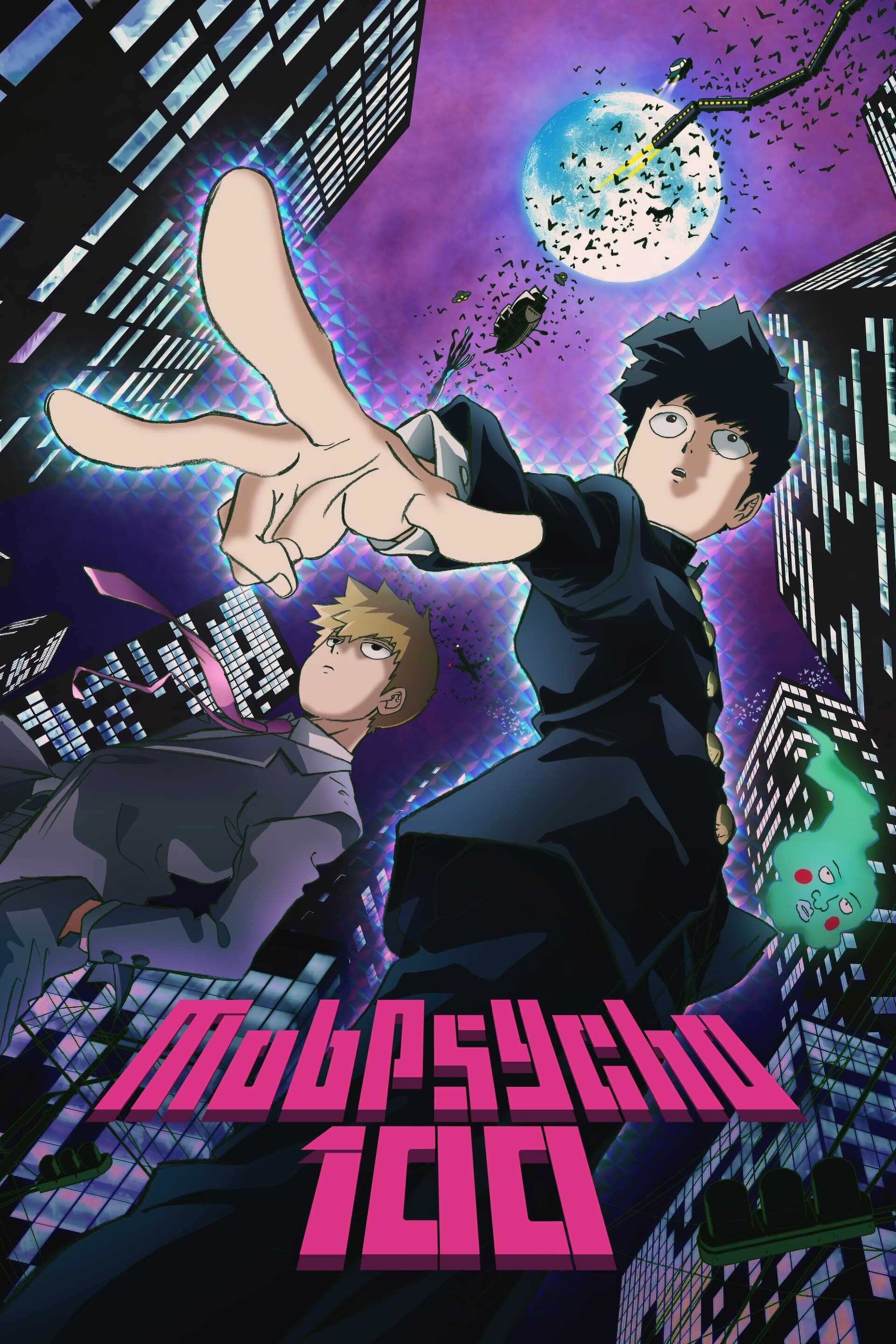
Mob Psycho 1002016
A quieter, weirder cousin — supernatural power as burden rather than thrill, with animation just as inventive and a surprising tenderness underneath the fights.
But Much lower-key and more comedic than action-focused; the stakes rarely feel life-or-death in the way Demon Slayer's do.
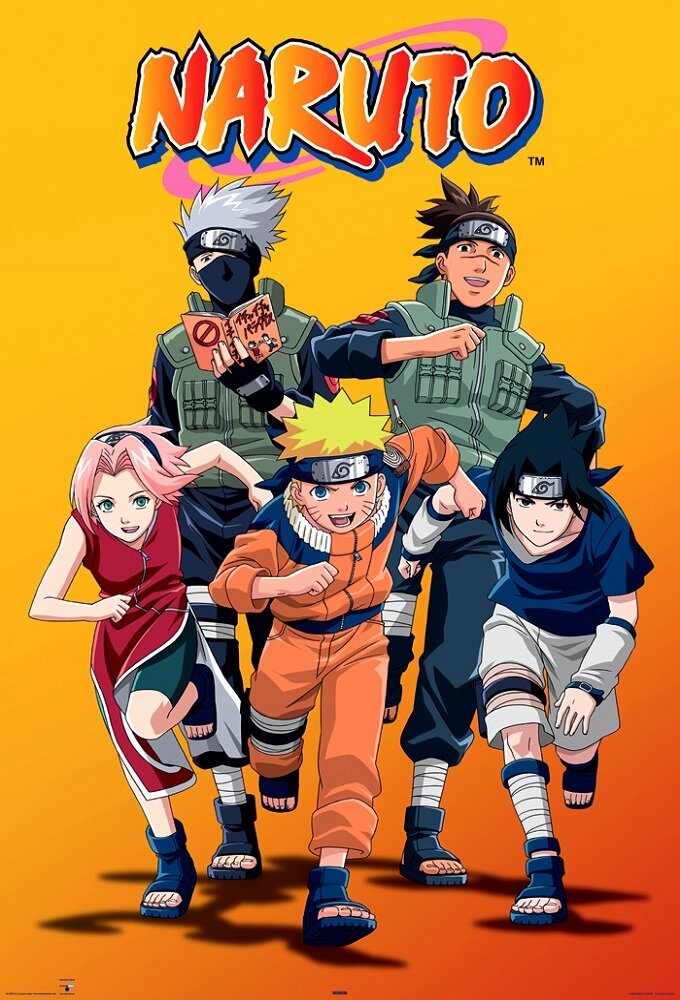
Naruto2002
The granddaddy of this exact shape — orphaned kid, found family, escalating supernatural threats, training arcs that pay off spectacularly. Comfort food with real teeth.
But A much older production with dated pacing and filler; a serious time investment across hundreds of episodes.
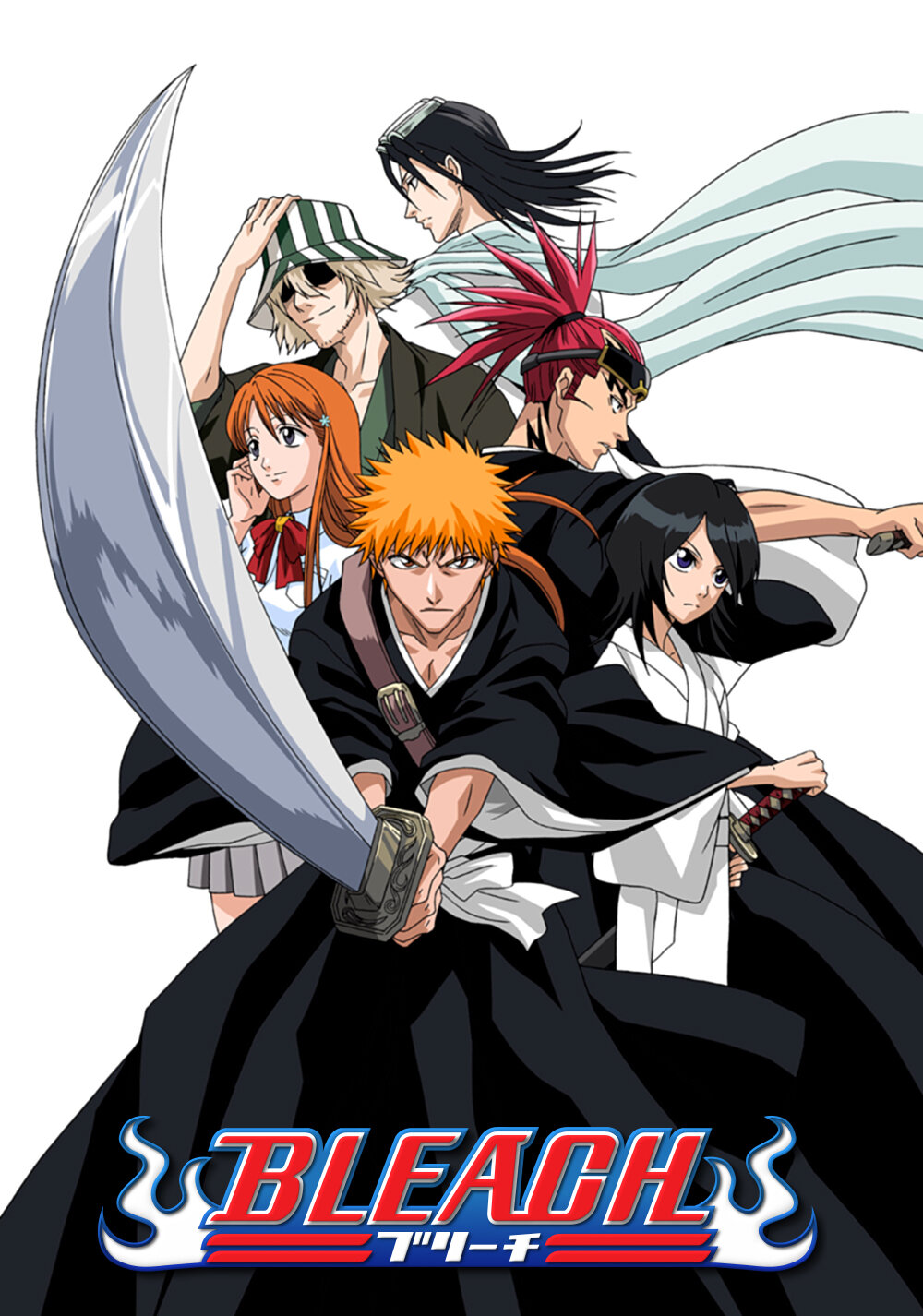
Bleach2004
Sword-swinging spirit-hunters, elaborate demon hierarchies, gorgeous named techniques — if you love the swordplay half of Demon Slayer specifically, this leans hardest into it.
But Uneven pacing and long arcs of wildly varying quality; the 2022 sequel improves things but the original run is a slog in parts.
Dororo2019no page yet
A ronin missing his body parts to demons, wandering feudal Japan with an orphan sidekick — bleaker and sadder, but from the same well of folklore and family loss.
But Considerably darker and less triumphant in tone; comic relief is thinner and the ending doesn't offer easy comfort.
Kwaidan1965
Demon Slayer's man-eating demons and haunted forests come from centuries-old Japanese folk horror — Kwaidan filmed those same tales six decades ago, unhurried and eerie rather than kinetic.
Four ravishing, theatrical ghost stories from Japanese folklore, shot on soundstages that look like moving woodblock prints — this is the ancestral well Demon Slayer's demons and dread were drawn from.
But Slow, deliberately stagey pacing and a 1964 arthouse sensibility; nothing here resembles a fight scene.
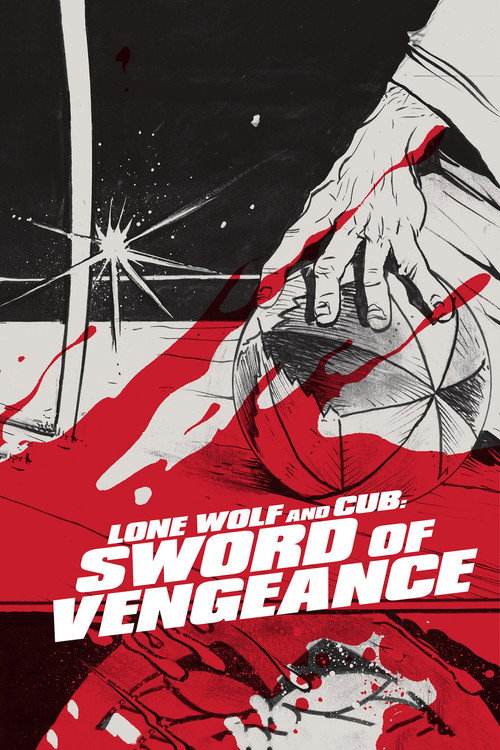
Lone Wolf and Cub: Sword of Vengeance1972
Swap the demons for human enemies and the animation for real blades, and you get the samurai revenge cinema Demon Slayer's choreography and aesthetic directly descend from — same sword, older costume.
A masterless samurai wheels his infant son through feudal Japan on a blood-soaked revenge quest — brutal, beautifully composed swordplay that's the live-action bedrock of everything Demon Slayer's fights are riffing on.
But Extremely violent 1970s exploitation cinema with a slow, episodic structure; no supernatural element, just cold steel and vengeance.
People
Cast




Recommended by
Fullmetal Alchemist: Brotherhood, Hunter x Hunter, Jujutsu Kaisen, Mob Psycho 100, My Hero Academia, Chainsaw Man, One Piece, Bleach, Naruto